The landscape of In-Ear Monitors (IEMs) is currently undergoing a renaissance, driven by advancements in materials science and magnetic engineering. FiiO, a titan of the portable audio industry, has long been associated with high-fidelity performance across multiple price brackets. However, its sub-brand, SNOWSKY, has traditionally occupied the accessible, "fun" entry-level segment. That narrative has been decisively rewritten with the release of the FiiO SNOWSKY OAK NANO.
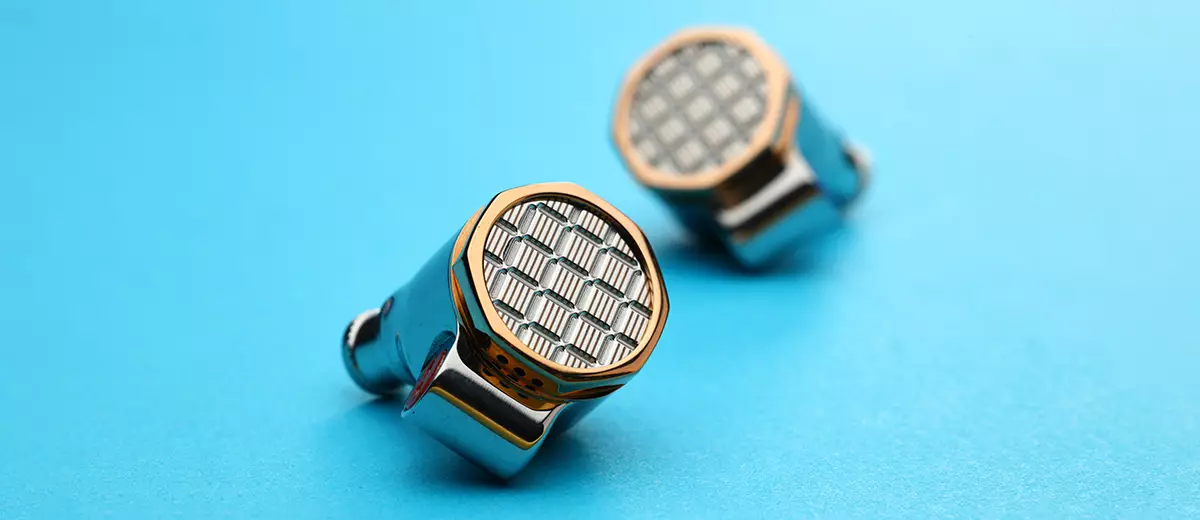
Priced at $449.00 MSRP, the OAK NANO is not merely another addition to the sub-brand’s portfolio; it is a flagship-tier performer masquerading in an approachable package. By utilizing a massive 13.8mm beryllium-coated dynamic driver housed within a pure titanium shell, FiiO is challenging the status quo of single-driver IEM performance.
Main Facts: Engineering the OAK NANO
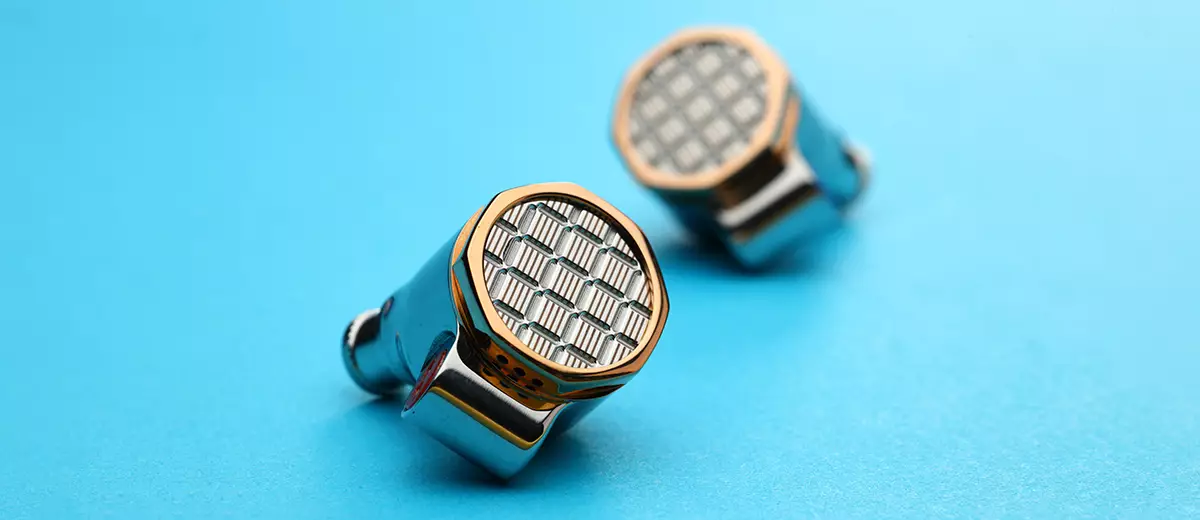
The core of the OAK NANO’s appeal lies in its unconventional architecture. While the industry standard for dynamic driver IEMs typically settles at 10mm, FiiO has opted for a 13.8mm beryllium alloy dome diaphragm. This larger surface area allows for greater air displacement, contributing to the visceral bass response that defines the unit.
Complementing this is a 1.5T (Tesla) magnetic circuit. In technical terms, this is an extraordinary figure; most high-performance drivers operate at or below 1T. The real-world manifestation of this magnetic density is immediately apparent upon handling the earpieces. The OAK NANO exhibits a level of magnetic attraction that is almost tactile—placing them an inch apart results in a palpable pull, demonstrating the sheer force of the motor system driving the diaphragm.
Key specifications include:
- Driver: 13.8mm Beryllium-coated dynamic driver
- Impedance: 50Ω
- Sensitivity: 112 dB/mW @1kHz
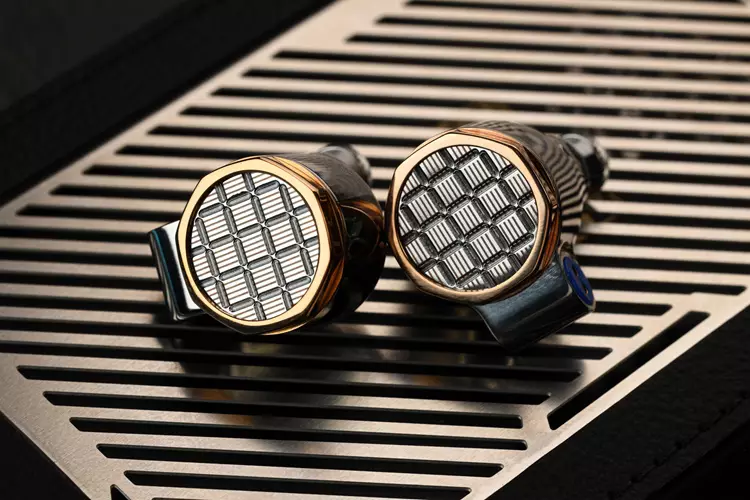
- Shell Material: Pure titanium with an airflow-optimized chamber
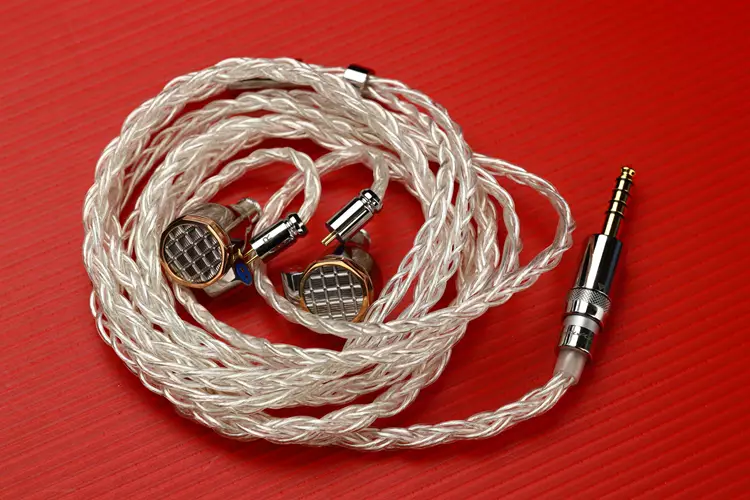
- Connectivity: Modular 8-core silver-plated single-crystal copper cable (3.5mm, 4.4mm, and USB-C included)
Chronology: From Concept to Sonic Reality
The evolution of the SNOWSKY brand, known for the DISC, ECHO, Melody, and Anytime models, was characterized by a focus on experimental, accessible audio. The arrival of the OAK NANO at the Headfonics testing bench initially prompted skepticism. Could a brand associated with budget-friendly, casual listening truly pivot to a serious, high-fidelity flagship?

Upon initial unboxing, the presentation suggested a premium experience. The packaging moves away from traditional cardboard layouts to a sophisticated, jewelry-case-inspired design. The inclusion of an extensive accessory kit—comprising 22 pairs of ear tips and a modular cable system—immediately signaled that FiiO treated this project with the same rigor as its primary FiiO-branded flagships.
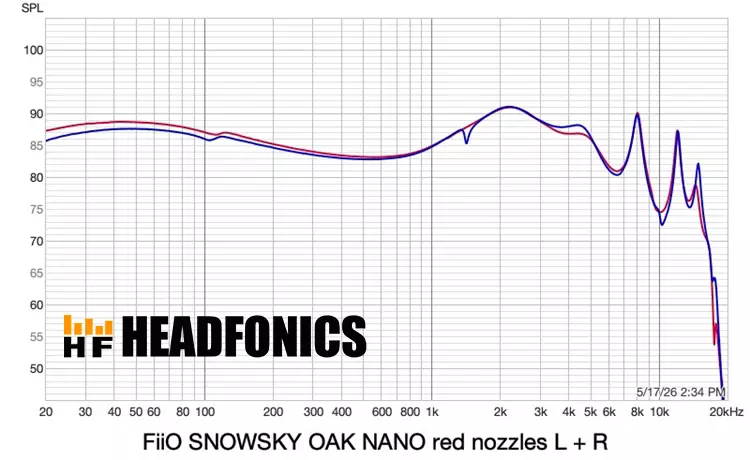
Following a rigorous 24-hour burn-in period, the sonic profile stabilized. Early listening sessions confirmed that the out-of-the-box configuration, using the pre-installed black-ringed nozzles, leaned toward an analytical, energetic treble profile. However, the transition to the red-ringed tuning nozzles revealed the true potential of the driver, shifting the frequency response toward a neutral, balanced reference signature.
Supporting Data: Acoustic Performance and Technicality
The OAK NANO excels where many single-driver designs falter: transient response. Typically, larger diaphragms struggle with speed, resulting in "smeared" micro-details. The OAK NANO, however, maintains a crisp, lightning-fast transient speed, likely due to the rigidity of the beryllium coating and the high-flux motor system.
Soundstage and Imaging
The staging is, quite simply, vast. It defies the typical "in-head" sensation of many IEMs, creating a spherical soundscape that feels more akin to open-back over-ear headphones. This is achieved without sacrificing instrument separation. In complex orchestral tracks, the front-to-back layering remains distinct, allowing the listener to track individual instruments—such as a xylophone playing against a synth backdrop—with uncanny precision.

The "Red Nozzle" Effect
Our testing revealed a distinct divergence between the two provided nozzle options. The black-ringed nozzles offer a pronounced upper-treble energy that may satisfy those seeking a "V-shaped" sound but can lead to listener fatigue over long sessions. Conversely, the red-ringed nozzles provide a balanced, neutral presentation. This configuration is where the OAK NANO proves its worth as a reference-class monitor, revealing the inherent qualities of the source equipment rather than coloring the output.
Comfort and Ergonomics
Despite the dense, high-grade titanium construction, the shell weight is kept to a modest 9.6 grams per side. The ergonomic design ensures that the weight is distributed evenly across the concha, allowing for extended listening sessions without physical strain. Furthermore, the inclusion of an effective pressure-release system mitigates the "vacuum" sensation common in sealed-chamber IEMs, a critical feature for those who listen while in motion.

Official Responses and Industry Context
FiiO’s decision to place the OAK NANO under the SNOWSKY banner is a calculated move. By decoupling this high-performance unit from the primary FiiO line, the company allows for a more "unfiltered" design language. While the main FiiO line often adheres to a specific, signature "house sound," the SNOWSKY sub-brand acts as a sandbox for technical experimentation.
The inclusion of a USB-C modular plug in the stock cable is a noteworthy nod to the modern audiophile who frequently switches between dedicated DAPs (Digital Audio Players) like the FiiO M15S and mobile devices. It signals an understanding that high-fidelity is no longer tethered to bulky stacks, but is increasingly demanded in mobile, high-performance scenarios.
Implications: The Future of Single-Driver IEMs
The success of the OAK NANO carries significant implications for the market. It proves that the "more is more" philosophy—where manufacturers cram 6, 8, or 10 balanced armature drivers into a single shell—is not the only path to high-end performance.
By perfecting the physics of a single, high-performance dynamic driver, FiiO has managed to achieve a level of coherence that multi-driver hybrids often struggle to replicate. The seamless transition from sub-bass to upper-treble, made possible by the absence of complex crossover networks, gives the OAK NANO an organic, natural timbre that is becoming increasingly rare.

Pros and Cons Summary
Pros:
- Exceptional Resolution: The beryllium-coated driver extracts micro-details that rival much more expensive multi-driver setups.
- Holographic Staging: An expansive, spherical soundstage that provides a genuine concert-hall experience.
- Tonal Neutrality: With the red-ringed nozzles, the IEM serves as an excellent, uncolored reference point.
- Build Quality: A premium titanium construction that feels built to last while remaining lightweight.
Cons:
- Nozzle Preference: The black-ringed nozzles may feel overly bright to some users, potentially limiting their utility for certain genres.
- Modular Cable Complexity: While the modular system is excellent, the alignment of the 4-pin connector on the plug is difficult to navigate, lacking clear tactile or visual guidance.
Final Verdict
The FiiO SNOWSKY OAK NANO represents a rare moment where a brand’s "experimental" sub-brand produces a product that arguably outperforms its flagship siblings in terms of pure, cohesive musicality. At $449, it sits in a competitive bracket, yet it justifies its cost through sheer technical prowess and an accessory suite that leaves nothing to be desired.
For the audiophile who values the natural coherence of a single dynamic driver but craves the technical resolution of a top-tier hybrid, the OAK NANO is not just a compelling purchase—it is a mandatory audition. It stands as a testament to the fact that when it comes to sound, sometimes the most profound advancements are found in the refinement of the basics.