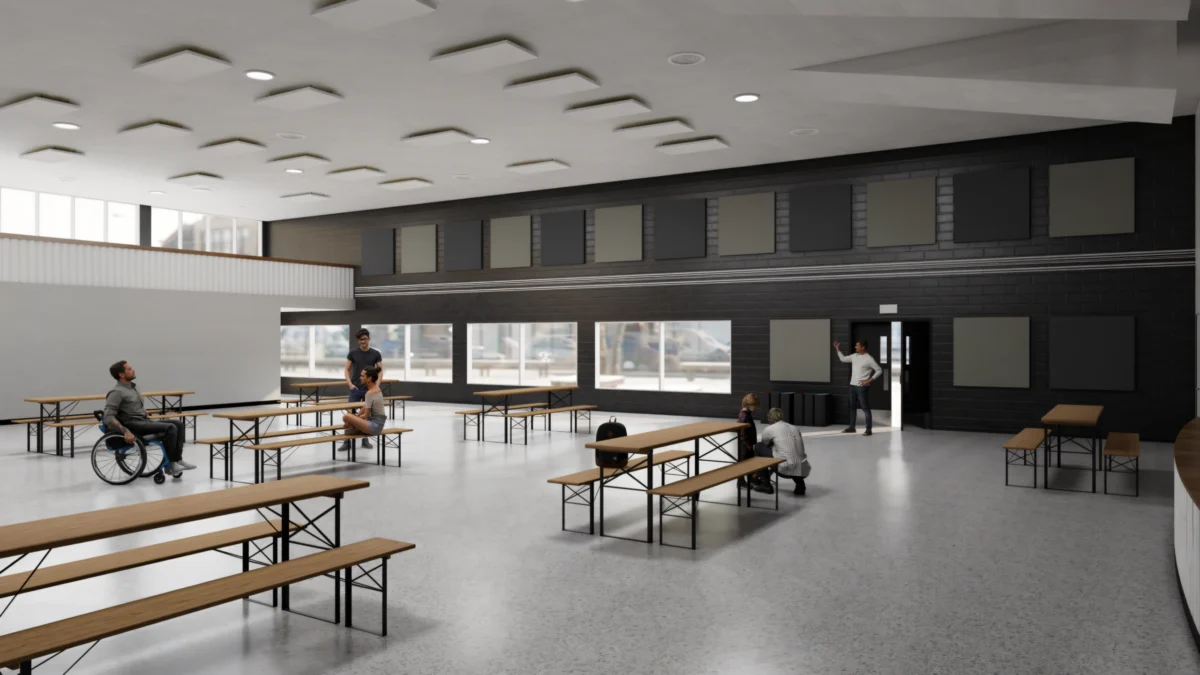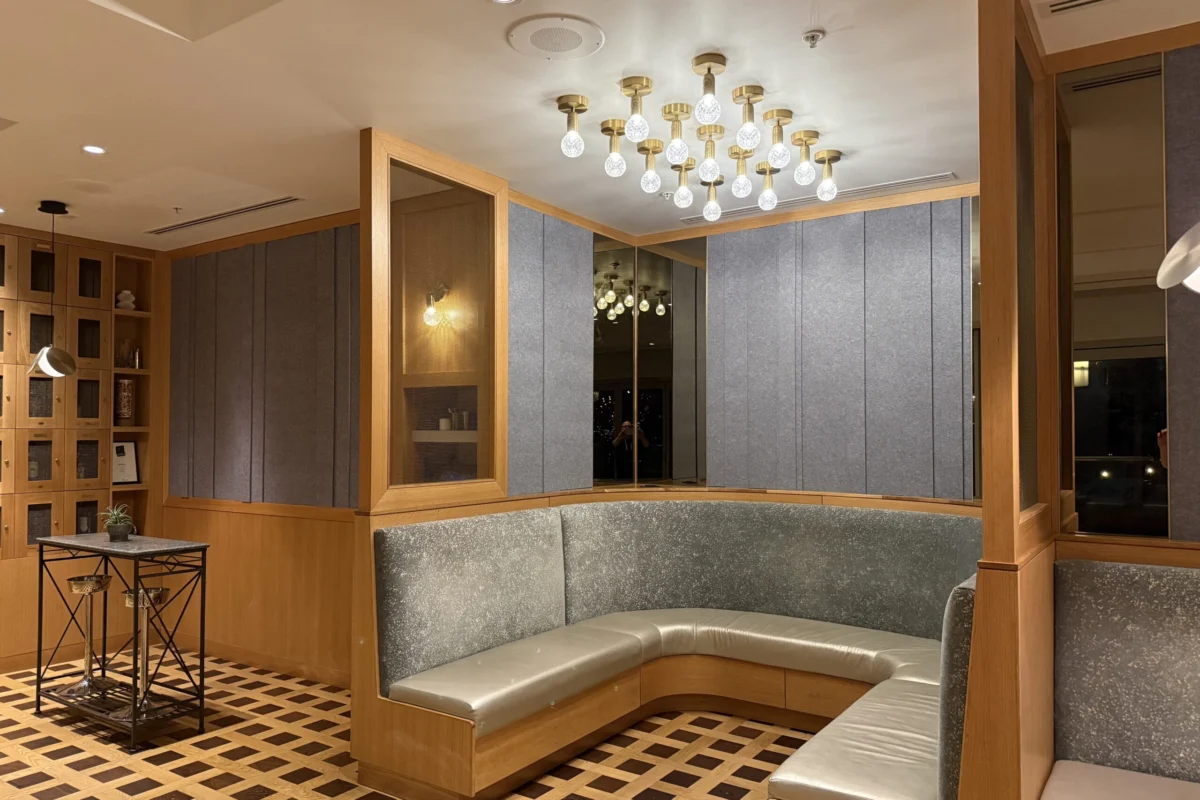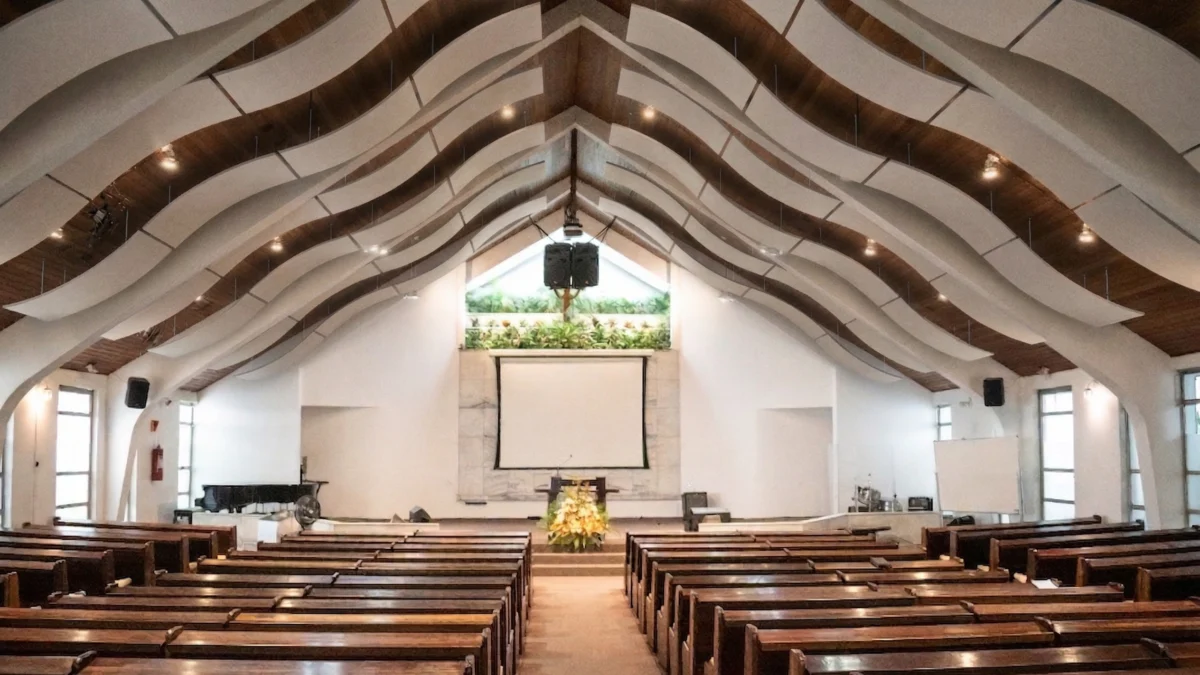
In the world of interior design and structural engineering, sound is often the final frontier. While architects obsess over lighting, flow, and material palettes, the invisible experience—acoustics—frequently becomes an afterthought, managed only when a space proves too reverberant or chaotic to function. However, the industry is undergoing a paradigm shift. Designers are moving away from “universal” fixes toward a philosophy of bespoke acoustic integration, where sound control is as tailored as the architecture itself.
At the heart of this evolution is the understanding that no two spaces are truly alike. Whether it is a house of worship, a state-of-the-art recording studio, or a bustling public atrium, every environment possesses unique geometric and material signatures. A "one-size-fits-all" approach to sound absorption is no longer just ineffective; it is a compromise that architects and clients are increasingly unwilling to make.
The Myth of Universal Solutions
The temptation to treat every room with standard-issue acoustic panels is understandable. It is efficient, cost-effective, and provides a baseline level of sound dampening. Yet, this rigidity creates a fundamental conflict between performance and design. When acoustic treatments are applied as an afterthought, they often clash with the building’s intent, forcing designers to hide them in corners or, worse, leave them out entirely to preserve the aesthetic.

True acoustic design demands flexibility. It requires a system that can adapt to the "personality" of a room—its intended emotion, its usage patterns, and its physical constraints. When a designer is forced to choose between a room that sounds good and a room that looks good, the project has already failed. The goal today is to integrate high-performance sound control so seamlessly that it becomes a defining architectural feature rather than a necessary intrusion.
EcoScapes: A Paradigm Shift in Material Versatility
Enter EcoScapes, a revolutionary acoustic system from Primacoustic designed to bridge the gap between engineering and art. Constructed from high-density PET plastic—derived entirely from recycled plastic bottles—EcoScapes represents a sustainable, scalable answer to the diverse challenges of modern architecture.
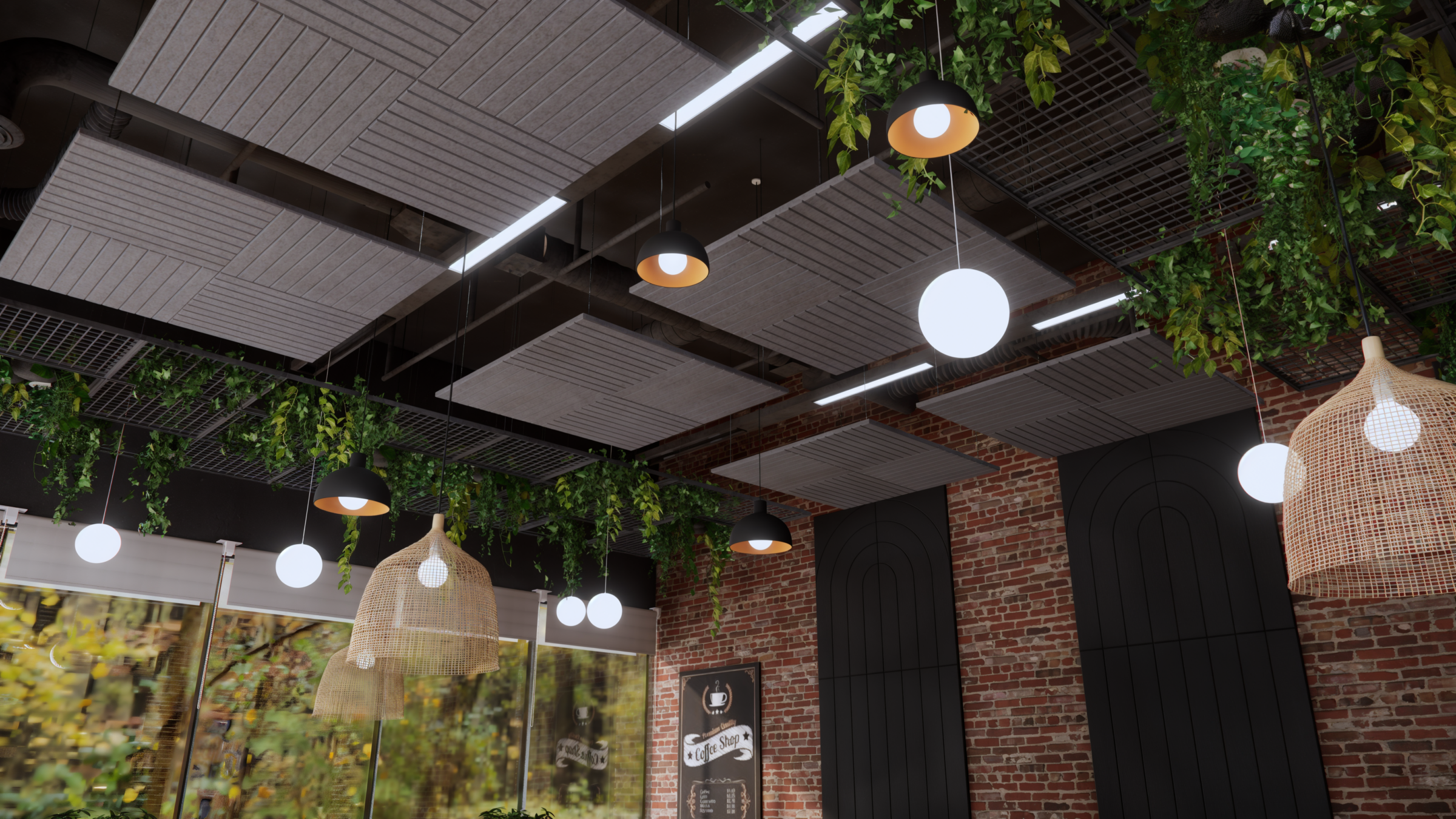
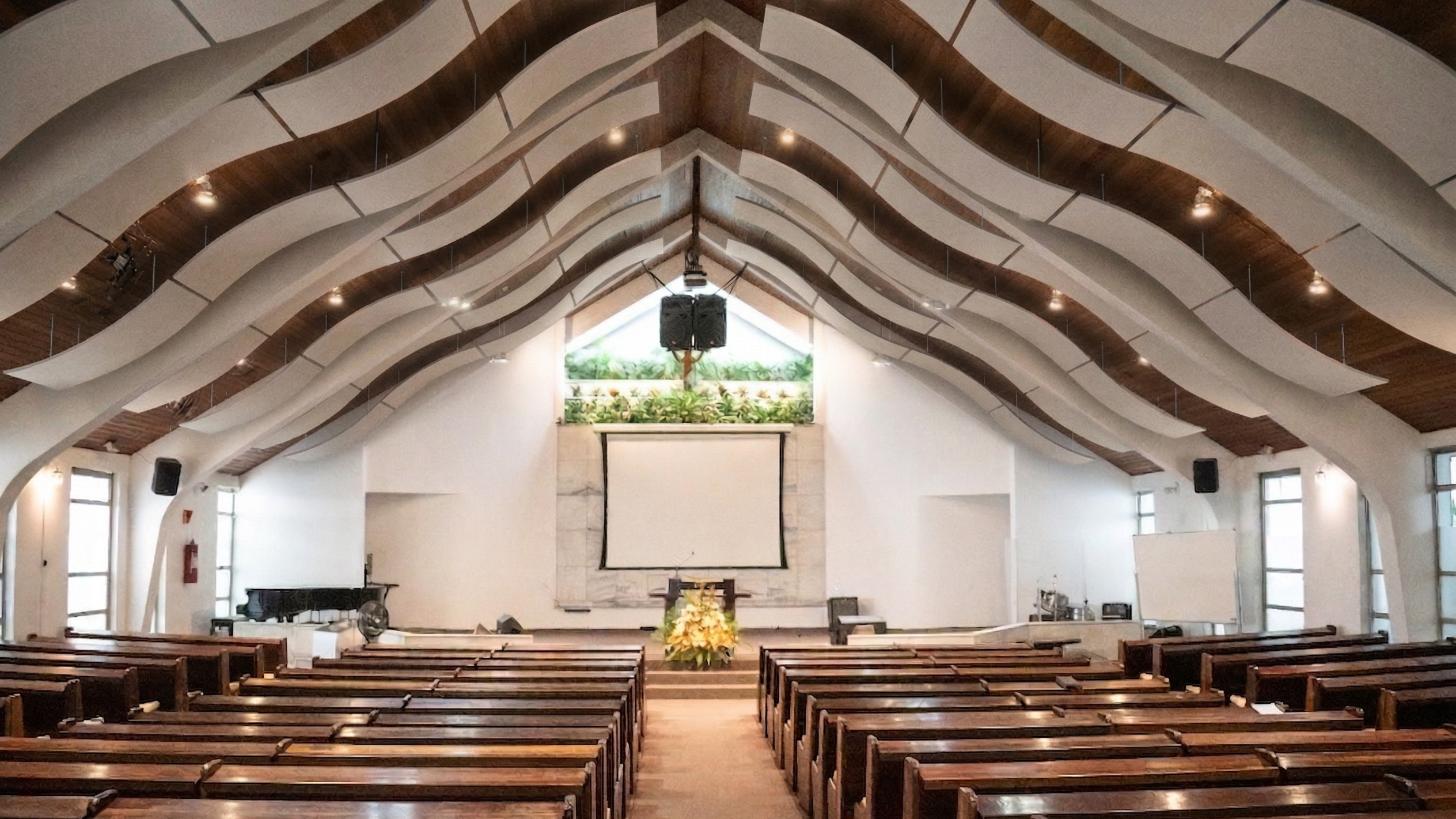
The genius of the EcoScapes system lies in its inherent modularity. Whether in the form of wall panels, ceiling clouds, precision-carved artistic panels, or suspended architectural baffles, the material remains consistent, yet its application is infinite.
The Chronology of Innovation
The development of EcoScapes did not happen in a vacuum. It was the result of years of feedback from architects, integrators, and acoustic consultants who struggled with the limitations of traditional, rigid materials.
- Phase 1 (Conceptualization): Identifying the need for a material that was both environmentally sustainable and highly workable on-site.
- Phase 2 (Material Science): The refinement of PET technology to ensure it met high-level acoustic absorption coefficients while remaining lightweight and durable.
- Phase 3 (System Expansion): The introduction of specialized lines—Blades, Dimensional Baffles, and Contour Carved Panels—to address specific architectural hurdles, such as vaulted ceilings, exposed rafters, and complex branding requirements.
- Phase 4 (Integration): The current era, where digital modeling tools allow designers to simulate acoustic performance before a single piece is installed.
The Role of Customization in Modern Design
In the contemporary landscape, "custom" is no longer a luxury; it is a necessity. Standard building practices rarely yield perfectly flat, rectangular spaces. We are seeing an rise in adaptive reuse projects, industrial-chic offices with exposed piping, and high-design venues with non-traditional geometries.
Customization allows for:

- Aesthetic Synergy: Mimicking existing architectural motifs, such as wood grain patterns or geometric structural elements, within the acoustic panels themselves.
- Infrastructure Management: Utilizing ceiling-mounted baffles to mask unsightly HVAC or electrical conduits while simultaneously providing critical acoustic dampening.
- Brand Integration: Using CNC carving to transform panels into three-dimensional company logos or murals, turning a functional requirement into a visual statement.
As Iain Fletcher, Director of Club Outlets at the prestigious Terminal City Club, notes: "We wanted people to hear the difference, but not see the difference." This is the ultimate goal of sophisticated acoustic design: creating an environment that feels natural, where the sound is controlled without the listener ever realizing that the room has been acoustically "treated."
Official Perspectives: The Collaborative Approach
The success of high-level acoustic design relies on a partnership between the manufacturer and the integrator. Primacoustic has positioned itself not merely as a supplier, but as a technical consultant.
"With both Paramount and Primacoustic, it’s like, ‘this is a challenge, not a problem; let’s figure it out,’" says Marty Nightingale of Paramount Automation. This sentiment is echoed by Drew Campbell, the firm’s founder, who highlights the iterative nature of the process: "Primacoustic is always open to feedback, which fosters a ‘how can we do this better’ approach."

This collaborative spirit is supported by robust digital resources. By utilizing proprietary online tools, integrators can input room dimensions and structural variables to generate predictive models. This allows for a "show-don’t-tell" sales process, where the client can visualize exactly how the acoustic treatment will enhance the room’s appearance and performance. As Tracey Cochrane of Points West Audio Visual and Acoustics explains, this has fundamentally elevated her practice: "Instead of me simply saying ‘Here’s my proposed solution,’ I can actually give them a clear picture of the installation."
Supporting Data and Technical Efficacy
While the aesthetic benefits are clear, the technical performance of EcoScapes is rooted in rigorous data. The use of PET plastic allows for variable thickness and density, which can be tuned to address specific frequency ranges.
- Low-Frequency Management: Through the use of air gaps and specific mounting depths, EcoScapes panels can be optimized for bass control, which is essential in music venues and auditoriums.
- Mid-to-High Frequency Diffusion: The introduction of Dimensional Baffles and Contour Carved Panels creates surface variations that break up standing waves and flutter echoes, resulting in a more natural, balanced sound field.
- Durability: In high-traffic environments like gyms or restaurants, the PET material is remarkably resilient, resisting impacts that would shatter traditional mineral fiber panels.
Implications for Future Construction
The integration of systems like EcoScapes suggests a future where architecture is increasingly "performative." We are moving away from passive buildings toward active, intelligent spaces.

Why This Matters for the Future:
- Sustainability: As building codes tighten regarding the environmental impact of construction materials, using 100% recycled PET will become a standard requirement, not a "green" differentiator.
- Wellness and Productivity: Emerging research in biophilic design and workplace productivity underscores the importance of acoustic comfort. A quiet, well-dampened office reduces cognitive fatigue and increases focus.
- The Rise of Experience-Led Design: Whether in retail or hospitality, the "experience" of a space is a primary driver of customer loyalty. A space that sounds "expensive"—that is, one with controlled, intelligible, and comfortable acoustics—leaves a lasting psychological impression on the user.
Conclusion: Saying ‘Yes’ to Complexity
The true value of a flexible system like EcoScapes is that it empowers the dealer and the architect to say "yes" to more complex projects. It removes the fear of the unknown. When an architect presents a space with a radical shape or a difficult acoustic signature, the designer no longer needs to scramble for a workaround. Instead, they have a modular, scalable toolkit at their disposal.
Acoustic design is no longer about filling a room with panels; it is about sculpting the soundscape of the human experience. By choosing materials that are as versatile as the buildings they inhabit, we ensure that the spaces of the future are not only beautiful to look at but profoundly comfortable to inhabit.
As we look ahead, the intersection of sustainability, art, and engineering will continue to define the standard for high-end interiors. With the right tools and a commitment to customization, the invisible impact of acoustics will finally take its rightful place in the architectural spotlight.
For those looking to explore how these solutions can be applied to their next project, visit Primacoustic.com to access their suite of design tools, view their latest product lines, or request a personal consultation with an acoustic specialist.