The Invisible Composition of Space
We often judge a room by what we see—the clean lines of the furniture, the color palette of the walls, or the quality of the natural light. Yet, there is a silent, invisible layer that dictates our experience more than any visual aesthetic: the acoustic environment. Much like a piece of music, a well-designed space is an intentional composition. It possesses a beat, a tempo, and a series of harmonious elements that must be balanced to evoke a specific emotional response. If visual elements are the melody of a room, acoustics are its rhythm section.
For too long, the design world has treated acoustic treatment as an afterthought—a utilitarian "fix" bolted onto finished walls to solve a noise problem. However, a new paradigm is emerging, one that prioritizes texture as the bridge between visual identity and sonic performance. By treating surfaces as active, three-dimensional participants in the design process, architects and interior designers are finding that they can control sound without compromising their aesthetic vision.
The Chronology of Acoustic Evolution
To understand the current pivot toward textured acoustic design, we must look back at the trajectory of modern architecture.
The Era of Minimalism (1990s–2010s): The architectural zeitgeist favored "visual escape." Driven by a desire for order and simplicity, designers moved toward glass, polished concrete, and hard drywall. These surfaces provided a sense of serenity, stripping away the visual clutter of fast-paced, high-stress environments. However, these materials are essentially "sonic mirrors." They reflect sound waves rather than absorbing them, leading to high reverberation times and a cacophony of echoes.

The Functional Awakening (2015–2020): As open-office plans and high-density residential layouts became the norm, the "minimalist trap" became apparent. Productivity plummeted as noise fatigue became a pervasive issue. Early acoustic solutions—foam wedges and bulky fiberglass panels—were often intrusive and aesthetically dissonant, forcing designers to choose between a "good-looking" room and a "good-sounding" room.
The Integrated Design Era (2021–Present): Today, we are in the era of "design-forward acoustics." The focus has shifted from hiding acoustic panels to integrating them. The development of advanced, moldable materials like PET (polyethylene terephthalate)—derived from recycled plastic bottles—has revolutionized the field. Panels are no longer just flat squares; they are now carved, engraved, and layered, allowing them to serve as both functional sound-dampeners and architectural focal points.
The Physics of Surfaces: Why Texture Matters
The relationship between surface texture and acoustic comfort is rooted in the physics of sound propagation. When sound waves encounter a hard, flat surface, they bounce back at the same angle they hit, like a ball hitting a wall. In a room full of these surfaces, sound energy accumulates, causing "flutter echo" and making speech intelligibility drop significantly.
Textured surfaces, by contrast, act as diffusers. By introducing variations in depth, height, and angle, these surfaces break up sound waves, scattering them in multiple directions. This diffusion prevents the buildup of concentrated echoes, smoothing out the room’s acoustic signature.
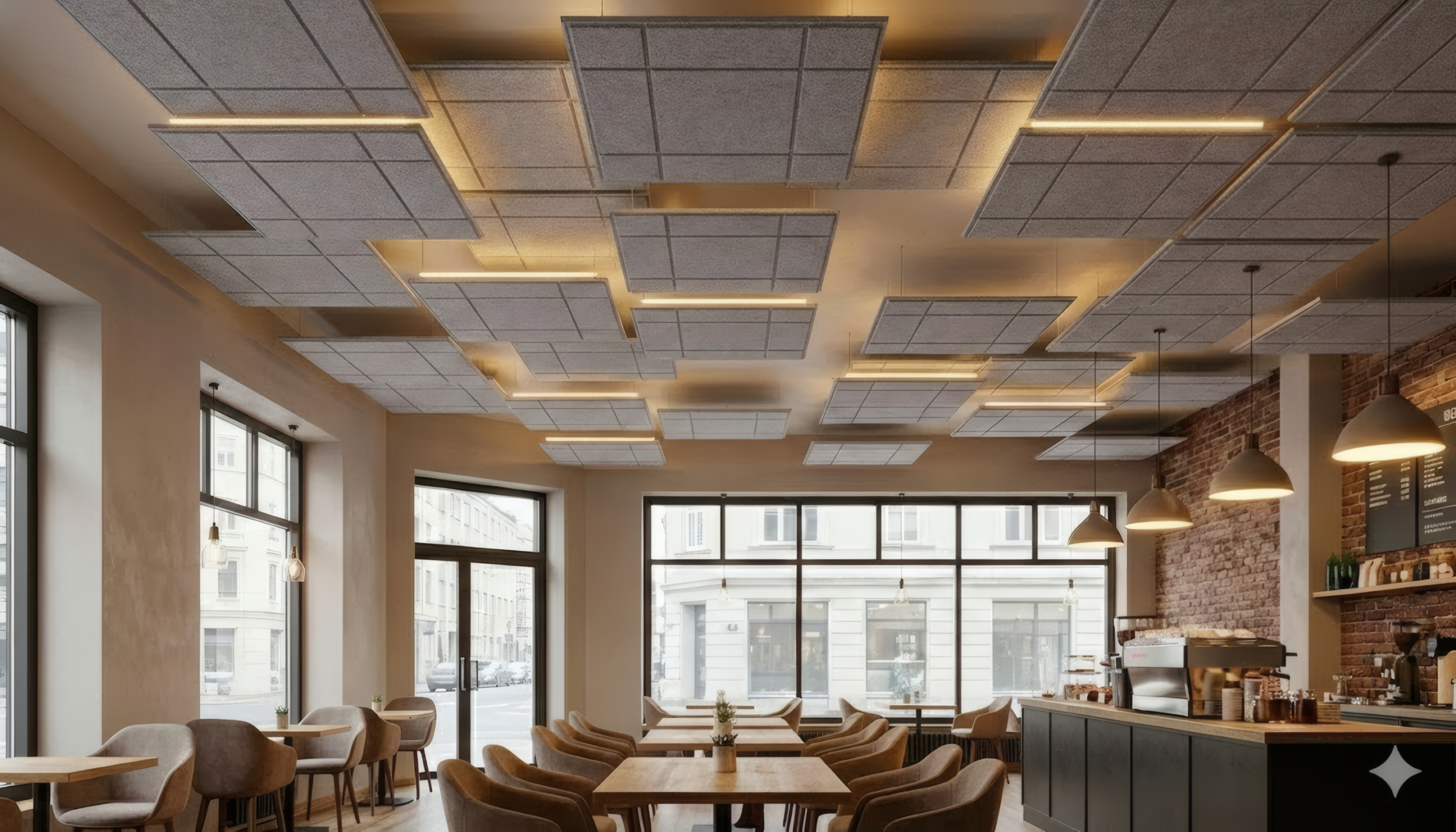
PET: The Sustainable Catalyst
The rise of PET-based acoustic materials has been a turning point for the industry. Because PET is lightweight yet structurally robust, it can be precision-cut or custom-carved to create complex, three-dimensional patterns. This materiality is the driving force behind sophisticated solutions like Primacoustic’s EcoScapes Contour Panels.
Unlike traditional acoustic foam, which often degrades or attracts dust, PET panels are durable, sustainable, and aesthetically versatile. They offer the unique ability to function as a "canvas," where the designer can manipulate light and shadow to create a visual rhythm that complements the room’s intended function.
Data and Performance: The Cost of Ignoring Acoustics
The implications of poor acoustic design go far beyond mere annoyance. Data from environmental psychology suggests that "noise-induced fatigue" is a primary contributor to decreased cognitive performance in the workplace and increased stress levels in residential settings.
- Speech Intelligibility: In spaces with high reverberation, the "signal-to-noise ratio" drops. This forces listeners to exert more cognitive effort to decode speech, leading to faster exhaustion.
- The "Loudness" Paradox: Rooms with hard surfaces feel louder than they actually are because the sound energy doesn’t dissipate. Adding textured, sound-absorbing surfaces can reduce the ambient noise floor by several decibels, which, to the human ear, makes a room feel significantly more intimate and calm.
- Design Efficiency: Early integration of acoustic textures eliminates the need for "retrofit" fixes. Retrofitting is costly, disruptive, and rarely matches the original design intent. By planning for acoustics during the schematic design phase, architects can use the acoustic treatment as the primary aesthetic feature, effectively killing two birds with one stone.
Official Industry Perspectives
Leading voices in architectural acoustics argue that the industry has suffered from a siloed approach. "We have spent decades treating the eye and the ear as separate entities," says one design consultant. "The reality is that a space cannot be ‘comfortable’ if it is visually jarring but sonically chaotic, or vice-versa."

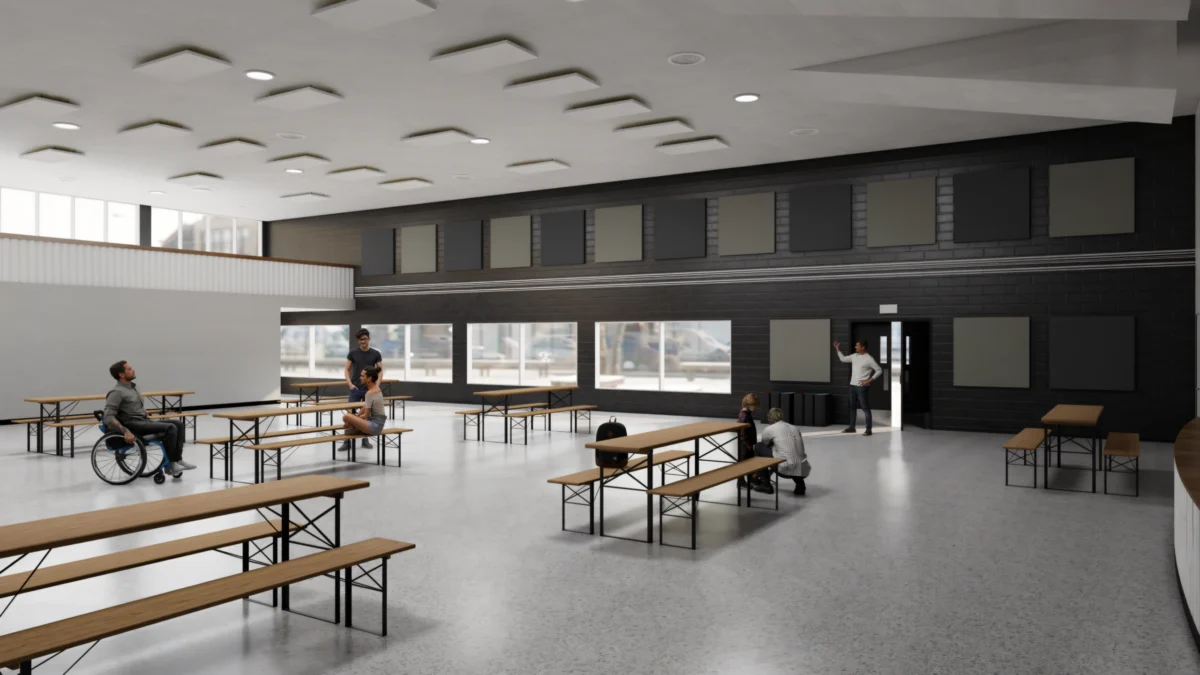
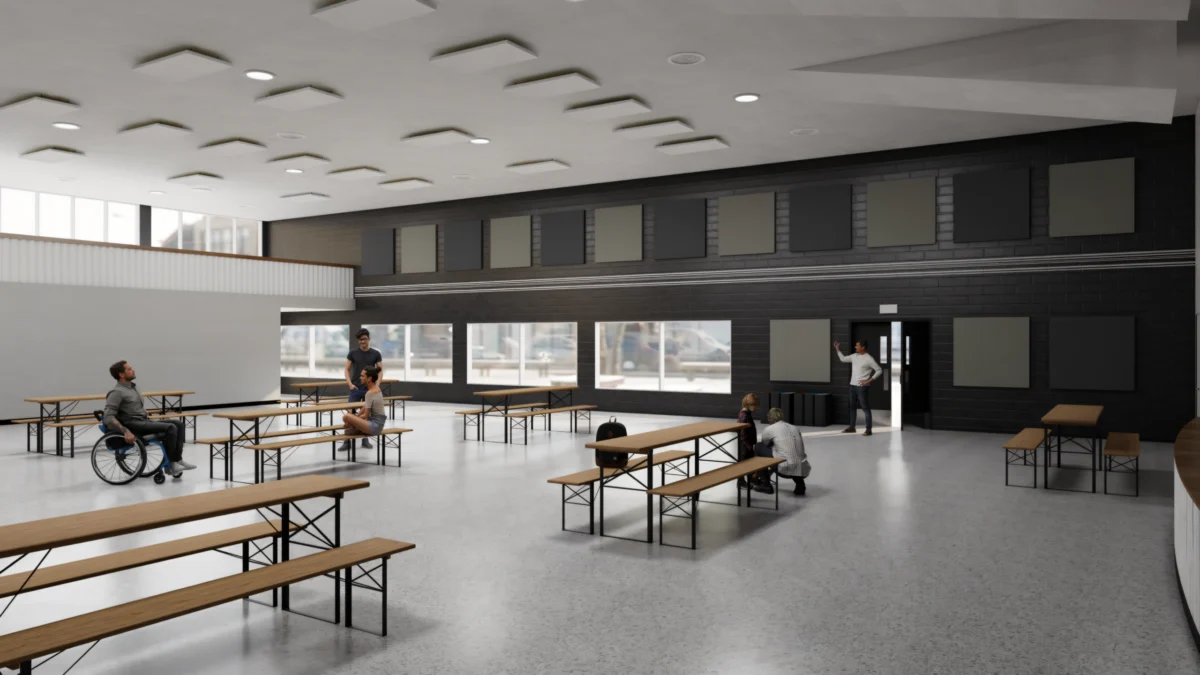
Manufacturers are responding to this by shifting their R&D toward "Acoustic Sculpting." By providing designers with tools that allow for custom engraving, brands are moving away from being "component suppliers" to being "design partners." The goal is to move beyond the standard 2×2 grid of acoustic panels and toward continuous wall treatments that look like art installations.
Implications for Future Spaces
The integration of textured, acoustic surfaces has profound implications for the future of the built environment:
- Human-Centric Workplaces: Offices are no longer just rows of desks; they are centers for collaboration. Textured acoustic walls can define zones for focused work, impromptu meetings, or social interaction, using pattern and depth to signal the "tempo" of each area.
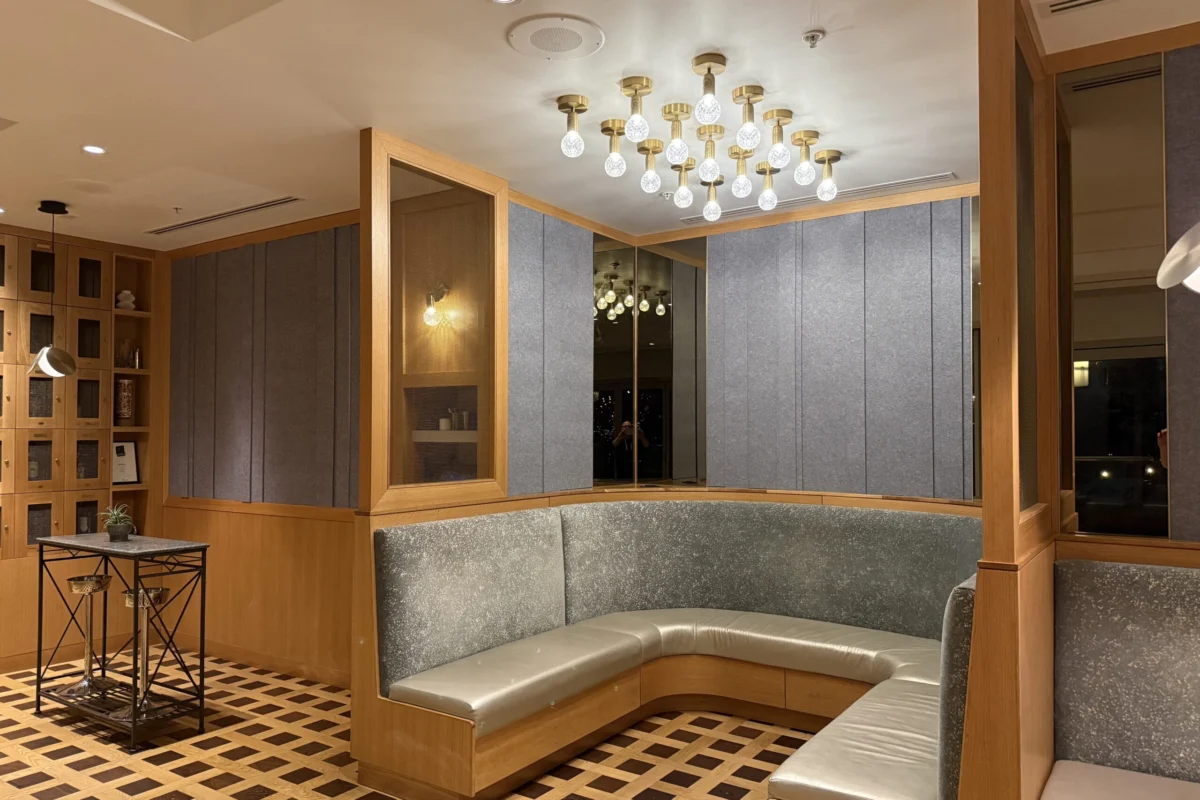
- Wellness in Public Spaces: From healthcare facilities to high-end hospitality, the ability to control sound without sacrificing luxury is paramount. The use of custom-carved PET allows for the creation of sterile-but-warm environments that promote healing and relaxation.
- The Death of the "Background" Wall: Walls are being redefined as "active surfaces." In a world where digital screens dominate our visual field, the tactile, physical nature of a carved acoustic panel offers a refreshing, grounded experience. It invites interaction—not just through sight, but through the subtle, varied texture that humanizes a room.
Conclusion: Spaces That Look Good and Feel Right
The ultimate goal of interior design is to create a "harmonious composition." When we recognize that acoustic comfort is as critical as lighting, furniture, and color, we begin to design spaces that are inherently more welcoming.
By thinking about the "beat and rhythm" of a room early in the design process, architects can avoid the pitfalls of the past. They can transform plain, functional boundaries into intentional features that anchor a space without dragging it down. Whether it is through the gentle curves of a ceiling cloud or the intricate patterns of a feature wall, the modern approach to acoustics is one of seamless integration.
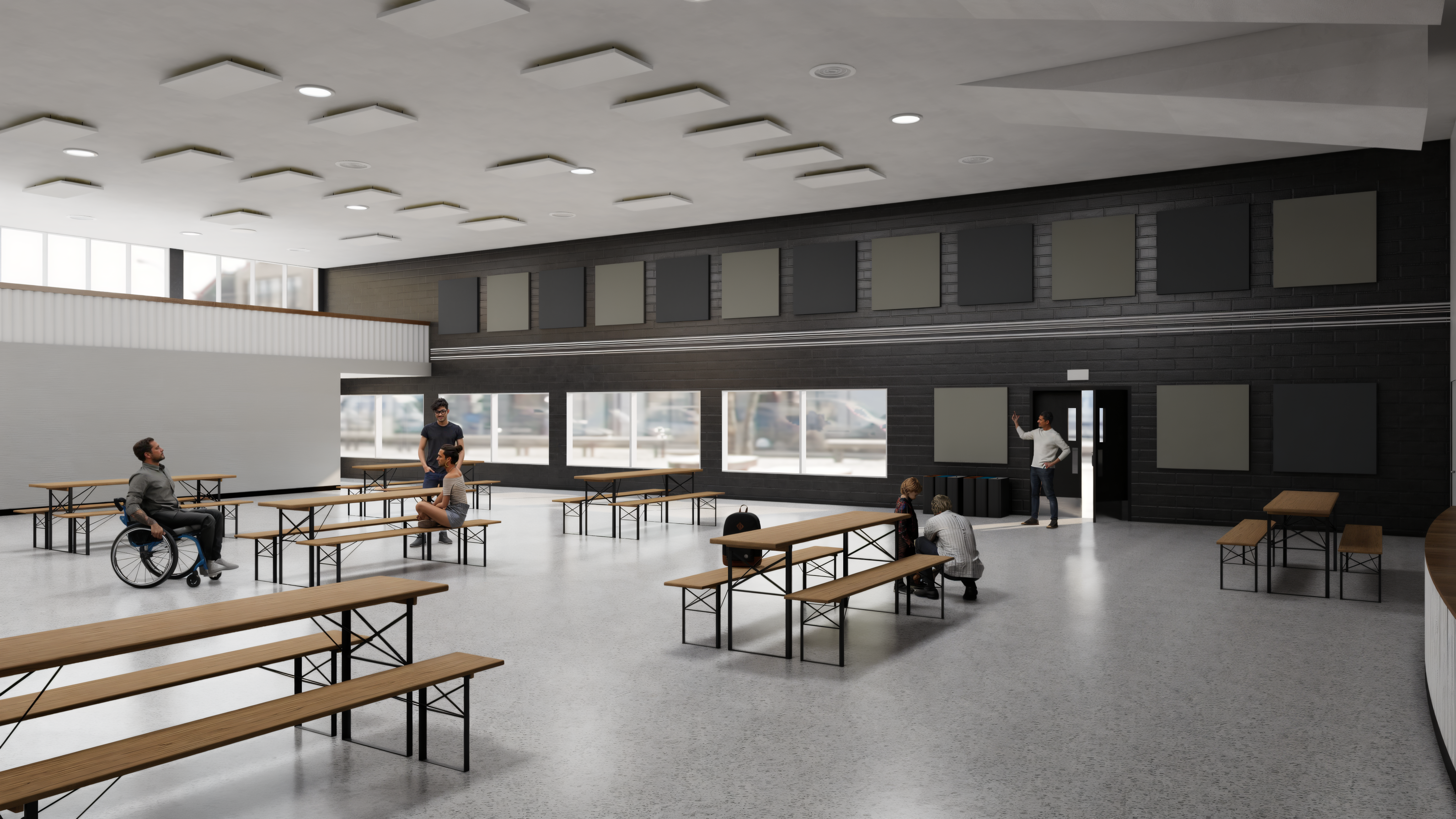
Designing for the senses—both seen and heard—is the hallmark of the next generation of architecture. It is an acknowledgment that a space should not just look good; it must feel right. By embracing texture as both a design element and a sonic tool, we can build environments that are not only beautiful but truly human-centric, creating a lasting impact on how we live, work, and interact.