In the rapidly evolving landscape of the smart home, Amazon has long been the dominant architect of the domestic digital assistant. However, for all the success of the Echo line, the wall-mounted Echo Show 15—introduced in 2021—left a significant gap in performance that power users and audiophiles were quick to notice. Today, Amazon is looking to bridge that divide with the launch of its most ambitious smart display to date: the Echo Show 21.
By scaling up its flagship wall-mountable concept and retrofitting the Echo Show 15 with a suite of long-awaited internal upgrades, Amazon is positioning these devices not just as digital photo frames or kitchen timers, but as legitimate hubs for the modern connected home.
Main Facts: The New Heavyweights of the Smart Home
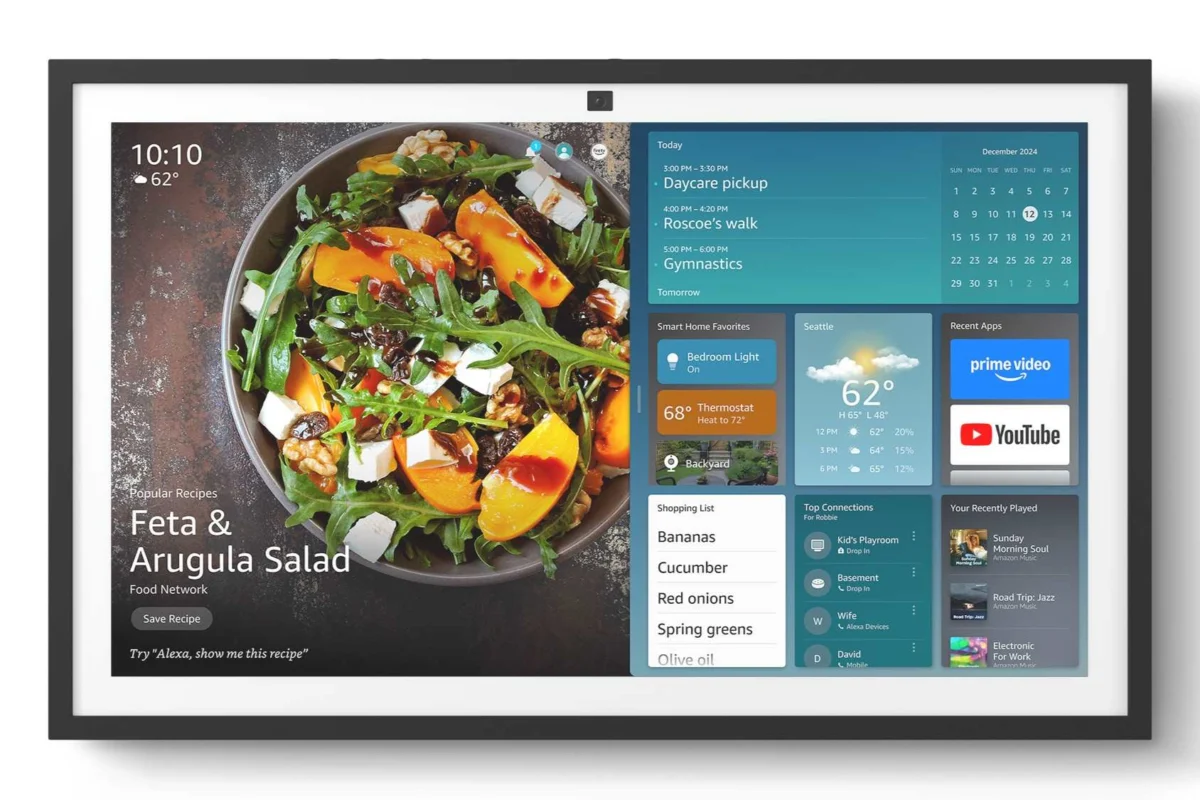
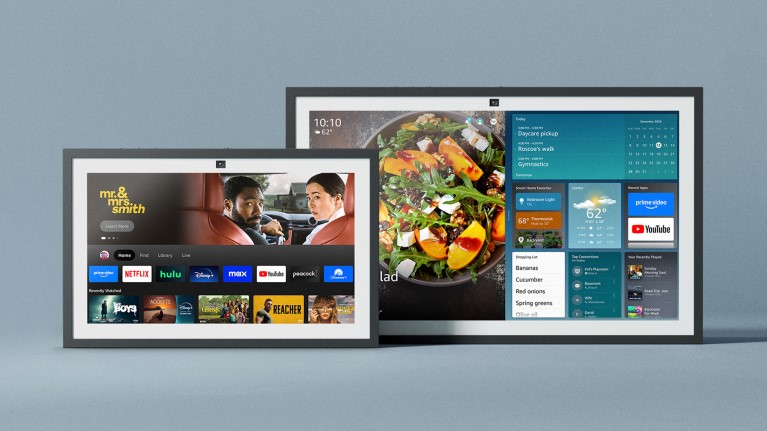
The headline announcement is the introduction of the Echo Show 21, a massive 21-inch smart display designed for those who want their Alexa experience to take center stage. Retailing at $399.99, the Echo Show 21 is joined by a refreshed version of the original Echo Show 15, which receives a price tag of $299.99.
While the physical footprint of the Echo Show 21 is its most striking feature, the true story lies in the "under-the-hood" improvements. Both units now feature:
- Enhanced Audio Architecture: Amazon has integrated twin 2-inch woofers designed to deliver double the bass output of the previous generation.
- Room Adaptation Technology: Utilizing sophisticated software, these displays analyze the acoustics of the surrounding environment to tune audio output for clarity and depth.
- Matter and Thread Support: Both displays now feature built-in Zigbee and Thread radios, effectively transforming them into full-fledged Matter smart home hubs.
- Connectivity Upgrades: These are the first Echo devices to utilize Wi-Fi 6E, ensuring high-bandwidth stability for video conferencing and 4K streaming.
- Improved Camera Optics: An updated auto-framing camera boasts double the field of view and a 65% increase in zoom capability, paired with new noise-reduction algorithms for cleaner video calls.
A Chronology of the Echo Show Evolution
To understand the significance of the Echo Show 21, one must look back at the trajectory of Amazon’s hardware strategy.
2017: The Birth of the Show
The original Echo Show was a novel concept: a smart speaker with a screen. It was small, functional, and largely experimental. It focused on basic tasks like setting timers, showing weather forecasts, and managing simple to-do lists.
2021: The Wall-Mounted Paradigm Shift
The release of the Echo Show 15 represented a pivot toward "home decor" technology. Designed to be mounted on a wall like a piece of art or a digital bulletin board, it introduced the "widgets" interface. It was aimed at families, focusing on shared calendars, chore lists, and ambient visual information. While praised for its utility, it was criticized for lackluster sound quality and a lack of advanced smart home radio integration.

2022–2023: The Feedback Loop
Following the 2022 review cycle, critics—including those at TechHive—noted that the Echo Show 15 felt incomplete. The absence of a built-in Zigbee hub made it less useful than its smaller, cheaper cousins like the Echo Show 10, which could act as a local controller for smart bulbs and sensors. The audio quality was described as "thin," rendering it inadequate for music playback or high-quality video streaming.
2024: The Maturity Phase
Amazon’s latest reveal acknowledges these criticisms. By integrating the hub functionality and dramatically improving the audio/visual specs, the company has shifted its focus from merely "smart" to "high-performance."
Supporting Data: Why Size and Specs Matter
The market for smart displays is currently bifurcated. On one side, you have utility-focused devices like the Skylight Calendar Max, a 27-inch behemoth that focuses strictly on organization and scheduling. While the Skylight is larger than the Echo Show 21, it is a single-purpose device—it lacks a camera and speakers, effectively disqualifying it from the "multimedia hub" category.
Amazon’s data suggests that users are increasingly using these displays for media consumption. With the inclusion of support for Fire TV apps—including YouTube, Paramount+, Peacock, and Max—the Echo Show 21 is essentially a kitchen-bound smart TV. The decision to maintain a 1080p resolution on a 21-inch screen, while perhaps not "retina" quality, ensures compatibility with the vast ecosystem of Fire TV streaming services, which are optimized for Full HD.
Furthermore, the integration of Wi-Fi 6E is not just a marketing bullet point. As smart homes become more congested with connected devices, the move to the 6GHz band reduces latency and prevents the "stutter" often associated with streaming high-definition video in busy network environments.
Official Responses and Strategic Vision
Amazon representatives have emphasized that these devices are designed to be the "central nervous system" of the home. In statements provided at the launch, the company highlighted that the new "room adaptation" technology is a response to user feedback regarding the difficulty of placing smart speakers in open-concept kitchens or hallways, where acoustics are rarely ideal.
Regarding the move to include Thread and Zigbee radios, Amazon has positioned this as a commitment to the Matter protocol. By removing the need for external hubs to control Zigbee-based smart lights or door locks, Amazon is lowering the barrier to entry for users who want a robust smart home without the technical headache of managing multiple bridges and controllers.
Implications for the Smart Home Market
The release of the Echo Show 21 has several ripple effects for consumers and competitors alike.
1. The Death of the Dedicated Hub?
With the Echo Show 21 and 15 acting as full Matter hubs, the requirement for separate, proprietary bridges is rapidly diminishing. For consumers, this simplifies the ecosystem. For the industry, it signals that the smart home is moving toward a platform-agnostic future where the display on your wall is the only hardware you need to manage your home.
2. High-End Kitchen Tech
The price point of $399.99 for the 21-inch model signals a move into premium territory. This is no longer an impulse purchase. Amazon is betting that consumers are willing to invest in high-end appliances that double as communication hubs. The available "premium" counter stand, priced at $99.99, and the optional decorative frames ($34.99) suggest a product line that is competing with high-end picture frames and home decor rather than just budget electronics.
3. The Future of Video Communication
The enhanced auto-framing and noise-reduction technology suggest that Amazon sees the smart display as a viable alternative to the PC or smartphone for family video calls. By providing a "set-and-forget" camera system that follows the user as they move through the kitchen or living room, Amazon is attempting to replace the frustration of handheld video chatting with a more natural, ambient experience.
Final Thoughts: A Waiting Game
While the specifications of the Echo Show 21 look promising on paper, the true test will be in daily application. Can the audio quality truly stand up to a dedicated bookshelf speaker? Is the interface smooth enough to handle complex multitasking? And, perhaps most importantly, does the 21-inch display feel like a seamless part of the home, or does it feel like a giant, intrusive screen?
Amazon has undoubtedly addressed the technical shortcomings of the previous generation, but the success of the Echo Show 21 will ultimately depend on how well these features coalesce into a user experience that justifies its premium price. As we prepare for our comprehensive, hands-on review, the initial outlook is clear: Amazon is no longer just playing in the smart display market; they are attempting to redefine the scale and the standard of what a home assistant should be.
Whether the Echo Show 21 becomes the heart of your home or just another screen to manage remains to be seen, but one thing is certain—Amazon is betting big that bigger is indeed better.