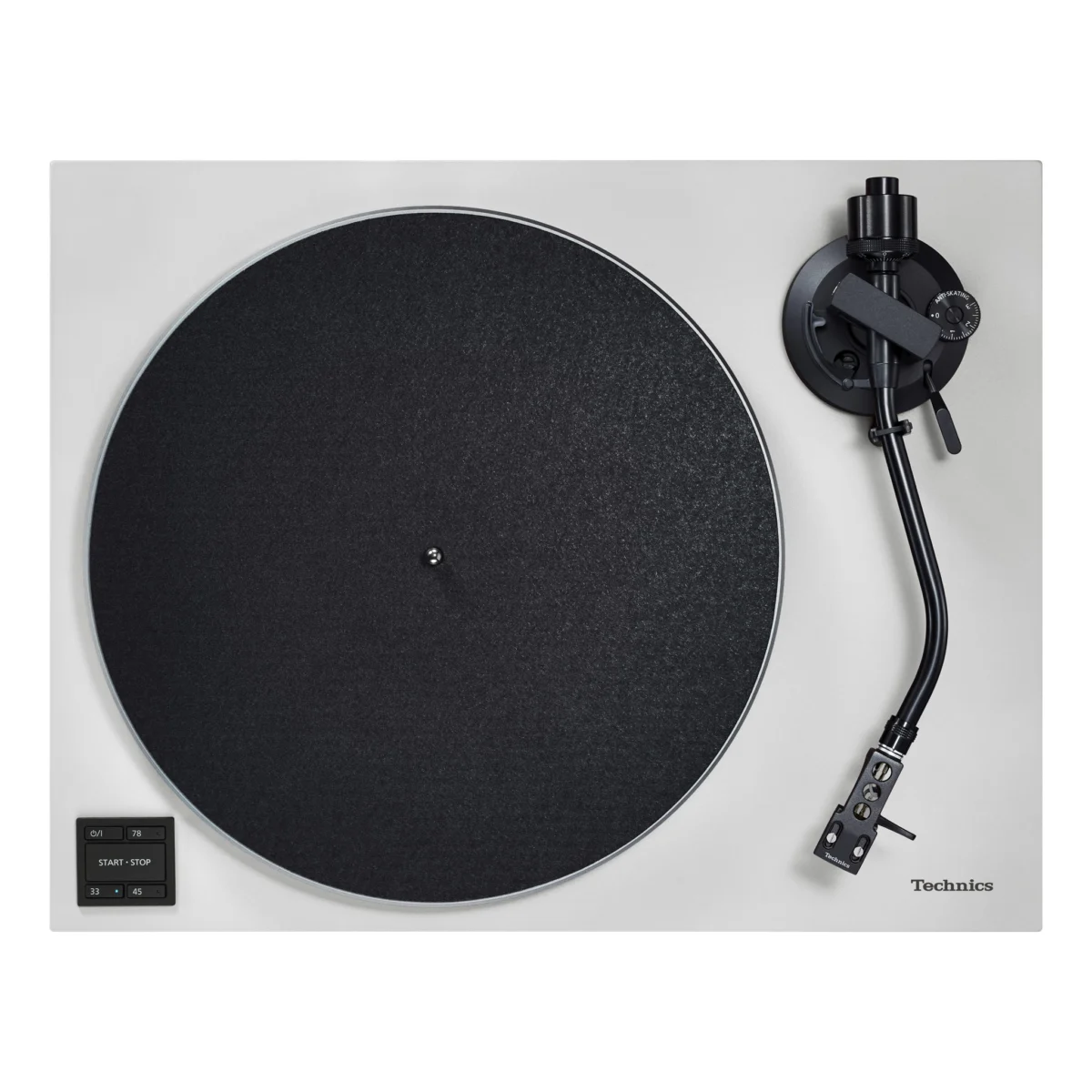
For decades, the term "bargain turntable" has been treated with well-earned skepticism by the audiophile community. The prevailing wisdom suggested that analog playback—a process defined by mechanical precision, the microscopic navigation of vinyl grooves, and the complex amplification of sub-millivolt signals—was an expensive endeavor. To build a turntable that could truly capture the soul of a record while maintaining an entry-level price point was widely considered an oxymoron.
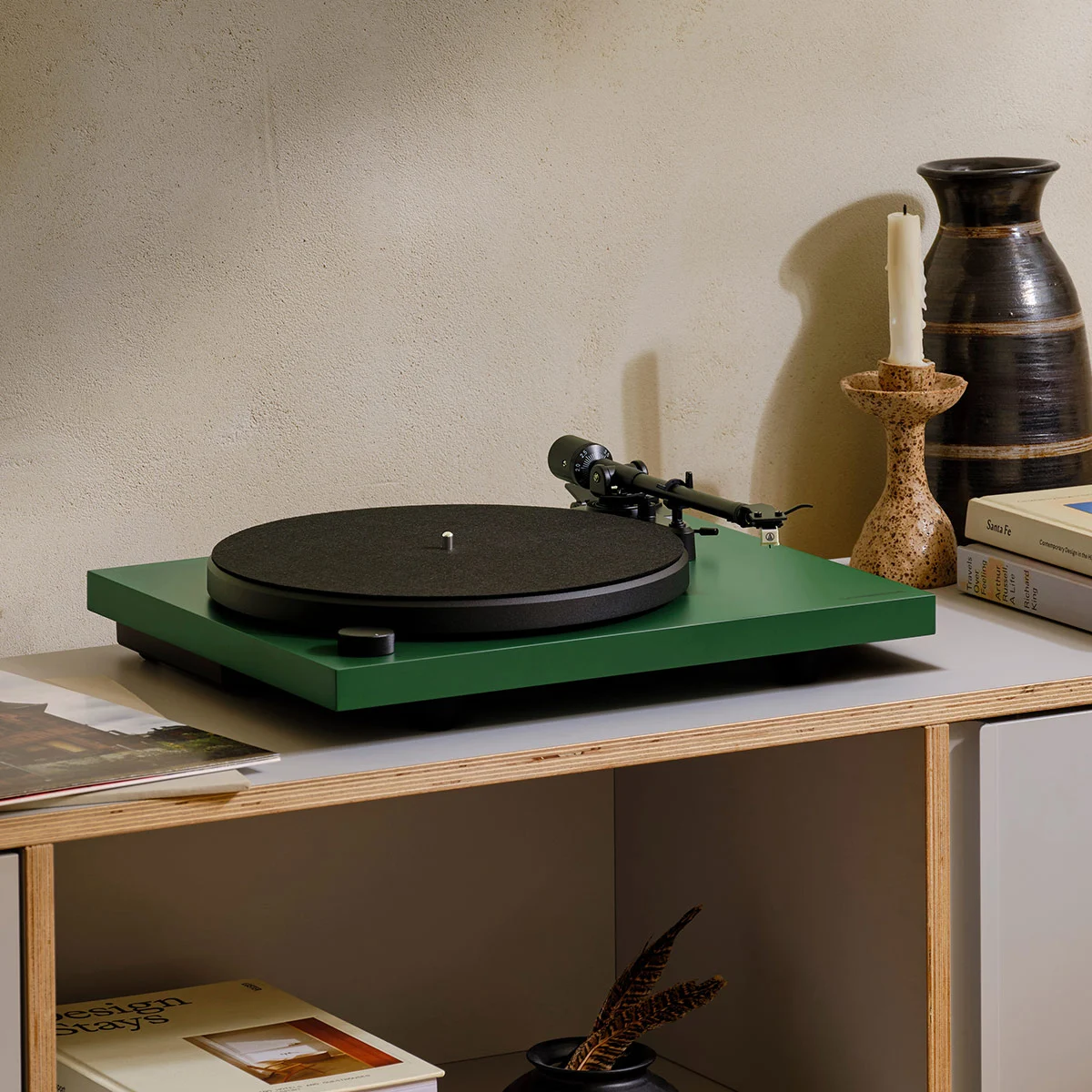
The Technics SL-50C Direct Drive Turntable has not only challenged this assumption; it has effectively dismantled it. At an MSRP of $899, including a factory-fitted cartridge, tonearm, and an integrated phono stage, the SL-50C arrives as a disruptive force. After rigorous testing, it is clear that this unit provides an analog experience that rivals rigs costing nearly ten times its price.

Main Facts: Engineering an Audiophile Bargain
The Technics SL-50C is a masterclass in trickle-down engineering. By utilizing the same coreless direct-drive motor technology found in the more premium SL-1500C and SL-1200MK7 models, Technics has ensured that the fundamental rotation of the platter is rock-solid.
Technical Specifications at a Glance
- Motor: Brushless DC Coreless Direct Drive
- Wow and Flutter: 0.025% W.R.M.S.
- Speeds: 33-1/3, 45, and 78 RPM (78.26 RPM for North American standard)
- Cartridge: Ortofon 2M Red (Pre-mounted)
- Dimensions: 16-59/64" x 5-1/32" x 13-57/64"
- Connectivity: Phono (RCA) with ground terminal and Line (RCA)
The inclusion of the Ortofon 2M Red cartridge is perhaps the most significant indicator of Technics’ commitment to value. In an industry where entry-level decks are often bundled with "throwaway" cartridges, the Ortofon 2M Red is a legitimate, high-performance transducer. By prioritizing the cartridge—the literal "tires" of the analog car—Technics has ensured that the entire system starts from a place of high fidelity.

A Chronology of the User Experience
The journey with the SL-50C begins with a surprisingly effortless assembly process. Unlike many high-end decks that require hours of calibration, the SL-50C is designed for the modern listener.
- Unboxing and Assembly: Out of the box, the unit requires minimal intervention. The user attaches the pre-mounted headshell to the bayonet mount, installs the counterweight, seats the platter, and attaches the dustcover.
- Calibration: Following the manufacturer’s instructions, the user balances the tonearm and sets the tracking force to 1.8g. While more experienced users might reach for a protractor, the factory settings are remarkably precise.
- The First Spin: Upon pressing the start button, the motor reaches 33-1/3 RPM in just 0.7 seconds. The stability is immediate, with the digital-controlled motor maintaining pitch with unerring accuracy.
- Long-Term Listening: Initial sessions reveal an immediate sense of "aliveness." Over time, however, the listener may notice the limitations of the internal phono stage, prompting the consideration of an outboard upgrade.
Supporting Data: Performance Under Pressure
To evaluate the SL-50C, we subjected it to a variety of sonic tests, ranging from complex jazz compositions to high-energy rock.

The "Feast of Wire" Test
Calexico’s Feast of Wire served as the primary benchmark. On "El Guero Canelo," the track’s signature distorted, "squawk box" vocals often lose clarity on lesser systems. The SL-50C maintained impressive separation, keeping the vocals distinct from the instrumental layering. While it lacked the absolute microscopic detail extraction of an $8,000 reference rig, it maintained the essential rhythm and pace of the music.
Dynamic Drive and Energy
The B-52’s MoFi pressings provided the perfect test for dynamic range. The SL-50C delivered the infectious, driving energy that these albums demand. The bass, while not as deeply extended as a reference system, was punchy and tight. The soundstage, though slightly flatter in depth, offered a wide, inviting presentation that made the music feel immediate rather than clinical.

The Phono Preamp Variable
During our testing, we identified a minor, yet discernible, harshness in the upper midrange during extended listening sessions. To isolate the cause, we bypassed the internal phono stage in favor of a high-quality external unit (Rogue RP-1). The result was transformative; the fatigue vanished, replaced by the effortless, fluid sound characteristic of world-class analog. This confirms that the SL-50C’s core chassis and tonearm are capable of much higher performance than the entry-level internal electronics suggest.
Official Perspectives and Design Philosophy
The design philosophy behind the SL-50C is one of "accessible excellence." Technics has clearly listened to the complaints of entry-level audiophiles who felt priced out of the hobby. By utilizing a standard bayonet mount for the headshell, the manufacturer has ensured that users are not locked into a proprietary ecosystem.

The plinth, constructed from high-quality MDF with a sophisticated lacquer finish, provides a sturdy, vibration-resistant base. The inclusion of an easily removable hinged dustcover is a rare luxury at this price point, further cementing the unit’s value proposition. The choice of fixed VTA (Vertical Tracking Angle) is a design decision clearly aimed at simplification; while it limits the ability to experiment with specialized high-end styli, it prevents the novice user from misaligning their system.
Implications for the Audio Industry
The introduction of the Technics SL-50C has significant implications for the market.

1. The Death of the "Starter Deck" Stigma
For years, the "starter deck" was a gateway to frustration—poor tracking, high wow and flutter, and lackluster cartridges that damaged records. The SL-50C proves that a manufacturer can provide a high-performance experience without the "hazing" of poor audio quality. It sets a new benchmark for what consumers should demand at the $800–$1,000 price point.
2. A Future-Proof Investment
Because the SL-50C allows for the easy upgrading of the cartridge and the bypass of the internal phono stage, it functions as a "living" system. A consumer can purchase the SL-50C today and, over the next five years, upgrade their cartridge and external amplification, potentially turning this $899 deck into the centerpiece of a multi-thousand-dollar system.

3. The Return of Analog Utility
Technics has successfully married the convenience of digital-era plug-and-play electronics with the romanticism of analog engineering. By keeping the speed control fixed and the setup standardized, they have removed the "gatekeeping" aspect of vinyl playback.
Conclusion
The Technics SL-50C is more than just a piece of hardware; it is a vital entry point into the world of high-fidelity audio. While it possesses minor limitations—most notably in the internal phono stage and a somewhat abrupt tonearm lift—these are vastly overshadowed by its core strengths.

For the listener looking to transition from streaming to vinyl, or for the seasoned audiophile seeking a reliable, high-performing secondary rig, the SL-50C is an unequivocal triumph. It captures the aliveness, the presence, and the sheer joy of analog playback in a package that is as aesthetically pleasing as it is sonically impressive. At $899, it is not merely a good deal—it is arguably the most significant value currently available in the audio hobby. If you are looking to get hooked on the analog bug, the Technics SL-50C is where your search should begin and, quite possibly, end.