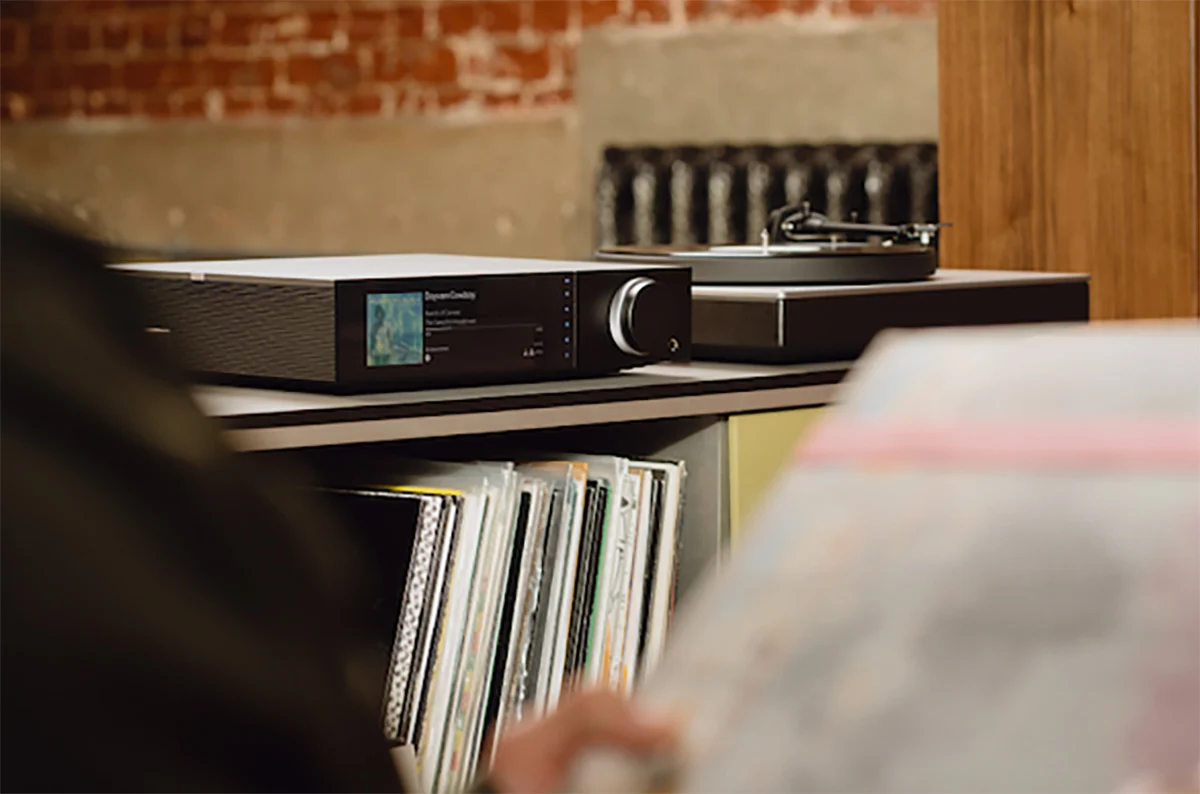
In the rapidly shifting landscape of modern high-end audio, the convergence of convenience and uncompromising performance has become the "holy grail" for manufacturers. Today, the industry sees a significant milestone with the launch of the Evo 300, a premium streaming amplifier that promises to bridge the gap between audiophile-grade engineering and the seamless, app-driven lifestyle of the 21st century. By combining 300 watts of raw power with the sophisticated StreamMagic platform, the Evo 300 aims to redefine what an "all-in-one" system can achieve.
Main Facts: The Anatomy of the Evo 300
The Evo 300 is not merely an incremental update; it is a fundamental rethinking of how a home audio hub should function. At its core, the device is designed to provide "effortless scale, wide dynamics, and deep, controlled bass." With 300 watts of power, it is built to drive even the most demanding floor-standing loudspeakers without breaking a sweat.
However, the headline figure is not just its power output. The engineering team behind the Evo 300 emphasizes that their primary goal was "composure." To achieve this, the device is constructed with a true dual-mono architecture from the ground up. By ensuring that the left and right channels are completely independent, the designers have eliminated crosstalk and interference, allowing for a soundstage that is both wider and more precise than previous iterations.
Key technical specifications include:
- Power Output: 300 watts of carefully engineered amplification.
- DAC Integration: A reference-grade ESS Sabre ES9038Q2M DAC, ensuring bit-perfect playback from digital sources.
- Pre-amplifier Stage: A balanced design intended to protect low-level signal detail before it reaches the power stage.
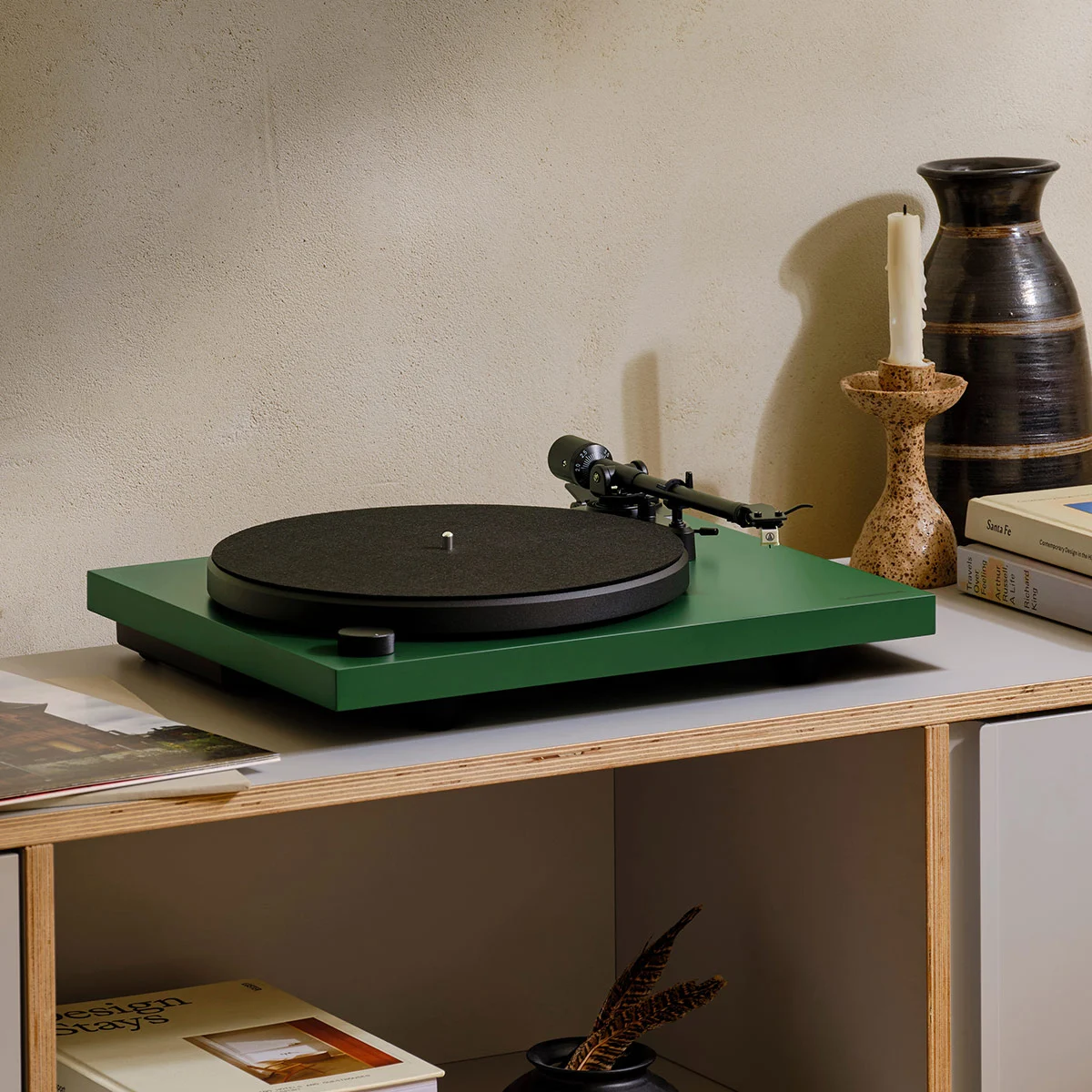
- Connectivity: A versatile hub that supports streaming, vinyl playback (via external phono stages), and direct TV connectivity.
- Software Ecosystem: Powered by the award-winning StreamMagic platform.
A Chronology of Audio Convergence
The journey toward the Evo 300 began years ago, as the audio market observed a distinct bifurcation. On one side, consumers were gravitating toward portable, wireless smart speakers that prioritized convenience over fidelity. On the other, the traditional audiophile market remained anchored to complex, rack-mounted stacks of separate components—pre-amps, power amps, streamers, and DACs—which, while sonically superior, were often cumbersome and intimidating to the average music lover.
The Early Phase: The Rise of Streaming
The first wave of high-end streaming audio focused on functionality. Manufacturers integrated basic network connectivity into existing amplifier chassis. While these early attempts were successful in bringing Spotify or Tidal to home systems, they often compromised on the "analog" warmth and power-delivery capabilities that high-end listeners demanded.
The Middle Phase: The StreamMagic Breakthrough
The development of the StreamMagic platform served as the foundational building block for the Evo series. By internalizing the software development process, the engineering team was able to create a user experience that felt native, fast, and stable. This period saw the company refining its digital-to-analog conversion techniques, leading to the current implementation of the ESS Sabre reference chips.

The Present: The Evo 300 Era
With the Evo 300, the focus has shifted from "can we make it stream?" to "can we make it perfect?" The current release represents the culmination of a multi-year effort to refine the dual-mono power path. By moving the Evo series into the 300-watt category, the manufacturer has signaled its intent to cater to the high-end speaker market, effectively moving the "lifestyle" audio category into the serious high-fidelity domain.
Supporting Data and Technical Architecture
To understand why the Evo 300 occupies a unique position in the market, one must look at the specific hardware choices that distinguish it from its competitors.
The Dual-Mono Advantage
In many integrated amplifiers, the power supply and amplification stages for both channels are shared, which can lead to "intermodulation distortion" when one channel is pushed harder than the other. By adopting a dual-mono design, the Evo 300 ensures that the power rails and signal paths are physically and electrically separated. This minimizes the impact of high-transient passages in one channel on the performance of the other, resulting in that "effortless" sound quality noted by the developers.
The Role of the ESS Sabre DAC
The choice of the ESS Sabre ES9038Q2M is telling. This chip is widely regarded as a benchmark for clarity, dynamic range, and low distortion. By integrating a reference-grade DAC into the chassis, the Evo 300 eliminates the need for an external DAC, which historically was a point of signal degradation. This direct-path approach—from the streaming data to the DAC, and finally to the balanced pre-amplifier—preserves the original intent of the recording.
Versatility as a Technical Feature
While many audiophiles prefer separate components for "purity," the Evo 300 counters this by reducing cable-length interference. By housing the pre-amplifier, streamer, and power amplifier in a single, shielded chassis, the device reduces the potential for electromagnetic interference (EMI) that often occurs when running long interconnect cables between separate units.
Official Responses and Industry Reception
In a recent technical demonstration, the manufacturer’s Community Manager, Liam, provided an in-depth walkthrough of the Evo 300’s capabilities. The consensus within the company’s internal testing labs is that the Evo 300 represents the most "composed" amplifier they have ever created.
"We did not set out to build our most powerful amplifier," the company stated in its official press release. "We set out to build our most composed one."

This distinction is crucial. It highlights a move away from the "wattage wars" that defined mid-century audio marketing, toward a philosophy of refined performance. The reception from early beta testers and industry reviewers suggests that the product successfully satisfies the modern listener’s demand for a "plug-and-play" system that does not sacrifice the nuances of high-resolution audio. The ability to integrate a TV—a common pain point for high-end audio enthusiasts—further positions the Evo 300 as a central nervous system for the modern living room.
Implications for the Future of High-End Audio
The launch of the Evo 300 has significant implications for the future of the home audio industry.
The Death of the "Rack"
The most immediate implication is the shrinking footprint of the traditional audio rack. As high-performance components become more efficient and capable of integration, the need for large, heat-generating stacks of equipment is rapidly diminishing. This allows high-end audio to exist in smaller living spaces, apartments, and modern homes where minimalist aesthetics are prioritized.
The Democratization of Fidelity
Historically, achieving "audiophile" sound required deep knowledge of component matching (e.g., matching the impedance of an amp to a specific speaker). The Evo 300 simplifies this by providing a robust, high-current platform that can drive a wide variety of speakers with confidence. This effectively lowers the barrier to entry for music lovers who want high-fidelity sound without needing a degree in electrical engineering.
The Streaming-First Paradigm
Finally, the Evo 300 underscores the reality that streaming is no longer an "add-on" feature; it is the primary source of music for the vast majority of listeners. By centering the product around the StreamMagic platform, the manufacturer is acknowledging that the user experience—the app, the interface, and the ease of switching between services—is just as important as the THD (Total Harmonic Distortion) rating of the amplifier.
In conclusion, the Evo 300 is a testament to the fact that convenience and performance are no longer mutually exclusive. By marrying 300 watts of controlled power with a sophisticated digital architecture, the Evo 300 stands as a formidable contender in the premium streaming amplifier market. For the audiophile who wants the complexity of a separates system with the simplicity of a single box, the music has indeed been waiting for this.