Main Facts
Universal Music Group’s global catalogue division, UMe, has announced the latest addition to its critically lauded Vinylphyle audiophile record series: The Velvet Underground’s self-titled 1969 masterpiece, The Velvet Underground.
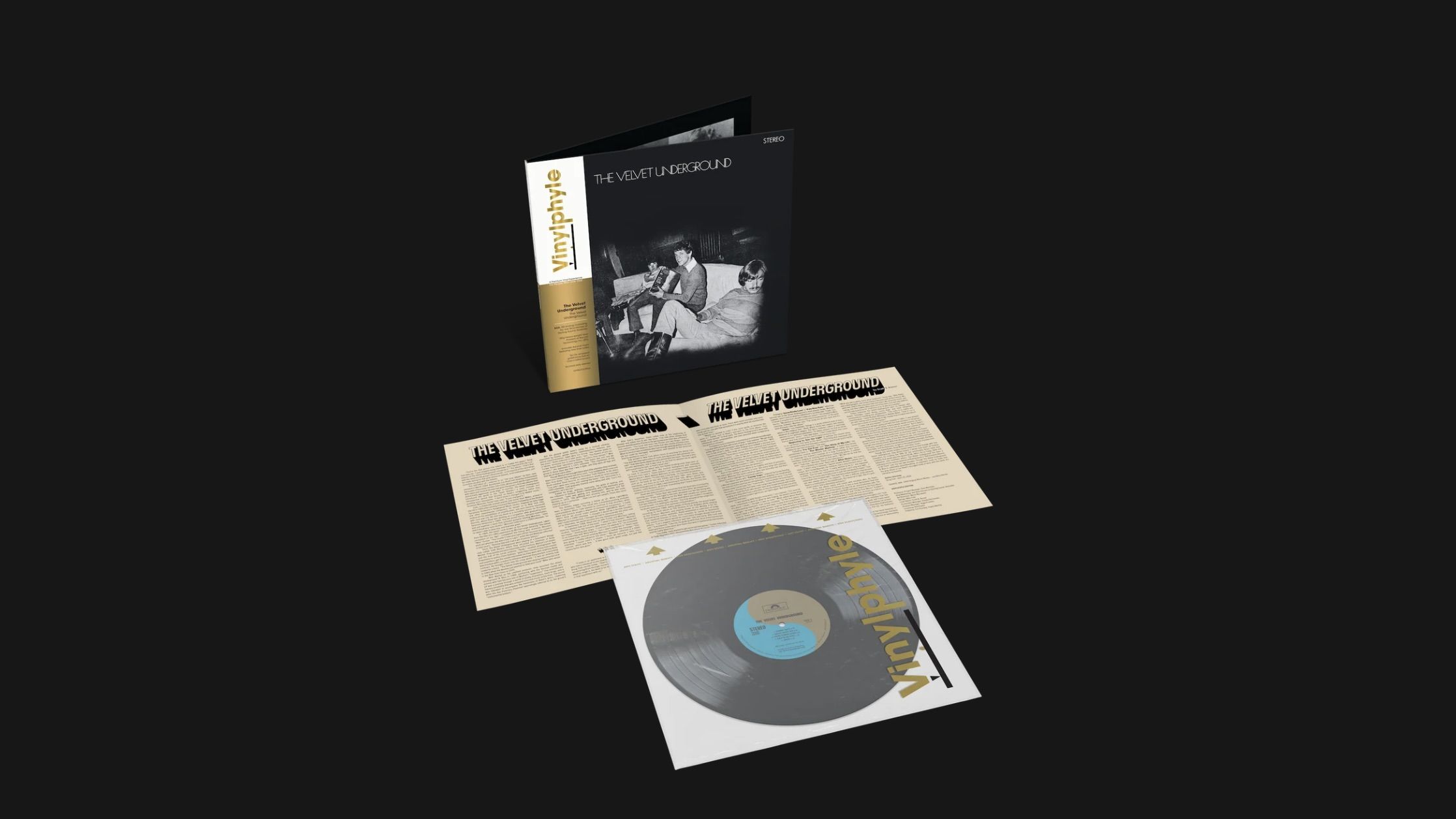
Designed specifically for discerning vinyl enthusiasts, this new premium release features all-analog mastering executed by an elite team of contemporary vinyl-cutting engineers. The album is pressed onto heavyweight 180-gram black vinyl at the renowned Record Technology Inc. (RTI) pressing plant in Camarillo, California, ensuring a pristine acoustic floor and exceptional groove tracking.
Significantly, this edition treats purists to Lou Reed’s original "Closet Mix"—the distinct mix that defined the very first pressings of the album upon its release in March 1969. The physical package matches the aural care: the record is housed in a deluxe tip-on gatefold jacket accompanied by a four-panel insert. This insert contains high-resolution scans of the original source-recording tape boxes alongside newly commissioned, comprehensive liner notes written by Grammy nominee and esteemed rock historian Scott B. Bomar.
The Vinylphyle edition of The Velvet Underground is currently available for pre-order exclusively via uDiscover Music, retailing at $40 USD, with international shipping options available. Physical dispatch and official street dates are scheduled for September 24.
Chronology: The Evolution of a Quiet Revolution
To understand the weight of this new analog release, one must trace the timeline of The Velvet Underground—both its creation in the turbulent late 1960s and its subsequent path through the vinyl renaissance of the 21st century.
1968–1969: The Shift from Avant-Garde to Introspection
Before recording their third studio album, The Velvet Underground underwent a massive seismic shift. Following the abrasive, feedback-drenched chaos of 1968’s White Light/White Heat, founding member John Cale departed the group due to creative friction with primary songwriter Lou Reed.
With multi-instrumentalist Doug Yule stepping into the fold, the band dramatically recalibrated their aesthetic. Trading avant-garde sonic terrorism for pastoral, acoustic-driven introspection, the newly configured quartet retreated to Mystic Sound Studios in Hollywood, California, toward the end of 1968.
Upon completion, Lou Reed personally prepared a mix of the record intended to give the instruments an intimate, direct feel—often referred to by collectors and historians as the "Closet Mix." However, MGM records famously botched initial distribution, and subsequent pressings utilized Val Valentin’s alternate "Metro Mix," making early pressings of the Closet Mix a holy grail for collectors.
November 2025: The Birth of UMe’s Vinylphyle
Universal Music Group launched the Vinylphyle series—billed as "a premium vinyl experience for people who love vinyl"—aimed at bridging the gap between archival musicology and high-end audiophile performance. The inaugural wave debuted four legendary titles that showcased the breadth of UMG’s vast historical vaults:
- The Velvet Underground & Nico (The band’s Andy Warhol-emblazoned 1967 debut)
- Bob Marley & The Wailers’ Exodus
- The Band’s Northern Lights-Southern Cross
- Nat King Cole’s perennial seasonal standard The Christmas Song
September 2026: Deepening the Catalog
Building upon the success of the initial wave, UMe is expanding the Vinylphyle imprint deeper into the Velvet Underground catalog. By revisiting the self-titled 1969 third album, the label is directly addressing audiophile demands for historically accurate, all-analog pressings of records that previously suffered from variable mastering quality during the CD era and early digital revivals.
Supporting Data: Specifications and Technical Breakdown
For high-fidelity enthusiasts, the specifications of a vinyl release dictate its ultimate playback success. UMe’s Vinylphyle series approaches manufacturing with strict quality-control metrics:
- Mastering Chain: 100% Pure Analog (AAA) transfer from original master tapes to lacquer. No digital intermediate steps (DAD or PCM) are utilized in the cutting process.
- Vinyl Weight: 180-gram virgin black vinyl, formulated to reduce inner-groove distortion, warp susceptibility, and surface resonance.
- Pressing Plant: Record Technology Inc. (RTI), universally recognized among audiophiles for low-noise floors, flat discs, and pristine center-hole punching.
- Packaging Details: Premium tip-on gatefold jacket (heavyweight cardboard wrapped in slick paper, mimicking vintage 1960s luxury packaging) with a specialized four-panel insert.
- Archival Material: High-resolution photographic reproductions of the original session tape boxes, complete with engineer notes and catalog markings.
- Pricing & Availability: $40 USD, available via uDiscover Music with standard domestic and international shipping options ahead of the September 24 release date.
Tracklist & Acoustic Highlights of the "Closet Mix"
The self-titled album marked the moment Lou Reed’s lyrical vulnerability took center stage, highlighted by timeless cuts that benefit immensely from the Vinylphyle mastering treatment:
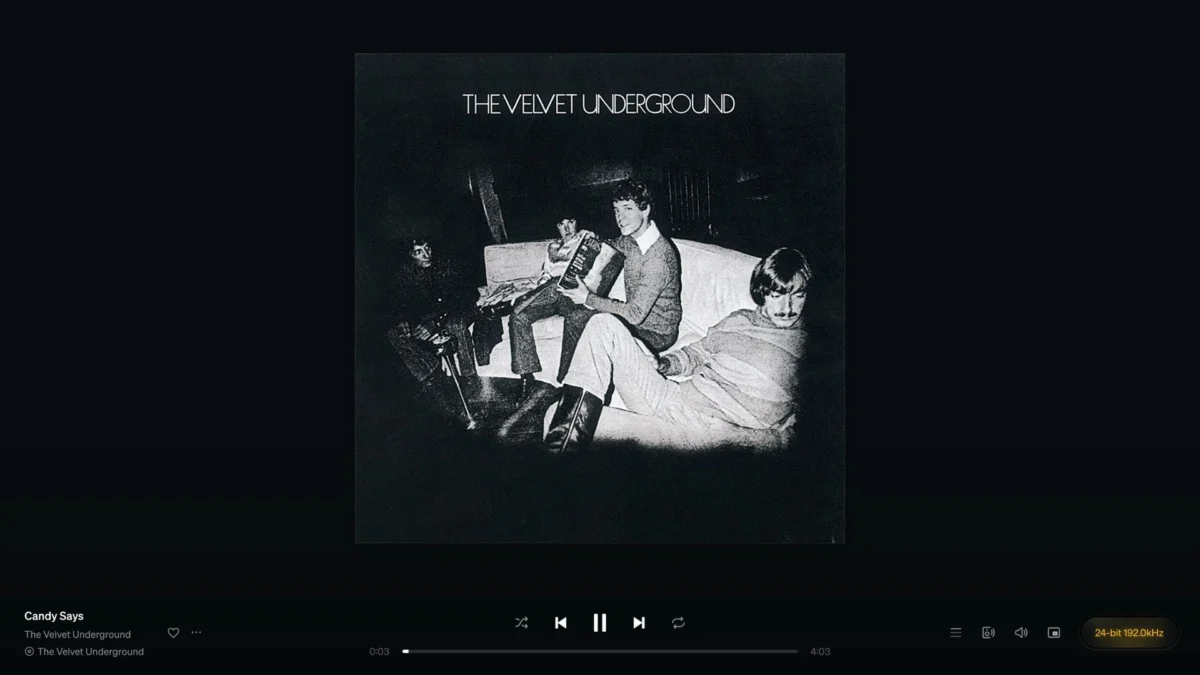
- "Candy Says" – Sung delicately by Doug Yule, setting a fragile, melancholic tone.
- "Pale Blue Eyes" – One of Reed’s most celebrated, heartbreaking compositions, driven by gentle acoustic strums and subtle organ swells.
- "Jesus" – A soulful, pleading ballad that showcases the band’s newfound affinity for spiritual warmth.
- "Starting Over" and "Beginning to See the Light" – Upbeat, rhythm-forward tracks where Moe Tucker’s minimalist percussion shines through with enhanced dynamic range.
Official Responses and Industry Context
Executives at Universal Music Group and music historians have praised the direction of the Vinylphyle series as a vital bridge between historical preservation and modern physical-media demand.
Scott B. Bomar, the Grammy-nominated rock historian and author of the release’s new liner notes, emphasized the historical importance of the record in promotional statements:
"The 1969 self-titled album is where The Velvet Underground proved they didn’t need a sonic arsenal of feedback and noise to change the course of rock history. Stripping things back revealed a songwriting genius in Lou Reed that changed the trajectory of alternative music forever. Hearing it through this analog pipeline brings us closer to the room where it happened than anything since the original 1969 pressings."
Industry analysts note that high-end vinyl reissues have experienced an exponential surge in market viability. While casual listeners have largely migrated to streaming services, dedicated collectors and audiophiles are increasingly willing to pay a premium—such as the $40 price tag commanded by Vinylphyle—for guaranteed all-analog provenance, heavyweight pressings, and high-quality archival packaging.
Implications: What This Means for Audiophiles and Music Collectors
The announcement of The Velvet Underground joining the Vinylphyle roster carries several significant implications for the contemporary music market and physical media preservation:
1. The Validation of All-Analog (AAA) Pressings
In an era where digital files are frequently up-resed and marketed as "audiophile vinyl," UMe’s strict adherence to an all-analog signal path for the Vinylphyle series sets a high benchmark. For collectors who refuse to buy digitally sourced records on wax, this release offers absolute peace of mind regarding sound provenance.
2. Re-Evaluating the Middle Era of The Velvet Underground
While The Velvet Underground & Nico (the "Banana album") and White Light/White Heat traditionally dominate critical discourse regarding the band’s avant-garde edge, the self-titled 1969 album represents their melodic maturation. By giving this specific album the luxury treatment, UMe is steering collector focus toward Reed’s sophisticated songcraft, encouraging a broader appreciation of the band’s entire foundational run.
3. The Ongoing Strength of the Vinyl Renaissance
Despite fluctuating economic conditions, the physical vinyl market continues to find profitability in high-margin, ultra-high-quality niche products. By curating releases like The Velvet Underground for dedicated hi-fi hobbyists, major labels are proving that physical media can survive—and thrive—by catering directly to quality-obsessed consumers who value tactile art objects over ephemeral cloud storage.