In the high-stakes theater of global cybersecurity, the "unpatchable" vulnerability represents the holy grail for state-sponsored actors and digital forensic firms. This week, the landscape for iPhone security shifted as Paradigm Shift, a Barcelona-based offensive cybersecurity firm, publicly disclosed a critical flaw in Apple’s hardware architecture. Dubbed "usbliter8," this vulnerability targets the Boot ROM of older iPhones, effectively creating a permanent gateway for sophisticated entities to bypass the initial layers of Apple’s security apparatus.
While the disclosure does not mean that every iPhone in circulation is suddenly vulnerable to casual hacking, it serves as a stark reminder of the limitations of hardware-based security in an era where digital surveillance is becoming increasingly advanced and, in some cases, privatized.
Main Facts: What is usbliter8?
At its core, usbliter8 is a vulnerability found within the Boot ROM of Apple’s A12 and A13 Bionic chips. The Boot ROM—often referred to as the "root of trust"—is the read-only memory that contains the very first piece of code executed by a device upon power-up. Because this code is burned into the hardware during the manufacturing process, it is immutable; it cannot be updated, patched, or fixed via a software update from Apple.
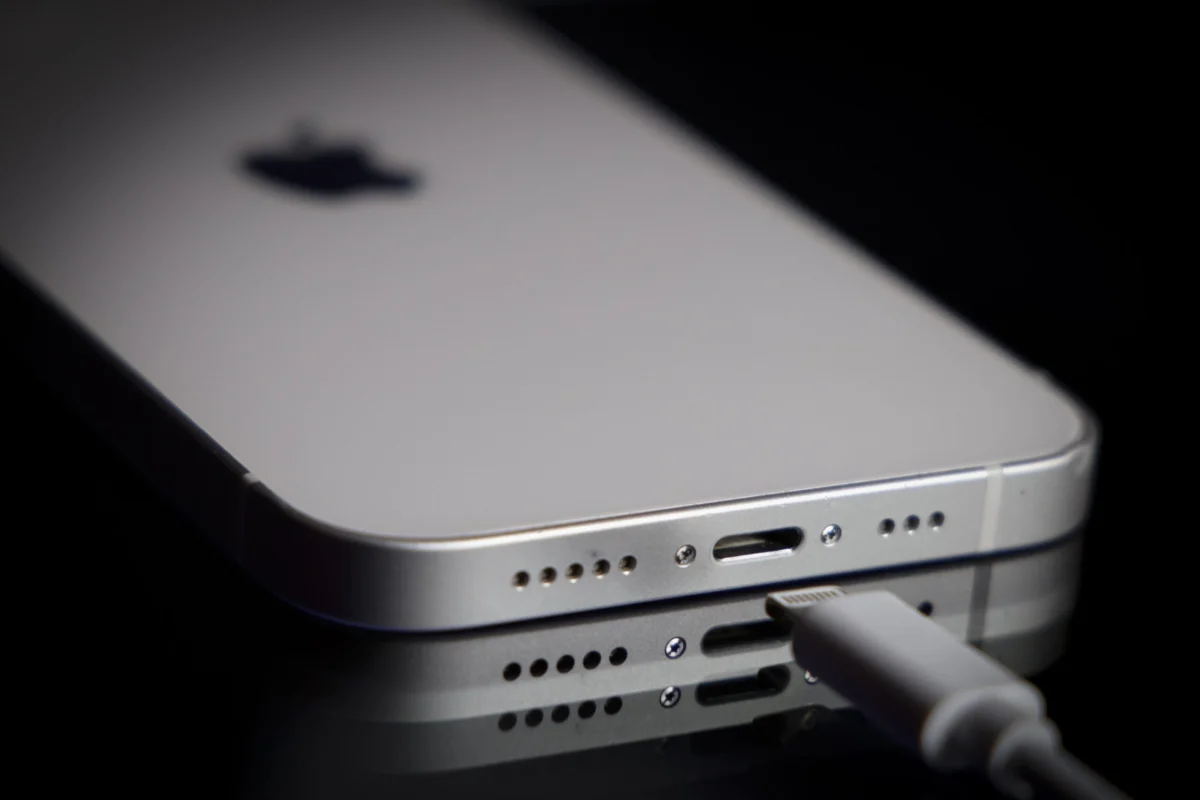
The exploit, which Paradigm Shift has supported with a detailed proof-of-concept, requires physical access to the device. By connecting a compromised machine to the iPhone via a USB cable, a malicious actor can trigger the flaw to bypass the initial security checks that guard the boot process.
The affected hardware spans devices released between 2018 and 2019, most notably the iPhone XS, iPhone XR, and the iPhone 11 series. For the owners of these millions of devices still in active use, the vulnerability represents a permanent security deficit that cannot be resolved through the standard iOS update cycle.
Chronology of the Disclosure
The emergence of usbliter8 did not happen in a vacuum. The security research community has long been aware of the cat-and-mouse game involving hardware-level exploits.
- 2018–2019: Apple releases the A12 and A13 chips, integrating them into the iPhone XS, XR, and 11 lineups. These chips include advanced security features designed to prevent unauthorized code execution during the boot sequence.
- Late 2024–Early 2025: Paradigm Shift, a firm operating out of the burgeoning cybersecurity hub of Barcelona, identifies the vulnerability. Rather than keeping the finding strictly within the private domain of high-end government contractors, the firm decides to publish a technical blog post and a proof-of-concept (PoC).
- January 2025: The firm officially releases the details of "usbliter8." The publication of such research is a significant departure from the standard practice of "responsible disclosure" (reporting to Apple first) or "private sale" (selling the exploit to government agencies for millions of dollars).
- Present Day: The cybersecurity community is now assessing the ripple effects of this disclosure. Security researchers are currently evaluating how this Boot ROM exploit might be "chained" with other software-level vulnerabilities to gain full, unauthorized access to user data.
Supporting Data: The Architecture of the Breach
To understand why usbliter8 is so significant, one must understand the iPhone’s "Secure Boot Chain." When an iPhone starts, the Boot ROM initializes the process, verifying the signature of the next piece of code before passing control. If an attacker can subvert the Boot ROM, they essentially gain control over the foundation of the device’s security architecture.
Paradigm Shift’s disclosure includes the following technical realities:
- Hardware Immutability: Because the flaw resides in the ROM, there is no "Fix" button for Apple. The only mitigation for a user is to upgrade to newer hardware (the A14 chip and beyond), which possesses a different, patched Boot ROM architecture.
- The Chaining Requirement: The exploit on its own is not a "magic key" that unlocks personal photos or private messages. Instead, it is the first domino. To bypass the encryption that protects user data, an attacker would need to chain usbliter8 with additional, undisclosed vulnerabilities within the operating system itself.
- Physical Access Constraints: Unlike remote code execution (RCE) bugs that can be triggered via a malicious link or a text message, usbliter8 requires physical proximity and a wired connection. This limits its utility primarily to law enforcement, border control, or targeted physical espionage operations.
Official Responses and Industry Silence
As of the time of writing, Apple has not issued a formal statement regarding the usbliter8 vulnerability. Given the nature of the exploit—that it is hardware-bound and physically constrained—it is unlikely that the company will offer a patch for the affected devices. Historically, Apple has focused its resources on securing newer hardware, treating the "end-of-life" cycle for older chips as an inevitable reality of hardware engineering.
Paradigm Shift has remained tight-lipped regarding the motivation behind the public release. When approached for comment by industry journalists, the company did not provide further context beyond their original blog post. This silence has fueled speculation within the infosec community. Some argue that by releasing the vulnerability publicly, the company is effectively "burning" an exploit that may have lost its edge against modern security updates, while others suggest it is a strategic move to establish the firm’s reputation in a crowded market of offensive cybersecurity providers.
Implications for Privacy and Law Enforcement
The implications of the usbliter8 disclosure are twofold: one for the average consumer and one for the global intelligence community.
The Consumer Perspective
For the average user holding onto an iPhone 11 or older, the risk profile has changed only marginally. Unless the user is a high-value target for a state actor or someone with the resources to physically seize their device and perform a forensic analysis, their data remains protected by the complex encryption layers of iOS. However, the disclosure serves as a potent reminder that digital longevity has a "security expiration date." As hardware ages, it becomes a more attractive target for researchers and attackers who have the time and tools to map out its permanent flaws.
The Spyware Market
The disclosure complicates the business model of companies like Cellebrite and Magnet Forensics. These firms sell "forensic extraction" tools to government agencies, often relying on exactly this type of Boot ROM exploit to bypass passcodes. By making the technical details of usbliter8 public, Paradigm Shift has democratized access to a methodology that was previously the exclusive domain of expensive, government-contracted forensics firms.
Furthermore, the act of "jailbreaking" or bypassing system restrictions has historically been the precursor to discovering more lucrative vulnerabilities. By providing this tool, Paradigm Shift has essentially lowered the barrier to entry for independent researchers who wish to hunt for further flaws in the Apple ecosystem.
The Future of "Unpatchable" Vulnerabilities
The release of usbliter8 is a case study in the tension between security transparency and offensive utility. In the past, the "Jailbreak" community was vibrant and public, often sharing findings to help improve system security. Today, those same researchers are often incentivized to keep their findings quiet, either to sell them for massive bounties or to utilize them for private surveillance.
Paradigm Shift’s decision to publish the exploit—and their candid advice to "migrate to newer hardware"—highlights a blunt truth in modern computing: security is not just about software patches; it is about the physical integrity of the silicon itself. As we move further into an era where smartphones act as the central repository for human identity, the physical vulnerabilities of the hardware they run on will only become more critical.
For now, the iPhone XS and 11 generation remain functional, powerful devices. But the shadow cast by usbliter8 serves as a permanent, indelible mark on their security record, proving that even the most well-defended digital fortress has a foundation made of stone—and sometimes, that stone is cracked.