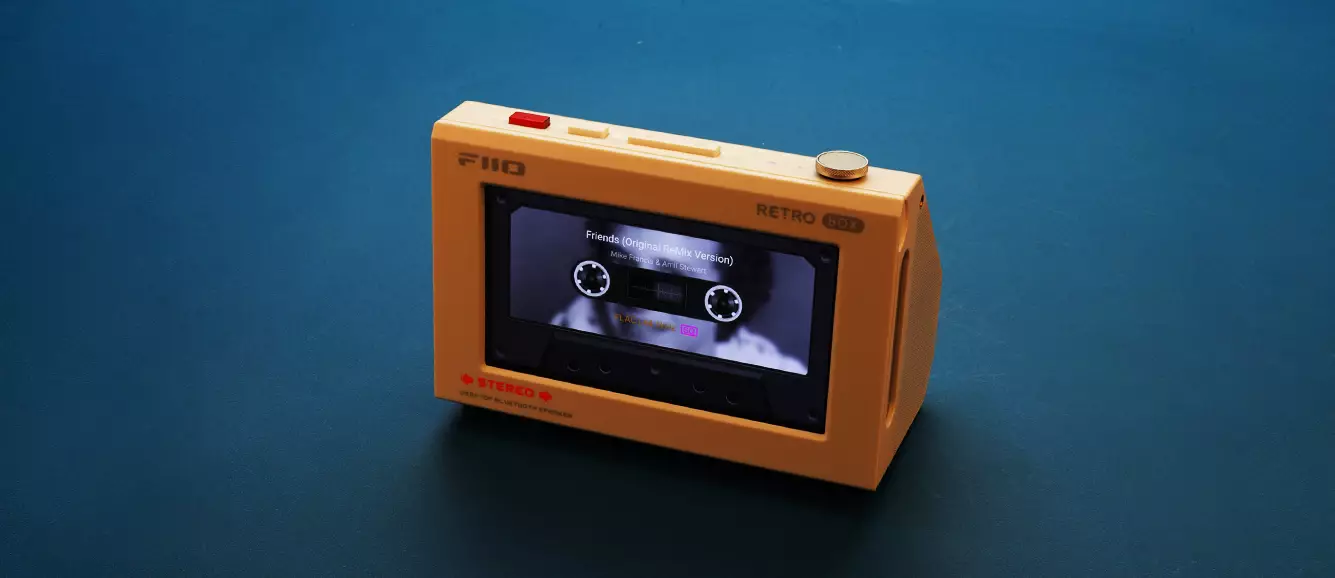
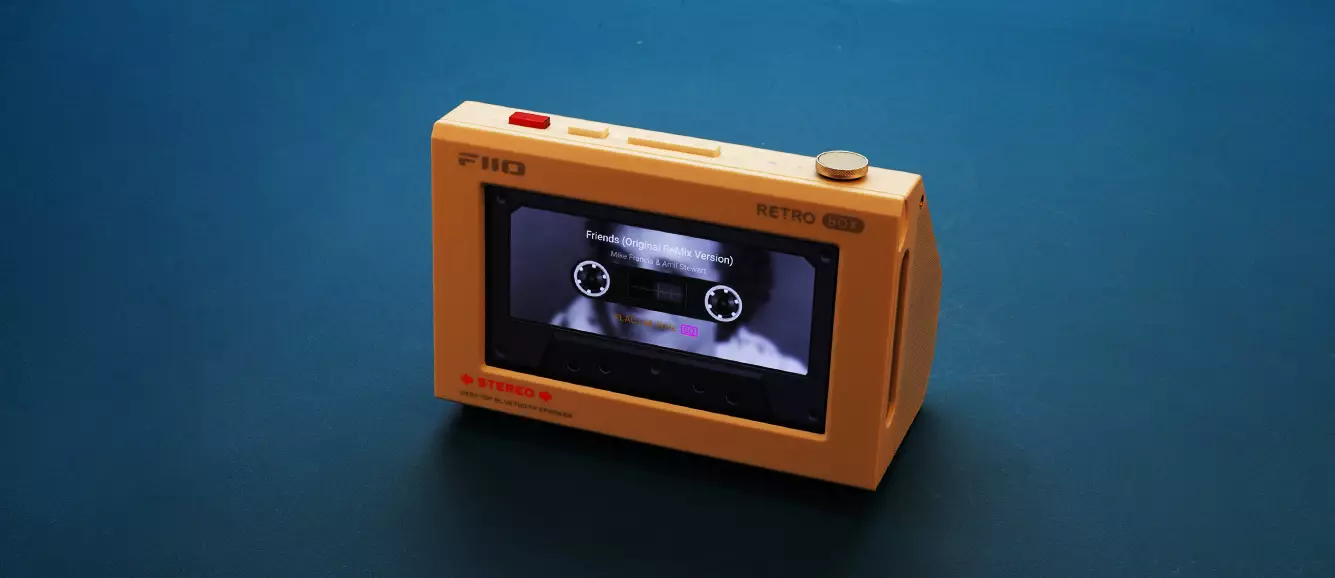
In an era dominated by sleek, minimalist, and often featureless audio hardware, FiiO has taken a bold, idiosyncratic pivot toward the aesthetic sensibilities of the 1980s and early 90s. The result is the FiiO RETRO BOX, a $69.99 desktop wireless speaker enclosure that functions as more than just a sound system—it is a tribute to the era of beige plastic, mechanical tactile feedback, and the tactile romance of physical media. By integrating its high-fidelity Digital Audio Players (DAPs)—specifically the M33 R2R, M21, and JM21—into a chassis that mimics a classic tape deck, FiiO is betting that audiophiles are ready for a heavy dose of nostalgia wrapped in modern wireless convenience.
Main Facts: The Intersection of Old School and High-Res
The FiiO RETRO BOX is a portable, desktop-class Bluetooth speaker designed to act as a hybrid docking station. At its core, the device is a compact enclosure (152.8 mm x 98.8 mm x 76.0 mm) weighing roughly 683 grams. It is engineered to house specific FiiO DAP models, effectively turning a handheld player into a stationary, integrated desktop music server.
Technical Specifications at a Glance
- Driver Configuration: 2 x 40 mm full-range drivers, each paired with a dedicated passive radiator in a separated acoustic chamber.
- Amplification: 5.3 Watts per channel (stereo).
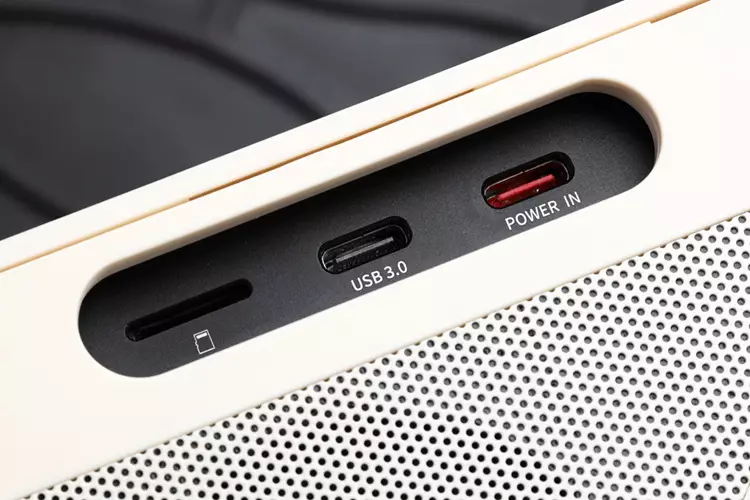
- Connectivity: Bluetooth 6 (latest generation) with LDAC codec support; USB-C port for charging and UAC 1.0 audio input.
- Battery: Dual 18500-sized internal batteries (rated for ~10.5 hours of playback).
- Compatibility: Native support for FiiO M33 R2R, M21, and JM21.
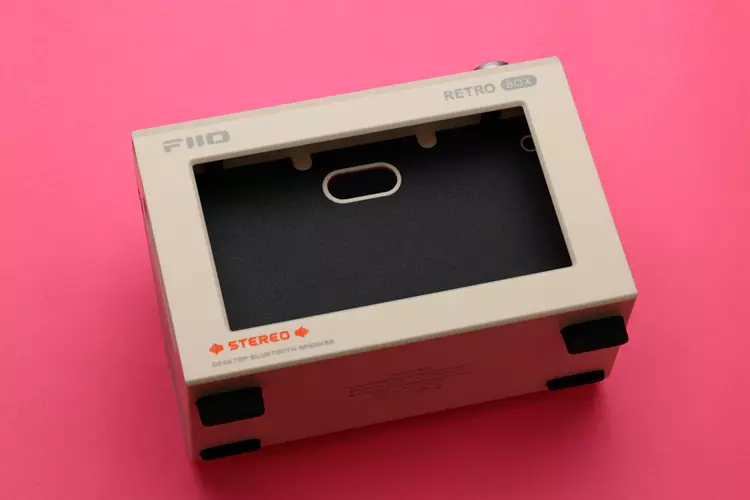
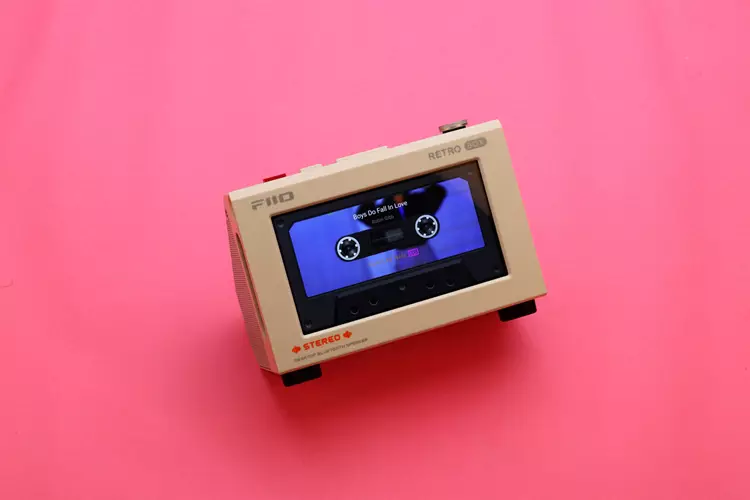
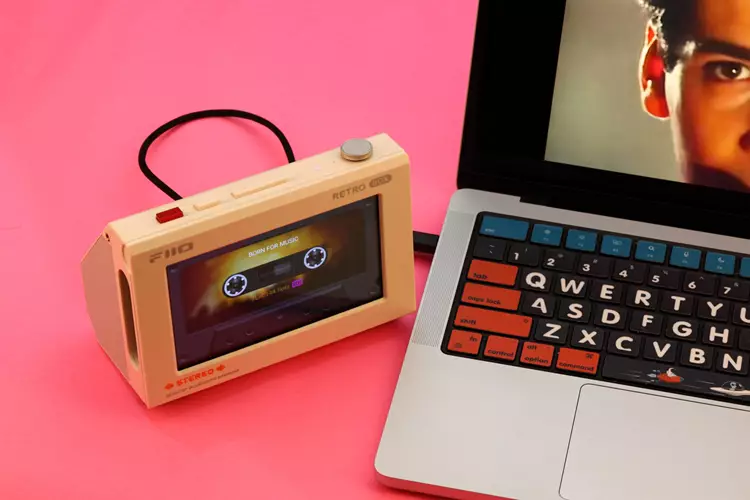
The aesthetic design is the primary differentiator. The "off-white" color variant, in particular, evokes the yellowed-plastic charm of 1980s personal computers and early hi-fi components, providing a stark contrast to the aluminum-heavy market of modern audio gear.
Chronology of the User Experience
The journey with the RETRO BOX begins with the unboxing, which follows FiiO’s standard professional presentation. The device ships with a USB-A-to-C cable, a warranty card, and a user manual.
The Setup Process
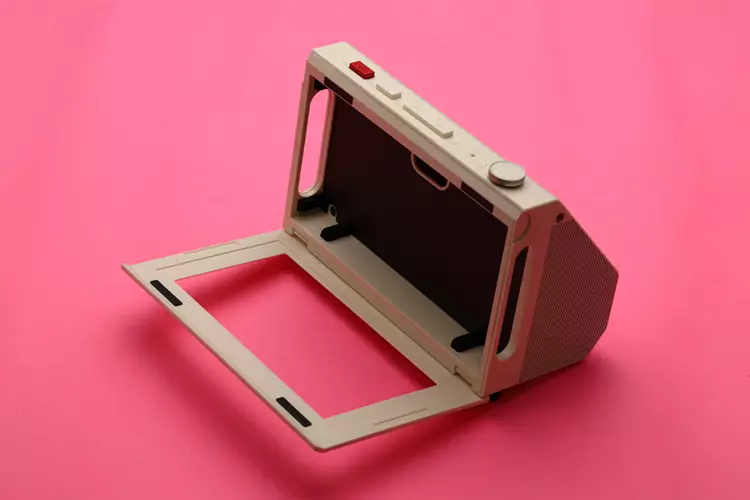
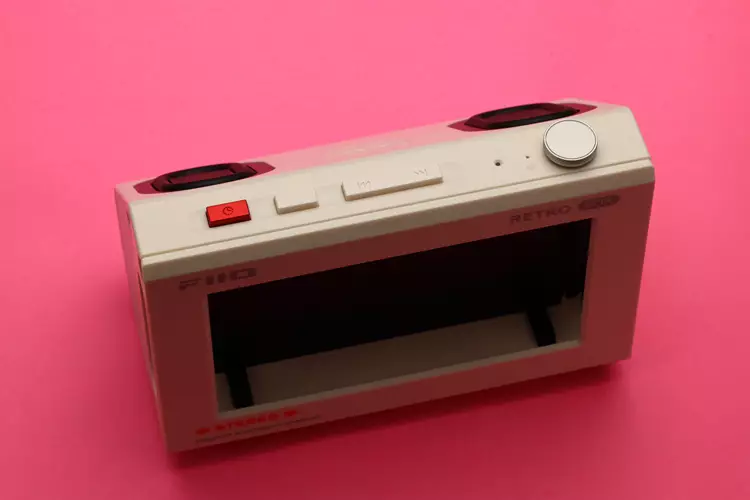
- Preparation: The user must determine if the "adapter lining" inside the cassette deck needs to be removed. For the M33 R2R, the liner is removed for a snug fit, while the M21 and JM21 require the liner to remain in place.
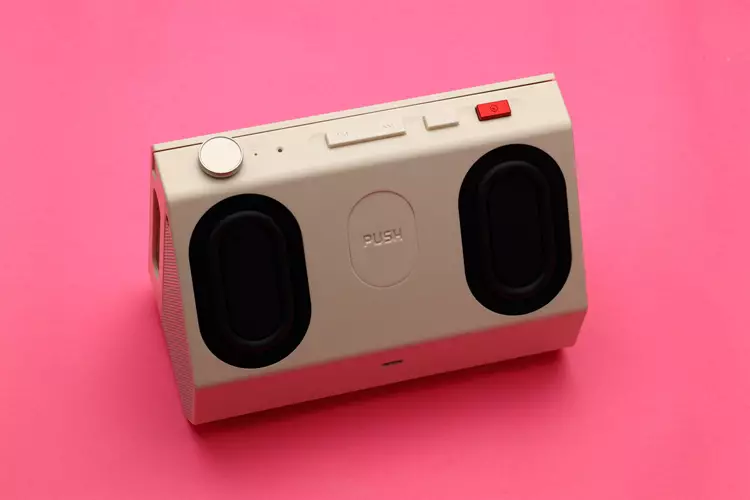
- Docking: The DAP slides into the front "cassette" door. The door is held by magnets, and a mechanical ejection button located between the rear passive radiators provides a satisfying, spring-loaded release.
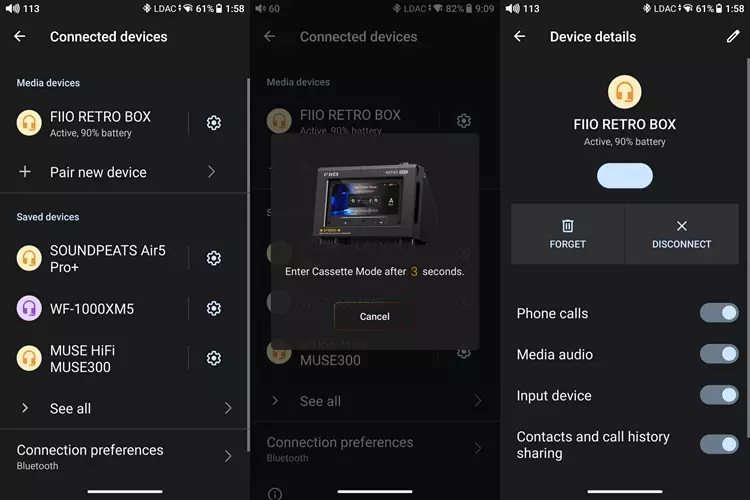
- Pairing: Once docked, the RETRO BOX connects via Bluetooth 6. The pairing process is seamless; long-pressing the play button triggers discovery mode. Upon successful handshake, the DAP enters "tape mode," characterized by a nostalgic, cancellable countdown screen.
Navigation and Control
Once docked, the RETRO BOX acts as a command center. A series of tactile buttons atop the unit controls the playback functions of the internal DAP. The red power button serves triple duty: power toggle, input switching (USB-C/Bluetooth), and a quick-press screen-saver mode for the DAP. The volume knob also functions as an EQ selector (HiFi, Retro, Pop, and Warm), allowing users to cycle through sound profiles without touching the touchscreen.
Supporting Data: Acoustic Performance and Real-World Usage
Critical testing of the RETRO BOX involved a 12-hour burn-in period to allow the drivers and radiators to reach peak compliance.
Sound Signature Analysis
- The "Boundary Effect": The RETRO BOX’s acoustic profile is highly dependent on placement. When placed in open space, the bass rolls off around 90 Hz. However, when positioned near a wall or in the corner of a desk, boundary reinforcement pushes the low-end extension down to 65 Hz, providing a much fuller, punchier sound.
- HiFi Mode (Default): This profile offers the most balanced presentation. It is characterized by smooth, flat midrange reproduction and a treble that feels airy and extended. It is not, however, a "clinical" reference monitor; there is a distinct, albeit faint, resonance from the plastic chassis that adds a layer of warmth.
- EQ Variants:
- Retro: Heavy attenuation of the treble, simulating the rolled-off frequency response of actual magnetic tape. Highly effective for 80s synth-pop and lo-fi tracks.
- Pop: A surprising profile that thins out the low end; generally avoided for critical listening.
- Warm: A refined version of the HiFi mode, softening the high frequencies to reduce listener fatigue.
Battery and Connectivity
During real-world stress tests (using the LDAC codec), the unit consistently delivered 9 hours and 45 minutes of playback, falling just short of the manufacturer’s 10.5-hour claim—a discrepancy easily explained by volume levels and the power draw of the connected DAP. Charging is efficient, with a 0-80% charge achieved in two hours.
Official Responses and Manufacturer Intent
FiiO’s intent with the RETRO BOX is clear: they are targeting the "lifestyle audiophile." In documentation and communications, FiiO emphasizes that the device is not merely a speaker but a "Desktop Ecosystem."
While FiiO advises using the USB-C port primarily for charging or PC-based audio, they acknowledge the "unsightly" nature of cables. The company suggests that the Bluetooth 6 integration is the intended primary use case, as it removes the clutter of wires while maintaining high-fidelity transmission via LDAC. The inclusion of threaded screw holes for a shoulder strap—despite no strap being included—suggests that FiiO envisions the device being used in various environments, from a stationary desk accessory to a portable "boombox" on the go.
Implications: Where Does the RETRO BOX Fit?
The RETRO BOX represents a fascinating case study in modern product design. By creating a product that is objectively less convenient than a standalone Bluetooth speaker (due to the requirement of a compatible DAP), FiiO is banking on the "cool factor" and the desire for tactile, physical interaction with music.
The Good
- Engagement: The ability to see the DAP screen through the "tape" deck, combined with mechanical controls, turns passive listening into an active, tactile experience.
- Design: For those nostalgic for the era of home computing, the aesthetic is pitch-perfect.
- Versatility: The ability to swap out DAPs means the system can evolve as FiiO updates its player lineup.
The Challenges
- The "Tape Deck" Illusion: A common point of critique is the lack of a motorized loading mechanism. Users expecting a fully mechanical, motorized "clunk" as the tape door closes may find the manual magnet-based door slightly underwhelming.
- Plastic Resonances: While the sound is surprisingly good for the driver size, the plastic housing does introduce a faint coloration that purists may notice at higher volumes.
- Dependency: The speaker is fundamentally limited by the requirement of a FiiO DAP for the full "experience," though it can function as a standard Bluetooth speaker with any smartphone.
Final Verdict
The FiiO RETRO BOX is a success for what it sets out to be: a fun, evocative, and surprisingly capable piece of desk audio. While it may not replace high-end studio monitors, its combination of a vibrant soundstage, solid battery life, and unmatched retro-chic design makes it a compelling purchase for the enthusiast who values the process of listening as much as the audio quality itself. It serves as a reminder that in a digital-first world, there is still a massive market for hardware that feels like it has a soul.