For the aspiring meteorologist, the dedicated storm chaser, or the tech-savvy homeowner, a DIY home weather station is more than a gadget—it is a gateway to understanding the hyper-local microclimate of your own backyard. While smartphone apps and national forecasts provide general regional trends, they often rely on data collected miles away from your doorstep. Weather is dynamic, changing dramatically over short distances, and only a dedicated local station can provide the real-time, high-fidelity data you need to make informed decisions about your day.
Since 2016, our team at TechHive has rigorously tested and evaluated the consumer weather market. From budget-friendly entry points to professional-grade installations, we have parsed the data to help you navigate the landscape of sensors, connectivity, and smart home integration.
The Core Value of Localized Weather Tracking
Why invest in a home weather station? Beyond the sheer fascination of tracking barometric pressure, wind gusts, and rainfall intensity, there is the practical element of home automation.

Modern, high-end weather stations act as the "eyes and ears" of your smart home. Our top-recommended systems can communicate with your smart home ecosystem to trigger specific actions. For instance, if the station detects that the sun has set or the skies have turned excessively cloudy, it can trigger your smart lighting to illuminate your patio. Even more impactfully, these systems can interface with your smart irrigation controller. If your station records significant rainfall, it can automatically bypass your sprinkler schedule, preventing the waste of water on saturated landscaping.
Chronology of Innovation in Home Monitoring
The evolution of home weather stations has moved from simple, analog mercury-based thermometers to sophisticated, cloud-connected IoT devices.
- 2016–2018: The early era of smart weather stations focused on basic Wi-Fi connectivity and rudimentary app integration, often requiring complex port forwarding or bridge devices.
- 2019–2021: The industry saw a shift toward "all-in-one" sensors, though early attempts struggled with accuracy, particularly regarding haptic rain measurement and solar-shielding for temperature sensors.
- 2022–2024: The current generation emphasizes robust API integration. The rise of IFTTT (If This Then That) and native support for platforms like Home Assistant has turned weather stations into essential nodes for advanced home automation enthusiasts.
- Late 2024–2025: The introduction of systems like the Ambient Weather WS-4000 marks a new focus on modularity and user-friendly console design, prioritizing "set-it-and-forget-it" reliability.
Top Picks for 2025: A Comparative Analysis
1. The All-Rounder: Ambient Weather WS-4000
The Ambient Weather WS-4000 stands as our current top recommendation for the majority of users. It balances price, software ecosystem, and hardware modularity.
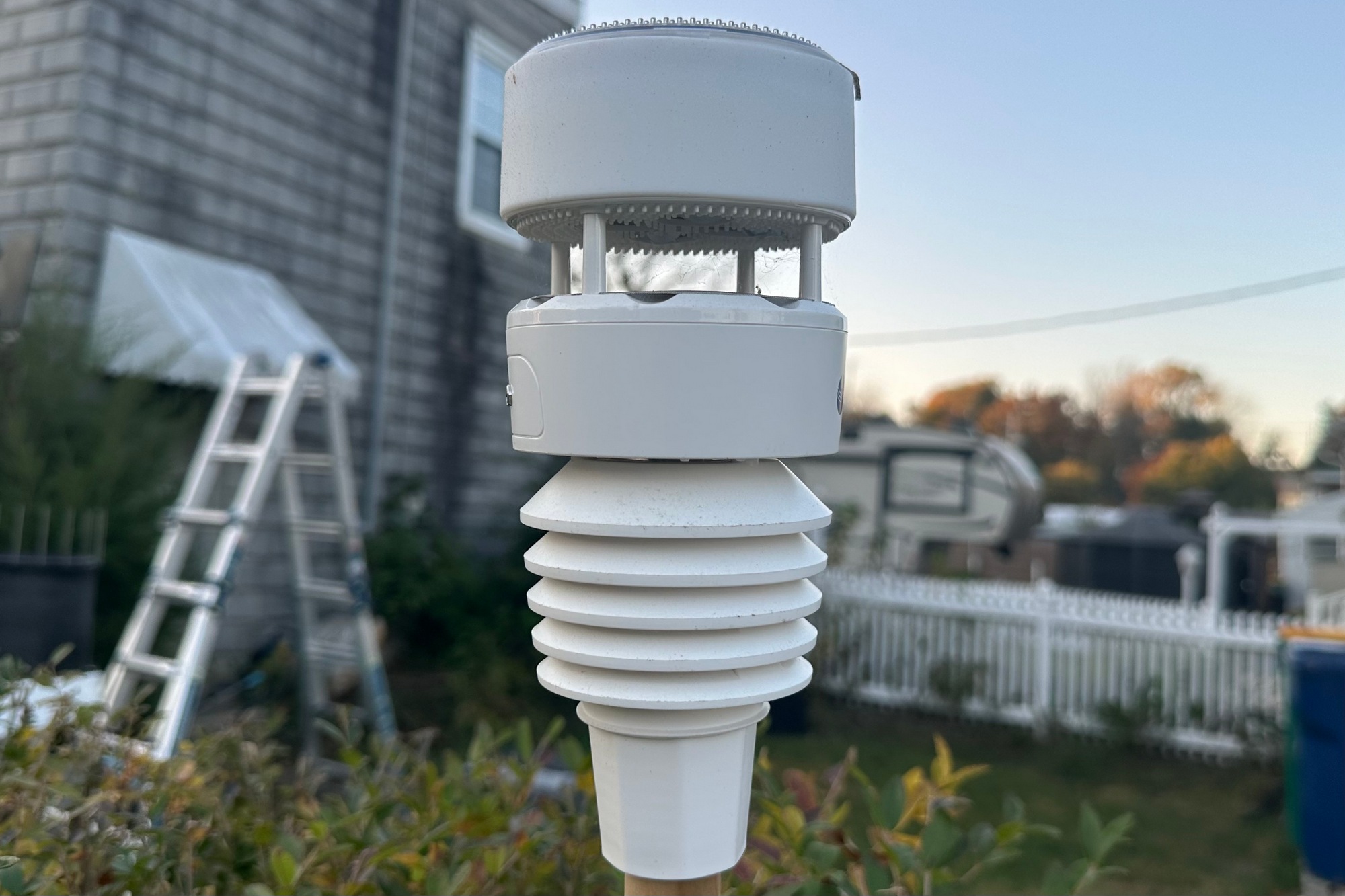
Why it wins: Ambient Weather provides an industry-leading software dashboard that makes visualizing your data simple. The WS-4000 is highly expandable; users can add soil moisture sensors, lightning detectors, and air quality monitors as their needs grow.
The Trade-off: The unit utilizes a haptic rain sensor. While convenient and maintenance-free, haptic sensors are historically slightly less precise than traditional tipping-bucket rain gauges. For casual hobbyists, this is a negligible difference, but those seeking extreme scientific precision should be aware of the hardware limitations.
2. The Smart Home Integration Leader: WeatherFlow Tempest
If your goal is to integrate weather data into a larger smart home project, the WeatherFlow Tempest is the superior runner-up.
Why it wins: The Tempest houses all its sensors in a single, sleek, wireless unit that is exceptionally easy to install. It features arguably the best lightning detection technology on the consumer market. By utilizing cloud-to-cloud connectivity and extensive support for third-party platforms, it is the best choice for users who want their weather station to "talk" to their smart blinds, sprinklers, and lighting.

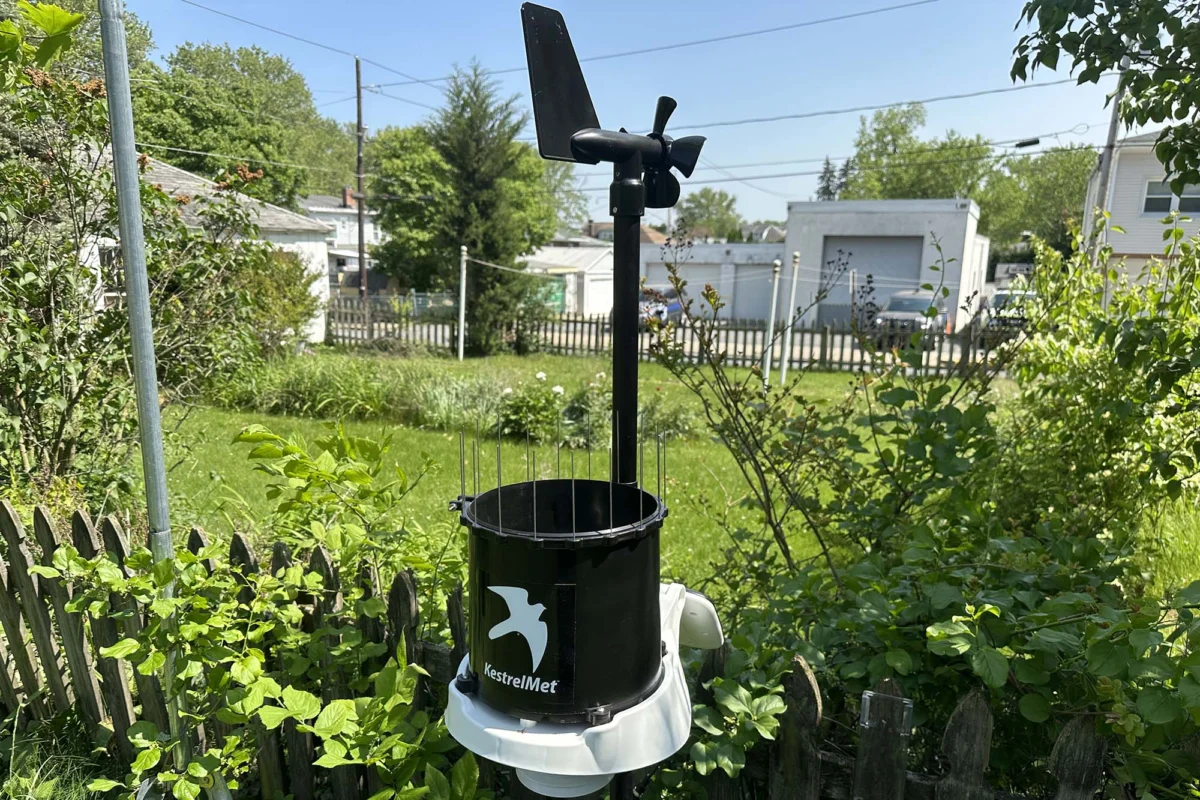
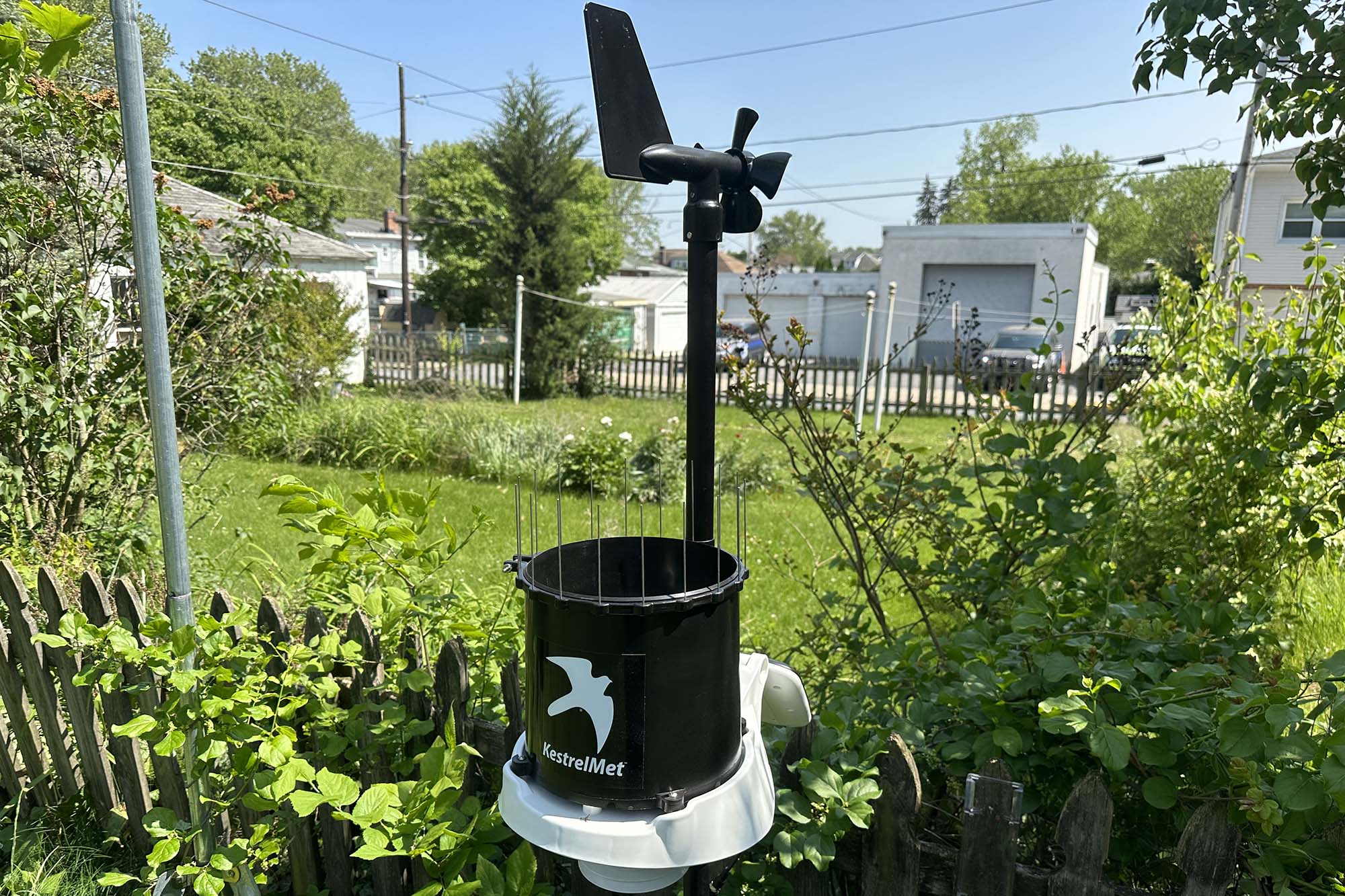
3. The Gold Standard for Enthusiasts: KestrelMet 6000
For those who treat weather monitoring as a serious pursuit, the KestrelMet 6000 is the undisputed champion.
Why it wins: Priced significantly higher than consumer-grade units, the KestrelMet 6000 brings professional-grade accuracy to the backyard. Its sensors are robust, reliable, and highly responsive. We currently use this unit as our internal "ground truth" to calibrate other devices during our 30-day testing cycles. If you have the budget and the space, this is the final word in residential weather tracking.
Methodology: How We Evaluate Accuracy
Our testing protocol is designed to eliminate bias and account for local variability. Each station undergoes a mandatory 30-day "burn-in" period. We compare the station’s output against the nearest National Weather Service (NWS) observation site—usually within a 5-mile radius—to identify baseline accuracy.
However, we also look for "Smart Home Intelligence." We test:
- Latency: How quickly does the station update the dashboard when conditions change?
- API Robustness: Does the station maintain a stable connection to third-party services like IFTTT or Home Assistant?
- Durability: How does the housing handle UV exposure and extreme temperature fluctuations?
Implications of Sensor Placement
Even the most expensive weather station will provide garbage data if placed improperly. To ensure accurate readings, follow these professional guidelines:
- Temperature & Humidity: These sensors must be placed in a shaded, well-ventilated area, ideally 4 to 6 feet above a natural grassy surface. Never place them near concrete or asphalt, which act as heat reservoirs that will artificially inflate your temperature readings. Avoid proximity to home windows or HVAC vents.
- Rain Gauges: Avoid "splash-back" zones. The gauge should be in a clear area. The NWS rule of thumb is to place the gauge as far from obstructions (trees, buildings) as they are tall.
- Anemometers (Wind Gauges): This is the most common point of failure for amateur setups. Ideally, wind sensors should be mounted 33 feet (10 meters) above the ground to meet standard meteorological specifications. While this is impractical for most homeowners, aim for at least 10 feet above any nearby roofline or obstacle to minimize turbulence. Ensure the wind vane is properly oriented to magnetic north; otherwise, your wind direction data will be inverted.
Future Outlook: The Role of AI in Localized Forecasting
As we look toward the future, the integration of Artificial Intelligence into home weather hubs is the next frontier. We expect to see stations that don’t just report current conditions, but use machine learning to "learn" the unique topography of your property. By analyzing historical trends alongside local sensor data, these stations will eventually provide hyper-local, high-accuracy short-term forecasts that significantly outperform national models.

For now, the hardware landscape is mature. Whether you are a casual observer wanting to know if you need an umbrella, or a data enthusiast looking to automate your home’s environmental controls, the technology exists to bring the power of the National Weather Service directly to your backyard. Invest in quality, prioritize correct placement, and enjoy the clarity that comes with truly knowing the weather outside your door.