The podcasting industry remains in a state of perpetual motion, characterized by shifting listener habits, evolving platform algorithms, and a strategic pivot toward multi-channel integration. As we look at the current landscape—highlighted by recent shifts in platform dominance and the increasing importance of cross-media strategies—the data suggests that the "Golden Age" of podcasting has evolved into an era of sophisticated audience engineering.
Main Facts: The Current Landscape of Audio
The modern podcasting ecosystem is no longer just about audio files; it is about community building, discoverability, and data-driven growth. Recent metrics confirm that while legacy giants like The Daily (Apple Podcasts) and The Joe Rogan Experience (Spotify) maintain their top-tier status in the United States, there is significant movement in niche markets and international charts.

A critical development in the industry is the professionalization of the "podcast strategist." Organizations such as Point-To-Point Marketing and Strategic Solutions Research have recently initiated a series of comprehensive webinars aimed at dissecting audience growth mechanics. These sessions are intended to move beyond vanity metrics, focusing instead on high-intent audience acquisition and retention strategies that are essential for creators operating in an increasingly saturated market.
Furthermore, the industry is witnessing a trend toward "hybridization." Podcasts are increasingly acting as the top-of-funnel content for broader media brands, as seen in the recent migration of shows like Gone Medieval to YouTube, and the expansion of newsletter-integrated audio strategies pioneered by platforms like beehiiv.

Chronology: The Evolution of Podcast Discovery
The history of podcast discovery is a story of trial and error. For years, the industry relied on "black box" algorithms, where creators often felt at the mercy of platform-wide changes.
- Early Era: Discovery was predominantly driven by manual curation and word-of-mouth. Apple Podcasts set the gold standard, though its proprietary ranking mechanisms remained opaque.
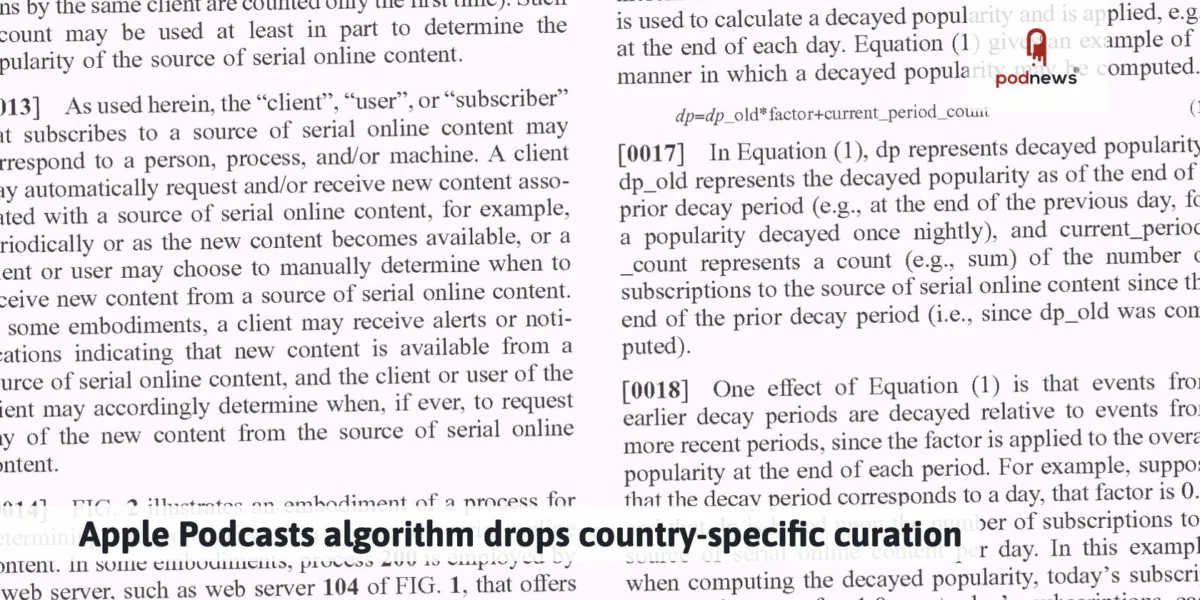
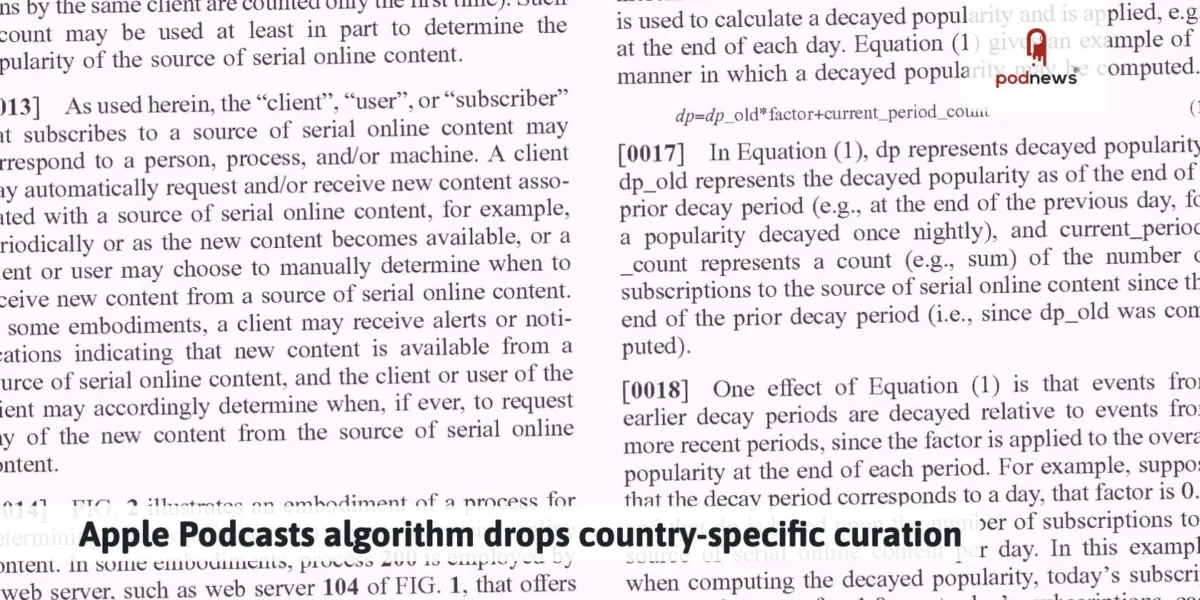
- The Patent Phase: Apple has long explored sophisticated ways to categorize and rank content, including patents for trending charts that prioritize engagement over raw download numbers.
- The YouTube Pivot: As of 2026, the migration of long-form audio to video-first platforms has become the industry’s most significant shift. The realization that visual discovery—through search engine optimization (SEO) on YouTube—outperforms pure audio-feed discovery has changed the game for creators.
- The Current Moment: We are now in the age of "Contextual Audio." Creators are no longer just making "episodes"; they are building "content ecosystems" where newsletters, social media clips, and long-form audio work in tandem to capture listener attention.
Supporting Data: Charting the Trends
Data analytics from major platforms paint a picture of a segmented market. While mass-appeal shows hold the top spots, regional and genre-specific growth is where the most interesting trends lie.

- Top Performers: The Daily and The Joe Rogan Experience remain the benchmarks for mass-market reach.
- Regional Growth: In markets like Ireland, we see highly specific genre performance. Sew-organised-style has emerged as a leader in the Hobbies category, demonstrating that vertical-specific podcasts can achieve massive relative growth that generalist shows cannot.
- New Entrants: The rise of shows like Adopt Me in the gaming category indicates that younger, niche audiences are increasingly finding audio content that mirrors their interactive interests.
- Trending Dynamics: In Canada, sports-centric podcasts like Halford & Brough are dominating trending charts, proving that sports talk remains the most resilient genre for real-time engagement and daily listening habits.
Official Responses and Industry Insights
Industry leaders are increasingly vocal about the need for better data transparency. Ainsley Rossitto, who recently transitioned from Paramount’s podcast division to the newsletter platform beehiiv, represents a growing movement of professionals who believe that "audio-only" strategies are limiting.
"The head of podcasts role at a newsletter company is fundamentally different from a traditional network role," Rossitto notes. "We aren’t just looking for downloads; we are looking for conversion. Creators are realizing that the listener who signs up for a newsletter is significantly more valuable than the passive listener who clicks play once and never returns."

This sentiment is echoed by the team behind The 1000 Hours Outside Podcast, who emphasize that podcasting must serve a deeper psychological or developmental need. By aligning their content with tangible lifestyle goals—such as reducing screen time for children—they have successfully built a "mission-driven" audience that is far more loyal than the average listener.
Implications: The Future of the Podcast Industry
As we look toward the remainder of 2026 and beyond, the implications for creators and advertisers are profound:

1. The Death of the "Listen-Only" Model
The most successful podcasts of the next decade will be those that exist as part of a larger ecosystem. Whether it is video clips on TikTok, deep-dive articles in newsletters, or live events, the audio file is becoming the "anchor" rather than the "only" product.
2. The Rise of "Niche Dominance"
Broad-appeal podcasts will always have a place, but the business of podcasting is shifting toward "verticals." Advertisers are finding that a podcast with 5,000 highly engaged medieval history enthusiasts (like Gone Medieval) or fantasy football managers (like Fan Girl Football) often provides a higher return on investment than a general-interest show with 100,000 passive listeners.

3. Data Transparency as a Competitive Advantage
Platforms that provide granular, actionable data will win. The shift from "how many downloads did I get?" to "what did my audience do after listening?" is the most critical question facing the industry today. Creators who utilize tools provided by companies like Point-To-Point Marketing and Strategic Solutions Research will be better equipped to monetize their content effectively.
4. Educational Content as a Growth Engine
The success of shows like History of the Germans proves that there is a massive, untapped appetite for long-form educational content. As the internet becomes more cluttered with short-form "snackable" content, the pendulum is swinging back toward deep, narrative-driven storytelling that respects the listener’s time and intelligence.

Conclusion: Strategic Recommendations for Creators
For those looking to grow in the current climate, the path forward is clear:
- Diversify your discovery: Do not rely solely on Apple or Spotify charts. Build a presence on YouTube and leverage email marketing to own your audience.
- Focus on community outcomes: As The 1000 Hours Outside Podcast demonstrates, content that provides value beyond entertainment—whether it’s lifestyle coaching, niche education, or professional development—builds the strongest long-term retention.
- Invest in data literacy: Understand that the metrics provided by hosting platforms are just the beginning. Use surveys, listener feedback, and newsletter conversion rates to understand who your listeners actually are.
The podcasting industry has matured. It is no longer a "Wild West" of early adopters; it is a sophisticated, data-rich landscape where those who understand the synergy between audio, video, and text will lead the next generation of media growth. As the webinars from The Podcast Study will undoubtedly highlight, the key to the future is not just getting more listeners, but getting the right listeners and keeping them engaged through every stage of the content funnel.