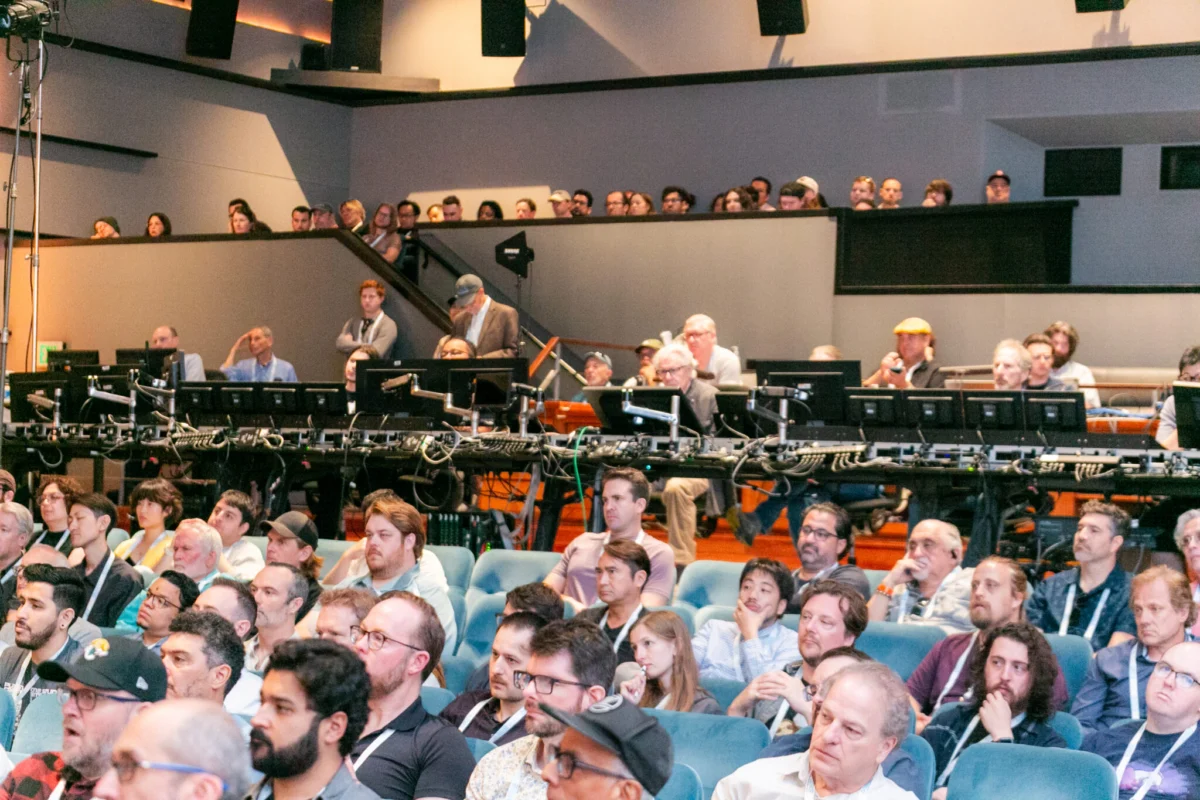
Culver City, CA (October 1, 2026) – The hallowed grounds of Sony Pictures Studios once again transformed into the epicenter of the global post-production community this past Saturday, September 26. The 13th annual Mix Sound for Film & Television event drew over 500 of the industry’s most influential audio engineers, sound designers, and post-production specialists. As the premier gathering for those who shape the sonic landscape of modern cinema, the event served as a high-stakes arena where technological innovation met the practical realities of blockbuster production.
The State of the Industry: A Day of Convergence
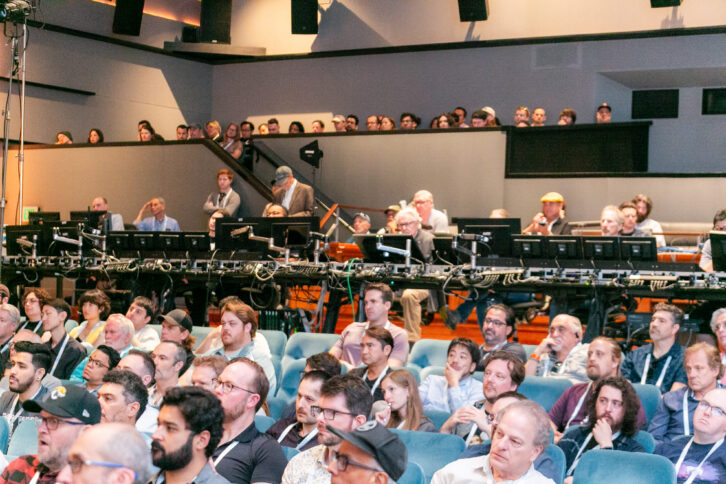
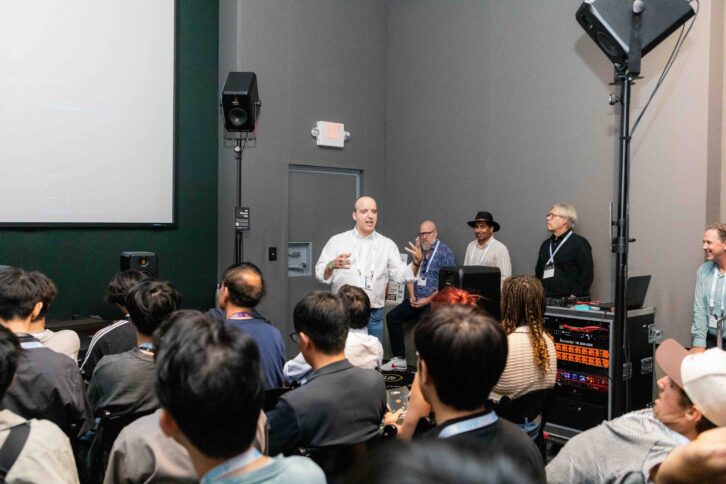
The event’s success, evidenced by a "packed house" across multiple stages, underscores a growing appetite for technical collaboration in an era where sound has become as much a narrative tool as cinematography. Throughout the day, the studios hummed with the energy of masterclasses and technology showcases. Industry leaders, including Avid, ASG, Sony, Google, Focusrite, Pro Sound Effects, and OWC, moved beyond simple product demonstrations to provide a comprehensive look at the workflows that define modern audio.
Chronology: A Roadmap of Technical Mastery
The day was structured as a multi-track marathon, allowing attendees to rotate through the studio’s various theaters, each offering a distinct focus on the current state of sound design and delivery.
Morning: The Epic Scale of Sound
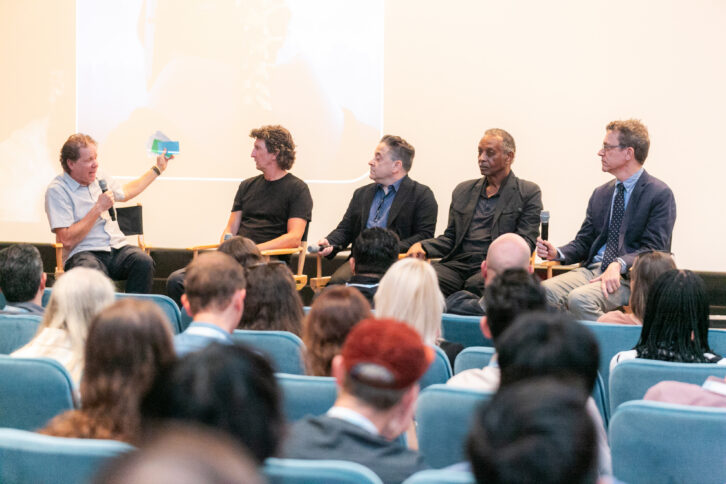
The day kicked off in the flagship Cary Grant Theater, home to the world’s largest S6 console. Avid and ASG set the tone with a deep dive into the sonic architecture of The Odyssey. The panel, featuring moderator Jeff Komar (Avid) alongside industry titans like supervising sound editor Craig Henighan and re-recording mixer Gary A. Rizzo, walked the audience through the evolution of a film’s soundscape—from the raw production audio captured by mixer Willie Burton to the polished, immersive final mix.
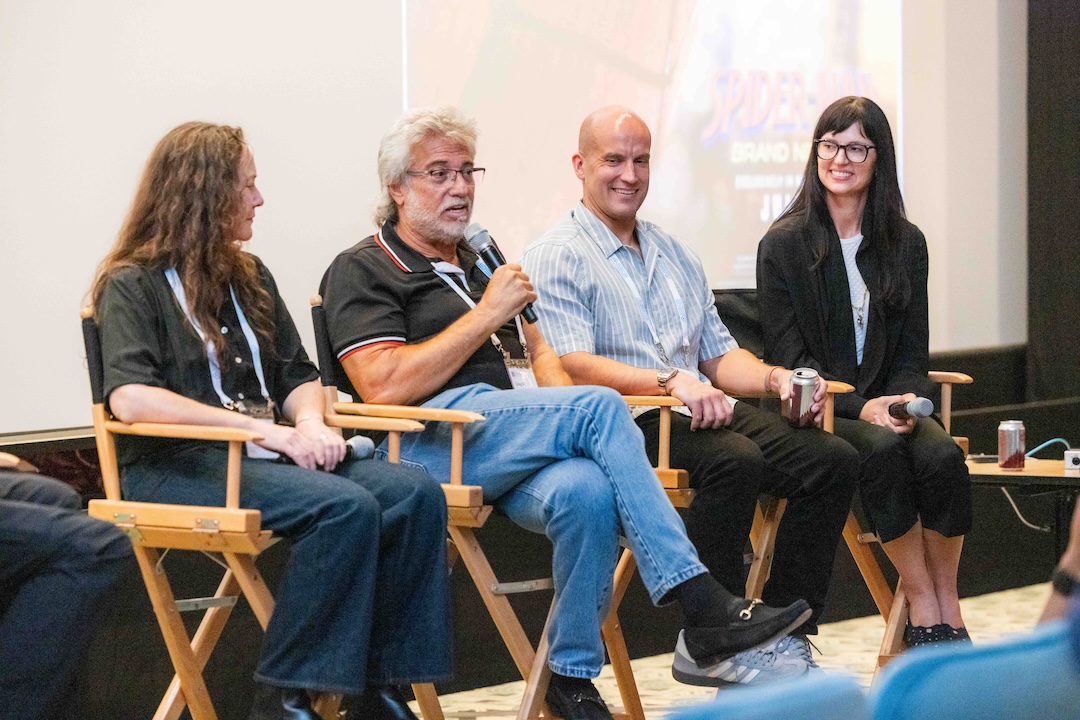
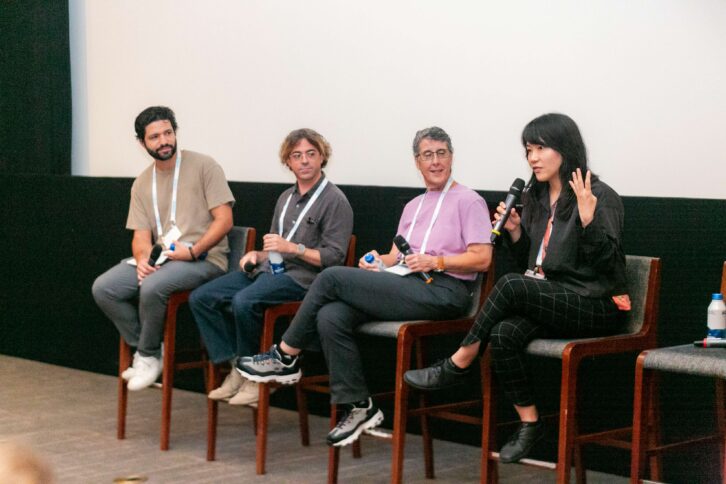
Simultaneously, the Anthony Quinn Theater became the hub for Sony’s workflow discussions. The panel "Sound on the Move: Sound Workflows That Travel With You" addressed a critical contemporary challenge: the necessity for flexibility in post-production. With panelists including re-recording mixer Stacey Hempel and sound designer Olivia Zhang, the conversation highlighted the shift toward decentralized, high-efficiency workflows.
Mid-Day: Immersive Playback and Technological Shifts
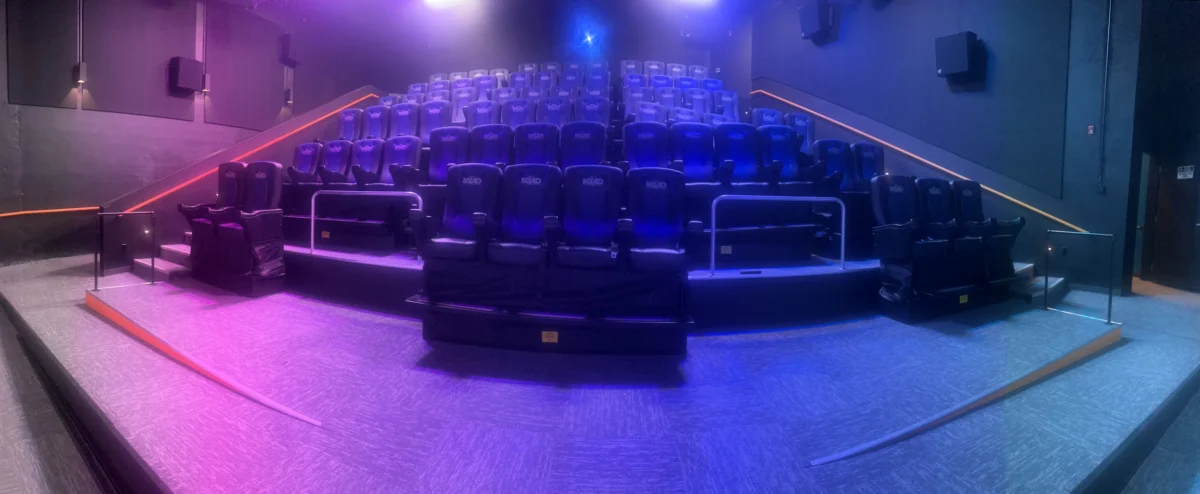
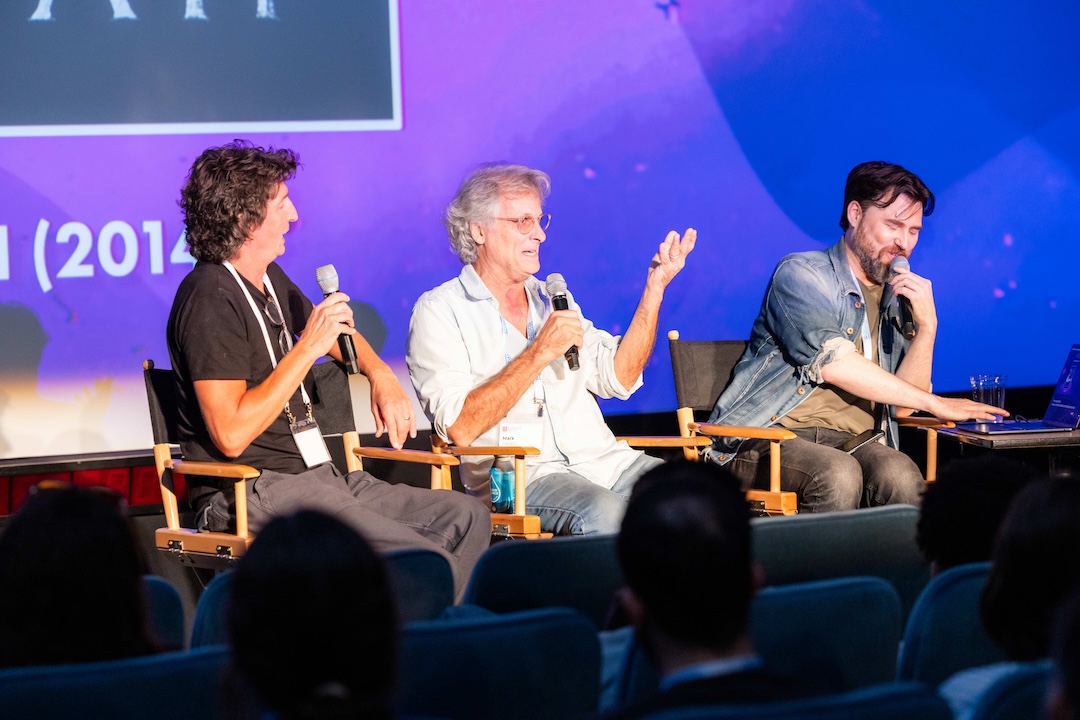
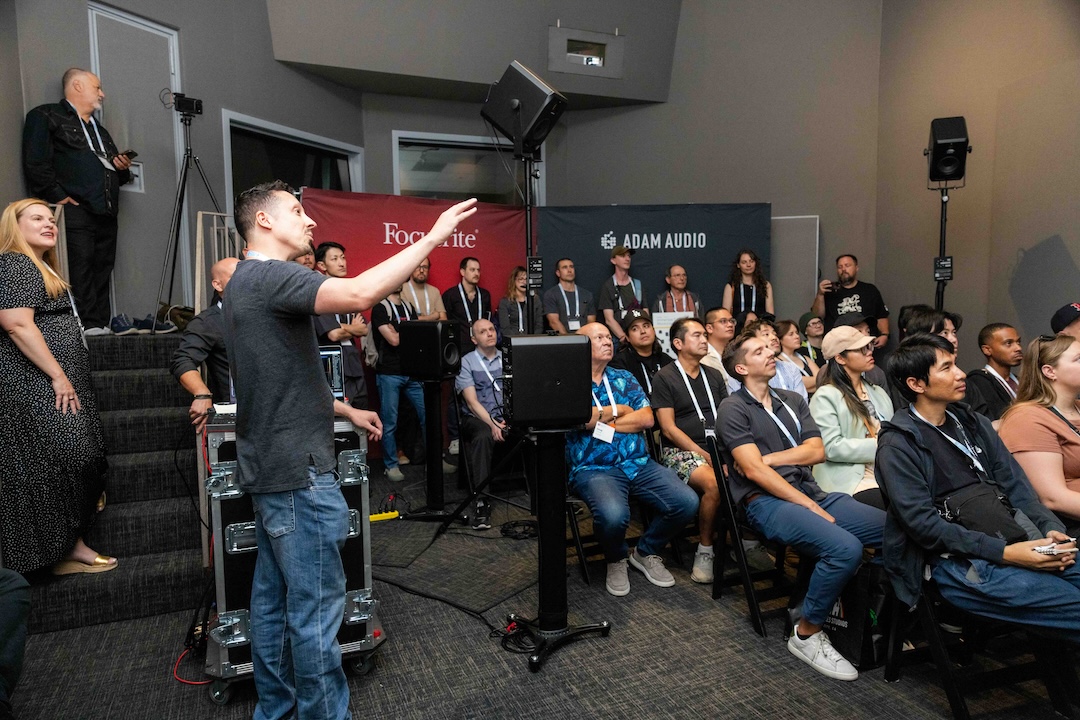
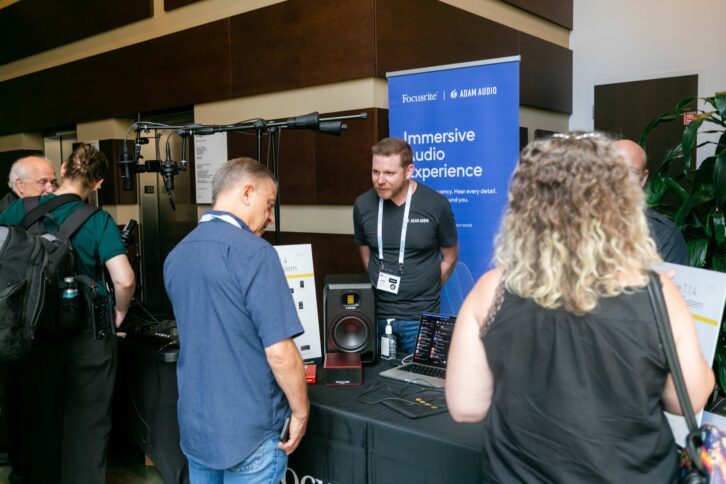
By mid-afternoon, the focus shifted to the physical delivery of sound. In ADR 2, Focusrite utilized its ADAM Audio line to construct a 7.1.4 playback system. This installation provided a visceral demonstration of near-field immersive audio, allowing attendees to experience the precision of modern monitoring. Dr. Nuno Fonseca of Sound Particles added a layer of academic and creative rigor with his presentation, "The Magic of Sound Particles," exploring the convergence of sound design, algorithmic music composition, and mixing.
Afternoon: The Future of Delivery and Storage
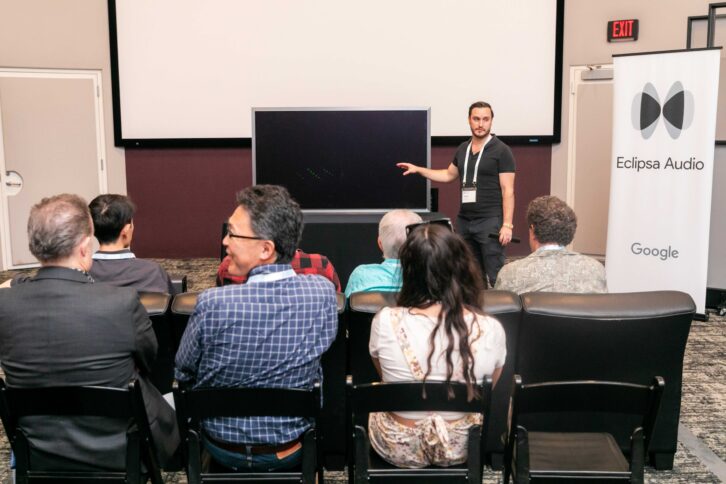
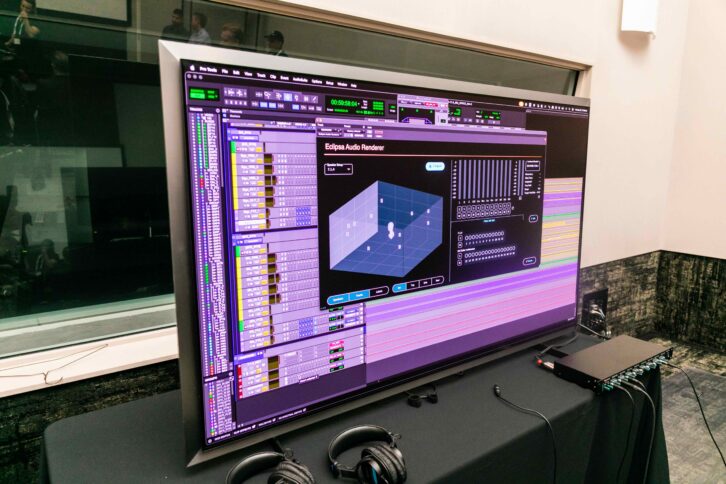
The arrival of Google as a first-time sponsor signaled a major shift in the event’s scope. Partnering with Samsung, Google introduced the "Eclipsa" system. This initiative marks a significant push toward standardized, full-bandwidth immersive audio for home streaming—a "holy grail" for content creators looking to maintain theater-quality audio in a consumer living room environment.
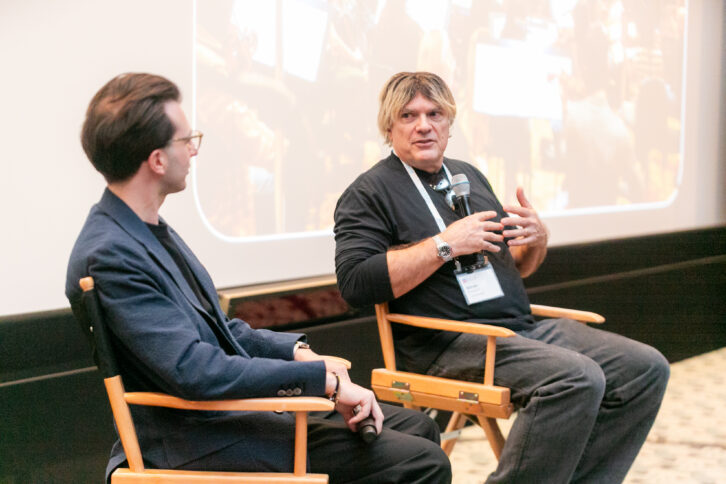
Meanwhile, OWC addressed the infrastructure backbone of the industry. Their showcase of "Strada," a shared local storage solution, provided a tangible answer to the "cloud fatigue" currently plaguing many studios. By enabling high-speed, local access to files without the prohibitive costs or latency of cloud-based uploads, OWC offered a glimpse into the future of data management for large-scale post-production projects.
Supporting Data: Why These Technologies Matter
The panels were not merely celebratory; they were deeply technical. For example, the session regarding Spider-Man: Brand New Day—featuring heavyweights like Greg P. Russell and Onnalee Blank—offered rare insight into the A-list decision-making process. The inclusion of these high-profile teams provided the "supporting data" of the industry: the proof that specific software configurations, microphone choices, and hardware integration directly impact the emotional resonance of a film.
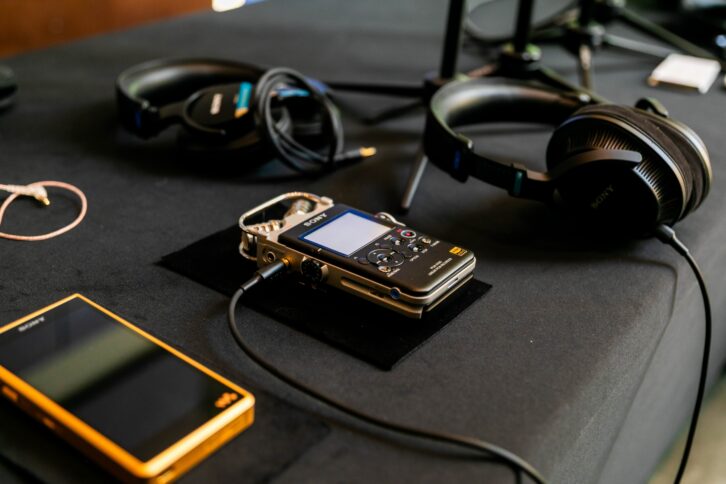
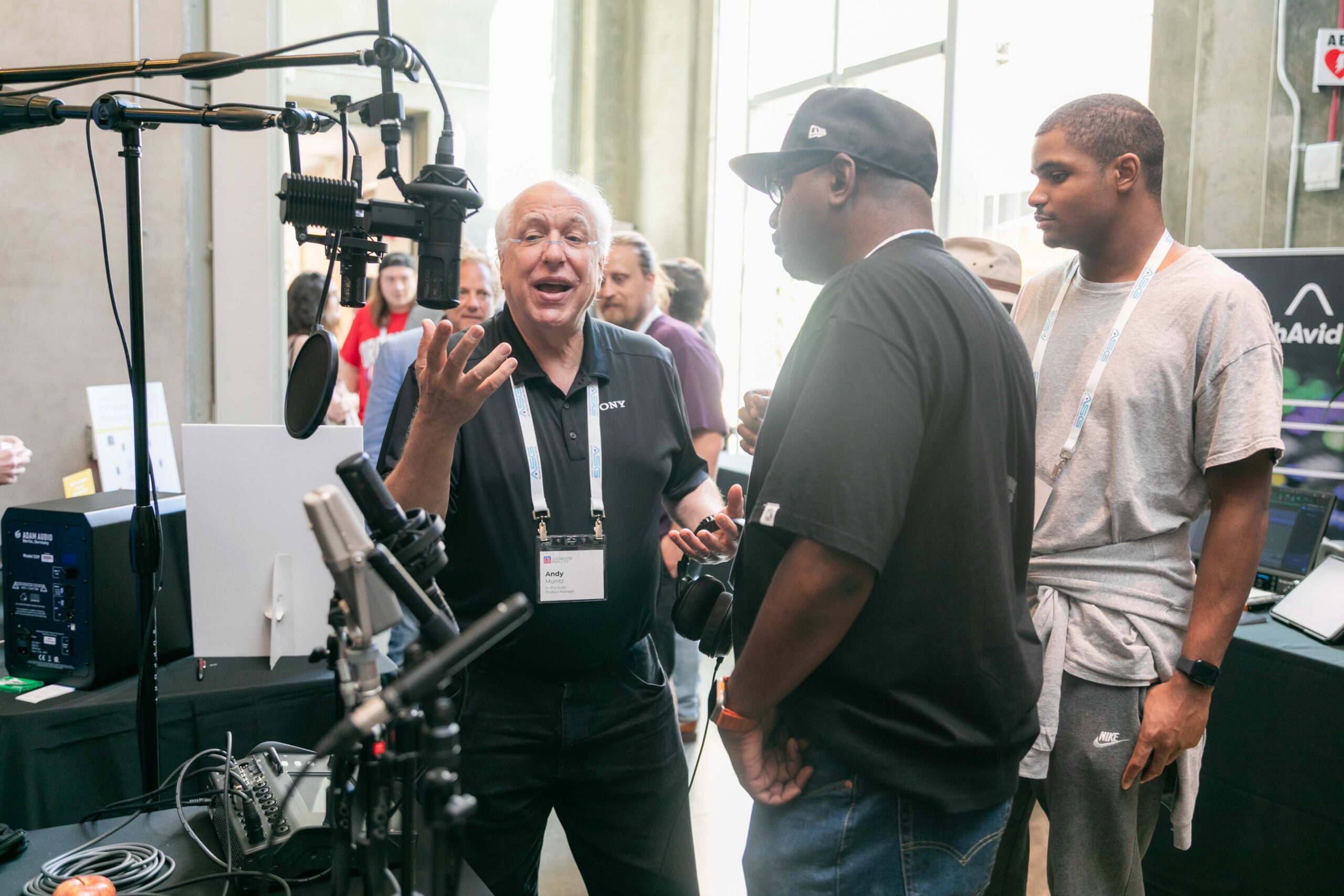
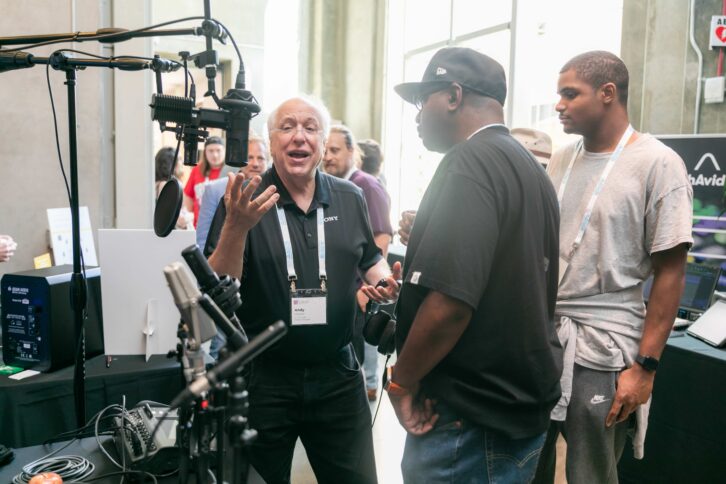
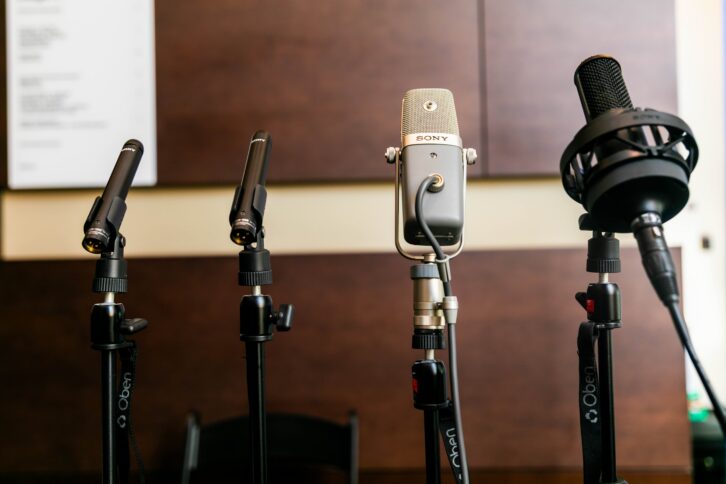
Furthermore, the tabletop demonstrations offered a hands-on verification of these claims. Whether it was Sony’s new range of microphones or the extensive sound libraries showcased by Pro Sound Effects, the common thread was the drive toward efficiency and sonic fidelity. Attendees weren’t just hearing about tools; they were testing the latency of OWC storage, measuring the response of ADAM Audio monitors, and analyzing the playback specs of the Eclipsa system.
Official Perspectives and Industry Implications
The consensus among the speakers and attendees was clear: the barrier between "production" and "post-production" is dissolving. As Mark Mangini and Craig Henighan noted during the "INDEPTH LIVE" closing session, the techniques used to design sound for blockbuster films are becoming increasingly sophisticated, requiring a holistic understanding of both hardware and software.
"The industry is moving toward a model where every link in the chain—from the field mic to the consumer’s home theater—is part of a singular, immersive ecosystem," remarked a spokesperson during the Sony tabletop demonstration. This sentiment was echoed across the board. The implication for professionals is significant: it is no longer enough to be a master of one’s specific discipline; one must now possess a broader understanding of the end-to-end signal path.
The Impact on Future Productions
The 2026 Mix Sound for Film & Television event highlighted three major trends that will dictate the industry’s trajectory over the next 12 to 24 months:
- The Rise of "Portable" High-End Workflows: With the success of panels like Sony’s "Sound on the Move," we can expect a shift away from traditional, brick-and-mortar-heavy post-production toward agile, remote-capable workflows that do not sacrifice quality.
- Standardization of Home Immersive Audio: Google’s Eclipsa, combined with Samsung’s display technology, points toward a future where the "theatrical experience" is accurately translated to the home environment, likely changing how mixers approach the final mix of major tentpole films.
- Local Storage as a Premium Asset: As data sets for films grow exponentially due to higher sample rates and multi-channel object-based audio, the infrastructure of companies like OWC will become the bottleneck—or the key enabler—of production efficiency.
Looking Ahead: The Evolution Continues
As the event concluded, the atmosphere was one of calculated optimism. The challenges facing sound professionals—from the complexities of immersive delivery to the logistical nightmares of massive data management—are being met with increasingly creative technological solutions.
The 13th annual gathering proved that while the tools of the trade are in constant flux, the core mission of the audio professional remains the same: to tell stories that resonate. As the industry looks toward 2027, the lessons learned at Sony Pictures Studios will undoubtedly find their way into the sound stages and mixing rooms of the next year’s biggest cinematic achievements.
Stay tuned for tomorrow’s coverage, where we will dive into the "Seen on the Scene" photo essay and feature exclusive interviews with the technologists who are building the future of sound.