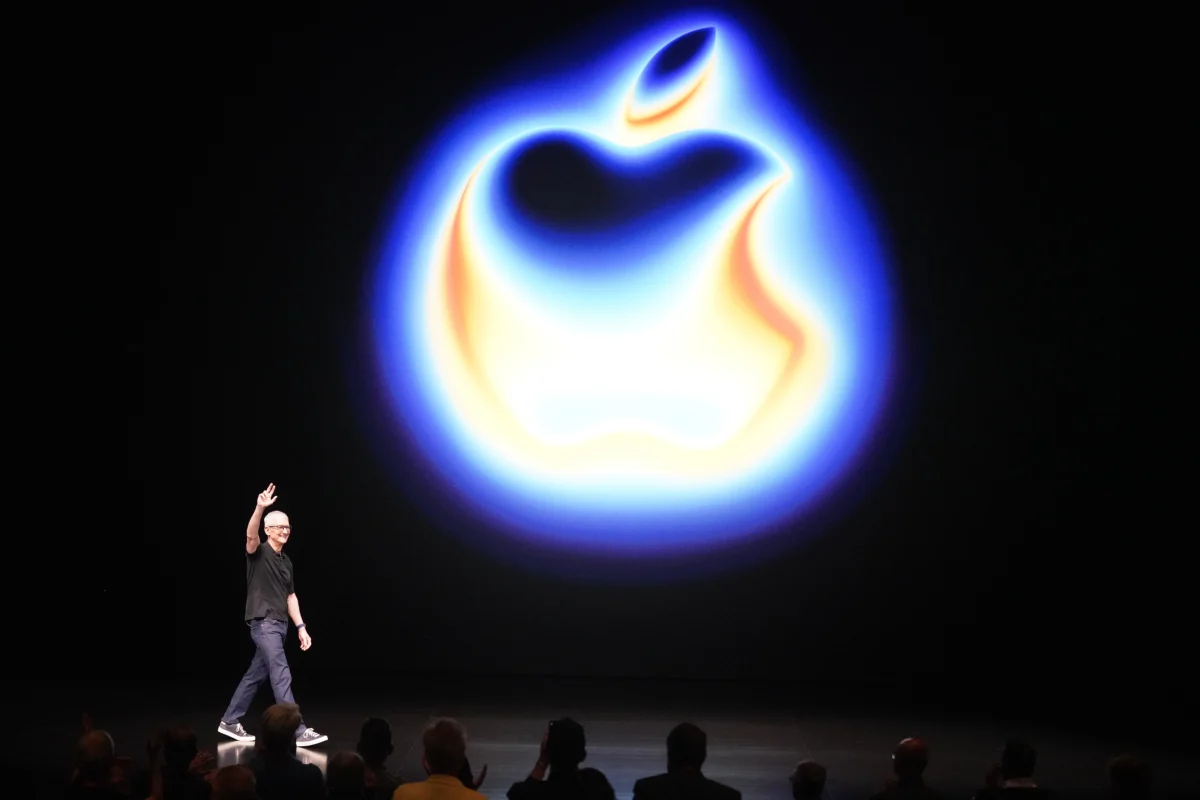
In the corridors of Cupertino, a quiet storm is brewing that threatens to redefine the consumer electronics landscape. As the tech industry grapples with the voracious hardware requirements of the artificial intelligence revolution, Apple finds itself at a precarious crossroads. Outgoing CEO Tim Cook has issued a sobering warning to the company’s massive global user base: the era of stable pricing for premium devices may be coming to an end.
The culprit is a phenomenon industry analysts are now calling "RAMageddon"—a worldwide, systemic shortage of high-performance memory chips. This supply crunch, driven by the insatiable demand for AI infrastructure, has forced memory prices to skyrocket. With chip costs surging to four times what they were just one year ago, Apple’s ability to absorb these expenditures while maintaining its industry-leading profit margins has officially reached a breaking point.
The Anatomy of the Shortage: Why Memory Matters
To understand why your next iPhone or Mac might cost more, one must look at the fundamental architecture of modern computing. Artificial intelligence, particularly the Large Language Models (LLMs) that now dominate the tech discourse, is remarkably memory-intensive. Whether it is processing Siri’s new generative capabilities or handling on-device machine learning, these tasks require vast amounts of DRAM (Dynamic Random Access Memory) and high-speed NAND flash storage.
As data centers race to equip themselves with the most advanced chips to power global AI services, the global manufacturing capacity for these components has been stretched to its limit. Apple, despite its massive purchasing power and long-standing supply chain dominance, is not immune to these macroeconomic forces. The result is a supply-demand imbalance that has pushed component costs to levels that executives describe as "unsustainable."
A Chronology of the Crisis
The warning signs of the current crisis did not appear overnight. The progression of the "RAMageddon" narrative provides a clear window into how Apple’s leadership has been tracking the threat:
- Early 2026: As the global demand for AI-capable hardware surged, memory manufacturers shifted production priorities to meet the needs of server-side data centers, effectively squeezing the supply available for consumer electronics.
- April 2026: Following a record-breaking quarterly earnings report, Tim Cook first hinted at the looming hardware crisis. During the earnings call, he noted that while sales were strong, the rising cost of components could impact future financial outcomes. This sentiment was echoed by incoming CEO John Ternus, who identified memory price volatility as the most significant hurdle of his early tenure.
- June 2026: Apple’s Worldwide Developers Conference (WWDC) served as the stage for the company’s long-awaited AI overhaul. While the tech community praised the improvements to Siri and on-device processing, the software advancements underscored the hardware reality: more sophisticated AI requires more powerful, memory-heavy chips.
- July 2026: In a candid interview with The Wall Street Journal, Tim Cook officially signaled that price increases for Apple hardware are now "unavoidable." This marked the first time the company publicly confirmed that the cost of the "RAMageddon" crisis would likely be passed on to the consumer.
Financial Implications and Data Projections
The economic reality of these price hikes is significant. According to analysis from the research firm TechInsights, the impact on Apple’s bottom line is stark. To preserve its current profit margins—which are among the highest in the consumer electronics sector—Apple would theoretically need to add approximately $270 to the retail price of the next iPhone Pro model.
Given that the current iPhone 17 Pro starts at $1,099, a price adjustment of this magnitude would push the entry-level cost for a "Pro" device into a new tier of luxury pricing.
Industry experts at the Financial Times suggest that the iPhone is the most vulnerable target for these price adjustments. Because the iPhone remains the primary engine of Apple’s revenue, even a modest increase in the cost of memory chips necessitates a pricing strategy that accounts for millions of units. However, the impact is expected to ripple across the entire ecosystem. The Apple Watch, MacBook lineup, iPad, and the Apple Vision Pro—all of which rely on advanced memory and storage configurations—are susceptible to the same upward price pressure.
The AI Paradox: A Costly Transformation
For Apple, the current situation represents a cruel irony. The company has spent years cultivating a reputation for privacy-focused, on-device AI. However, this architectural choice—moving processing away from the cloud and onto the device itself—is precisely what makes the current memory shortage so painful.
Apple’s journey into AI has been fraught with challenges. Earlier this year, the company was forced to settle a $250 million lawsuit stemming from claims that it failed to deliver on AI features promised years prior. By making good on those promises at the most recent WWDC, Apple has successfully restored faith in its roadmap, but it has also doubled down on its hardware requirements. As the company continues to bake more AI features into its operating systems, the "need" for more RAM becomes an engineering requirement rather than an optional upgrade. Consumers are essentially being asked to pay for the privilege of running more sophisticated, on-device artificial intelligence.
Official Responses and Strategic Outlook
The transition of leadership from Tim Cook to John Ternus comes at a defining moment. While Cook has managed the supply chain with legendary efficiency for over a decade, Ternus inherits a landscape where supply chain optimization may no longer be enough to offset component inflation.
Apple has traditionally resisted raising prices simply to cover temporary costs, preferring to leverage its immense cash reserves. However, the fourfold increase in memory chip prices over the last 12 months appears to have changed the internal calculus. In recent briefings, Apple executives have emphasized that while they strive to provide value, the current supply environment is a "structural" challenge that requires a structural response.
Whether these increases will manifest as a flat-out hike in the MSRP of the iPhone 18 or as a more subtle increase in the price of higher-tier storage configurations remains to be seen. Given the timing of the next iPhone launch in September, the industry is bracing for an announcement that could change the standard pricing architecture of the flagship lineup.
The Consumer Impact
For the average consumer, the message is clear: the era of affordable, high-performance technology is facing a reality check. If Apple proceeds with these price increases, other manufacturers—from Samsung to Google—will likely follow suit, as they are facing the same "RAMageddon" pressures.
As we look toward the remainder of 2026, the question is not just about the cost of a new phone; it is about how much the average user is willing to pay for the AI-integrated future. As hardware becomes more expensive, the value proposition of these devices will be put to the test. Will the promise of a smarter, more capable Siri and seamless on-device AI justify a $200 to $300 price hike? That is the question that Apple’s marketing department—and its customers—will have to answer this fall.
As the industry waits for the September product launch, one thing is certain: "RAMageddon" has fundamentally altered the economics of innovation. Apple’s next move will not only set the tone for its own financial future but will likely serve as the benchmark for the entire tech sector’s reaction to the rising costs of the AI revolution.