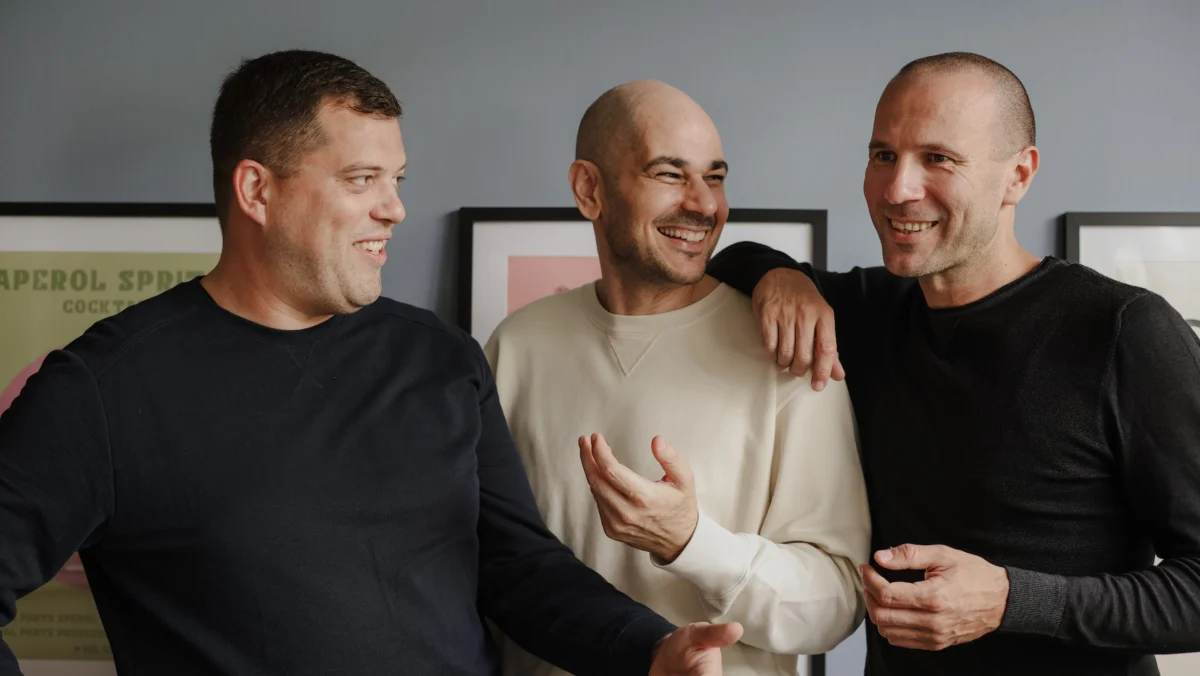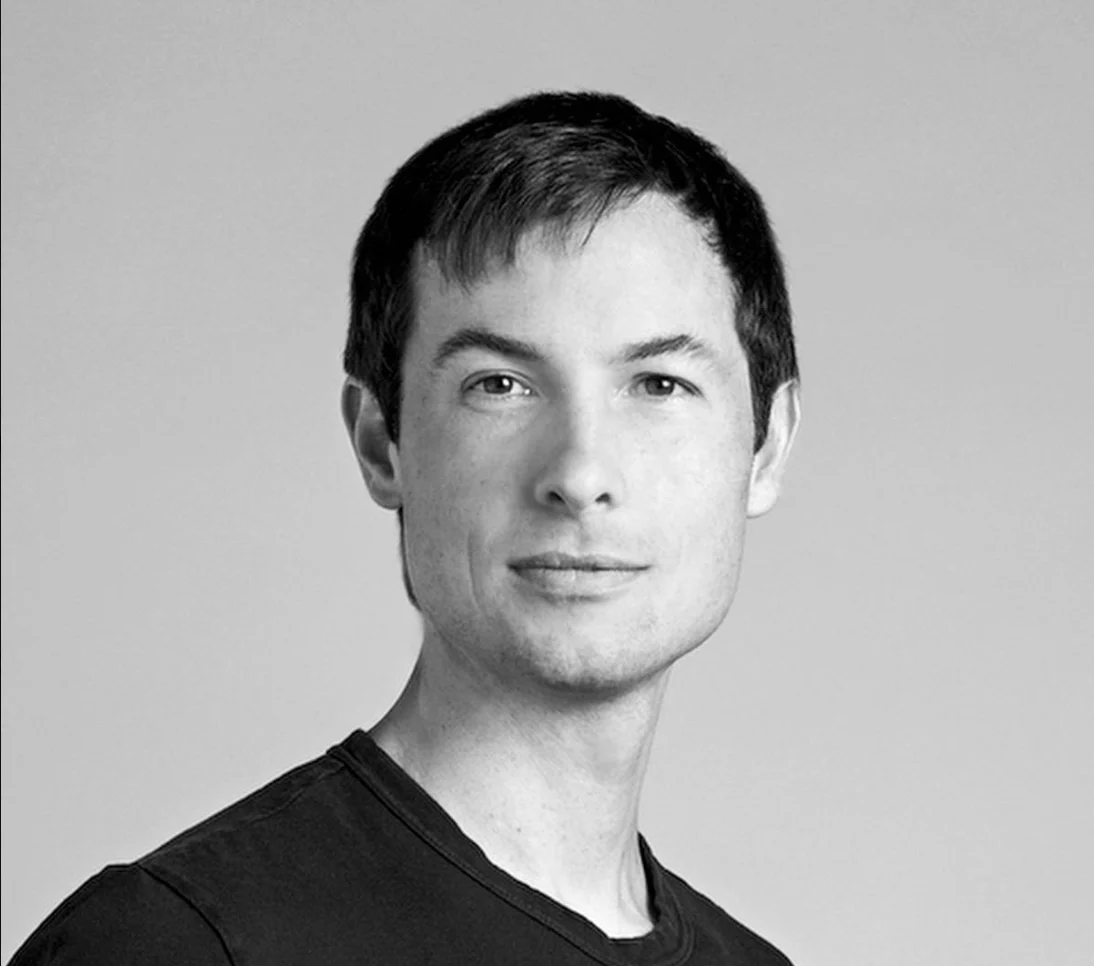
Reed Jobs is a man who prefers the granular details of protein degradation to the glare of his famous surname. Characterized by a rapid-fire, enthusiastic speaking style and a self-deprecating wit, Jobs has spent the last three years meticulously building Yosemite, an oncology-focused venture firm that seeks to bridge the gap between academic research and clinical reality. In a landscape often defined by caution, Jobs is betting that a hybrid approach—blending no-strings-attached philanthropy with institutional venture capital—can unlock the next generation of cancer therapies.
As Yosemite matures, it finds itself at a unique intersection of scientific necessity and technological opportunity. With a team of 17 and a portfolio of nearly 25 companies, the firm is no longer just a startup experiment; it is a serious player in a sector being fundamentally reshaped by AI-driven drug discovery and a massive, imminent "patent cliff" in the pharmaceutical industry.
The Yosemite Philosophy: Bridging the Gap
At the core of Yosemite’s mission is a fundamental rejection of the status quo in biotech funding. Jobs argues that the most transformative cures for cancer are not currently sitting on the shelves of Big Pharma, waiting to be acquired. Instead, they must be built from the ground up, often originating as "gentle ideas" within university labs.
Yosemite’s model is distinct: approximately one-third of its capital is dedicated to "company creation," where the firm works alongside academic institutions like Yale, Stanford, and Berkeley to spin out new ventures. The remaining capital is deployed into existing high-potential companies. Crucially, Yosemite integrates a philanthropic component—allocating 2.5% of assets under management, plus an annual $1 million from management fees—into a donor-advised fund. This allows for early, high-risk exploration without the immediate pressure of equity returns, effectively "de-risking" science before it enters the traditional venture pipeline.
Chronology: From Pandemic Crash to Clinical Breakthroughs
The trajectory of Yosemite has been rapid and reactive to the broader market cycle.
- 2023: Yosemite officially launches amidst a significant biotech downturn. The XBI (the biotech sector’s bellwether index) is reeling from post-pandemic highs, and pharmaceutical companies remain largely hesitant to engage in major acquisitions.
- 2023–2024: Despite the headwinds, Yosemite secures its first fund, establishing its presence at events like TechCrunch Disrupt. It begins funding critical research, including projects from the lab of Jennifer Doudna, which eventually evolves into the portfolio company Azalea.
- 2025: The biotech landscape begins to shift. Interest rates stabilize, and Big Pharma, sitting on massive cash reserves, faces the largest "patent cliff" in history. The necessity to replenish pipelines drives an acquisitive frenzy.
- 2026 (Present): Yosemite announces the first close of its second fund, targeting $350 million. The firm has successfully moved several of its internal projects into clinical trials, including breakthroughs in induced proximity therapeutics and epigenetic editing.
Supporting Data: AI and the New Economics of Medicine
The role of Artificial Intelligence in Yosemite’s operations has evolved from a theoretical curiosity to an operational necessity. Jobs notes that while AI is not necessarily "doing the science better" in every instance, it is performing the "grunt work" of drug discovery with unprecedented speed and reproducibility.
The AI Advantage in Drug Discovery
For decades, researchers could only effectively target roughly 15% of the human genome. The remaining 85% consisted of proteins lacking the natural crevices or "pockets" required for drug molecules to latch on. AI has changed this paradigm by identifying previously unknown "cryptic" pockets. A prime example is the KRAS protein—a notoriously difficult, smooth-surfaced oncogene—which is now being targeted by companies like Revolution Medicines, doubling survival rates in pancreatic cancer patients from 12 to 24 months.
Clinical Trial Efficiency
Perhaps the most significant economic impact of AI lies in clinical trial design. A standard Phase 3 oncology trial can cost upwards of $260 million, with a high failure rate often attributed to poor patient recruitment. Yosemite is leveraging AI to build "synthetic control arms," using existing patient data to serve as a comparison group. This innovation effectively halves the number of patients required for a trial, accelerating the path to market and reducing the cost burden significantly.

Official Responses: Navigating Federal Policy and Market Realities
Jobs has been an outspoken advocate for the National Institutes of Health (NIH), particularly in the face of proposed federal budget cuts. While the current administration has suggested significant reductions—at one point floating a 40% cut—bipartisan support in the House and Senate has consistently protected the agency.
"NIH funding has more than 90% approval," Jobs notes. "Personally, I think we should go on offense—I’d increase it to something like $100 billion." He highlights that on a dollar basis, NIH funding has remained stagnant for a decade, meaning it has effectively shrunk relative to inflation.
Regarding the "undruggable" targets, Jobs identifies p53 as the ultimate objective. As the most frequently suppressed gene in human cancers, p53 has historically been considered untouchable. Yosemite is currently backing three different companies pursuing diverse strategies to reactivate or neutralize mutated forms of p53, an effort that, if successful, would represent a seismic shift in cancer treatment.
Strategic Implications for the Future
The implications of Yosemite’s work extend far beyond the laboratory. The firm’s focus on "induced proximity"—a method where a drug physically drags a disease-causing protein toward the cell’s natural waste-disposal system—represents a new frontier in chemical biology.
The "Pan-Disease" Shift
Jobs points to the rise of GLP-1 agonists (like those used by Eli Lilly) as a turning point for the entire biotech industry. Beyond their primary use for weight loss, these drugs are showing promise in protecting against neurodegenerative diseases and various cancers. This has re-energized the investment community, encouraging firms to look at "pan-disease" risk factors—obesity and smoking—with fresh capital and ambition.
The Human Element
Despite the high-tech focus, Jobs remains pragmatic about the limits of the current "longevity" trend. He cautions against treating aging as a one-size-fits-all business problem. "I don’t think there’s a grand unified theory of aging the way there is in physics," he explains. "Your body ages differently across different cell types, and the interaction of all that is what we call aging."
Conclusion: An Open Door to Innovation
As Yosemite looks to the future, its strategy remains intentionally founder-centric. Jobs maintains an "open door" policy, explicitly stripping CVs and titles from the vetting process to focus solely on the merit of the scientific idea. Whether the applicant is a Nobel laureate or a first-time grant recipient, the criteria for success remain the same: the potential to impact cancer patient outcomes.
In an industry where the stakes are life and death, Reed Jobs and his team at Yosemite are attempting to prove that the best way to predict the future of oncology is to build it. By marrying the precision of AI with the flexibility of philanthropic capital, they are positioning themselves at the vanguard of a new era in medicine—one where the "undruggable" is finally within reach.