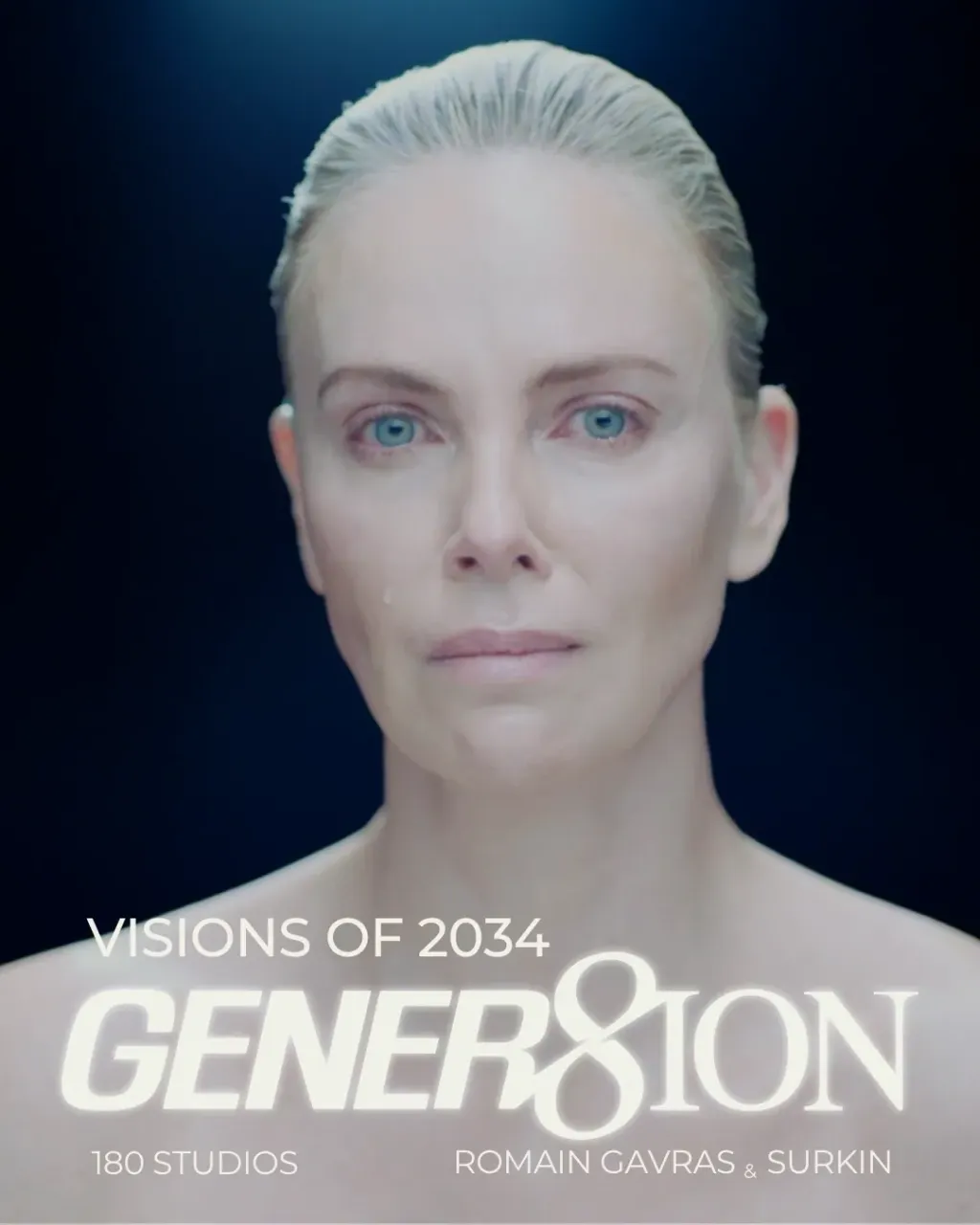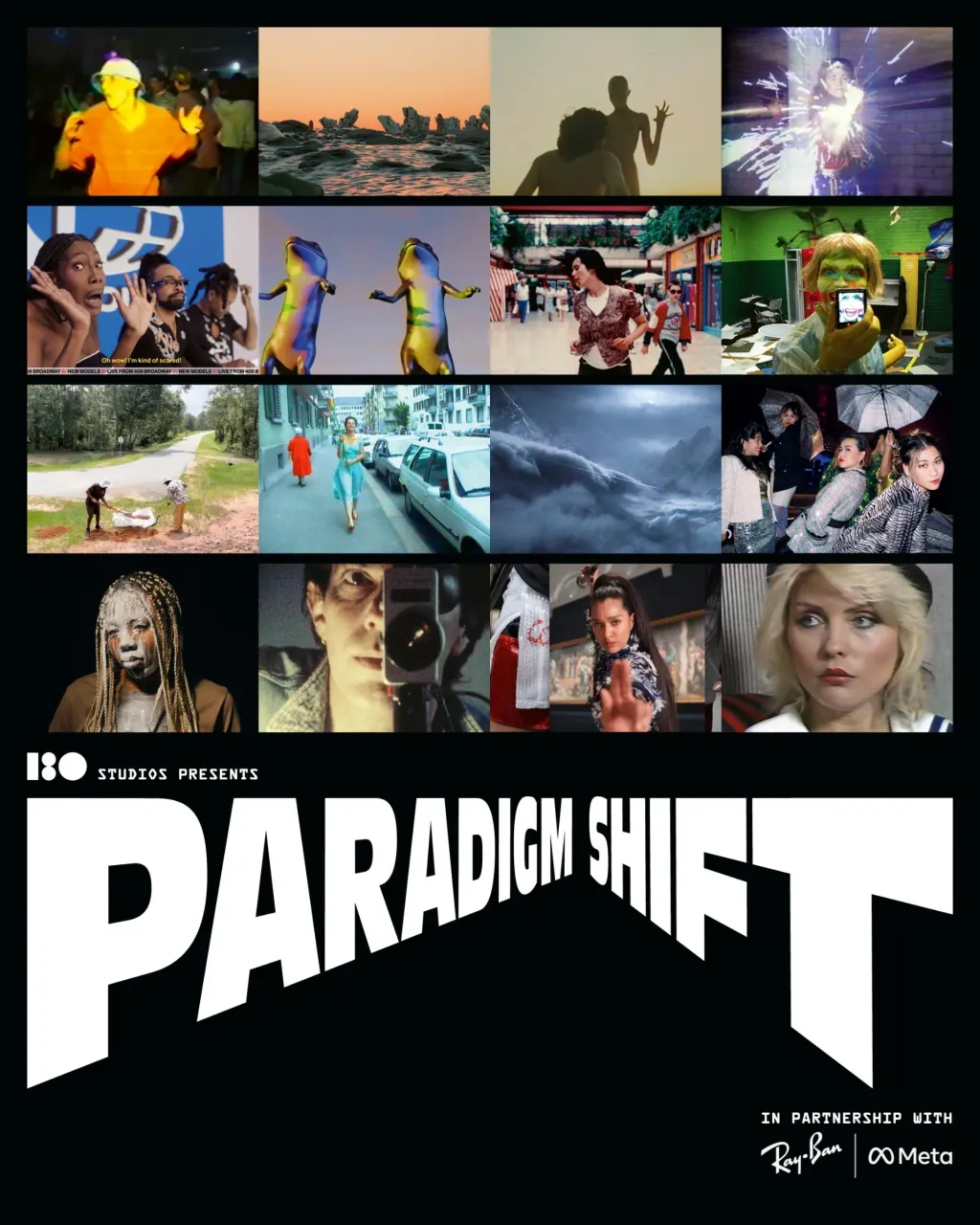
London’s 180 Studios has long established itself as a vanguard of contemporary culture, a cavernous space where the lines between art, technology, and sound blur into immersive experiences. This spring, the institution is further cementing its reputation as a cultural epicenter with the launch of its newest initiative, Sound & Vision. Following the successful month-long theatrical residency of Kahlil Joseph’s BLKNWS: Terms & Conditions, the newly inaugurated "Underground Cinema" at 180 Studios is pivoting to a comprehensive season dedicated to the symbiotic relationship between music and the moving image.
Running from April 10 through June 4, 2026, Sound & Vision offers an expansive retrospective of music-oriented cinema. The season is not merely a film festival but a curatorial masterclass, traversing the history of jazz-funk, the political urgency of Afrobeat, the radical history of ballroom culture, and the ethereal landscapes of ambient electronic music.
The Core Concept: Bridging the Audio-Visual Divide
The Sound & Vision season serves as an ambitious exploration of how music is immortalized, mythologized, and contextualized through film. By pairing feature-length documentaries with a curated program of iconic music videos, 180 Studios aims to provide a holistic view of the artists who have shaped the sonic and visual landscape of the last half-century.
The programming is deliberate, selecting films that transcend standard "biopic" tropes. Instead, the season focuses on the stories behind the sound: the struggle of under-recognized pioneers, the socio-political movements embedded in rhythm, and the intimate live performances that capture a fleeting moment in time. Whether it is the rhythmic resistance of Cymande or the electronic avant-garde of Delia Derbyshire, the selection process highlights the power of film to preserve artistic legacies that might otherwise be relegated to the margins of history.
Chronology: A Two-Month Journey Through Sound
The season is structured as a rotating series, with a new featured film introduced each week to guide the audience through different facets of musical evolution.
April: Roots, Resistance, and Intimacy
The season opens on April 10 with Getting It Back: The Story of Cymande. This film serves as the perfect overture, highlighting the often-overlooked influence of the UK’s most significant jazz-fusion ensemble. Their narrative of resilience sets the stage for the month. Following this, the program moves to the political weight of Fela Kuti in Finding Fela (April 17), providing a sharp transition from British jazz-funk to the revolutionary Afrobeat movement of Nigeria.
The tone shifts toward the ethereal on April 24 with Fred again.. – secret life at the coliseum. This film provides a stark contrast to the historical documentaries, offering an intimate look at a contemporary electronic artist performing for a select group of 100 fans in a hollowed-out, historic space—a thematic echo of the 180 Studios residency itself.
May: Evolution, Identity, and Iconography
As the season progresses into May, the focus shifts toward the intersection of identity and innovation. Keyboard Fantasies (May 1) introduces the world to the late-blooming genius of Beverly Glenn-Copeland, whose journey from isolation to global recognition serves as a testament to the endurance of creative spirit.
On May 8, the program presents Paris Is Burning, an essential entry in the season. Jennie Livingston’s seminal work remains the gold standard for documenting the fierce, high-stakes, and life-saving world of 1980s New York ballroom culture. The mid-month period turns to the monumental with Bowie: The Final Act (May 15), a deep dive into the closing chapter of one of pop culture’s most protean figures.
Late May to June: The Electronic Avant-Garde
The final act of the season is dedicated to the pioneers of sound. Sisters with Transistors (May 22) highlights the women who mastered the machine, ensuring that figures like Laurie Anderson and Suzanne Ciani are positioned at the forefront of electronic history. The season concludes with Ryuichi Sakamoto: Coda (May 29), a poignant and intimate meditation on mortality, activism, and the sheer power of composition, closing the curtain on June 4.
Supporting Data: The Music Video Exhibition
Parallel to the feature-length screenings, 180 Studios has activated an adjacent exhibition space that functions as a gallery of high-art music videos. By bringing these videos out of the algorithm-driven landscape of YouTube and into a physical gallery setting, 180 Studios invites a different kind of engagement.

The curated list of directors reads like a "who’s who" of modern visionary filmmaking:
- Romain Gavras: Represented by the frenetic energy of Jamie xx’s "Gosh."
- Gabriel Moses: Featuring the stylized intensity of Travis Scott’s "4×4."
- Melina Matsoukas: Showcasing the cultural monument that is Beyoncé’s "Formation."
- Kahlil Joseph: Highlighting the dreamlike atmosphere of Flying Lotus’ "Until the Quiet Comes."
- Chris Cunningham: The master of surrealist horror-glitch, represented by Aphex Twin’s "Windowlicker."
These works demonstrate that the music video is not a subsidiary tool for marketing, but a primary vehicle for visual storytelling.
Official Stance and Curation Philosophy
While 180 Studios has not released a formal manifesto regarding Sound & Vision, the selection criteria are evident in the curation. The team has opted for a "human-centric" approach. Rather than focusing on massive, multi-million dollar stadium concert films, the focus remains on the process of music-making and the sociology of the music scene.
By showcasing films like Keyboard Fantasies and Sisters with Transistors, the studio is making a concerted effort to platform narratives that challenge the status quo. The choice to include Ryuichi Sakamoto’s Coda suggests a desire to provide a space for quiet reflection, countering the noise of the modern digital music experience.
Implications: The Future of Cultural Programming
The success of Sound & Vision is likely to have significant implications for how institutions handle musical legacy in the digital age. As music becomes increasingly ephemeral—consumed via fleeting social media clips and algorithmically generated playlists—the desire for long-form, contextualized viewing experiences is growing.
Cultural Preservation
180 Studios is effectively positioning itself as a physical archive. By hosting these screenings, they are validating these films as essential cultural texts. For younger audiences, this is an entry point into the history of genres they consume daily, often without knowing the originators.
The Venue as a Medium
The "Underground Cinema" space is crucial to the experience. By stripping away the domestic distractions of a home cinema or the commercial trappings of a multiplex, 180 Studios forces an encounter between the spectator and the artist. The venue acts as a "black box" that strips away the noise of the outside world, allowing for a pure, immersive focus on the audio-visual output.
A New Model for Galleries
This initiative suggests that the future of gallery spaces lies in "temporal programming." Rather than static exhibitions that remain unchanged for months, institutions are moving toward a model of constant rotation. This creates a "fear of missing out" (FOMO) that drives attendance while simultaneously fostering a sense of community among those who share these specific viewing experiences week after week.
Conclusion: Why Now?
In an era where music history is often flattened by the weight of digital content, Sound & Vision provides a necessary corrective. It serves as a reminder that music is not just sound—it is vision, struggle, identity, and politics. By hosting this season, 180 Studios is doing more than screening films; they are facilitating a dialogue between the past and the present, ensuring that the stories of artists like Fela Kuti, Delia Derbyshire, and Ryuichi Sakamoto continue to resonate with the next generation of creators and consumers.
Tickets for the season are currently available via the official 180 Studios website. Given the limited capacity of the Underground Cinema and the high profile of the featured works, it is highly recommended that attendees book well in advance. As we navigate the complexities of 2026, Sound & Vision stands as a vital reminder of the power of art to unify, to challenge, and to endure.