In an era defined by the frantic pace of digital consumption and the saturation of algorithmic playlists, the arrival of Unna serves as a deliberate, necessary pause. This collaborative EP, marking the inaugural release of Ojas Music—the new record label helmed by renowned audio designer Devon Turnbull—is more than a collection of songs. It is a masterclass in minimalism, a dialogue between two of the most respected figures in modern ambient composition: Michael A. Muller and Otto A. Totland.
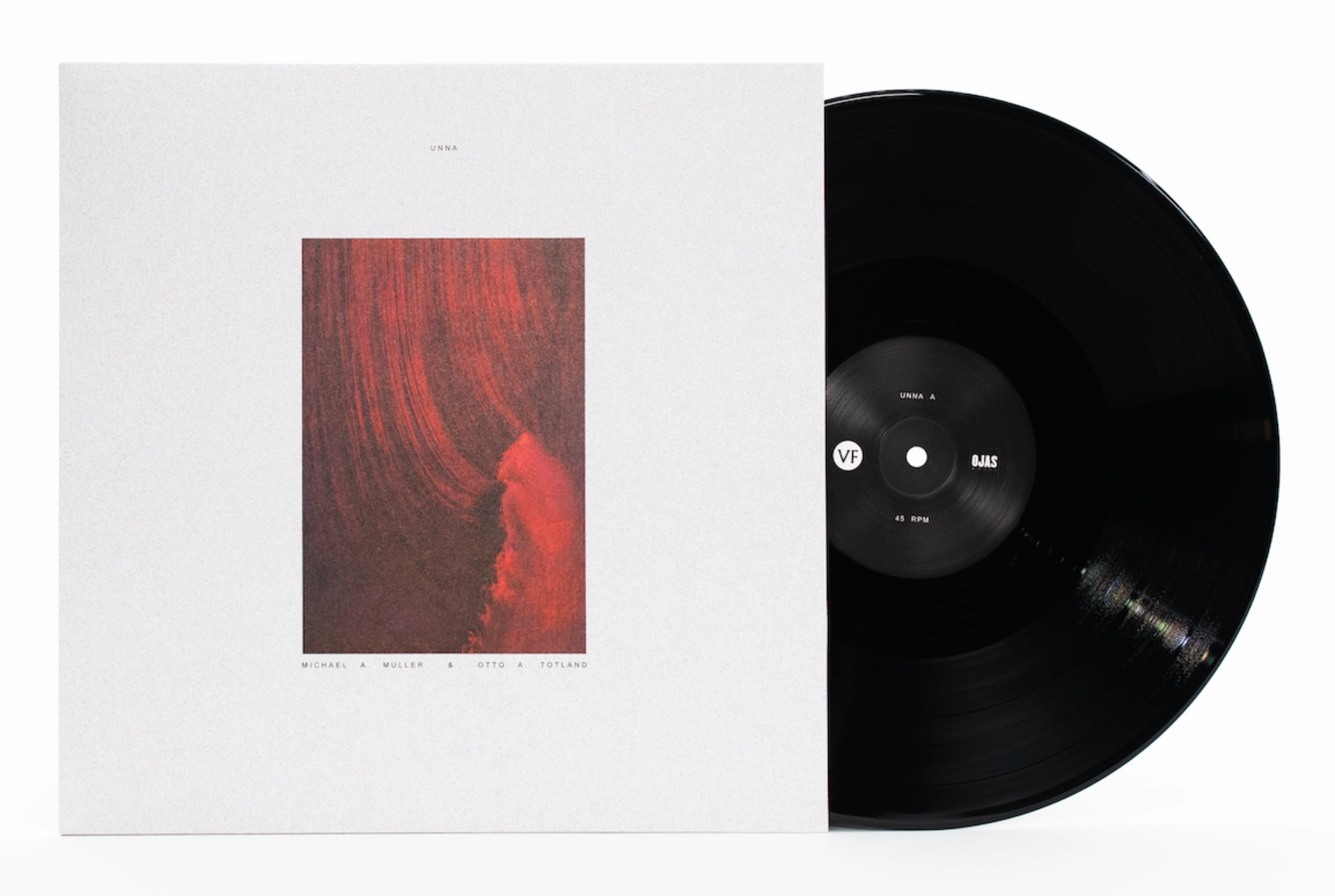
Through a partnership with The Vinyl Factory, Unna emerges as a tactile response to the ephemeral nature of sound, pressing the ethereal interplay of piano and textural instrumentation onto 180g vinyl. Limited to a run of 500 copies, the release serves as a manifesto for Ojas Music, signaling a commitment to high-fidelity sonic experiences that prioritize depth over density.
The Genesis of a Collaboration: Main Facts
The collaboration between Muller and Totland is not merely a meeting of two musicians; it is the convergence of two distinct, yet complementary, lineages of contemporary ambient music.
Michael A. Muller, best known as the co-founder of the minimalist instrumental duo Balmorhea, has spent decades carving out a space for emotive, cinematic compositions. His career is marked by a refusal to be pinned down by genre, weaving influences from post-rock, classical, and ambient spheres. His solo work and film scoring have seen him collaborating with luminaries such as Hania Rani, Alva Noto, and Víkingur Ólafsson, establishing him as a vital bridge between experimental sound design and traditional musicality.
On the other side of this transatlantic partnership sits Otto A. Totland. As one half of the Norwegian duo Deaf Center—a group whose seminal releases on Type Records and Sonic Pieces arguably defined the sound of 21st-century ambient music—Totland has spent his career exploring the architecture of silence. His subsequent solo piano trilogy, produced under the watchful ear of Nils Frahm, cemented his reputation as an artist capable of wringing profound emotional resonance from the simplest of arrangements.
Unna—a Norwegian term meaning "away"—functions as the thematic core of the record. It represents a dual state of being: the literal physical distance between the Texas-based Muller and the Oslo-based Totland, and the metaphorical "flow state" that the music invites the listener to occupy. It is a record about turning inward, where time recedes, and the listener is invited to dwell in the negative space between notes.
A Chronology of Sound: From Deaf Center to Ojas
To understand the weight of this collaboration, one must look back at the trajectories of both artists.
The Foundation (2000–2010)
In the early 2000s, the ambient landscape was undergoing a significant transformation. Deaf Center, formed by Totland and Erik K Skodvin, emerged as a vanguard of "dark ambient," utilizing grainy textures and melancholic piano to create soundscapes that felt both ancient and futuristic. Simultaneously, Muller was establishing Balmorhea in Austin, Texas, blending chamber music sensibilities with a post-rock ethos that captured the vastness of the American landscape.
The Refinement (2010–2020)
During this decade, both artists pivoted toward solo work. Totland’s focus turned toward the intimacy of the piano. By stripping away the processed layers of his earlier work, he embraced a raw, close-miked aesthetic that made the mechanical sounds of the instrument—the hammers, the felt, the breath—part of the composition. Muller, meanwhile, deepened his involvement in film scoring and cross-genre collaborations, working with members of Tortoise and The Album Leaf to expand his sonic vocabulary to include synthesis and field recording.
The Ojas Partnership (2023–Present)
Devon Turnbull’s entry into the label space via Ojas Music is the final piece of this puzzle. Having gained a cult following for his HiFi Listening Room Dream installations, Turnbull sought to bridge the gap between high-end hardware and the music that justifies such equipment. Unna was chosen as the label’s debut because it embodies the Ojas philosophy: that music is not just background noise, but an active, physical experience.
Supporting Data: The Technical Architecture of Unna
The sound of Unna is characterized by a "less is more" philosophy that requires extreme technical precision. The recording process utilized Totland’s signature close-miked piano techniques, which capture the decay of every note with startling clarity.
Against this backdrop, Muller introduces a subtle palette of textures. Using the double bass, glockenspiel, Mellotron, and Rhodes, he avoids traditional rhythmic structures, opting instead to provide harmonic "clouds" that hover around Totland’s melodies.

Instrumental Distribution:
- Piano: Provided by Otto A. Totland; recorded with high-sensitivity ribbon microphones to emphasize the physical warmth of the keys.
- Textural Counterpoints: Provided by Michael A. Muller; utilized as "color" rather than melody. The Mellotron contributes a ghostly, vintage quality, while the Rhodes provides a grounding, warm bottom end.
- Vinyl Specs: Pressed on 180g heavyweight wax, designed to minimize surface noise and maximize the dynamic range of the quieter passages.
The limited run of 500 copies is a strategic choice, emphasizing the objecthood of the music. In an age of infinite digital access, the physical artifact—housed in minimal, high-quality packaging—acts as a totem for the listener to dedicate time to the work.
Official Perspectives: The Philosophy of Listening
Devon Turnbull’s involvement in this project is not merely as a curator, but as an architect of the listening environment. His installation, HiFi Listening Room Dream No. 1 at 180 Studios, provides the context for how this music is meant to be consumed.
"When we talk about ‘audiophile’ music, we often get caught up in the technical specs of the equipment," Turnbull noted in recent discussions regarding the label’s launch. "But the equipment is only the medium. The message is the intentionality of the artist. With Unna, Michael and Otto have created a space that demands attention. You cannot listen to this while multitasking. It requires you to sit down, to silence the room, and to enter that ‘away’ space they have built."
Muller and Totland have described the process of making the record as a "distanced conversation." Because they could not be in the same room, the files were sent back and forth, each artist responding to the other’s mood. This delay in communication became a feature, not a bug; it allowed each artist to contemplate the other’s contributions for longer periods, leading to a more considered, meditative final product.
Implications: The Future of the "Listening Room" Movement
The release of Unna and the launch of Ojas Music points to a broader cultural shift. We are witnessing a "Slow Listening" movement, mirroring the "Slow Food" or "Slow Living" trends of the past decade.
The Rejection of Algorithmic Curation
The music industry is currently dominated by playlists that prioritize "mood" or "vibe" as a way to keep users engaged for hours. Unna actively resists this by being too specific, too quiet, and too demanding to fit into a generic "focus" playlist. By releasing this through a boutique label focused on the physical experience, the artists are reclaiming agency over how their music is contextualized.
The Audiophile Revival
For years, the audiophile world was relegated to a niche of hobbyists obsessing over speaker cables and tube amps. Today, the lines are blurring. As high-fidelity streaming becomes more common, audiences are becoming more discerning. Ojas Music is positioned at the intersection of this trend, treating the music as an extension of the hardware—an approach that could redefine how independent ambient artists package and release their work in the coming years.
The Sustainability of Minimalism
Finally, Unna proves that the minimalist ambient genre has not reached its creative expiration date. By pairing established veterans of the scene with a design-led label, the music gains a new level of cultural cachet. It elevates ambient music from "functional" sound (music for studying or sleeping) to "canonical" sound (music for contemplation and artistic study).
Conclusion
Unna is a record that demands little from the world but expects everything from the listener. In its quietude, it holds the tension of a long-distance conversation, the warmth of vintage tape, and the crystalline precision of a well-tuned piano.
As the first release from Ojas Music, it sets a high bar. It tells us that Devon Turnbull’s label is not interested in capturing the sound of the moment, but rather in preserving the sound of the soul. For those who find themselves overwhelmed by the noise of the contemporary world, the 500 copies of this vinyl record represent a sanctuary. It is an invitation to go away, to leave the noise behind, and to inhabit the silent, resonant space that only music of this caliber can provide.
As the visualiser for "Rolig" makes clear, the music is an invitation to stillness. Whether you listen on a custom-built Ojas sound system or a humble turntable, the result remains the same: a profound, fleeting, and essential encounter with the art of listening.