By Tech Insights Bureau
October 11, 2026
In a move that signals a significant strategic pivot, Apple is poised to unveil its most ambitious smart home hardware to date. According to reports from Bloomberg’s Mark Gurman, the tech giant is scheduled to announce a brand-new smart home hub, dubbed "HomeView," this coming Tuesday. This launch marks a long-awaited expansion of Apple’s ecosystem, positioning the company to compete more aggressively in a market that has long been dominated by competitors like Amazon’s Echo Show and Google’s Nest Hub.
For years, the smart home category has been a secondary concern for Cupertino, characterized by the moderate success of the HomePod line and the utility-focused, yet fragmented, HomeKit software framework. With the introduction of HomeView, Apple appears to be shifting from a participant to a primary orchestrator of the modern connected living space.
Main Facts: The Anatomy of HomeView
The HomeView is described as a dedicated command center for the digital home, powered by Apple’s high-performance A18 chip. By integrating a dedicated processor typically reserved for their flagship mobile devices, Apple is signaling that this device is intended to handle heavy computational tasks locally—likely focusing on advanced artificial intelligence, real-time image processing for security cameras, and low-latency voice command responses through a next-generation version of Siri.
Key specifications and features currently circulating include:
- Dual Form Factors: To cater to diverse living environments, Apple will reportedly offer two distinct models. One version is designed to sit on kitchen countertops or bedside tables, while the second is engineered for wall-mounting, acting as a sleek, permanent dashboard for home management.
- Siri Integration: Central to the device is a revamped, highly capable Siri. Leveraging the A18 chip, the device will likely process requests on-device rather than in the cloud, significantly improving speed and privacy—two pillars of Apple’s current marketing strategy.
- The Hub Concept: Beyond being a screen, HomeView is designed to be the "brain" of the home, unifying lights, locks, cameras, and thermostats into a single, cohesive interface.
A Chronology of Anticipation: From Rumor to Reality
The road to the HomeView announcement has been a long and winding one, marked by internal shifts and technical hurdles.
- 2023–2024: Whispers of a "smart display" from Apple began circulating in the tech community. Early rumors suggested Apple was experimenting with iPad-like devices that could be magnetically docked to walls.
- March 2025: Hopes for an immediate launch were dashed when reports surfaced that Apple’s smart home project had hit a significant roadblock. Engineering challenges regarding Siri’s natural language processing and integration with third-party devices led to a reported delay.
- Late 2025: Apple reportedly re-tooled its hardware roadmap, deciding to focus on a dedicated silicon-powered hub rather than repurposing tablet hardware.
- October 6, 2026: Reports emerged that Apple had secured a strategic partnership with LG. This deal aims to expand the HomeKit ecosystem through co-branded peripherals, including smart locks, thermostats, and video doorbells.
- October 13, 2026: The official launch date for HomeView and the refreshed home product lineup.
This timeline reflects a deliberate, albeit slow, development cycle. By taking the extra time to refine the software and hardware integration, Apple is likely attempting to avoid the "fragmented" reputation that has plagued its home automation efforts in the past.
Supporting Data: Why Apple Needs a Win
Apple’s venture into the smart home is not just about expanding their product portfolio; it is about addressing a critical gap in their services revenue.
Current market data indicates that while the iPhone remains the bedrock of Apple’s success, growth in mature smartphone markets is slowing. Conversely, the smart home market is projected to reach nearly $300 billion in global valuation by 2030. To date, Apple’s HomeKit has been hampered by a lack of dedicated hardware that bridges the gap between the iPhone and the home environment.
The HomePod, while praised for its audio quality, never captured the mass-market adoption of the Amazon Echo or Google Nest. By launching HomeView, Apple is betting on the "dashboard" trend—a central visual interface that allows users to monitor their home security, view family calendars, and control ambient lighting without needing to unlock a phone.
Furthermore, the integration with LG for peripheral hardware suggests a "walled garden" approach to home security and climate control, ensuring that users have a seamless, end-to-end experience that third-party devices often struggle to provide consistently.

Implications: The Future of the Ecosystem
The launch of the HomeView is poised to have a ripple effect across several sectors:
1. The Death of the "Fragmented Home"
For years, users have struggled with devices that don’t talk to each other. By positioning HomeView as the primary interface, Apple is attempting to enforce its stringent security and privacy standards across the entire household. If successful, this could drive a new wave of consumer trust, as users will be able to manage their smart home with the same confidence they currently have in their iCloud data.
2. A Challenge to Competitors
Amazon and Google have long relied on the "low-cost smart speaker" as a gateway to their ecosystems. Apple’s approach appears to be different: by launching a high-performance device with an A18 chip, they are positioning themselves as a premium player. This forces competitors to justify their own hardware value propositions. If users find that HomeView offers a superior, more private, and faster experience, the budget smart-speaker market may face significant pressure.
3. The "Whole Home" Strategy
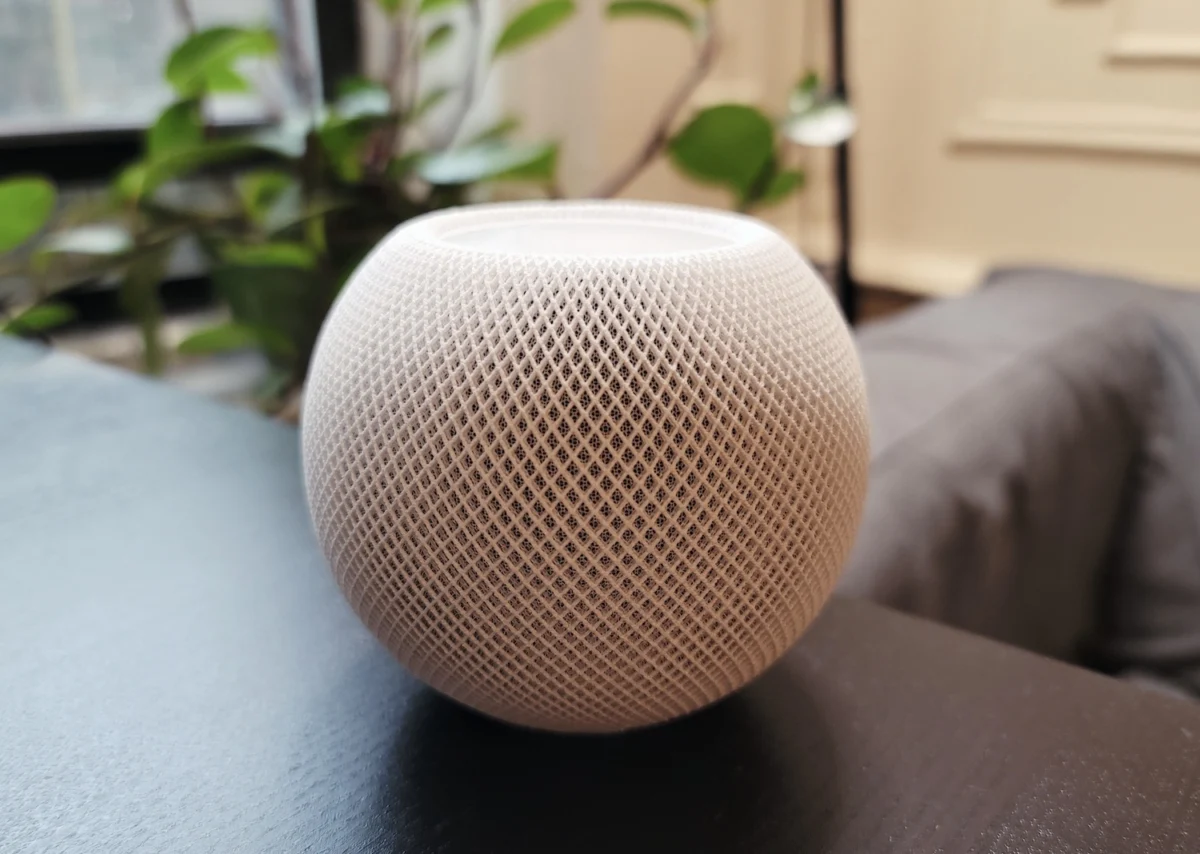
The accompanying updates to the Apple TV and HomePod mini suggest that Apple is building a cohesive "home ecosystem." Imagine a scenario where a doorbell rings (LG/Apple), the video feed appears on the HomeView display, and the audio is broadcast through the Apple TV sound system—all orchestrated by a single, invisible backend. This level of synergy is the holy grail of consumer tech.
Official Responses and Industry Outlook
While Apple has not yet issued a formal press release ahead of the Tuesday event, the industry response has been one of cautious optimism. Analysts note that Apple’s strength has never been in the first-mover advantage, but rather in the "better-mover" advantage—the ability to enter a market, refine the user experience, and dominate through superior hardware-software integration.
"Apple isn’t trying to be the first to the smart home," says industry analyst Sarah Jenkins. "They are trying to be the last one you ever need to buy. If they can make the HomeView as intuitive as the iPhone, they will fundamentally change how we interact with our living spaces."
However, hurdles remain. Consumers are increasingly wary of "smart" surveillance in their homes, and concerns regarding data collection persist. Apple’s marketing narrative, which leans heavily on "Privacy by Design," will be put to the test. If the HomeView succeeds in convincing users that their domestic habits are safe from data-harvesting entities, it could become a household staple within the next five years.
Conclusion: A Turning Point for Cupertino
The announcement on Tuesday will be more than just a hardware showcase; it will be a declaration of intent. Apple is clearly signaling that the next frontier for its ecosystem is the four walls of the consumer’s home.
With the HomeView, the updated Apple TV, the refreshed HomePod mini, and the new LG-partnered peripherals, the company is assembling a comprehensive toolkit for the modern, automated life. Whether this collection of devices will result in a unified, frictionless experience or simply add more complexity to an already crowded market remains to be seen.
As we look toward the announcement, one thing is certain: Apple is no longer satisfied with being a guest in the smart home. They are intent on becoming the architect.
Stay tuned for our live coverage of the Apple event this Tuesday, where we will provide a hands-on look at the new hardware and a deep dive into the technical capabilities of the HomeView.