By Tech Desk
June 14, 2026
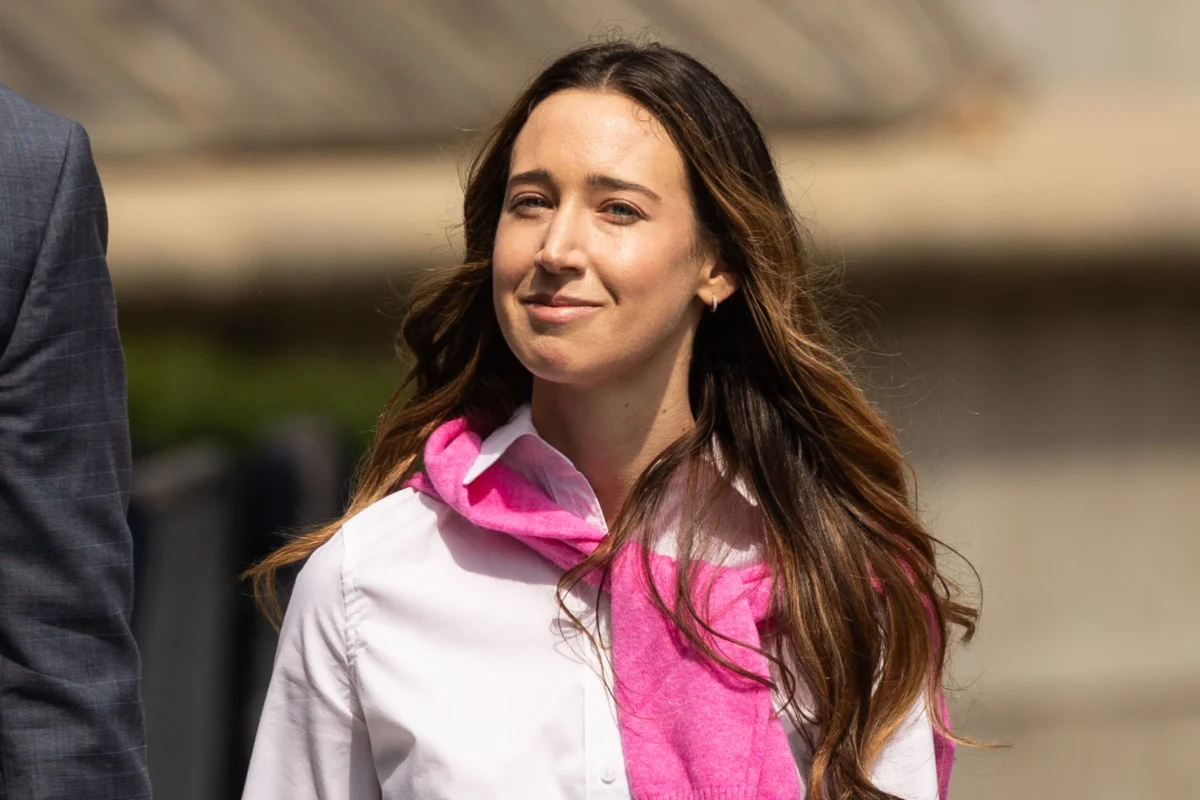
In an audacious move that has sent shockwaves through the corridors of Wall Street and the halls of Washington, Charlie Javice, the disgraced founder of the college financial aid startup Frank, is reportedly maneuvering to secure a presidential pardon. Javice, currently serving a seven-year prison sentence for her role in a massive fraud scheme that defrauded JPMorgan Chase, is said to be quietly courting individuals within the inner circle of the Trump administration.
As the nation approaches its 250th anniversary, rumors of a sweeping clemency initiative—potentially encompassing up to 250 pardons—have turned the Department of Justice into a focal point of intense lobbying. Javice, however, has opted for a more clandestine approach; her name has yet to appear on any formal clemency application filed with the Office of the Pardon Attorney at the Justice Department.
The Fraud That Toppled a Fintech Star
The genesis of Javice’s legal predicament lies in the collapse of her startup, Frank. Once hailed as a wunderkind of the fintech sector, Javice promised to streamline the bureaucratic nightmare of applying for federal financial aid. In 2021, JPMorgan Chase acquired the platform for $175 million, viewing it as a strategic gateway to a younger, college-aged demographic.
However, the acquisition quickly devolved into a corporate nightmare. Following the purchase, JPMorgan discovered that the vast majority of Frank’s claimed four million users were entirely fictitious. Javice had allegedly paid a data scientist to fabricate millions of customer profiles, effectively inflating the startup’s value by orders of magnitude.
In September 2025, after a high-profile trial, a jury found Javice guilty of bank fraud, wire fraud, and conspiracy. The presiding judge handed down a sentence of more than seven years. Throughout the proceedings, Javice maintained her innocence, arguing that the startup’s technology was legitimate and that she was being scapegoated by the banking giant. She is currently pursuing an appeal, claiming that the prosecution’s case was fundamentally flawed and biased.
A Growing Queue of White-Collar Defendants
Javice is not alone in her quest for executive clemency. The rumored "Semiquincentennial Pardon List" has become a magnet for some of the most high-profile white-collar criminals in recent memory. Among those reportedly seeking relief is Sam Bankman-Fried, the founder of the collapsed cryptocurrency exchange FTX.
The trend reflects a broader shift in the political landscape, where high-stakes litigation often intersects with political influence. For defendants like Javice, a pardon represents not just a path to freedom, but a total reversal of a narrative that has defined their careers—and their infamy. The sheer volume of requests suggests that the administration’s upcoming pardon cycle could be one of the most controversial in American history.
The JPMorgan Factor: A Tense History
For JPMorgan Chase, the prospect of a pardon for Javice is more than a legal footnote; it is a point of acute tension. The relationship between the nation’s largest bank and President Trump has been fraught with hostility for years.
In early 2021, in the wake of the January 6 Capitol riot, JPMorgan took the step of closing accounts associated with Donald Trump and his businesses. While the bank maintained that the move was part of a routine risk-management protocol, the former President labeled it "debanking" and a politically motivated attack. The fallout culminated in a staggering $5 billion lawsuit filed by the Trump organization against JPMorgan and its CEO, Jamie Dimon.

While the bank has consistently denied any political motivation behind its internal banking decisions, the animosity remains palpable. Observers note that if the administration were to grant Javice a pardon, it would be perceived by many as a calculated jab at Dimon and the institutional establishment that the administration has frequently cast as its adversary.
The Power Brokers: Influence and Advocacy
Javice’s attempt to secure a pardon is bolstered by a network of influential figures who have remained loyal to her cause. Central to this group is Marc Rowan, the CEO of the private equity giant Apollo Global Management. Rowan was an early investor in Frank and took the witness stand during Javice’s trial to speak in her defense.
Rowan’s influence extends far beyond his role at Apollo. As a significant donor to Trump’s campaigns and a major contributor to Republican congressional groups since the President’s reelection, Rowan sits at the intersection of private equity and political power. His willingness to lobby on Javice’s behalf provides her with a level of access that few other white-collar inmates could hope to achieve.
Implications for the Justice System
The potential pardon of high-profile fraudsters like Javice and Bankman-Fried raises profound questions about the integrity of the American judicial process. Critics argue that if the executive branch uses the pardon power to effectively "overrule" the verdicts of federal juries, it undermines the deterrent effect of federal law.
"The justice system is built on the premise that evidence, presented in a court of law, determines guilt or innocence," says legal analyst Sarah Jenkins. "When you introduce political patronage into the equation, you risk turning the pardon power from an act of mercy into a tool of political reward. It creates a two-tiered system where the well-connected, who have the resources to hire elite lobbyists and influence political donors, can secure an exit ramp that the average defendant could never access."
Furthermore, if the administration proceeds with these pardons, it could signal a shift in how the government views corporate fraud. In an era where fintech and crypto sectors have often operated in regulatory gray areas, a pardon could be interpreted as a message of leniency toward aggressive, if not fraudulent, business practices.
Looking Ahead: The Summer of Clemency
As the July 4, 2026, deadline for the 250th-anniversary celebration approaches, the pressure on the White House will only intensify. The Justice Department, usually the gatekeeper of the pardon process, finds itself in a delicate position. If the President chooses to bypass the standard vetting process—which typically involves an exhaustive review by the Pardon Attorney—it could trigger a constitutional debate regarding the scope of executive power.
For Charlie Javice, the coming weeks are critical. Whether her back-channel efforts to reach the Oval Office will succeed remains a matter of intense speculation. If she is successful, her release would mark a stunning comeback and a significant defeat for the prosecutors who spent years building the case against her.
If she fails, she remains a cautionary tale—a reminder of the thin line between the heights of startup success and the depths of federal prison. As the list of applicants grows and the political stakes rise, the nation waits to see how the administration will navigate the conflicting demands of justice, political loyalty, and the legacy of its own executive actions.
This article is based on ongoing reporting. For updates on the status of the 250th-anniversary pardon list and developments in the Javice appeal, subscribe to our daily Fintech newsletter.