In a bold move that signals the next chapter of digital music consumption, Spotify is doubling down on artificial intelligence. As the platform prepares to roll out its highly anticipated AI remixing tool, the company is navigating a complex web of licensing, artistic rights, and technical infrastructure. Following recent partnerships with industry heavyweights, including Universal Music Group, Merlin, Kobalt, and most recently, Paris-based Believe, Spotify is signaling that the era of interactive, AI-assisted music creation is not just an experiment—it is a cornerstone of its future business model.
The Architecture of Consent: A New Licensing Paradigm
The fundamental challenge for any platform integrating generative AI into the creative process is the legal and ethical landscape of copyright. Spotify’s approach, championed by co-CEOs Alex Norström and Gustav Söderström, centers on what the company calls the "Three C’s": Consent, Credit, and Compensation.
Under this framework, the AI remixing tool will not simply ingest music to create derivative works in a vacuum. Instead, it operates on a licensing-first philosophy. By securing partnerships with major labels and independent distributors like Believe and TuneCore, Spotify ensures that artists and songwriters remain at the center of the value chain.
"Even beyond these companies, we have broad-based support," Alex Norström stated in an exclusive interview with Billboard. "I can’t speak for our label partners or publishing partners, but you know, there’s a lot of conversations being had with artists, rights holders, and songwriters across the industry, and it’s moving in the right direction. The excitement is gaining."
This "broad-based support" suggests that while the initial headlines focused on the largest entities in the music business, the underlying infrastructure is being built to accommodate a vast ecosystem of creators. The goal is to allow fans to transform their favorite tracks into new, personalized versions, effectively turning listeners into active participants in the creative lifecycle of a song.
Chronology: Building Toward the AI Horizon
The journey toward this AI-integrated future has been methodical. Spotify’s pivot to generative tools did not happen overnight; it is the culmination of years of investment in machine learning and a response to the rapid rise of AI-generated content on the platform.
- September 2025: Spotify implemented a significant update to its AI music policies, marking a turning point in how it handles non-human-generated content. This policy shift was designed to protect the integrity of the streaming ecosystem from an influx of low-quality, AI-generated "spam" tracks.
- Late 2025 – Early 2026: The company ramped up its internal efforts to develop proprietary AI models that respect copyright, distinguishing "authorized" AI creation from "unauthorized" AI noise.
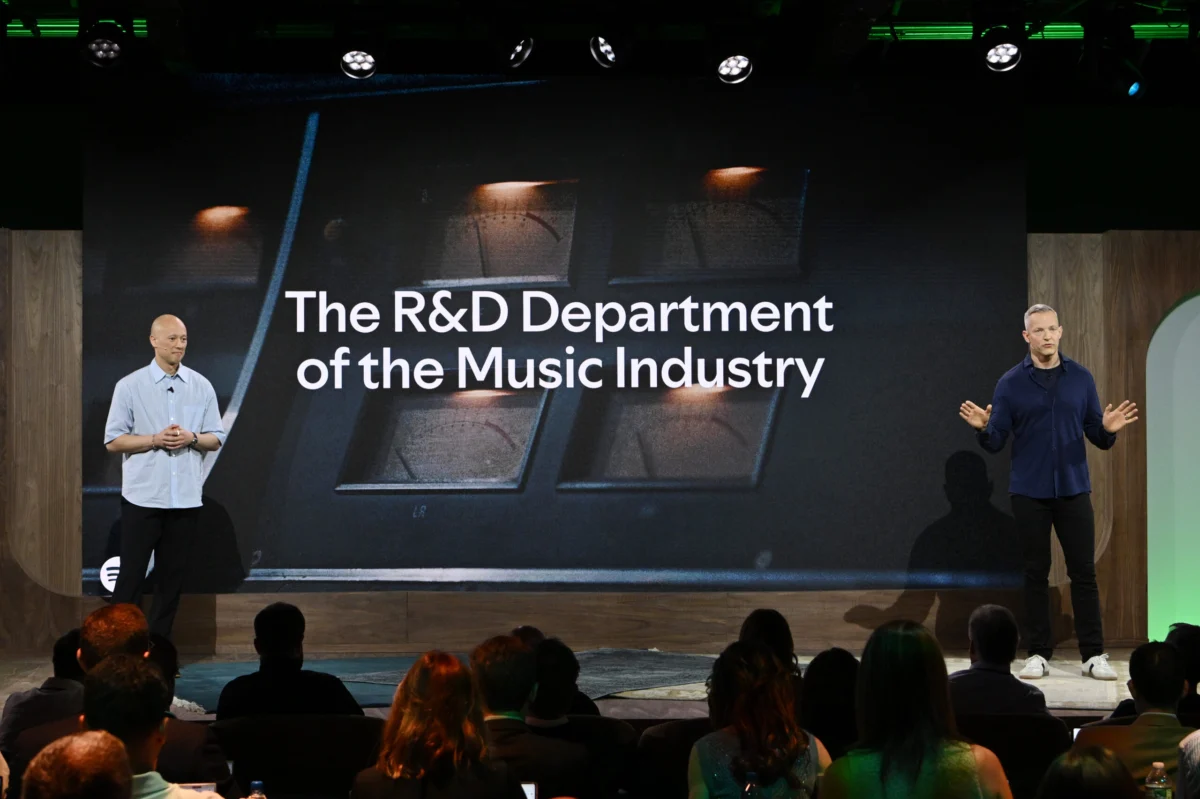
- May 2026: At the Spotify Investor Day, leadership articulated the vision of a platform that bridges the gap between passive listening and active creation.
- October 2026: The formalization of the licensing agreement with Believe solidified the model, proving that the "Three C’s" framework is a viable path forward for independent labels as well as the majors.
Throughout this timeline, the platform has faced the daunting task of scrubbing its recommendations of over 125 million AI-spam tracks—a clear indicator of the company’s commitment to prioritizing human-centric, high-quality audio while preparing the ground for sanctioned AI tools.
The Economics of Engagement: Compensation in the AI Era
Perhaps the most critical aspect of the upcoming tool is its financial model. While the company has remained tight-lipped regarding specific pricing tiers for the add-on service, the intent is clear: to generate new, sustainable revenue streams for the entire industry.
"This is a way for artists to participate in AI rather than just focusing on net new music being created," says Gustav Söderström. "And, if you think about that royalty pool, Spotify is the biggest one. We think we’re the right company to do this."
The financial implications are profound. If the AI remixing tool succeeds, it essentially creates a new category of "secondary" music assets. When a fan uses the tool to remix a song, the resulting work—if monetized—will flow back into a royalty pool. This ensures that the original songwriter and performer receive a share of the value created by the fan’s interaction.
For an industry that has seen $70 billion paid out to rights holders since Spotify’s inception, this move is a strategic evolution. It transforms the listener from a consumer of static files into a participant in a collaborative ecosystem, potentially increasing the total addressable market for music royalties.

Supporting Data: Scale and Stability
Spotify’s capacity to execute this transition is supported by its massive scale. In the third quarter of 2026, the company reported 316 million premium subscribers—a testament to its growth since its 2018 IPO, when it counted just 71 million.
This subscriber base provides the necessary liquidity to make such a complex royalty model work. Furthermore, the aggressive removal of over 50 million "AI-spam" tracks from recommendations demonstrates that the company is refining its detection capabilities. By utilizing a combination of metadata analysis, upload pattern recognition, and third-party AI detection tools, Spotify is effectively "clearing the weeds" so that authorized AI tools can flourish in a curated, legitimate environment.
Implications for the Creative Ecosystem
The rollout of this tool carries significant implications for the future of music production and consumption.
1. The Empowerment of the "Prosumer"
The barrier to entry for high-quality music production is rapidly dissolving. By providing tools that are legally licensed and royalty-integrated, Spotify is inviting fans to engage with music in ways that were previously reserved for professional producers with expensive software.
2. The Evolution of Artist Branding
For artists, this creates a new frontier of engagement. An artist could potentially release an "AI-ready" version of a track, explicitly inviting their fanbase to remix it. This not only deepens the connection between the artist and their community but also serves as a powerful marketing tool, as remixed versions of songs often go viral on social media platforms.
3. Regulatory and Legal Precedent
Spotify’s "Three C’s" approach is likely to serve as a blueprint for other streaming services. As the industry grapples with the legal ambiguities of training data and generative outputs, Spotify’s insistence on explicit consent and compensation may set the standard for what constitutes "fair" AI usage in the music industry.
4. The Challenge of "AI-Spam" vs. "AI-Innovation"
The most significant hurdle remains the distinction between malicious AI (which seeks to siphon royalties from legitimate artists) and innovative AI (which seeks to enhance the value of their work). Spotify’s continued vigilance in removing unauthorized tracks will be just as important as the launch of its new tool. The platform must maintain a delicate balance to ensure that legitimate creators do not get lost in the noise of the digital landscape.
Conclusion: A Collaborative Future
As Spotify moves forward with its AI remixing tool, the company is positioning itself not just as a library of music, but as an active partner in the creative process. By bridging the gap between major label licensing and the burgeoning world of generative AI, Spotify is attempting to rewrite the rules of engagement.
While the "broad-based support" mentioned by Norström is a promising sign, the true test will lie in the public adoption of the tool and the effectiveness of the royalty distribution. If successful, this initiative could usher in a new golden age for music, where the lines between listener and creator blur, and where the value of an artist’s catalog is amplified—not diminished—by the power of artificial intelligence.
For now, the industry watches with bated breath. The technology is ready, the licenses are being signed, and the platform is scaling. The question remains: how will the global audience embrace the power to reshape their own musical reality? If the growth of Spotify’s premium subscriber base is any indication, the answer is likely to be: with enthusiasm, innovation, and a whole lot of new music.