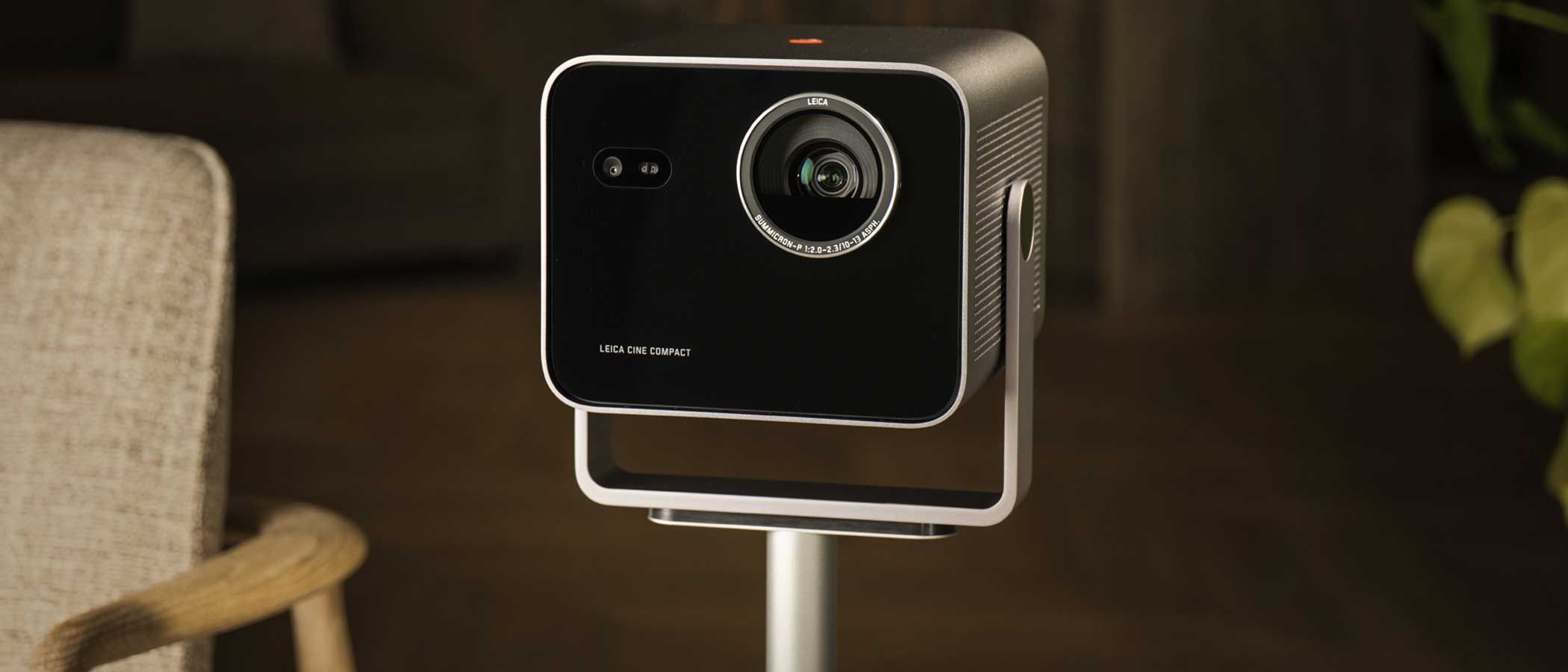
Leica Camera has expanded its footprint in the home entertainment market with the official release of the Leica Cine Compact 1. Priced at an accessible $2,990, this new smart mini projector arrives as a more compact, budget-friendly sibling to the award-winning Leica Cine Play 1.
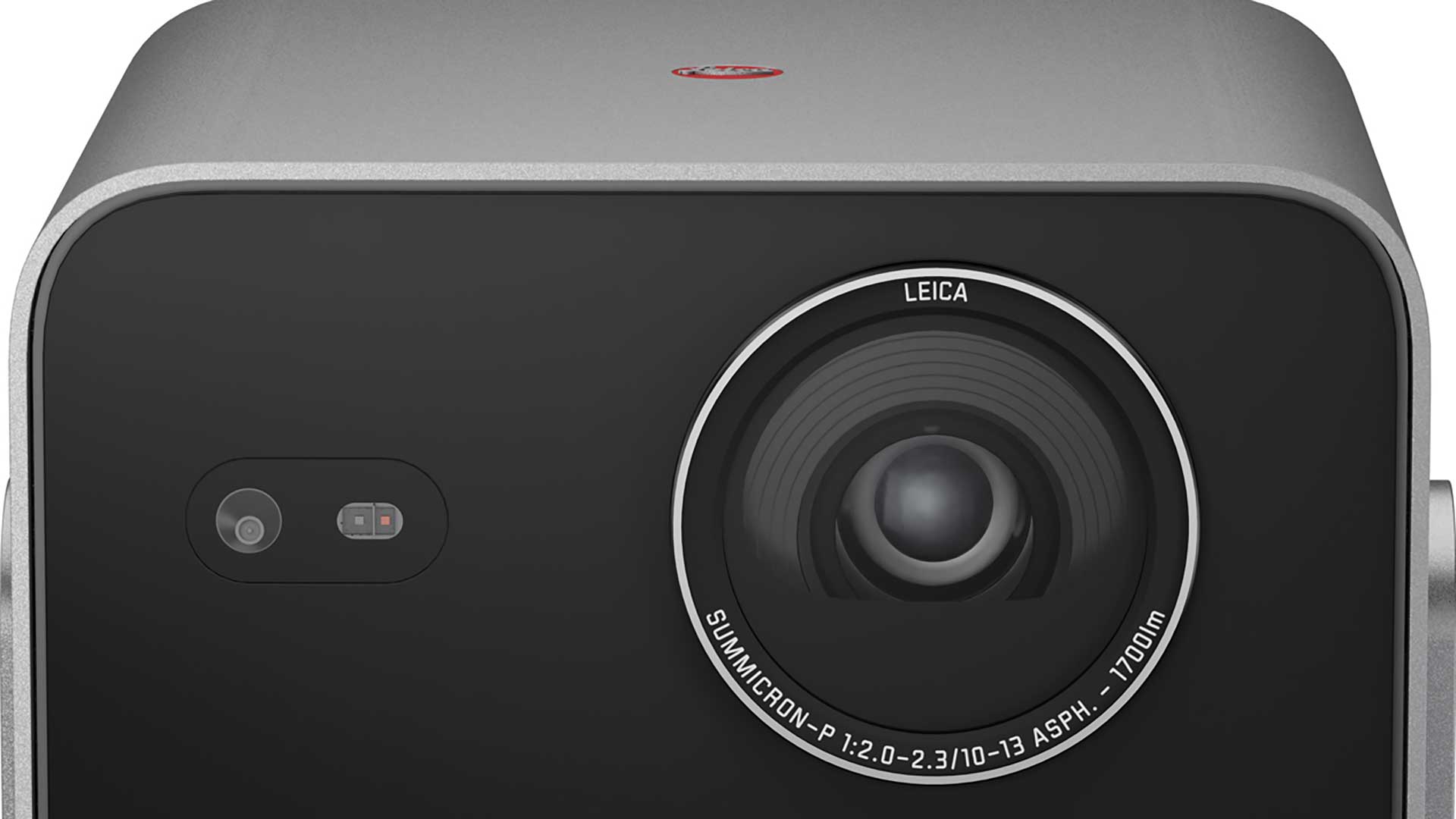
Designed and engineered under Leica’s Smart Projection division, the Cine Compact 1 bridges the gap between high-end architectural design and high-performance home cinema. Featuring the brand’s signature Bauhaus-inspired aluminum chassis, a precision-crafted Summicron zoom lens, and direct triple-laser illumination, the projector aims to deliver cinematic experiences in spaces that traditional flat-panel televisions cannot reach.
Chronology: A Century-Long Journey to Smart Home Projection
To understand the engineering behind the Cine Compact 1, one must look back nearly 160 years into the brand’s optical heritage:
- The 1860s: Ernst Leitz begins manufacturing telescopes and microscopes in Wetzlar, Germany, laying the groundwork for high-precision optical manufacturing.
- 1926: Leica releases its first slide projector, setting an early industry benchmark for still-image home projection.
- The 20th Century: The company revolutionizes photography through Oskar Barnack’s design of the 35mm compact camera, making optical clarity its core corporate identity.
- Recent Years: Leica re-enters the home projection market with ultra-short-throw and long-throw smart projectors, collaborating with manufacturing partners like Hisense to integrate cutting-edge laser engines with proprietary German optics.
- Current Launch: The rollout of the Leica Cine Compact 1 introduces a smaller form factor, improved privacy compliance, and expanded regional streaming integration.
Supporting Data & Technical Specifications
The Leica Cine Compact 1 punches well above its weight class, packing robust hardware into a chassis that is roughly 30% smaller by volume than the Cine Play 1.

- Projection Type: DLP 0.47-inch Pico DMD with pixel-shifted 4K native output (3840 x 2160 pixels from a 1920 x 1080 native chip).
- Light Source: Direct triple RGB laser engine.
- Brightness Output: Up to 1,700 lumens (in ‘Ultra’ mode).
- Throw Ratio & Image Size: Optical throw ratio of 1.0 to 1.3 (extendable digitally up to 3.2), supporting screen sizes ranging from standard viewing areas up to 220 inches.
- HDR Capabilities: Full native support for Dolby Vision, HDR10, and HDR10+.
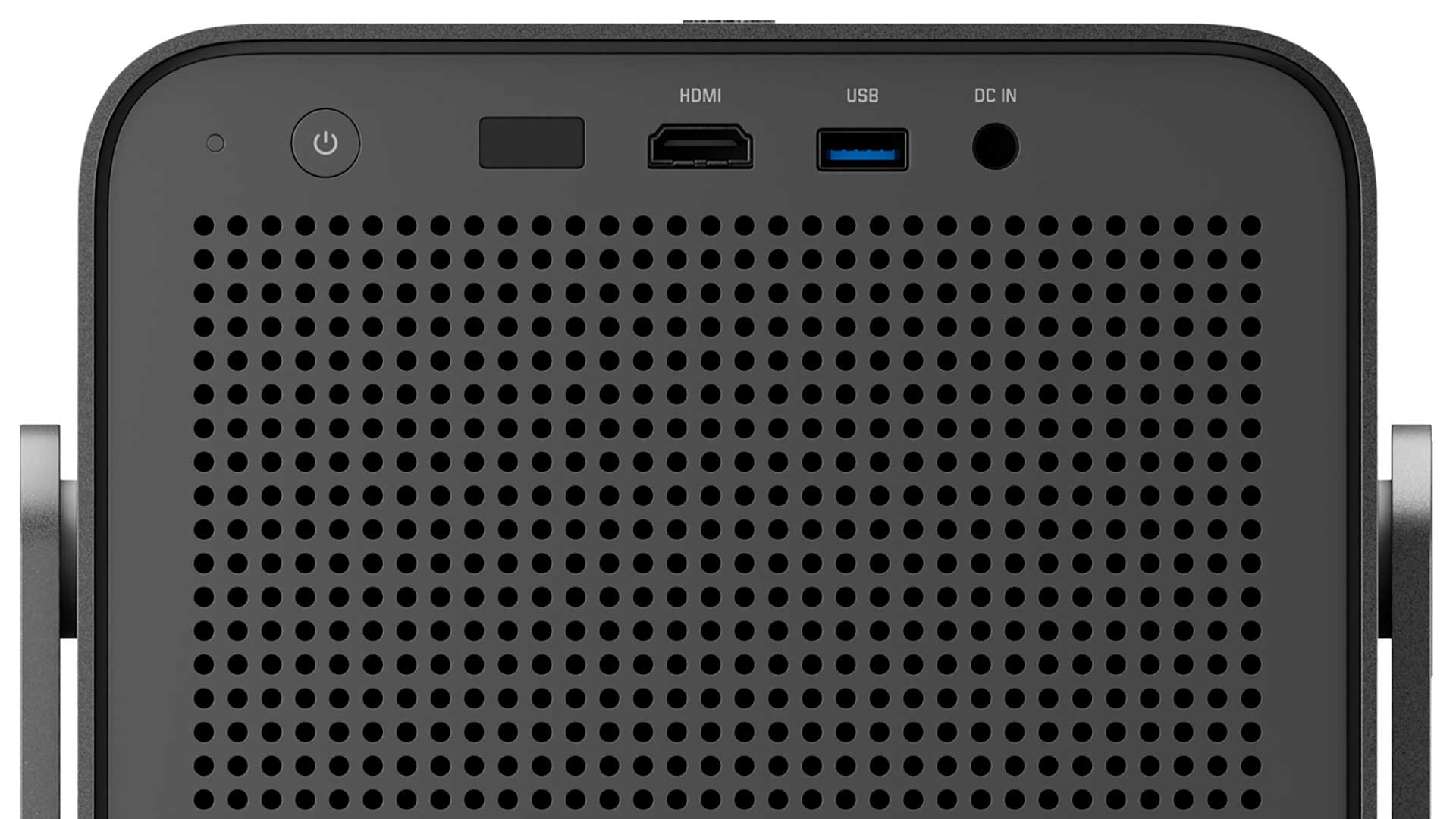
- Connectivity: 1x HDMI 2.1 with eARC, USB-A 3.0, Ethernet, dual-band Wi-Fi, Apple AirPlay (audio), and Bluetooth.
- Gaming Latency: $le$ 20ms in Gaming Mode (supporting up to 240Hz at 1080p); $le$ 60ms in standard modes.
- Physical Dimensions & Weight: 209 x 226 x 193mm; 4.4kg.
Official Responses and Collaborative Origins
As with Leica’s previous projection hardware, the underlying architecture of the Cine Compact 1 shares deep roots with Hisense’s advanced projector lineup. While Leica does not heavily broadcast this manufacturing partnership, representatives have been open about the cooperative nature of the project.
According to regional Leica spokespersons, the German manufacturer contributes heavily modified optical and software frameworks to the base models. Key Leica-exclusive upgrades include:
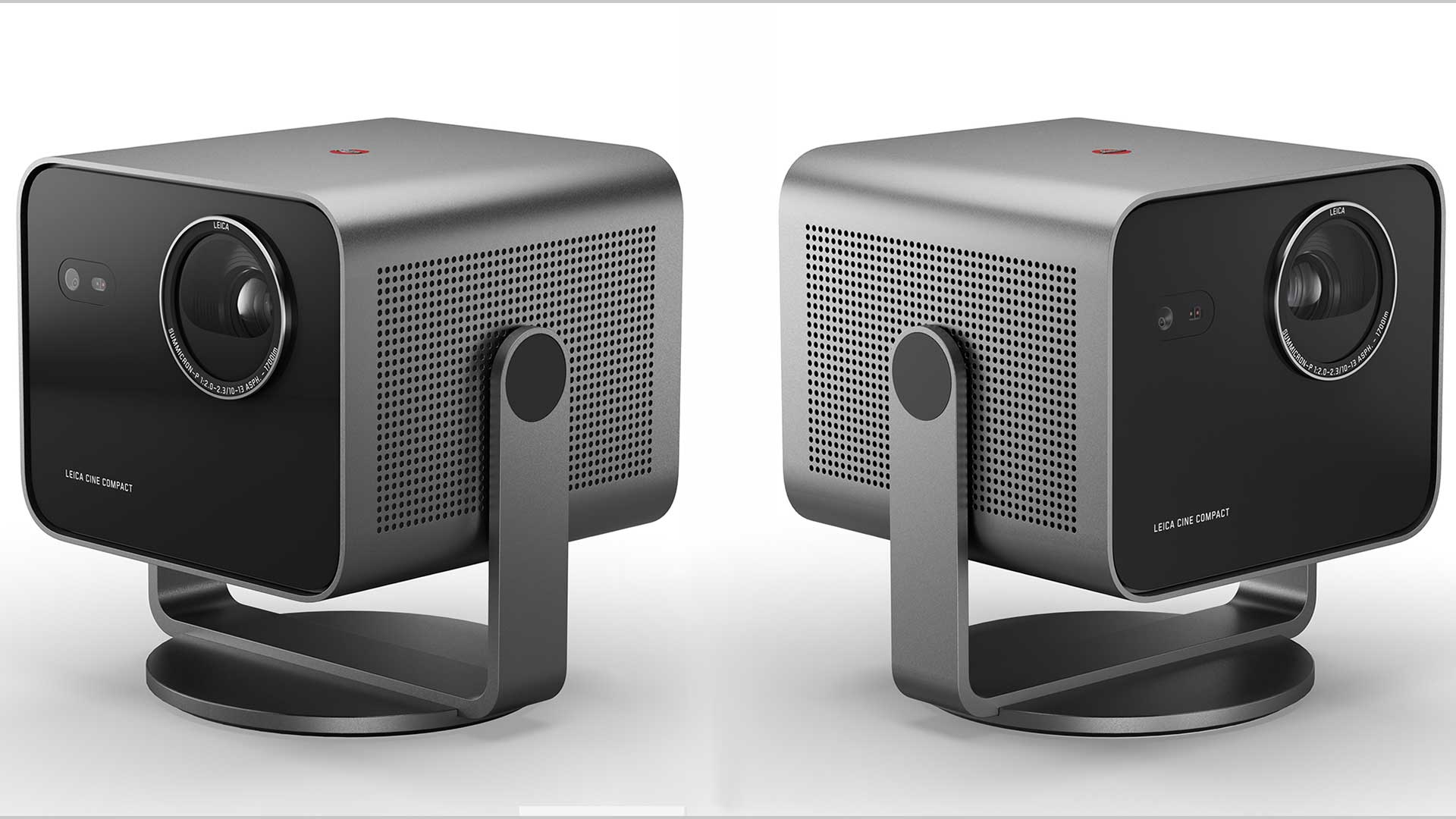
- The Summicron Zoom Lens: Incorporating specialized aspherical glass elements that dramatically reduce color dispersion and boost edge-to-edge sharpness compared to typical polymer lenses.
- Redesigned Light Engine: Engineering adjustments aimed at minimizing internal stray light levels to improve native contrast ratios (rated up to 1500:1).
- Acoustic Overhauls: Enhanced internal stereo speaker tuning designed to deliver richer sound profiles than standard OEM builds.
Furthermore, Leica addressed significant criticisms leveled at the VIDAA operating system during previous product rollouts. When reviewing the older Cine Play 1, critics and privacy advocates raised concerns over mandatory end-user license agreements requiring acceptance of extensive data collection policies.
For the Cine Compact 1, Leica and its software partners have adjusted the compliance requirements. Users can now operate the projector without signing in to a compulsory VIDAA account—forfeiting only minor features like multi-user profiles, Kidoodle TV, and the Art Gallery mode in exchange for heightened consumer privacy.
Implications for the Portable Projector Market
The release of the Leica Cine Compact 1 has profound implications for luxury lifestyle electronics and the broader portable projector market.
1. The Death (and Rebirth) of Physical Media
A standout feature for a specific demographic of cinephiles is the inclusion of a dedicated 3D Mode compatible with DLP Link active shutter glasses. With mainstream television manufacturers having abandoned 3D technology years ago, high-end projection remains the singular viable medium to enjoy legacy 3D disc collections from the 2010s.
2. Versatility Meets Performance
Equipped with an integrated 360-degree rotation system, automatic focus, intelligent screen framing, and keystone correction, the Cine Compact 1 is built for dynamic, multi-location use. Whether set up permanently in a dedicated dark room, ceiling-mounted via standard tripod threads, or projected onto a balcony wall during a summer evening, the projector adapts swiftly to its environment.
3. Software and Audio Trade-Offs
While the picture quality in a darkened room approaches genuine cinematic excellence—bolstered by robust Dolby Vision performance and accurate DCI-P3 color gamuts—certain limitations remain. The internal VIDAA interface continues to lock native output speeds to 60fps, which can introduce mild pulldown judder when playing 50Hz regional catch-up television content. However, purists can easily bypass this by connecting an external media player (such as an Apple TV 4K) via the HDMI 2.1 eARC port, allowing the projector to sync natively to varying source frame rates.
4. Value Proposition
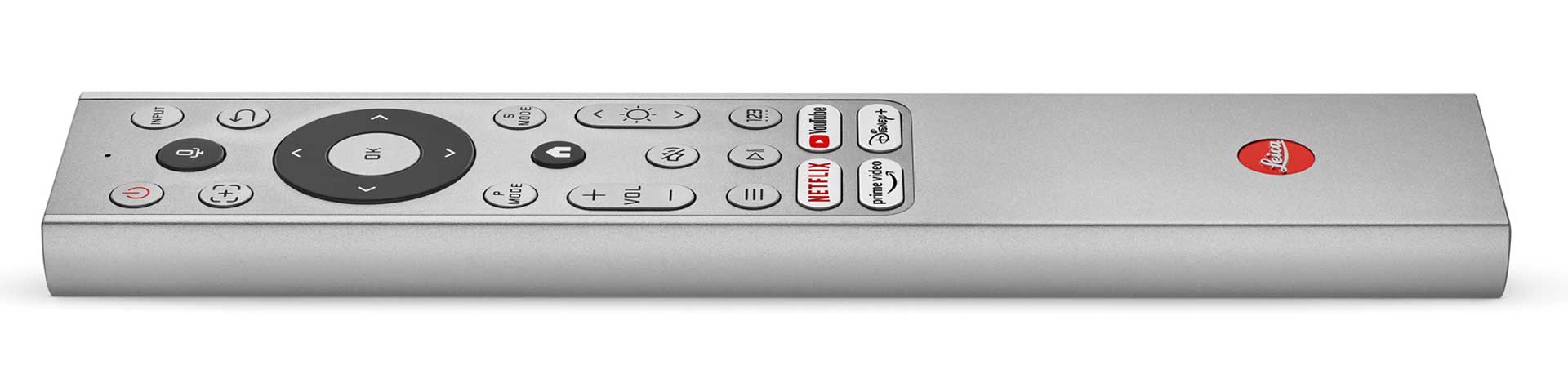
At $2,990, the Cine Compact 1 redefines entry-level luxury for the brand. It provides consumers with an authentic taste of high-end German optical engineering, premium aluminum build quality, and a sophisticated physical remote control without the steep five-figure price tags associated with ultra-short-throw flagships like the Leica Cine 1.
Ultimately, the Leica Cine Compact 1 succeeds in delivering sharp, bright, and color-accurate imagery in a package that is remarkably portable. For buyers seeking a blend of high design, robust streaming integration, and genuine optical pedigree, Leica’s newest projector earns a definitive recommendation.