The landscape of domestic robotics has shifted dramatically over the past few years. What began as simple, randomized floor sweepers have evolved into sophisticated, multi-modal cleaning systems capable of mapping complex environments, identifying obstacles in real-time, and—most recently—managing their own maintenance cycles. The latest entry in this competitive arena is the iRobot Roomba Combo 10 Max+ with its accompanying AutoWash dock.
Marketed as the flagship solution for a hands-off home, the Combo 10 Max+ represents a significant pivot for iRobot. For years, the company resisted the inclusion of automated mop-washing features in its base stations, citing concerns regarding hygiene and the "ick factor" of self-cleaning water tanks. With the release of the 10 Max+, iRobot has officially abandoned that stance, joining the industry trend of providing a truly autonomous, end-to-end cleaning experience. However, as our testing reveals, this convenience comes at a premium price that may not be fully justified by the machine’s actual cleaning performance.
Main Facts: The New Standard for iRobot
The Roomba Combo 10 Max+ arrives at a critical juncture for the brand. Retailing at a steep $1,399.99, the unit is designed to be the definitive "set-it-and-forget-it" machine.

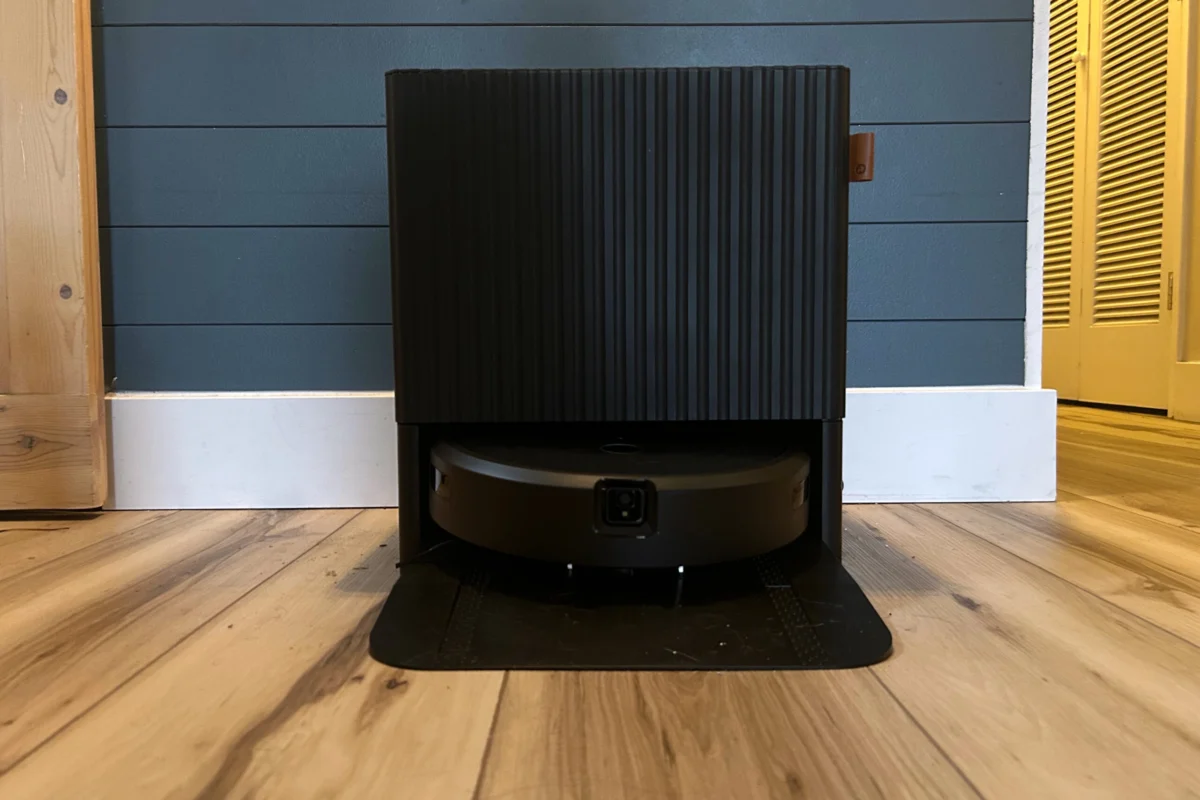
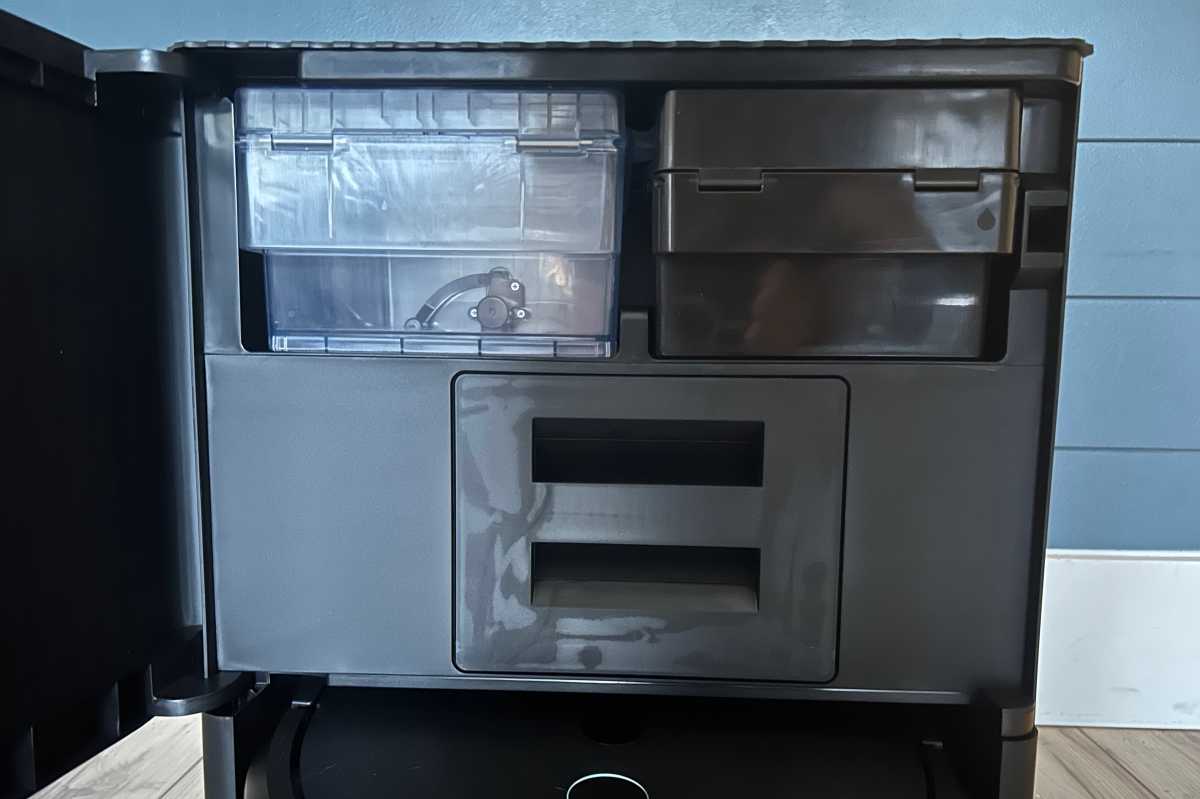
The primary innovation here is the AutoWash dock. Unlike previous iterations where users were required to manually peel off and launder sticky, dirty mop pads, the 10 Max+ base station handles the entire maintenance cycle. It washes the mop pad, scrubs internal components, and dries the pad using forced air.
Key technical specifications include:
- Retractable Mopping Arm: A signature iRobot feature that lifts the mop pad to the top of the robot when carpet is detected, preventing the cross-contamination of liquids and bacteria.
- Enhanced Dirt Detect: The robot now identifies high-traffic or high-debris areas with eight times the frequency of the j9+ model.
- Advanced Navigation: Improved mapping algorithms that allow the device to scan and learn a floor plan up to seven times faster than its predecessors.
- Pet-Specific Guarantees: iRobot continues its "Pet Owners Official Promise," pledging to replace the unit at no cost if it encounters and spreads pet waste during its first year of operation.
Chronology: The Road to the 10 Max+
To understand the significance of the 10 Max+, one must look at the trajectory of the Roomba line.

- The Early Days of Combo: The introduction of the Roomba Combo j7+ was a watershed moment. It introduced the retractable mopping arm, a mechanical marvel that solved the "wet carpet" problem that plagued early 2-in-1 robots. However, the lack of an auto-washing dock kept the maintenance burden on the consumer.
- The Resistance Period: Throughout the release of the j9+ series, iRobot executives maintained a conservative approach to base stations. They argued that self-cleaning docks often became breeding grounds for odors and mold, preferring a system where users laundered pads separately.
- The Paradigm Shift (2024): Recognizing that the market was being dominated by competitors like Roborock and Ecovacs—who had long since perfected auto-wash and auto-dry cycles—iRobot finally relented. The development of the 10 Max+ represents a total reversal of the company’s internal product philosophy, moving toward a "total maintenance" model.
Supporting Data and Performance Analysis
In our rigorous testing environment, the Roomba Combo 10 Max+ exhibited a "mixed bag" performance profile. While the engineering behind the AutoWash dock is impressive, the actual efficacy of the vacuuming and mopping functions left room for improvement.
Vacuuming Performance
On carpeted surfaces, the robot performed admirably, capturing approximately 95% of a half-cup of distributed rice. It proved adept at handling pet hair, managing the fur of three long-haired cats without any entanglement issues. However, the machine struggled on hardwood flooring. In similar controlled tests, it only managed to collect about 75% of debris, often scattering particles outward due to its side-brush agitation.
Mopping Efficacy
The mopping experience was largely superficial. While the robot is capable of maintaining a "gleam" on clean floors, it lacks the heavy-duty scrubbing power required for true messes. In our "jelly test"—a teaspoon of jam spread on a hardwood surface—the robot failed to completely remove the residue. While the mop pad successfully wiped away the bulk of the jam, it left a sticky, translucent film on the floor, indicating that the pressure and cleaning solution application were insufficient for dried or viscous spills.

Navigation and Software
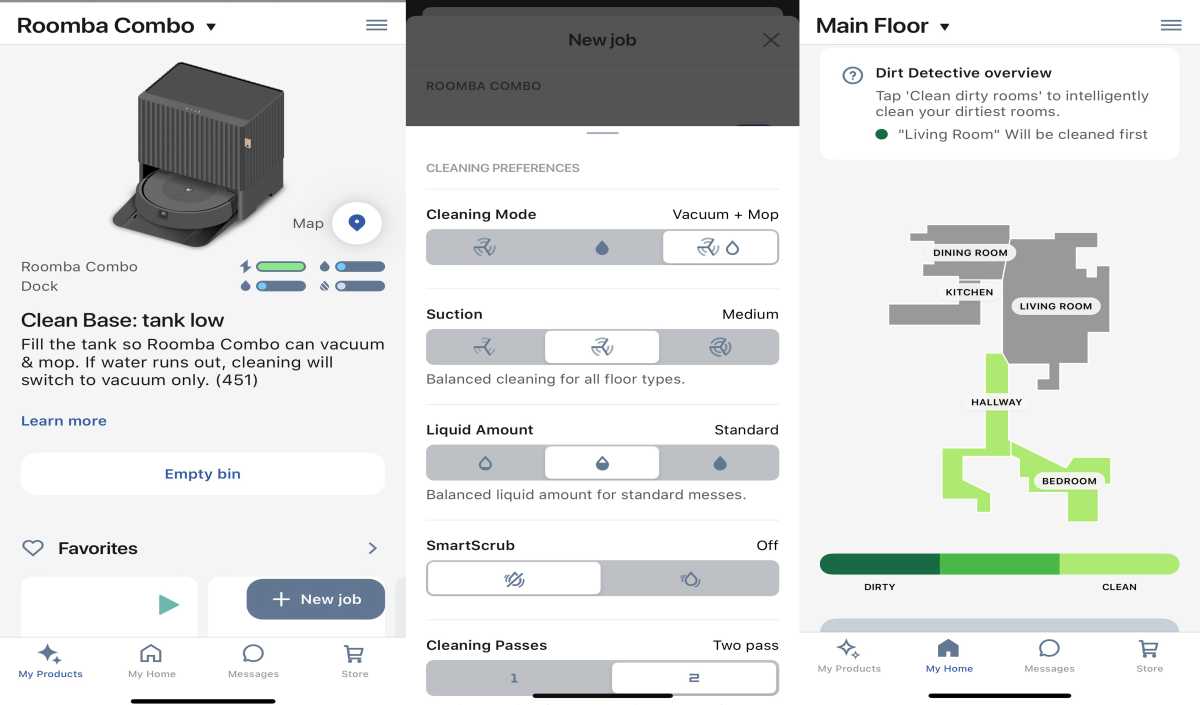
The iRobot Home app remains one of the most intuitive interfaces in the industry. The mapping process is seamless; the robot correctly identified room boundaries and automatically categorized floor types. The ability to set "No-Mop" zones and "Clean Zones" is highly functional. Navigation was precise, with the robot effectively maneuvering around small obstacles like pet bowls and shoes. However, the "smart" features are only as good as the hardware, and the inability to scrub away minor sticky messes suggests a gap between software intelligence and mechanical capability.
Official Responses and Industry Context
iRobot has positioned the 10 Max+ as an "all-in-one" solution for the busy modern home. In press materials, the company emphasizes the convenience of the AutoWash system and the longevity of the dust-bag cycle, which can hold up to 60 days of debris.
However, when compared to competitors like the Ecovacs Deebot X2 Omni, the Roomba falls short in raw capacity. The 10 Max+ features a 3-liter clean-water tank and a 2.5-liter dirty-water tank. The Ecovacs unit, by contrast, boasts 4 liters and 3.5 liters respectively, allowing for longer intervals between manual water refills.
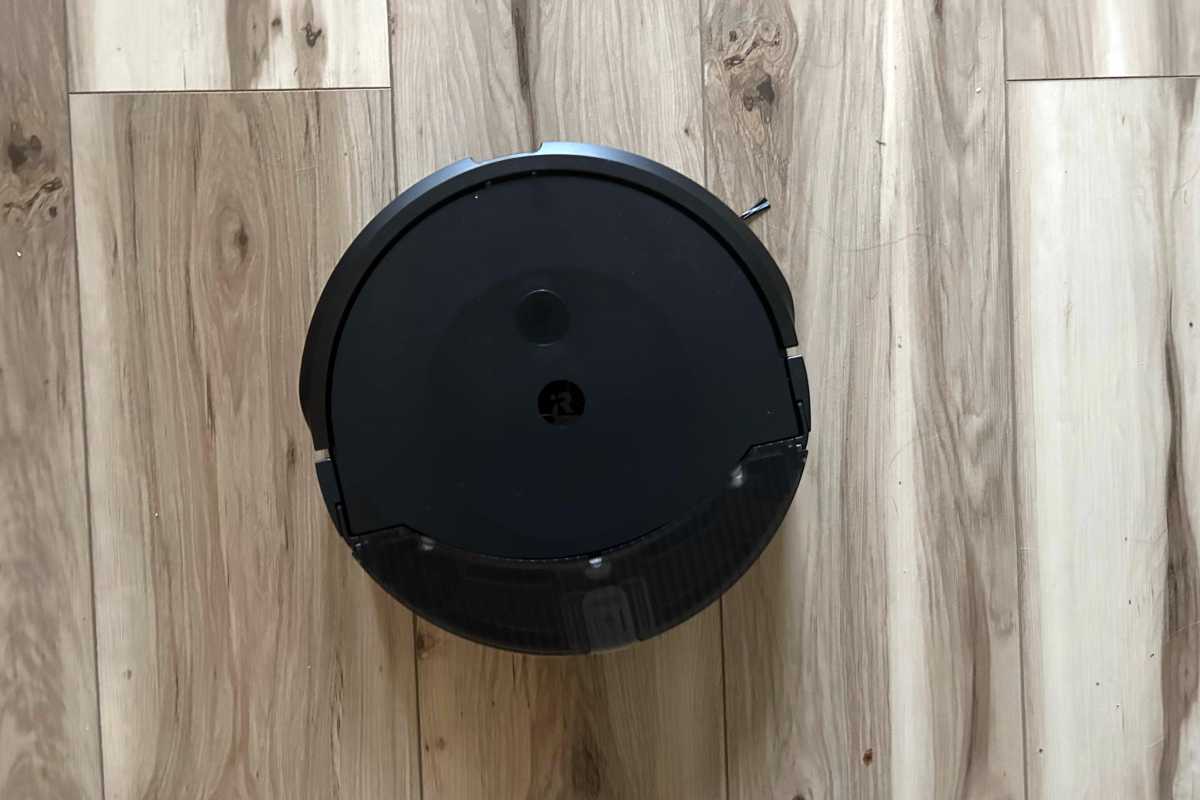
iRobot’s decision to return to an all-black, sleek industrial design is a clear move toward a more "premium" aesthetic, signaling that this device is intended for high-end consumers who value design as much as functionality.
Implications: Is the 10 Max+ a Worthy Investment?
The central question for prospective buyers is whether the added convenience of the AutoWash dock outweighs the dip in cleaning performance.
At a $1,399.99 price point, the 10 Max+ is undeniably expensive. If your primary goal is to have a robot that is "smart" and rarely gets stuck, the Roomba ecosystem remains the industry leader. Its obstacle avoidance and mapping capabilities are second to none, and the Pet Owners Official Promise provides a layer of security that no other manufacturer currently matches.
However, if your primary goal is the deepest possible clean for your floors, the data suggests that older models—specifically the Roomba Combo j9+—offer a better balance of price and performance. The j9+ remains our top recommendation for most users, as it provides nearly all of the "smart" navigation features of the 10 Max+ without the inflated cost of the newer, yet slightly less effective, cleaning mechanics.
The Verdict
The iRobot Roomba Combo 10 Max+ is a transitional device. It is a necessary evolution for a company that needed to modernize its dock technology to remain relevant. It is a capable, highly intelligent, and aesthetically pleasing robot that will satisfy many. But for those who demand the best possible cleaning results from their investment, the 10 Max+ currently sits in an awkward middle ground.
While the AutoWash dock is a massive quality-of-life improvement, the core cleaning performance of the robot—especially on hard surfaces—suggests that iRobot is still optimizing its latest hardware. Until the cleaning efficacy is brought up to par with its navigation prowess, the 10 Max+ remains a "luxury convenience" rather than a "performance necessity."
Final Consideration: Before purchasing, consumers should assess their home’s flooring. If you have primarily low-pile carpet and a high volume of pet hair, the 10 Max+ is an excellent choice. If you have significant hardwood floor space that frequently requires deep cleaning for spills or high-traffic stains, you may find that the 10 Max+ requires more manual intervention than its premium price tag suggests.