The Evolution of Audio: Hollywood’s New Cinematic Standard and the Shifting Podcast Landscape
011 mins
September 10, 2026 — The audio industry continues its rapid ascent, marked today by the unveiling of a state-of-the-art "cinematic" podcast studio in the heart of Hollywood. As creators push the boundaries of what a podcast can sound like, the industry is simultaneously undergoing a structural evolution, with major talent migrations, new network partnerships, and a data-driven focus on global chart dominance.
Main Facts: A New Era for Hollywood Audio
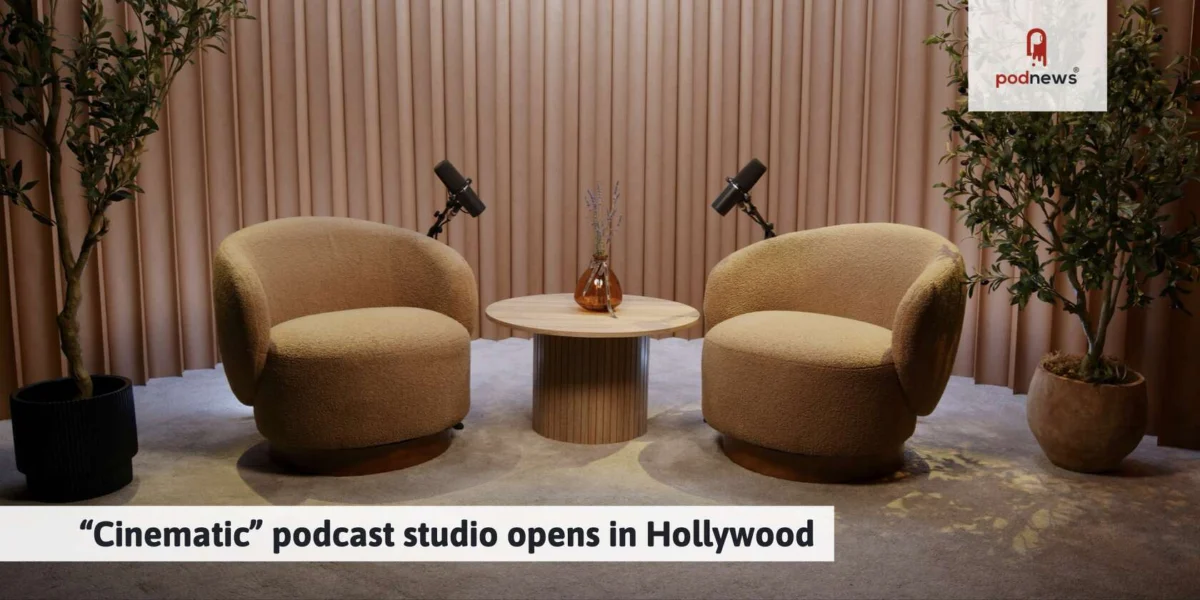
The landscape of professional podcast production shifted this week with the grand opening of a bespoke studio facility in Hollywood designed specifically for "cinematic" audio. While podcasting was once defined by "four guys in a garage" and a single microphone, the new standard emphasizes high-fidelity soundscapes, immersive production values, and visual integration.
This facility aims to bridge the gap between traditional radio and high-end film production. By utilizing acoustic engineering typically reserved for cinema, the studio promises a listening experience that rivals the production quality of premium streaming television. Industry analysts suggest this move reflects a broader trend: as the market becomes saturated with content, production value is becoming the primary differentiator for shows looking to secure long-term listener retention.
Chronology of Industry Movements
The past week has been a whirlwind of activity, signaling a maturing market where strategic partnerships are as critical as content quality.
Mid-August 2026: Preparations for the Hollywood studio launch reached their final phase, focusing on integrating Dolby Atmos-ready mixing consoles.
Early September 2026: A wave of new show launches hit the major platforms, including the debut of Media Bubble, a commentary program hosted by industry veterans Irene Hulme, Ben Willee, and Peter Whitehead.
September 10, 2026: The official launch of the Hollywood studio coincides with the return of several high-profile series, such as Sara & Cariad’s Weirdos Book Club, entering its sixth season.
Concurrent Developments: Throughout the week, networks have aggressively expanded their rosters, with NOVA Podcasts officially signing the popular Australian parenting show, We Don’t Have Time For This.
Supporting Data: The Global Pulse
Podcasting remains a dominant force in the digital media economy. According to current platform analytics from Apple Podcasts and Spotify, the charts reveal both established powerhouses and surprising newcomers.
Current Market Leaders
The Daily: Holding the #1 spot on Apple Podcasts in the United States, maintaining its status as the benchmark for daily news audio.
The Joe Rogan Experience: Continues to command the top position on Spotify in the U.S., proving the enduring power of long-form, personality-driven content.
We Need To Talk with Paul C. Brunson: Dominating the Society & Culture category in the United Kingdom on Spotify.
Emerging Trends in Data
Data also highlights the niche-growth potential of the medium. Off Leash with Dr. Pete has seen a significant surge in Canada, marking the biggest gain in the Pets & Animals category. Meanwhile, The Baseball History Timeline made a notable entry, claiming the #1 spot for baseball-related content in Ireland. These shifts suggest that high-quality, specialized content can find audiences far beyond its domestic borders.
Official Responses and Strategic Perspectives
Industry leaders are viewing these developments as a sign of institutional stabilization. Rachel Corbett, Network Director of NOVA Podcasts, addressed the recent acquisition of We Don’t Have Time For This with a sentiment that encapsulates the current industry philosophy:
"The show has created an incredibly loyal community who don’t just listen to the show; they feel part of it. This sense of community is the true currency of the podcasting world in 2026."
This perspective highlights a move away from "discovery" metrics toward "community" metrics. Networks are no longer just looking for millions of downloads; they are looking for the "sticky" factor—the ability of a show to foster a dedicated audience that engages with live tours, premium content, and social communities.
Implications: The Future of Production and Consumption
The emergence of high-end Hollywood facilities and the success of investigative, deep-dive shows like Edible Empire—which recently concluded its series on food imperialism—suggest several long-term implications for the industry.
1. The Professionalization of Production
The "cinematic" studio trend is likely to push the industry toward higher overheads. Creators will need to balance the cost of production against the necessity of audio quality. For independent creators, this creates a "middle-class" squeeze: those who cannot afford high-end production may find themselves struggling to compete for the attention of a listener base that is becoming accustomed to broadcast-grade audio.
2. The Rise of "Spectator Sport" Storytelling
Shows like Plot Lab are redefining the medium by turning the creative process into a collaborative game. By inviting listeners to engage with "Prompt Incubator" communities, they are moving from a passive "broadcast" model to an active "participatory" model. This blurring of the lines between host, guest, and listener is a crucial pivot point for audience growth.
3. Political and Social Engagement
The launch of Surviving Trump: Saving America (Season 3) indicates that political podcasting remains a high-stakes, high-engagement category. By tracking the 2026 midterms week by week and integrating real-time polling data, these podcasts are positioning themselves as essential companion pieces to traditional journalism. They offer a level of granular, long-form analysis that cable news—with its inherent time constraints—often fails to provide.
4. Educational Accessibility
Philosophy-based podcasts like Philosophize This! continue to prove that complex, academic subject matter can thrive in the podcast ecosystem. The key, as demonstrated by the show’s format, is the removal of gatekeeping language. By breaking down thinkers and ideas into accessible chronological narratives, these shows are essentially acting as the "Great Books" curriculum for the modern, busy professional.
Conclusion
As of September 2026, the podcast industry is far removed from its experimental origins. It has become a sophisticated, multi-billion-dollar ecosystem that rivals television and film in both artistic ambition and cultural impact. The new Hollywood studio is not merely a room with microphones; it is a symbol of an industry that is doubling down on quality, community, and the power of the human voice.
Whether through the intense, election-focused reporting of Surviving Trump or the humor-filled discussions on death and life in Everybody Knows But Me, the industry is providing a diverse, nuanced, and increasingly professionalized menu of content. As we look toward the remainder of the year, the focus will likely remain on these three pillars: high-fidelity production, deepened audience engagement, and the global expansion of local, high-quality intellectual content.
The stage is set for a final quarter of 2026 that promises to challenge traditional media even further, forcing a reckoning where the best-produced, most community-centric shows will undoubtedly rise to the top.