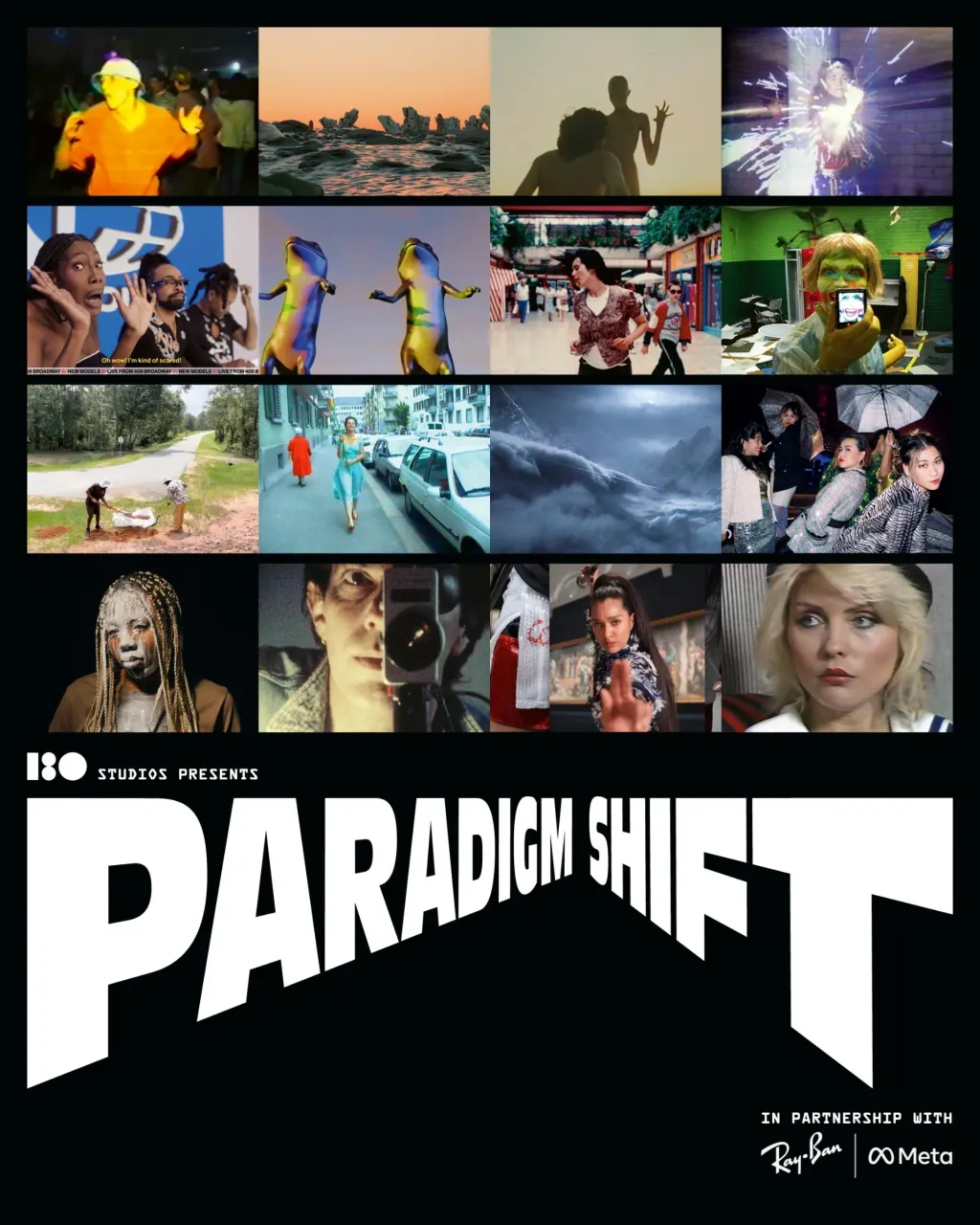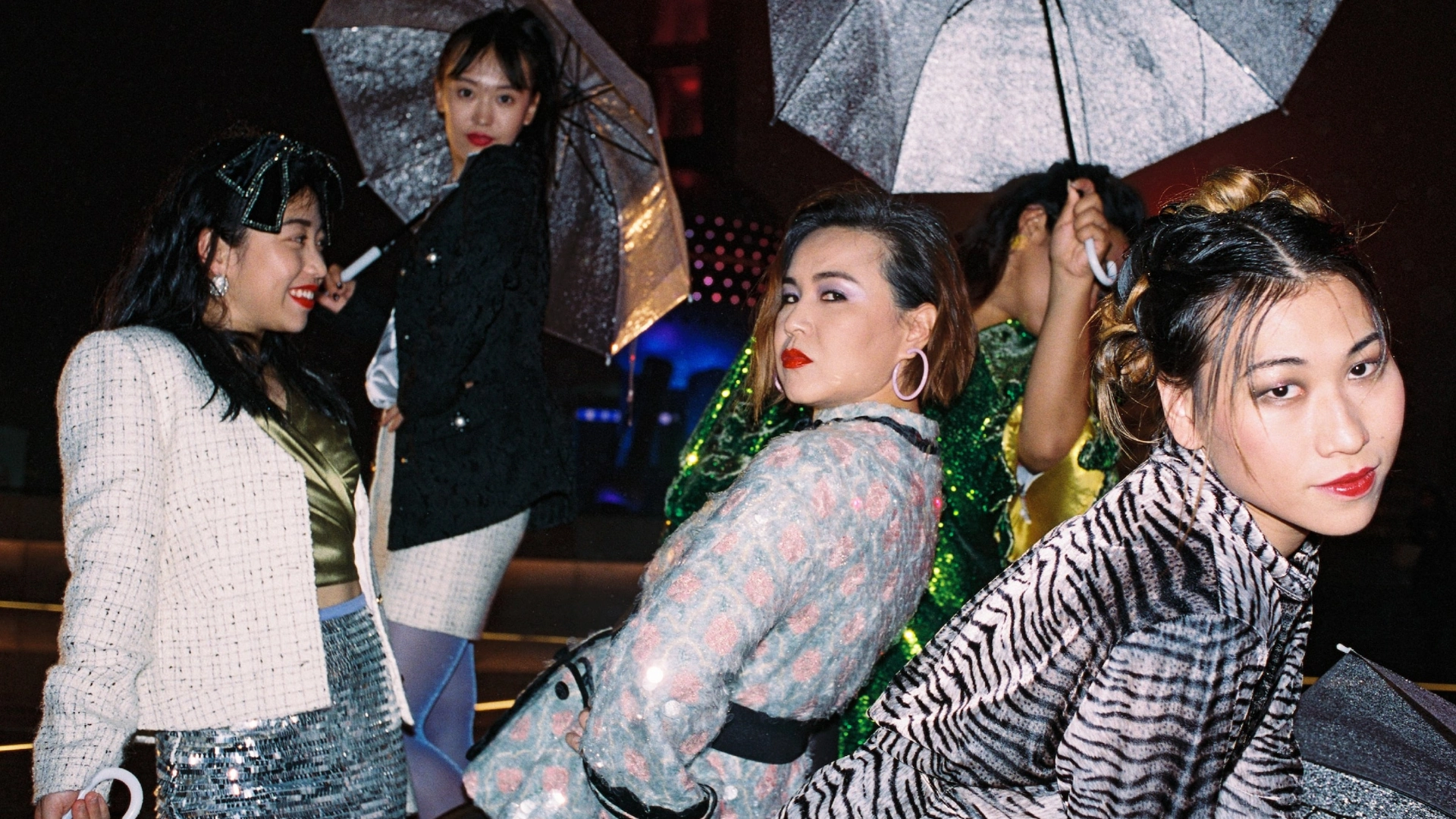
In the heart of London’s brutalist landmark, 180 The Strand, a sensory revolution is unfolding. On Wednesday, 15 October 2025, 180 Studios will unveil its most ambitious project to date: Paradigm Shift. A sprawling, multi-sensory exhibition, the show promises to map the seismic changes in moving image culture from the analog experiments of the 1970s to the hyper-connected, algorithmic digital landscape of the present day.
Spanning the vast, subterranean labyrinth of 180 Studios, the exhibition serves as a definitive survey of how technology, rebellion, and artistic vision have collided over the last five decades. By drawing from the worlds of avant-garde cinema, music video, fashion, gaming, and internet subcultures, Paradigm Shift is not merely an art show; it is a historical document of the modern visual vernacular.
The Architects of the Vision
Curated by Mark Wadhwa and Dazed co-founder and CEO Jefferson Hack, the exhibition boasts an ensemble of visionaries whose work has consistently pushed the boundaries of the medium. The lineup reads like a who’s who of contemporary visual culture, featuring heavyweights such as Andy Warhol, Nan Goldin, and Derek Jarman, alongside influential modern practitioners like Arthur Jafa, Cao Fei, Martine Syms, and Ryan Trecartin.
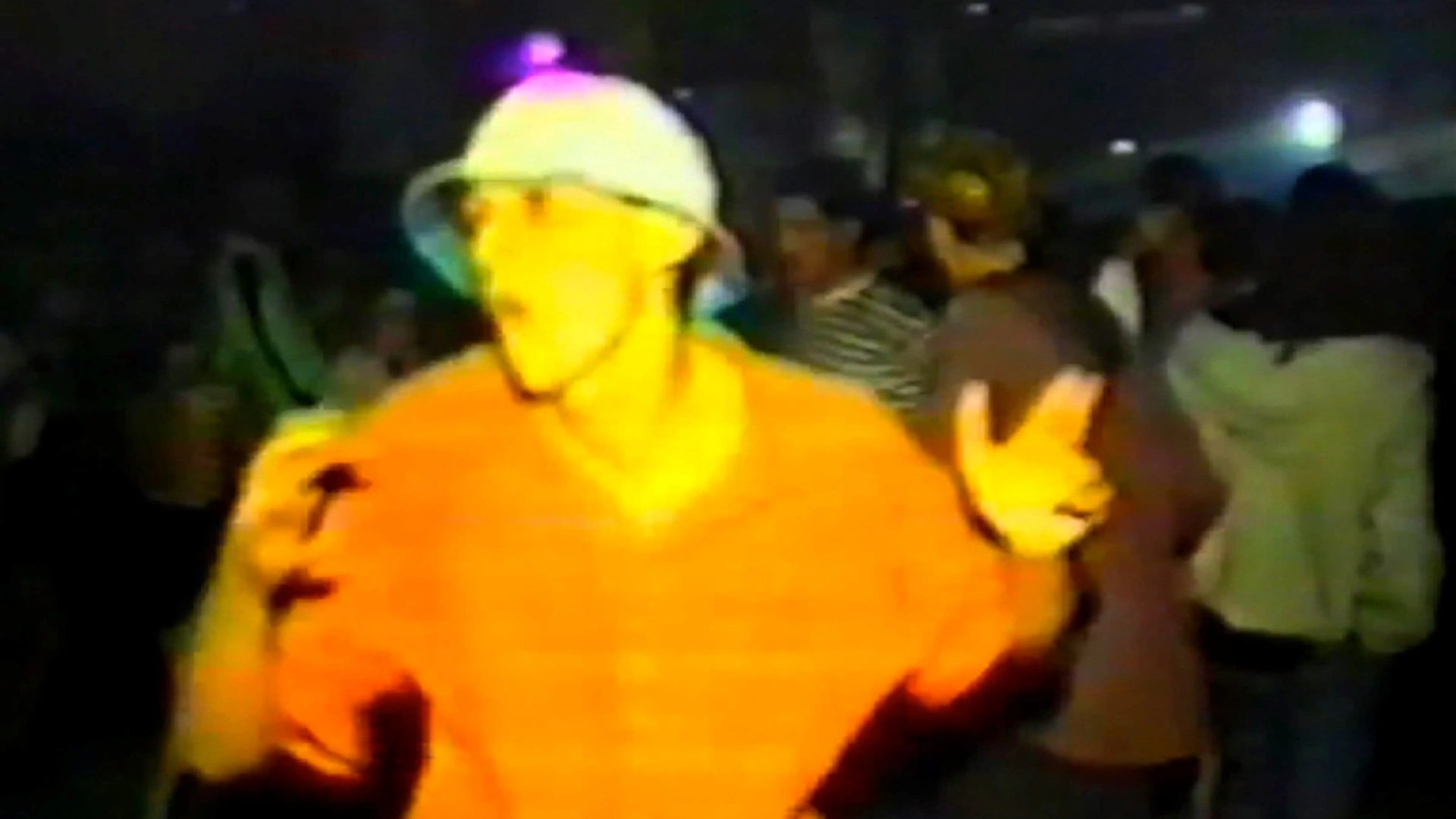
The exhibition is structured to highlight the "paradigm shifts" that occur when artists refuse to accept the status quo. By utilizing the specific technological tools available to them—whether it be the grainy, tactile reality of Super 8 film or the infinite, chaotic possibilities of generative digital tools—these artists have consistently redefined how we perceive truth, identity, and narrative.
A Chronology of Rebellion: From Analog to Algorithm
To understand the scope of Paradigm Shift, one must view the exhibition as a timeline of technological democratization. The narrative begins in the 1970s, a period defined by the accessibility of home video equipment.
The Analog Dawn (1970s–1980s)
In the early days of the moving image revolution, artists like Andy Warhol began to challenge the hierarchy of "high art" by documenting the mundane and the counter-cultural. This era established the groundwork for the exhibition, showing how the introduction of accessible recording technology allowed artists to bypass traditional gatekeepers. The influence of these early pioneers is felt in the works of filmmakers like Derek Jarman, whose raw, poetic approach to film acted as a manifesto for queer expression and societal critique.
The Sampling Revolution (1990s–2000s)
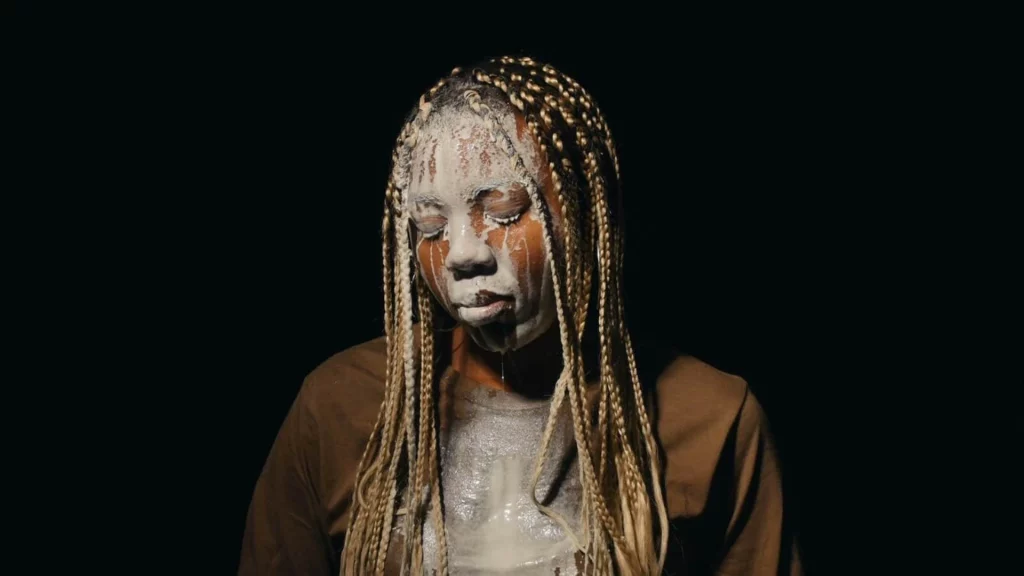
The middle chapters of the exhibition explore the explosion of music video culture and the birth of remix aesthetics. Central to this section is Mark Leckey’s 1999 masterpiece, Fiorucci Made Me Hardcore. A seminal work that captures the visceral energy of Britain’s underground club scenes, Leckey’s film is a perfect example of how the moving image can act as a vessel for collective memory. By sampling fragments of dance culture, Leckey creates a hypnotic, rhythmic piece that transformed the way we look at nostalgia and subculture.
The Digital Hyper-Connected Present (2010s–Present)
As the exhibition moves into the current era, the focus shifts toward the internet as both a studio and a gallery. Artists like Ryan Trecartin and Martine Syms occupy this space, utilizing the frantic, fragmented editing styles of contemporary social media and gaming culture to reflect the psychological state of the modern subject. Their work—characterized by high-velocity imagery and complex, multi-layered digital landscapes—speaks to the anxieties and thrills of living in a world of constant connectivity.
Supporting Data: The Convergence of Mediums
The strength of Paradigm Shift lies in its refusal to categorize works by traditional discipline. Instead, the exhibition tracks the "convergence" of mediums. It highlights, for instance, how the aesthetic of fashion films (represented by the inclusion of TELFAR and Foday Dumbuya) has bled into political activism and documentary filmmaking.
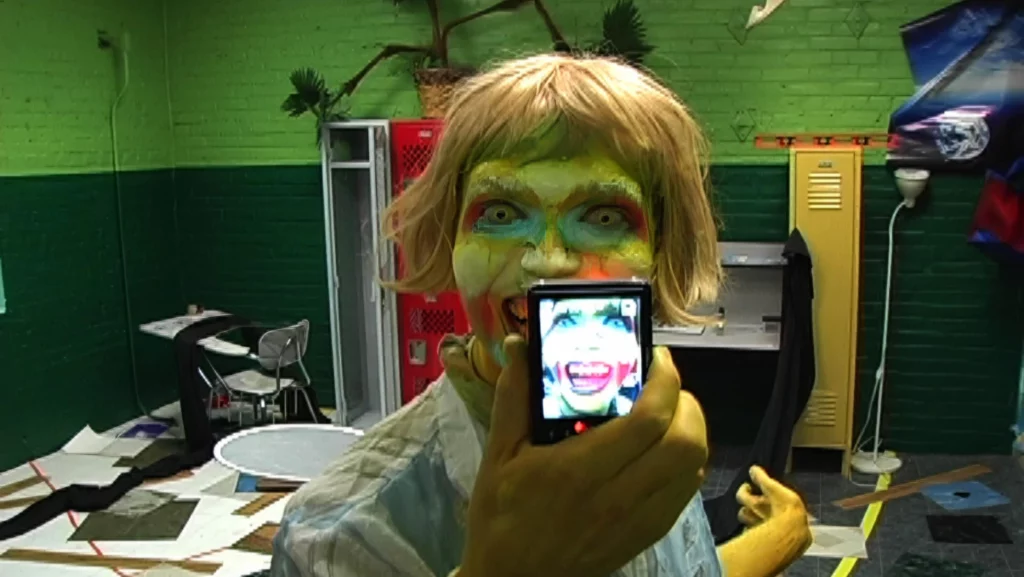
The exhibition also features several new commissions by 180 Studios, designed to bridge the gap between historical context and contemporary innovation. These pieces, which rely on cutting-edge production techniques, function as anchors, demonstrating how the themes of the 1970s—rebellion, surveillance, and identity—remain as pertinent as ever, even if the tools of engagement have changed.
Official Perspectives: Jefferson Hack on the Power of the Screen
Reflecting on the curatorial intent behind the show, Jefferson Hack emphasizes the emotional resonance of the medium. "From the Super 8 and VHS revolutions of the 1970s and 80s to the digital hyper-connectivity of our present moment, video art and moving image have always operated at a crossroads: high and low, visceral and conceptual, personal and political," Hack states.
For the organizers, the goal is not just to showcase technical prowess, but to prompt a re-engagement with the medium. "In Paradigm Shift, we see how great artists inspire us to engage with storytelling through screens differently," Hack continues. "It is an invitation for us to feel more, imagine more, and recover our senses in an era often defined by digital fatigue."
Implications: The Future of the Moving Image
Paradigm Shift arrives at a pivotal moment in the history of visual media. With the rise of AI, augmented reality, and decentralized distribution, the relationship between the creator and the consumer is once again undergoing a radical transformation. By contextualizing the past, the exhibition provides a necessary roadmap for navigating the future.
The inclusion of gaming and internet-native culture suggests that the future of the moving image will not be found in the cinema, but in the interactive, responsive spaces of the metaverse and beyond. The exhibition poses a fundamental question: when the barrier to creating professional-grade imagery is effectively erased, what becomes the new marker of quality? Is it the technical execution, or is it the ability to foster a profound emotional connection in an increasingly crowded visual field?
By placing historical giants like Warhol alongside contemporary digital natives, 180 Studios argues that the core of the moving image remains the human experience. Whether on 16mm film or a smartphone screen, the power of the image to disrupt our perceptions and catalyze change remains the ultimate constant.
Visiting Information
Paradigm Shift: New Dimensions in Moving Image is presented in partnership with Ray-Ban Meta. The exhibition offers a unique opportunity to explore the depths of 180 The Strand, a space that has become synonymous with London’s most forward-thinking cultural output.
- Location: 180 Studios, 180 The Strand, London, WC2R 1EA
- Dates: 15 October 2025 – 1 February 2026
- Opening Hours: 12:00 PM – 7:00 PM, Wednesday to Sunday
- Tickets: Available for purchase now via the official 180 Studios website.
As the autumn and winter months settle over London, Paradigm Shift stands as a beacon for those looking to understand the forces that have shaped our digital age. Whether you are an aficionado of avant-garde cinema or simply curious about how the internet has changed the way we view the world, the exhibition offers a profound, immersive, and essential experience. It is a testament to the fact that while technologies may fade and formats may become obsolete, the human drive to project our inner lives onto a screen is an enduring and ever-evolving art form.