The relentless pursuit of artificial intelligence supremacy is no longer just a race for computing power; it has become an unprecedented struggle for energy security. As hyperscalers like Meta, Microsoft, Google, and Amazon scramble to build massive data centers capable of training the next generation of Large Language Models (LLMs), they are encountering a harsh reality: the current electrical grid is insufficient to meet their voracious appetites.
The result is a seismic shift in energy infrastructure. According to a staggering new report from BloombergNEF, the U.S. data center sector is projected to consume more natural gas by 2035 than the entire national economies of Germany and Japan combined. This pivot toward natural gas represents a fundamental reversal in the tech industry’s previous efforts to transition toward renewable energy, placing the sector at a critical crossroads between technological innovation and environmental accountability.
The Main Facts: A Staggering Surge in Demand
Over the next decade, the expansion of data centers is set to become the second-most significant driver of natural gas demand growth in the United States, eclipsed only by the expansion of Liquefied Natural Gas (LNG) exports. BloombergNEF’s latest projections estimate that data centers could consume roughly 18 billion cubic feet (Bcf) of natural gas per day by 2035—a figure that is nearly double the organization’s own forecast from just nine months ago.
This rapid recalibration of demand underscores how quickly the "AI gold rush" has outpaced infrastructure planning. While previous estimates assumed a more measured growth trajectory, the current reality—defined by the sheer scale of the hardware required for generative AI—has forced analysts to revise their models upward. This massive volume of gas is destined for two distinct channels: onsite power generation and grid-connected utility supply.
Chronology: From Sustainability Goals to Gas-Fired Reality
The trajectory of this energy shift can be traced through a series of tactical decisions made by the world’s largest technology companies:
- 2020–2022 (The Green Era): Tech giants prioritized Power Purchase Agreements (PPAs) for wind and solar, aiming to offset their carbon footprints and achieve "net-zero" goals.
- 2023–2024 (The Generative AI Explosion): The release of advanced LLMs created an insatiable need for dense, high-performance computing, which traditional renewable sources—often intermittent—struggled to provide with the necessary reliability.
- 2025–Early 2026 (The Pivot): Realizing that the existing power grid could not scale fast enough, companies began bypassing local utilities. Meta, Microsoft, Google, and Amazon announced aggressive plans to build private natural gas-fired power plants.
- Late 2026 and Beyond: Analysts now warn that the dual pressure of this data center buildout and the growth of global LNG exports could fundamentally alter U.S. energy market dynamics, leading to higher price volatility and increased carbon emissions.
Supporting Data: The Scale of the "Gas Binge"
The BloombergNEF report provides a sobering look at how this demand is bifurcated.
Onsite Power Generation
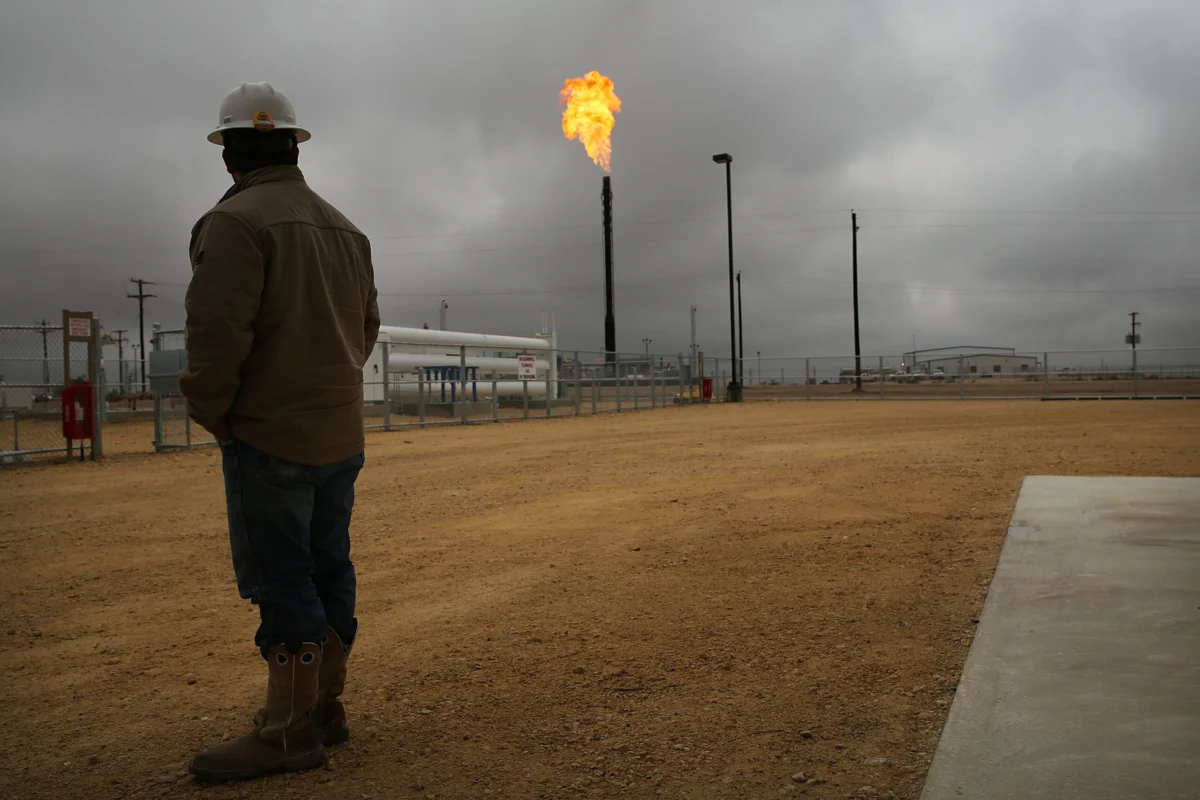
Tech giants are increasingly opting to build their own "behind-the-meter" power plants to ensure uptime for their AI clusters. By 2035, these dedicated onsite plants are expected to consume between 2.9 and 3.4 billion cubic feet per day. To put this in perspective, that single sub-sector of the tech industry will consume as much natural gas as the entire current U.S. data center industry combined, including all the gas currently used to generate power for them via the public grid.
The Grid-Connected Burden
While the onsite plants dominate headlines, they represent only a fraction of the total growth. The primary burden will fall on the public grid. BloombergNEF predicts that by the middle of the next decade, grid-connected data centers will trigger an additional 15 billion cubic feet per day of natural gas demand. This is a demand growth figure five times larger than that of all other grid-connected sectors combined, suggesting that the AI boom is effectively drowning out the energy needs of other industries.
Official Responses and Market Skepticism
The tech industry maintains that these investments are necessary to keep pace with the global AI arms race. However, the energy sector is growing increasingly concerned. Analysts at firms like Noreva are sounding the alarm on the "false hope" of stable energy pricing.
"The combined impact of the data center boom and rising LNG exports could cause prices to soar," the Noreva analysis notes. While tech giants possess the balance sheets to absorb significant fluctuations in fuel costs, the average utility ratepayer may not be so fortunate. If data centers soak up a massive share of natural gas supply, the resulting price spikes could be passed on to residential and small-business consumers, creating a social and political backlash against the tech industry’s energy footprint.
Furthermore, there is the question of completion rates. The BloombergNEF report notes that its latest forecast accounts for the high probability that not all currently announced data center projects will actually come to fruition. Even with a conservative estimate that accounts for project attrition, the demand figures remain alarmingly high.
The Environmental Implications: A Climate Paradox
Perhaps the most significant consequence of this shift is the environmental impact. According to the International Energy Agency (IEA), burning one cubic foot of natural gas releases approximately 60 grams of carbon dioxide, accounting for the entire lifecycle of extraction, processing, and distribution.
The additional demand from data centers is estimated to generate an extra 1 million metric tons of greenhouse gas pollution daily. To contextualize this figure:
- This daily increase represents roughly 12% of total U.S. greenhouse gas emissions today.
- It effectively undermines the decade-long efforts of these tech companies to reach carbon neutrality.
- The reliance on fossil fuels, even if used for "stable" power, locks in carbon-intensive infrastructure for decades to come.
Conclusion: The Road Ahead
The rapid expansion of AI is fundamentally incompatible with the current pace of the global energy transition. By tethering the future of artificial intelligence to natural gas, the world’s most powerful tech companies have inadvertently created a massive new dependency on fossil fuels.
The coming decade will be defined by this energy paradox. As the U.S. grid strains under the pressure of these new, hyper-scale facilities, regulators will be forced to choose between prioritizing the rapid acceleration of AI—and the economic advantages it promises—and the urgent, non-negotiable requirements of the climate crisis.
For the tech giants, the challenge is no longer just software development; it is an industrial-scale energy management problem. Whether they can pivot back to clean, reliable energy solutions before the natural gas demand becomes an inescapable trap remains the defining question of the era. The race to 2035 is on, and the energy market is already starting to feel the heat.