The landscape of the American live music industry is currently embroiled in a high-stakes legislative and ethical dispute. At the heart of the conflict is the "blanket license"—a mechanism used by Performing Rights Organizations (PROs) such as BMI, ASCAP, SESAC, and AllTrack to collect royalties for the public performance of musical works. While intended to streamline the complex task of royalty distribution, independent venue owners and industry advocates argue that the current application of these licenses is not only archaic but actively detrimental to the financial viability of the grassroots touring circuit.
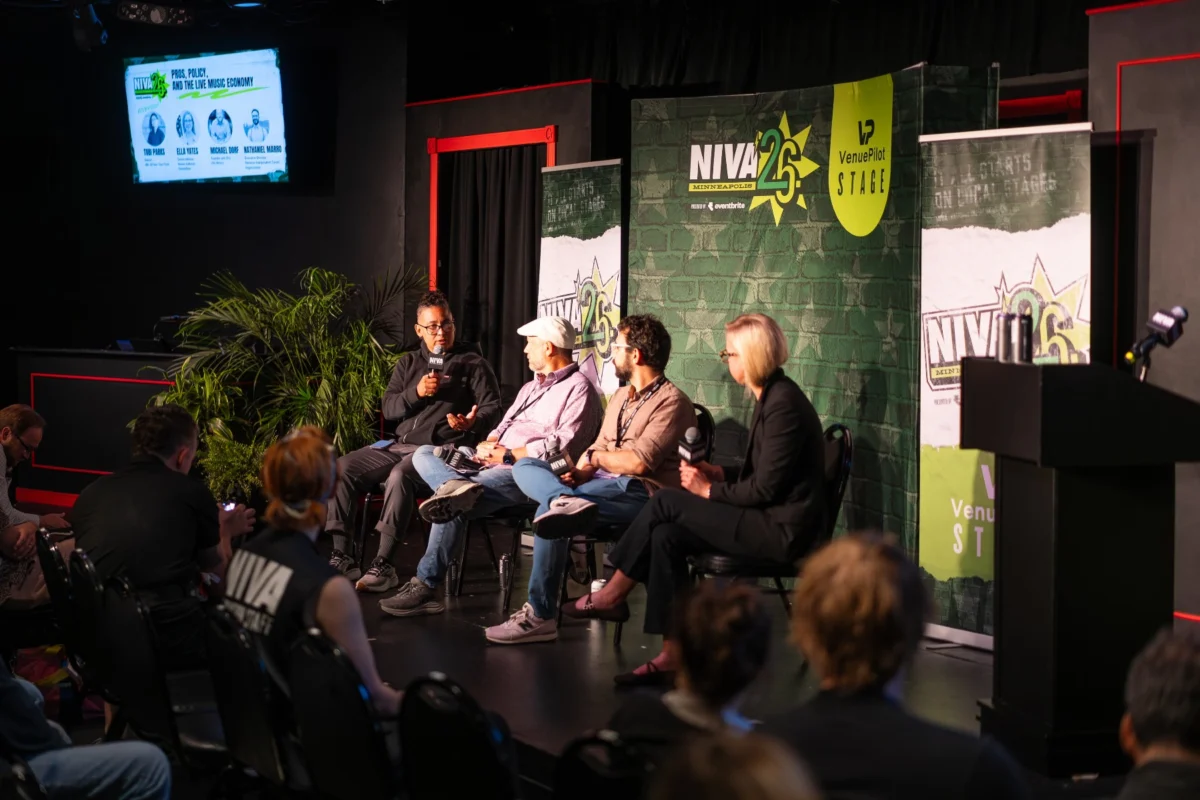
The tension reached a boiling point during the "PROs, Policy, and the Live Music Economy" panel at the National Independent Venue Association (NIVA) conference in Minneapolis. As venues continue to navigate post-pandemic economic pressures, the demand for transparency in how PRO fees are calculated and distributed has become a central rallying cry for independent operators.
The Chronology of Conflict: From Radio Waves to Digital Reality
To understand the current friction, one must look at the historical precedent of the blanket license. Established in an era before the digital age, these licenses were designed to simplify the management of copyright in environments like radio stations and dance halls, where hundreds of songs might be played daily. By paying a blanket fee, a business owner avoids the impossible task of clearing individual rights for every single track played.
However, in the modern concert setting, the situation is vastly different. Today, setlists are documented, and technology exists to track exactly what is performed. Despite this, PROs have largely maintained the status quo, requiring venues to pay a percentage of ticket sales or capacity, regardless of whether the specific songs performed at an event are represented by that organization.
The conflict intensified over the past year as venue owners began pushing back against these requirements. During the NIVA ’26 conference, Michael Dorf, owner of City Winery and founder of the legendary Knitting Factory, shared his experience of receiving aggressive correspondence from PROs. When Dorf questioned the licensing fees and requested specific data on which copyrighted works were being played on his stages, he was met with what he termed "mafioso, thug-like" threats, including notifications of potential fines reaching $150,000 per track for non-compliance.
Supporting Data: The "Hole in the Bucket"
The financial impact of the current model is significant, particularly for independent artists and smaller venues. Nathaniel Marro, executive director of the National Independent Talent Organization (NITO), presented a sobering perspective during the NIVA panel. While acknowledging that PROs play a vital role in ensuring creators are compensated, Marro highlighted that the current blanket model acts as a "serious hole in the bucket."

NITO’s 2025 research indicates a disconnect between the fees collected and the actual payments received by artists. In some cases, touring acts were found to be paying upward of $15,000 in PRO-related costs over the course of a tour, only to see a negligible fraction of that money—sometimes as little as $26—returned to them for the performance of their own original works.
This creates an economic paradox: the very system intended to protect songwriters is often depleting the resources of the artists and venues necessary to sustain the touring ecosystem. When venue overhead rises due to inflexible licensing fees, that cost is often passed down the chain, ultimately affecting the artist’s bottom line and the ticket price for the fan.
Official Responses and Legal Perspectives
The legal framework governing these practices is a point of contention. Ella Yates, a senior adviser to the House Judiciary Committee who played a key role in the Music Modernization Act, offered a nuanced take on whether the law itself is the problem.
"My question would be, is it the law itself that is the problem or is it the way the PROs are leveraging it?" Yates asked during the panel. She clarified that while the government oversees certain aspects of music licensing, the rigid "blanket-or-nothing" approach is largely a business practice dictated by the PROs, rather than an explicit federal mandate.
This distinction is crucial. If the requirement to use a blanket license is a self-imposed industry standard rather than a legal necessity, the door remains open for legislative or market-driven reform. However, the PROs maintain that the administrative burden of itemized licensing is an "enormous task" that would be impossible to manage without the current system. As Tobi Parks, owner of xBK Live and co-founder of Tour Tech, noted, PROs are responsible for licensing everything from laundromats to stadiums, creating a logistical quagmire that the current model attempts to navigate.
The Technological Solution: A Move Toward Granularity
The panelists largely agreed that the technology exists to solve this problem, but the will to implement it remains a hurdle. Platforms such as Tour Tech’s SARA (Setlist Aggregator & Royalty Application) allow artists to submit their setlists directly, ensuring that the royalties collected are distributed to the correct songwriters.

"They built this system 100 years ago. They didn’t have what we have today in terms of reporting mechanisms," Marro stated. By moving toward a model where venues and artists pay only for the music actually performed, the industry could theoretically bypass the need for expensive, inaccurate blanket fees.
The United Kingdom provides a potential roadmap for this transition. The Music Venue Trust has partnered with tech firms like Audoo, which utilizes audio-metering technology to track music in real-time within grassroots venues. This data-driven approach allows for a much more accurate assessment of royalty distribution, ensuring that creators are paid based on actual performance data rather than estimates or flat fees.
Implications for the Future of Live Music
The implications of this debate extend far beyond the accounting offices of independent venues. A "thriving economy," as Parks described it, relies on the ability of creators to tour profitably. If the cost of doing business remains artificially inflated by an outdated licensing model, smaller venues will continue to struggle, and emerging artists will find it increasingly difficult to sustain a career on the road.
The call to action from NIVA is clear: the live music industry needs a system that reflects the digital reality of the 21st century. This means moving toward transparency, leveraging modern tracking technology, and re-evaluating the power dynamics between the major PROs and the independent venues that serve as the lifeblood of the music industry.
As the industry moves forward, the focus will likely shift toward lobbying for better reporting standards and the adoption of technologies that can provide the granularity missing from the current blanket model. Whether through voluntary industry reform or eventual legislative intervention, the message from the Minneapolis conference was unmistakable: the era of "blanket" compliance at the expense of independent music is nearing its expiration date.
Ultimately, the goal remains the same for all stakeholders—ensuring that songwriters are compensated fairly for their work while fostering a live music environment where independent venues can keep their doors open and artists can afford to keep the music playing. The path to that goal, however, requires a fundamental shift in how the music industry values data over outdated, one-size-fits-all business practices.