In the rapidly evolving landscape of high-end personal audio, few brands command the reverence and curiosity of Noble Audio. Known for their uncompromising pursuit of sonic perfection and aesthetic luxury, the company has successfully carved out a portfolio that spans from entry-level marvels to ultra-premium, summit-fi flagships. Their latest offering, the Noble Audio Lu Ban, represents a calculated entry into the competitive $1,399 mid-fi bracket, attempting to bridge the gap between technical prowess and organic, musical enjoyment.
Named after the legendary Chinese carpenter and inventor, the Lu Ban is a product that promises to marry the precision of modern engineering with the warmth of traditional craftsmanship.
The Genesis of the Lu Ban: Main Facts and Concept
The Lu Ban was first teased to the public during the CanJam Singapore event in May, generating immediate buzz due to its distinctive material choice. While the industry is currently saturated with balanced armature and electrostatic arrays, Noble Audio opted for a sophisticated hybrid configuration: a 10mm wooden composite dynamic driver paired with dual Super-Magnetic planar drivers.
This combination is deliberate. The dynamic driver serves as the foundation, handling the low-end and midrange frequencies with the resonance characteristic of wood, while the planar units are tasked with providing the speed, micro-detail, and high-frequency extension that modern audiophiles demand. The internal architecture features a proprietary Mortise and Tenon Acoustic Chamber, a nod to the ancient woodworking techniques attributed to its namesake, designed to mitigate internal driver resonance and refine the sound wave propagation.

Technical Specifications at a Glance:
- Driver Configuration: 10mm Wooden Composite Dynamic Driver + Dual Super-Magnetic Planar Drivers
- Impedance: 27Ω
- Sensitivity: 108 dB SPL/mW
- Connectivity: Standard 0.78mm 2-pin
Chronology and Market Positioning
Noble Audio’s strategy has always been one of vertical integration across price segments. The Lu Ban does not exist in a vacuum; it sits squarely between the accessible "Van Gogh" and the "AGIS II," acting as a bridge to the stratospheric performance of the flagship "Onyx" and "KRONOS" models.
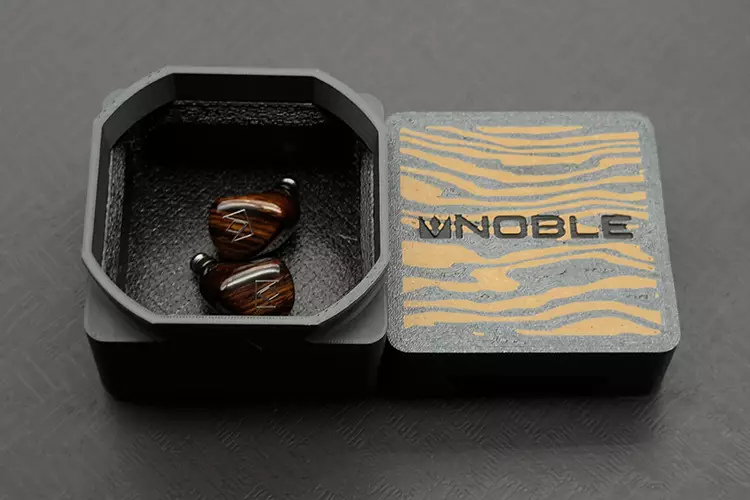
Following its mid-May release, the Lu Ban has been positioned as a "lifestyle" high-end IEM—designed not just for the analytical listener, but for the enthusiast who values a long-term, fatigue-free listening experience. Its arrival in a crowded market forces a direct comparison with heavyweights like the THIEAUDIO Monarch MKIV and the Campfire Audio Grand Luna. By emphasizing "naturalness" over raw, analytical speed, Noble is betting that the current market is ready for a move away from hyper-detailed signatures toward a more refined, soulful presentation.
Design and Build: A Study in Craftsmanship
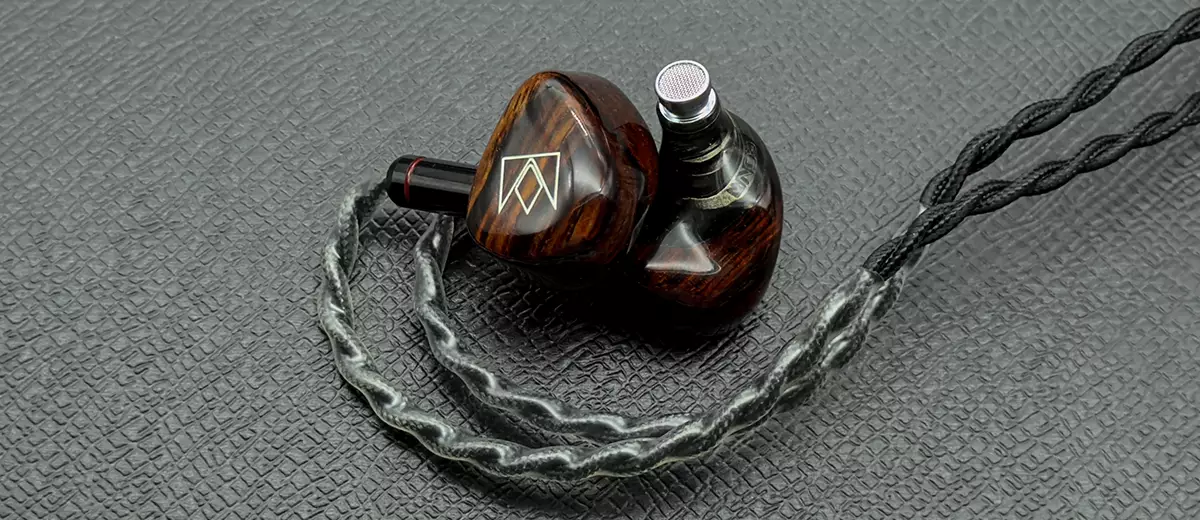
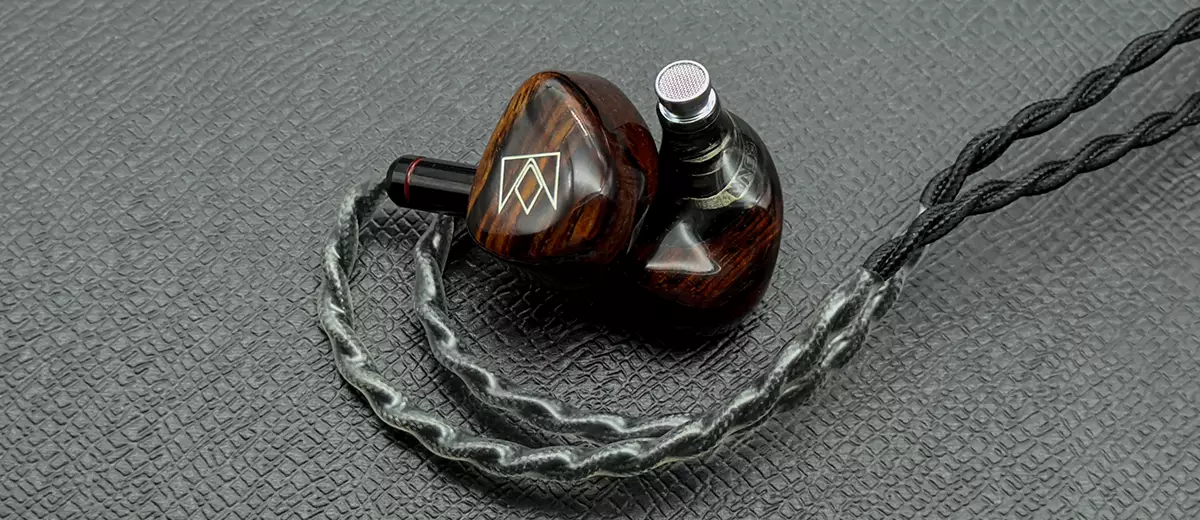
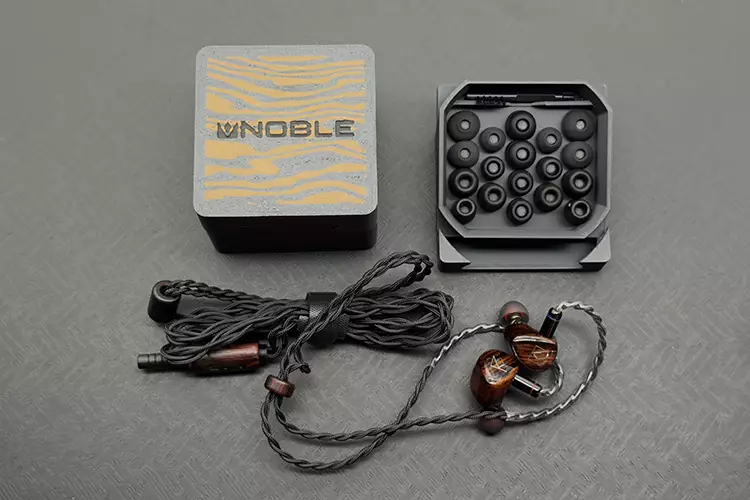
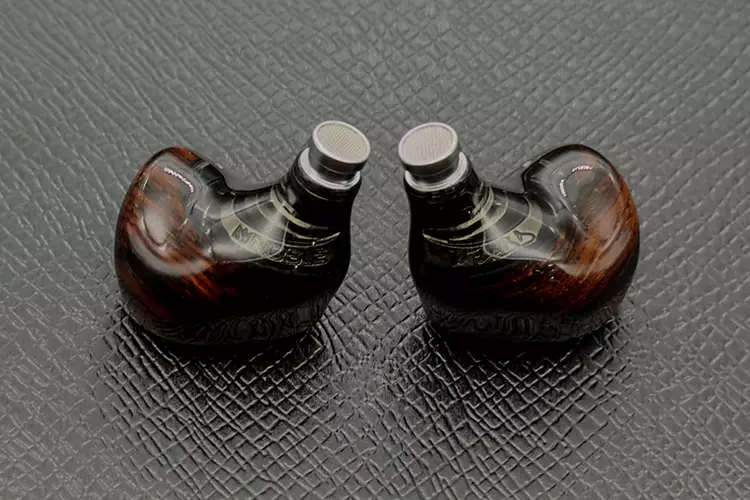
Noble Audio has long been the gold standard for IEM aesthetics, and the Lu Ban continues this tradition without veering into the ostentatious. The shells are a masterclass in material fusion: a core of Cocobolo wood—a material prized for its deep, reddish-brown grain and acoustic properties—is integrated with high-precision 3D-printed resin.
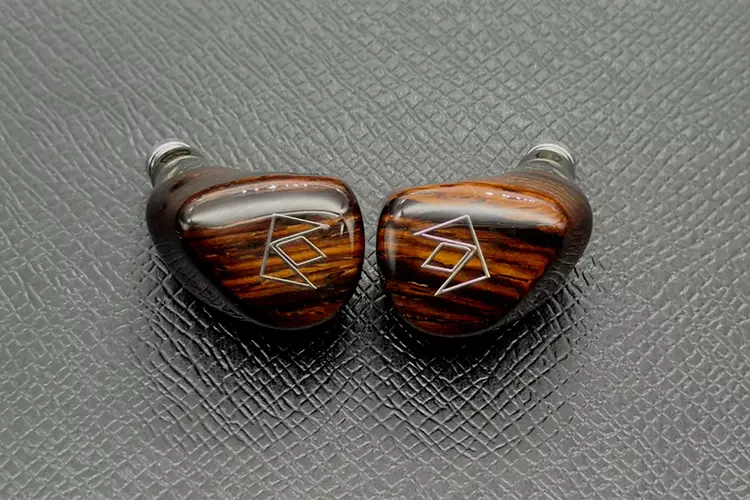
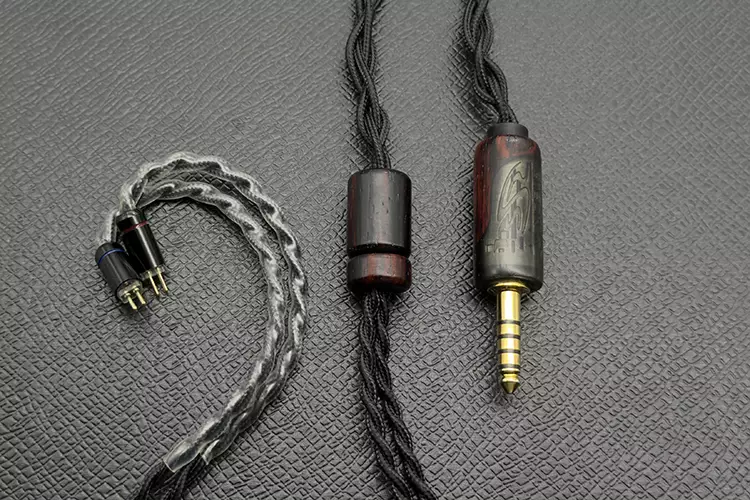
The design is not merely decorative. The inner section of the shell is transparent, providing a glimpse into the internal acoustic chamber. This provides a "boutique" feel that is rarely seen at this price point. The stock cable, a 4.4mm balanced OCC silver-plated wire, reinforces this theme. With wood-accented hardware and a matching resin-housed termination, the cable feels like an extension of the shells themselves. It is lightweight, tangle-resistant, and aesthetically consistent, ensuring that the entire package feels like a cohesive, artisan-made instrument.
Sonic Analysis: The "Organic" Philosophy
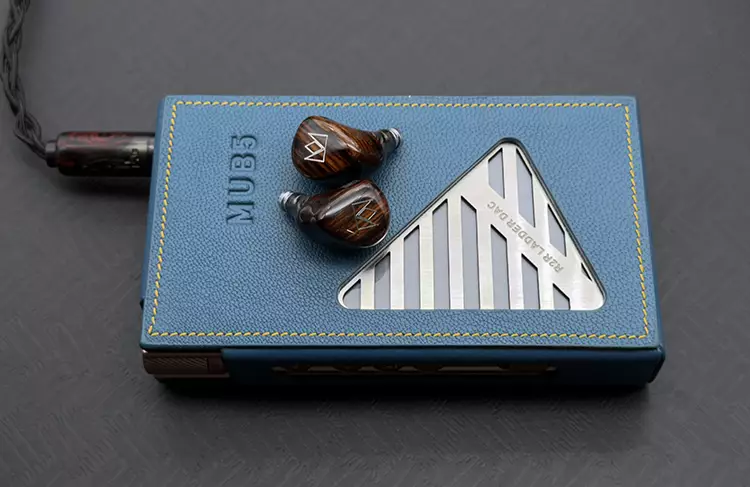
To evaluate the Lu Ban, we subjected it to a variety of sources, including the Lotoo PAW Gold Touch and the QULOOS MUB5. The results suggest a tuning philosophy that prioritizes musicality.
The Low-End Foundation
The bass is arguably the defining feature of the Lu Ban. It is not an "aggressive" bass that hits with the sharp, clinical punch of a pure BA setup. Instead, it offers a textured, organic, and deeply resonant low end. The wooden composite driver imparts a subtle, earthy decay to bass notes, making string instruments like cellos and upright basses sound incredibly lifelike. It is a "grounded" bass—one that provides a solid foundation for the music without bleeding into the lower mids, though it does possess a slight warmth that defines the overall color of the monitor.
Midrange Richness
The midrange is arguably where the Lu Ban shines brightest. It carries an analog-like quality, reminiscent of high-end tube amplification. There is a weight and body to vocal tracks that prevents them from sounding thin or clinical. Female vocals, in particular, benefit from the smooth upper-midrange transition, avoiding the sibilance that often plagues modern, high-resolution IEMs. It is a lush, inviting presentation that makes the Lu Ban an ideal companion for long-form listening sessions.
Treble and Technicalities
The treble is polite. Those looking for aggressive, "airy" micro-details that jump out of the mix may find the Lu Ban slightly conservative. However, this is by design. The planar drivers provide sufficient extension to keep the sound from feeling dark or claustrophobic, but they are tuned to prioritize cohesion over shimmer. In busy, complex tracks, the separation is commendable, though the stage width is more "natural" than "expansive." It does not attempt to create a massive, artificial soundstage, choosing instead to present the music with intimacy and focus.
Implications for the Audiophile Market
The release of the Lu Ban signals a potential shift in the "mid-fi" tier. For years, the market has been caught in a "resolution race," where manufacturers compete to see who can extract the most detail, often at the cost of timbre and comfort.
The Lu Ban stands as a counter-argument to this trend. By choosing to highlight tone, texture, and physical resonance, Noble Audio is catering to a demographic that has moved past the "wow factor" of high-resolution specs and is now seeking a more emotional connection to their music. The implication is that the "next frontier" for IEM manufacturers may not be higher frequencies or more drivers, but rather the perfection of material science—using wood and organic composites to manipulate sound waves in ways that mimic live acoustics.
Supporting Data and User Experience
Comfort and isolation are critical, and here the Lu Ban excels. Its form factor is remarkably compact, even compared to the small Van Gogh model. The ergonomic design ensures that the shells sit flush against the ear, providing excellent passive isolation. During extensive testing, the absence of "driver flex" or pressure buildup was a welcome relief, making it a reliable choice for long commutes or travel.
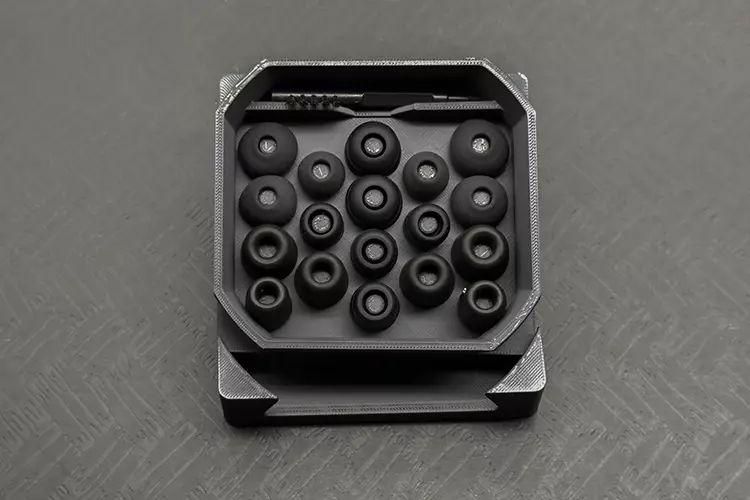
However, the packaging, while visually stunning, remains a point of minor contention. The inclusion of a twist-lock case is a brilliant nod to the Lu Ban theme, but its internal capacity is somewhat restrictive. Users with aftermarket cables may find the case lacking the necessary clearance, a small but notable oversight for a premium-priced product.
Conclusion: Who is the Lu Ban For?
The Noble Audio Lu Ban is not for the person who wants to dissect every millisecond of a track with surgical precision. It is for the listener who wants to melt into their favorite jazz records, explore the textures of acoustic folk, or enjoy the grit of 70s rock.
It succeeds because it knows what it is: a piece of functional art. By prioritizing natural timbre and a "relaxed" technical performance, it offers a unique flavor in a market that often tastes the same. While it lacks the sheer, hyper-detailed airiness of some of its competitors, it more than compensates with a soulfulness and organic weight that is rare to find. For those who value the journey of listening over the destination of analysis, the Lu Ban is a compelling, masterful entry.