In the highly competitive world of audiophile accessories, the cable market has shifted from mere signal conduits to essential components of sound sculpting. ddHiFi, a brand that has garnered significant acclaim for its high-quality adapters and modular hardware, has officially entered the high-end fray with the ddHiFi Eryx. Priced at $499.99, the Eryx is a statement piece, blending luxurious organic materials with advanced hybrid-conductor geometry.
This review evaluates the Eryx, not just as a piece of aesthetic hardware, but as an acoustic instrument capable of refining the presentation of some of the most complex In-Ear Monitors (IEMs) currently on the market.

Main Facts: The Anatomy of the Eryx
The ddHiFi Eryx is built upon a philosophy of "musicality first." Unlike cables that attempt to force a radical shift in frequency response, the Eryx focuses on the periphery of the sound: the background, the decay, and the spatial organization of the performance.
Technical Specifications
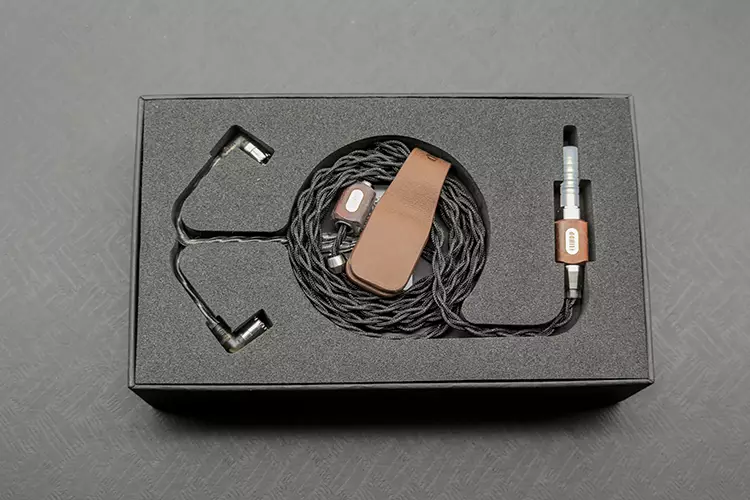
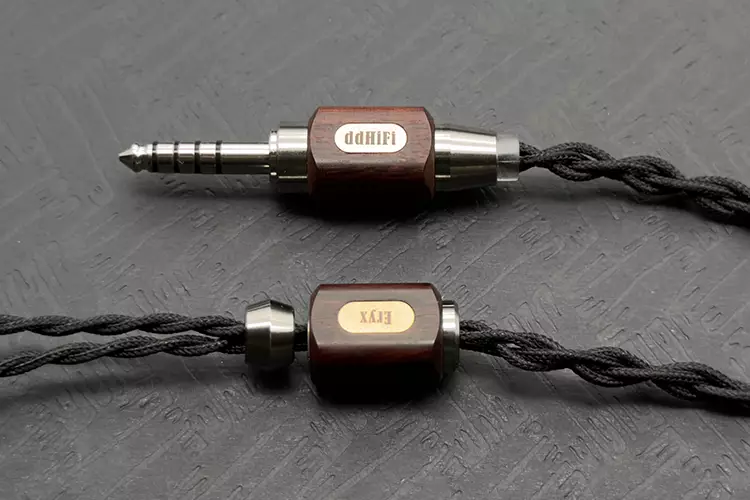
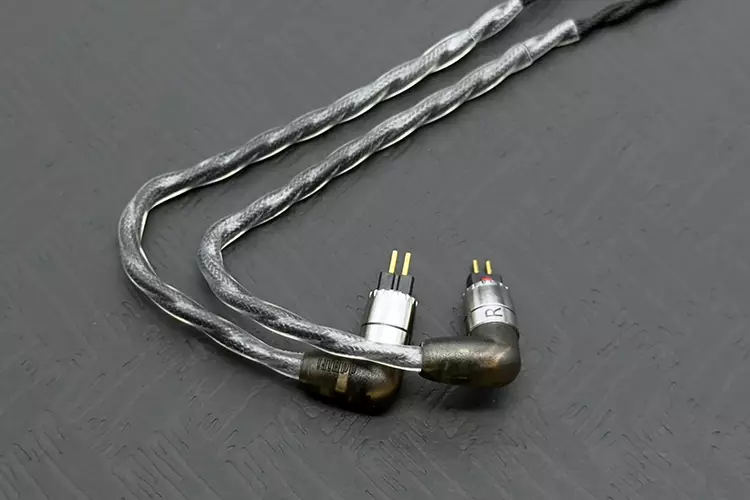
- Conductor Design: Hybrid quad-conductor geometry (OFC paired with OCC copper, plus pure silver combined with gold-plated OCC).
- Connector System: Proprietary Nyx-Pin system featuring interchangeable 0.78mm 2-pin (long and flat) and MMCX options.
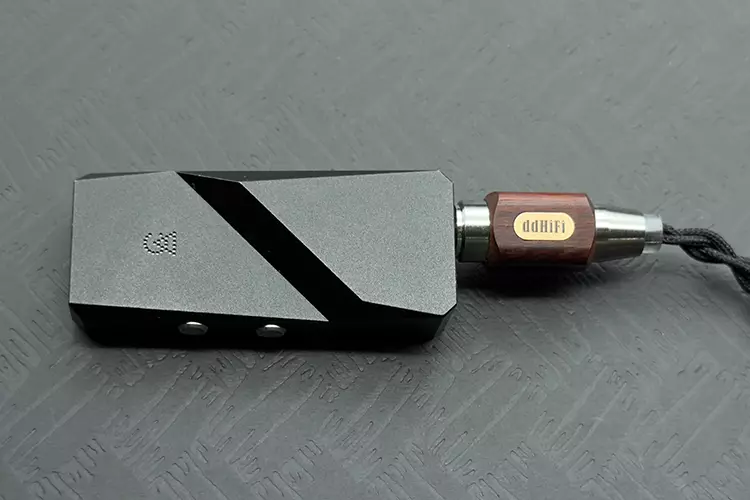
- Termination: Available in 4.4mm rhodium-plated or gold-plated configurations.
- Aesthetic Elements: High-density red sandalwood and aerospace-grade titanium alloy hardware.
- Insulation: American PVC with a black braided mesh double-insulation layer.
The core objective of this conductor mix is to optimize signal transmission speed and clarity while maintaining an organic, "dark" background—a hallmark of high-end cable manufacturing.
Chronology of Development and Release
ddHiFi has spent the last several years methodically building its reputation. Starting as a niche manufacturer of compact, high-fidelity adapters, the brand moved into the cable space with the release of the Nyx Net last year. The Nyx Net served as a proving ground for their build quality and modular connector systems.
The development of the Eryx followed a period of intensive testing regarding vibration damping and material resonance. By integrating sandalwood and titanium, ddHiFi aimed to address the micro-vibrations that can potentially color an audio signal. Upon its announcement, the internet was quick to take notice of its distinct, boutique aesthetic. Following successful stress tests and internal tuning sessions, the Eryx reached the market this quarter as the company’s new flagship offering, signaling a maturation of their product lineup into the luxury segment.
Supporting Data: Sonic Performance and Synergy
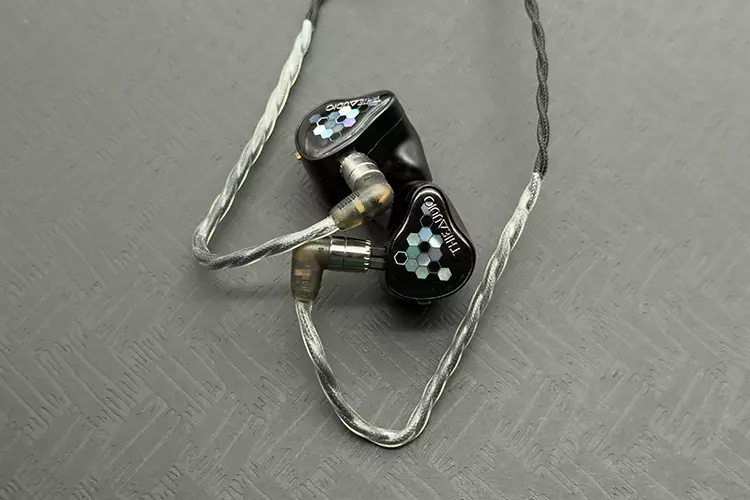
To test the claims of the Eryx, we utilized a reference-grade chain consisting of the Lotoo PAW Gold Touch, paired with the THIEAUDIO Monarch MKIV, AFUL DAWN-X, and the BGVP Solomon.
The "Dark Background" Effect
The most immediate takeaway from the Eryx is its ability to lower the noise floor. While cables cannot "filter" noise in the way an active power conditioner does, the metallurgical choices in the Eryx—specifically the balance of gold-plated silver and OCC copper—contribute to a presentation that feels perceptibly "blacker."
In practice, this allows micro-details that are often masked by the sheer energetic output of high-end drivers to emerge with greater clarity. On the THIEAUDIO Monarch MKIV, a tribrid beast, the Eryx smoothed out the upper-midrange harshness that can occasionally manifest during intense orchestral passages.
Imaging and Spatial Realignment
The Eryx does not necessarily widen the soundstage in a literal sense, but it reorganizes the space. Where stock cables can sometimes result in a "clustered" feeling during busy tracks, the Eryx provides "breathing room" for each instrument.
- The AFUL DAWN-X Experience: With its 14-driver quadbrid configuration, the DAWN-X is inherently sensitive. The Eryx tamed the treble peaks that often contribute to listener fatigue, resulting in a more coherent, fluid, and immersive experience.
- The BGVP Solomon Test: The Solomon is known for its incisive, energetic top end. The Eryx acted as a natural dampener, preserving the shimmer and detail while removing the "glassy" edge that often accompanies high-energy treble.
Official Perspective and Design Philosophy
ddHiFi maintains that the Eryx is designed for the listener who already loves their IEMs but seeks to refine their emotional engagement with the music. Their choice of rosewood and titanium is not merely cosmetic; the brand asserts that these materials possess unique resonance-damping properties that prevent the "ringing" or "blurring" often associated with metallic shells.
The modular Nyx-Pin system is another pillar of the brand’s philosophy. By providing an interchangeable connector system, ddHiFi is acknowledging the high cost of entry for flagship cables. Users are not tethered to one IEM; they can carry their $499 investment across multiple platforms, from 2-pin setups to MMCX, future-proofing the purchase.

Implications for the Audiophile Market
The release of the Eryx carries significant weight for the aftermarket cable industry. At $499.99, it sits in a bracket where performance expectations are exceptionally high.
Is the Price Justified?
For the casual listener, the cost-to-performance ratio of an aftermarket cable remains a point of contention. However, for the enthusiast who has already invested $1,000 to $3,000 into their IEMs, the Eryx represents a "fine-tuning" tool. The implications are clear: as IEMs become more technically capable, the demand for accessories that can provide subtle, organic adjustments—rather than drastic, artificial colorations—is growing.

Ergonomics vs. Aesthetics
The Eryx is a polarizing product in terms of handling. While the hardware is arguably some of the most beautiful in the current market, the use of a black braided mesh over American PVC creates a specific tactile experience. Some users may find it slightly less "substantial" than the thick, heavy cables favored by boutique competitors. However, its lightweight nature is a relief for long-term listening sessions. It is a cable built for comfort, not for display-case stiffness.
Final Verdict: The "Musical" Choice
The ddHiFi Eryx succeeds in its mission to bring a sense of organic, musical flow to technically proficient IEMs. It is not an "equalizer" in the traditional sense; it is a polisher. By smoothing out aggressive treble, adding texture to the bass, and providing a cleaner, darker backdrop, it allows the listener to connect more deeply with the nuance of a recording.
Pros:
- Exceptional Background: The "blackness" of the background is a standout feature, creating a more professional, studio-like presentation.
- Musicality: It successfully removes "analytical fatigue" without sacrificing resolution.
- Build Quality: The red sandalwood and titanium hardware are exquisite, offering a tactile satisfaction that few competitors can match.
Cons:
- Cable Firmness: Those who prefer a thick, heavy, "premium" feeling cable may find the thinness of the Eryx surprising.
- Microphonics: Due to the braided sleeve, some microphonics are present, though they are well within acceptable limits.
Ultimately, the ddHiFi Eryx is a sophisticated, mature, and thoughtfully designed cable that justifies its flagship status through its ability to harmonize the complex interplay between driver configurations and human perception. For those looking to elevate their high-end IEM experience, the Eryx is a formidable contender.