In an era defined by hyper-calculated marketing campaigns, algorithmic teasing, and months-long rollout strategies, the music industry was caught off guard this September. On September 8, R&B luminary Jhené Aiko blindsided the industry by announcing her sixth studio album, Westside Whimsy. Just three days later, the project was available to the world. By the following week, the record had shattered expectations, landing at No. 1 on the Billboard 200 with 74,000 equivalent album units for the week ending September 17.
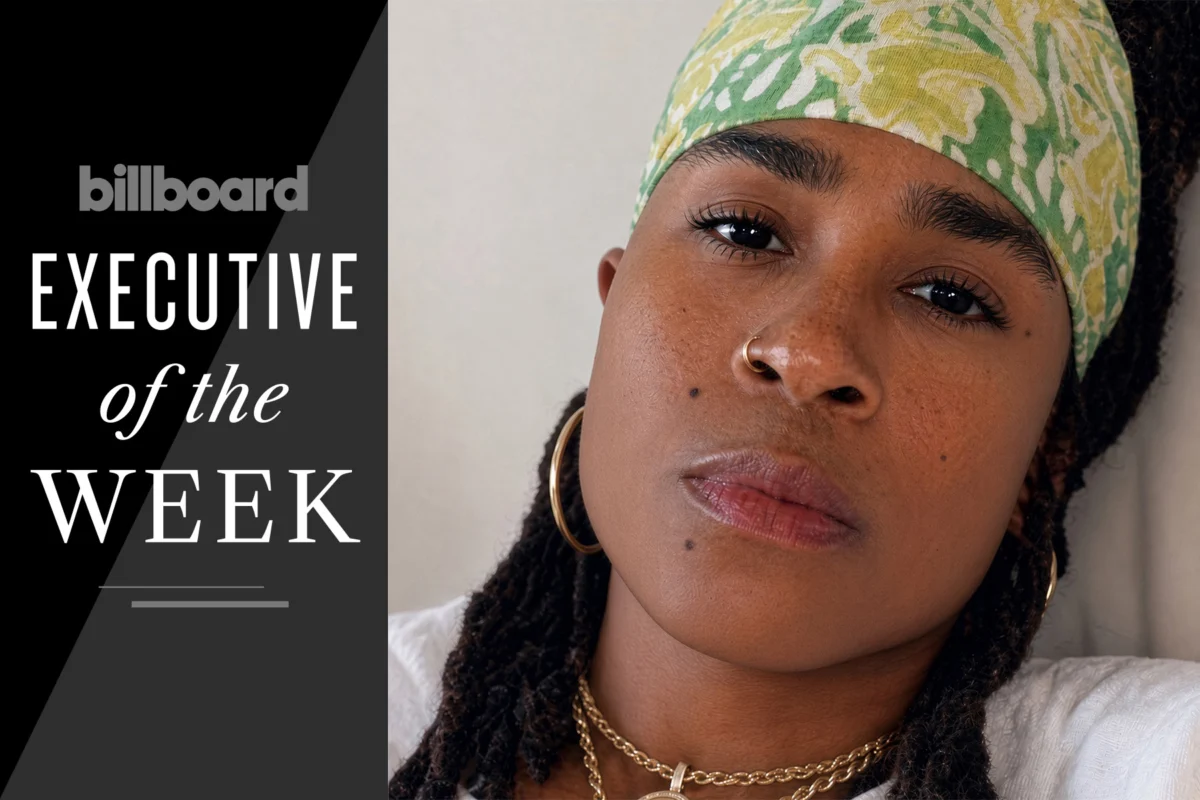
The success of Westside Whimsy is more than just a win for Aiko; it is a profound testament to the power of organic connection and the philosophy of Ketrina "Taz" Askew, the veteran manager and founder of ArtClub International. As Aiko’s longtime architect of career strategy, Askew’s decision to eschew the traditional "overthinking" of album cycles has paid off, earning her the title of Billboard’s Executive of the Week and reigniting a vital conversation about the current state of R&B.
A Chronology of a Swift Ascent
The trajectory of Westside Whimsy was anything but conventional. After a six-year hiatus—an eternity in the fast-moving world of streaming pop—Aiko’s return was marked by a quiet, almost understated confidence.
- September 8: The surprise announcement of Westside Whimsy ripples across social media, catching fans and critics by surprise.
- September 11: The album is officially released. The lack of a prolonged pre-order window or weeks of heavy-handed singles meant the music arrived as a singular, cohesive statement.
- September 17: The tracking week concludes with the project securing the top spot on the Billboard 200.
- Post-Release: The album solidifies its status as a critical and commercial pillar for the latter half of 2026.
This rapid-fire arrival served to highlight the strength of Aiko’s brand. By stripping away the performative "hype" of a standard rollout, Askew and Aiko allowed the listener to encounter the art without the baggage of marketing fatigue.
The Architect Behind the Vision: Taz Askew
To understand the success of Westside Whimsy, one must look at the partnership between Aiko and Ketrina "Taz" Askew. As the CEO of ArtClub International—a firm that also boasts the management of rising star Blxst—Askew has cultivated a reputation for prioritizing the artist’s mental and creative autonomy over the industry’s demand for constant output.
"Sometimes you can overthink a rollout," Askew says. "We just went with the flow and decided to let the music speak for itself."

Askew’s management style is rooted in a supportive, rather than prescriptive, framework. When asked about the key decision that led to the No. 1 debut, she deflects with characteristic humility: "Jhené is a visionary and has such a strong connection with her audience. Our job is to enhance and amplify what she’s naturally doing—not try to reinvent it. We make sure the music, the story, and the overall artistry are positioned properly, and then we work to get it in front of as many people as possible."
Supporting Data: A Milestone for R&B
The commercial impact of Westside Whimsy cannot be overstated. In a climate where hip-hop and pop often dominate the charts, Aiko’s achievement is a significant milestone for R&B.
- Gender and Genre Benchmarks: Westside Whimsy stands as the first R&B album by a female artist to reach No. 1 on the Billboard 200 in 2026.
- Filling the Vacuum: It marks the first R&B project to top the charts in over a year, successfully breaking the industry-wide drought that followed the historic 13-week run of SZA’s SOS in 2025.
- Historical Context: This is Aiko’s sixth top 10 album, a streak that began with her 2013 debut, Sail Out. It follows the immense success of 2020’s Chilombo, which earned her a Grammy nomination for Album of the Year and cemented her status as one of the most respected voices in modern music.
Life Off-Stage: The Six-Year Hiatus
The question on every fan’s mind during the lead-up to this release was simple: Why the long wait? For an artist of Aiko’s stature, a six-year break is a risk that few executives would advise. However, Askew notes that for Aiko, the silence was not a career move—it was a life choice.
"Jhené just likes to take her time and move at her own pace," Askew explains. "During that time, she was also focused on being a mom. Sometimes life just takes priority, and she wanted to give herself the space to do that."
This perspective is central to the "ArtClub" ethos. By protecting Aiko’s personal time, Askew ensured that when she did return to the studio, the music would be born from genuine experience rather than the pressure to fill a quota. This authenticity is, according to Askew, the primary reason the album resonated so deeply with audiences. "There’s an honesty in her music that allows people to see themselves in it," she adds.
The Future of the Campaign
Now that the album has secured its spot at the top of the charts, the question shifts to sustainability. How does a team keep momentum going after a surprise drop? Askew remains focused on a long-term, deliberate approach.

"We’re just going to keep grinding," she says. "We’ll keep pushing the songs, the visuals, and the story across as many platforms and spaces as will have us. And then, at some point, we’ll be touring and giving people the opportunity to experience it live."
When asked about the possibility of repeating the awards-season success of Chilombo, Askew remains grounded. "Hoping for the best," she says regarding the potential for further Grammy recognition. "Really don’t have any expectations."
Implications for the Industry
The success of Westside Whimsy serves as a case study for a changing music industry. It challenges the prevailing wisdom that an artist must be omnipresent to remain relevant. By leaning into the "less is more" philosophy, Aiko and Askew have proven that a loyal, established fanbase—when treated with respect and served with authentic, high-quality output—is more powerful than the most expensive marketing campaign.
Furthermore, it offers a glimmer of hope for the R&B genre. As Askew observes, the industry may be "making our way back to authenticity." If Westside Whimsy is any indication, the audience is starving for substance. In a world of noise, sometimes the most disruptive thing an artist can do is release a project that is, quite simply, good—and let the rest follow.
As we look toward the remainder of 2026, the success of this album will likely serve as a blueprint for other legacy artists looking to bridge the gap between their creative identity and commercial success. For Taz Askew, the victory is not just in the numbers, but in the validation of a career-long belief: that if you take care of the artist, the art will take care of the rest.