WASHINGTON, D.C. — In an era defined by information overload and shrinking attention spans, digital publishing is undergoing a quiet yet profound structural evolution. Readers today are inundated with endless streams of copy-pasted press releases, superficial product roundups, and bloated, self-indulgent reviews that obscure the fundamental question consumers want answered: Is this product actually worth my time and money?
Addressing this critical gap in the media landscape, digital review publication Distilled has officially announced the launch of its innovative new content format. Designed to cut through the digital noise, the initiative promises to deliver rapid, high-impact summaries of consumer technology, audio gear, and lifestyle products without sacrificing journalistic integrity or analytical depth.
While the publication’s editorial team has firmly emphasized that its flagship, long-form reviews are here to stay, Distilled represents a direct response to modern consumption habits—offering an agile middle ground for busy enthusiasts who demand substance without the fluff.
Main Facts: What Is Distilled?
At its core, Distilled is a micro-review format engineered for efficiency. Each entry in the column is strictly curated to fall between 200 and 300 words, delivering an unvarnished, data-driven overview of a product’s core components, build quality, and performance metrics.
Key pillars of the Distilled format include:
- Zero Fluff: Editors have instituted a strict editorial policy barring unnecessary pontification, marketing buzzwords, and first-person autobiographical tangents ("I, me, mine").
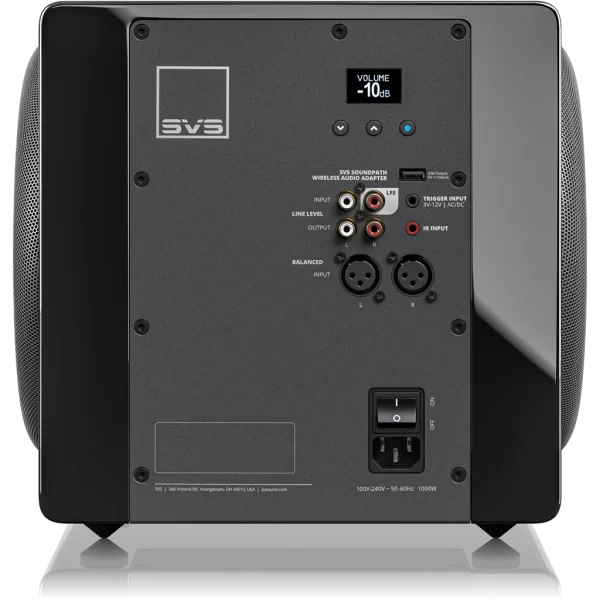
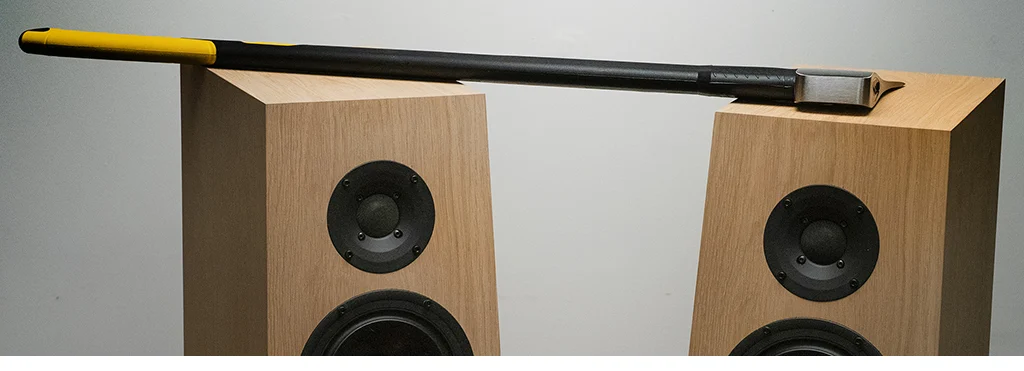
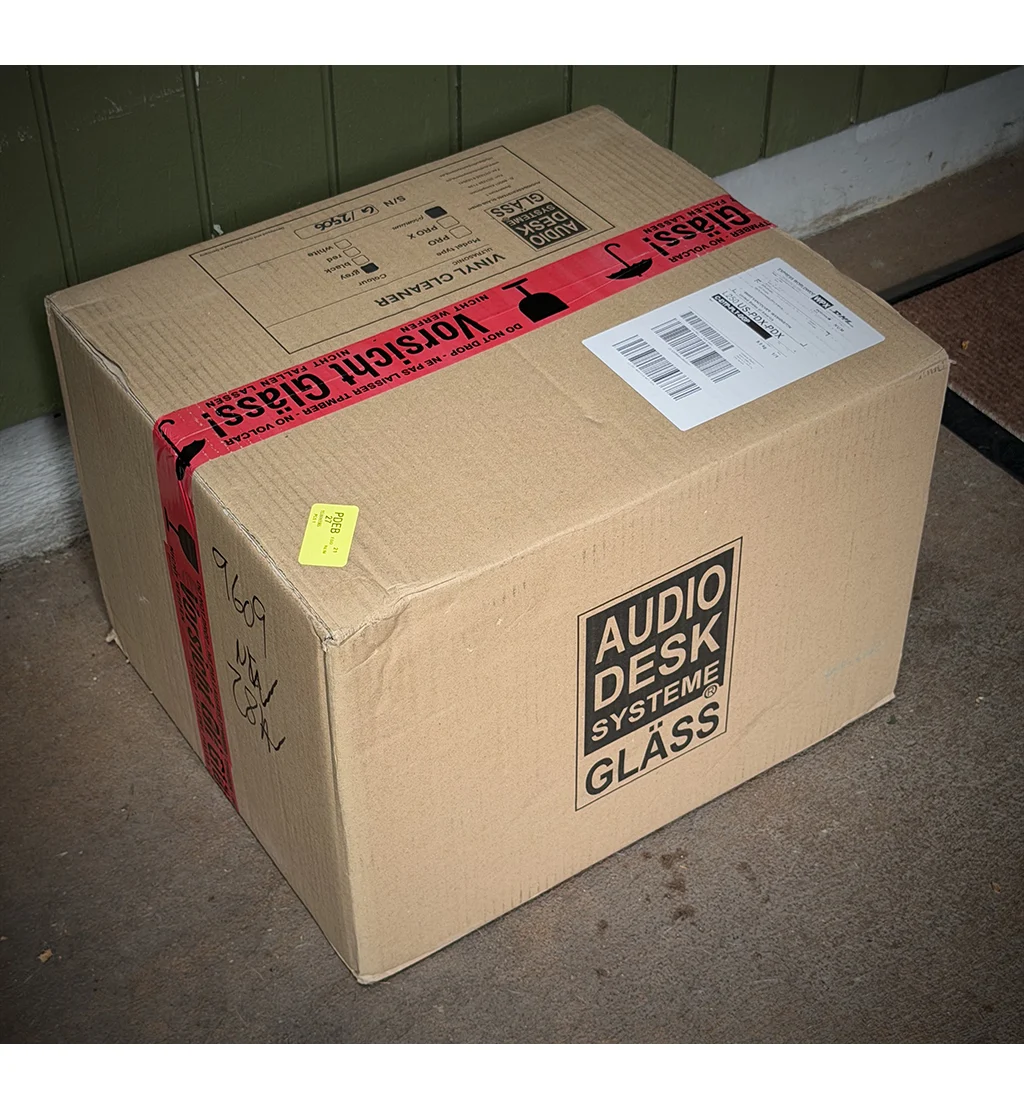
- Visual Verification: Every micro-review will be accompanied by original, high-resolution photography showcasing the product from critical angles.
- Seamless Navigation: Readers will find direct links to full-length reviews (where available) alongside official manufacturer pages.
- Purely Consumer-Centric Links: On select occasions, direct purchase links may be provided for convenience; however, the publication has explicitly guaranteed that these are strictly non-sponsored, non-affiliate URLs to preserve absolute editorial independence.
Chronology: The Evolution of the Digital Review Format
To understand the necessity of Distilled, one must examine the trajectory of online product journalism over the past two decades.
Phase One: The Wild West of Forums and Blogs (Early 2000s)
In the nascent days of consumer tech blogging, reviews were often decentralized, informal, and driven by passionate hobbyists on forums and early RSS-fed blogs. While authentic, these pieces lacked rigorous standardization, often reading more like personal diary entries than professional evaluations.
Phase Two: The Rise of the Bloated Review (2010–2020)
As digital advertising models matured, search engine optimization (SEO) algorithms began heavily favoring high word counts. Review sites quickly adapted by padding articles with thousands of words of repetitive background history, unboxing theatrics, and excessive personal anecdotes just to rank higher on search engines. Readers seeking a simple specification check or sound signature analysis were forced to scroll past walls of irrelevant text.
Phase Three: The Press Release Mill (2020–Present)
Concurrently, the pressure to publish at breakneck speeds led many outlets to simply rehash corporate press releases disguised as "news." Consumers were left with a polarized choice: read shallow marketing copy masquerading as journalism, or invest 20 minutes reading a sprawling, multi-page essay.
The Birth of Distilled (Present Day)
Recognizing this friction, the editorial leadership behind Distilled began drafting the new column format in late 2023, conducting internal reader surveys to gauge appetite for hyper-concise evaluations. Following months of backend adjustments and formatting trials, the initiative has officially rolled out to the public, marking a structural pivot toward reader-first minimalism.
Supporting Data: The Economics of Attention and Modern Media Consumption
The launch of Distilled is heavily supported by contemporary media consumption data, which underscores a growing fatigue with long-form digital filler.
Attention Span Metrics
According to recent digital media research, the average human attention span while reading online content has dropped significantly over the past decade. A study conducted by the Nielsen Norman Group revealed that most web users read only about 20% to 28% of the text on an average page. Instead of reading linearly, modern consumers scan pages in "F-shaped" patterns, hunting for specific data points, pricing details, and definitive verdicts.
| Review Format Type | Average Word Count | Average Reader Time Investment | Reader Retention Rate |
|---|---|---|---|
| Traditional Long-Form | 1,500 – 3,500 words | 8 – 15 minutes | Low (High bounce rate past fold) |
| Press Release Repost | 400 – 600 words | 2 minutes | Moderate (Low trust factor) |
| The Distilled Format | 200 – 300 words | 60 – 90 seconds | High (Maximized information density) |
As demonstrated by the data, shrinking word counts—when paired with high information density—directly correlate with improved user satisfaction, particularly among mobile readers on-the-go.
The Trust Deficit in Affiliate Marketing
Furthermore, consumer trust in online recommendations has faced mounting pressure due to the omnipresence of affiliate marketing. When every review link funnels through a commission-based tracking code, skepticism naturally arises regarding the objectivity of the verdict. By strictly rejecting affiliate monetization for the Distilled column, the publication aims to recapture a sense of editorial purity that has been largely commodified across the wider web.
Official Responses and Editorial Philosophy
Speaking on condition of anonymity to discuss internal operational strategies, senior editors at the publication elaborated on the philosophy driving the new column.
"We love deep dives. There is an irreplaceable place in journalism for a 4,000-word teardown of a flagship amplifier, a camera sensor, or a high-end mechanical keyboard," an editorial spokesperson noted. "However, pretending that every single item warranting a mention requires a master’s thesis is doing a disservice to our audience. Sometimes, a user simply wants to know: Does it work? How is the build quality? What does it cost? Distilled answers those questions in the time it takes to brew a cup of coffee."
The decision to completely banish first-person pronouns ("I, Me, Mine") was likewise highlighted as a deliberate step back toward objective, analytical critique.
"For too long, lifestyle and tech journalism became overly focused on the reviewer’s personal journey rather than the product’s actual performance," the editors explained in their launch statement. "Readers don’t need to read three paragraphs about our morning commute or our personal aesthetic preferences before we tell them whether a pair of headphones sounds balanced. We are stripping away the ego to let the hardware speak for itself."
Implications for the Broader Publishing Industry
The introduction of Distilled carries notable implications for independent media outlets, lifestyle bloggers, and major tech publications alike.
1. A Blueprint for Micro-Journalism
As artificial intelligence begins flooding search engines with generic, AI-generated summaries, human-curated micro-formats provide an authentic counterweight. By offering hyper-concise, verified expert insights backed by original photography, publications can carve out a defensible niche that automated aggregators cannot easily replicate.
2. Redefining Reader Engagement
Traditional metrics of digital success have long favored "time on page" as the holy grail of engagement. However, forward-thinking publishers are beginning to realize that "time well spent" and user satisfaction are far more valuable long-term metrics. If a reader can find a trustworthy, concise answer in 90 seconds and leaves the site satisfied, brand loyalty increases organically.
3. Raising the Bar for Honesty
The strict non-affiliate stance taken by Distilled serves as a gentle challenge to an industry heavily reliant on commission-driven links. While it remains to be seen whether other outlets will follow suit, consumer advocacy groups are likely to view transparent, non-monetized quick reviews as a gold standard for unbiased consumer guidance.
Conclusion
The digital media ecosystem is constantly shifting, forcing publishers to either adapt to modern consumption patterns or risk irrelevance. With the introduction of Distilled, the publication has struck a pragmatic balance between thoroughness and efficiency.
By respecting the reader’s time, eliminating self-indulgent prose, refusing the temptations of opaque affiliate marketing, and focusing purely on the essential metrics of quality, Distilled establishes a refreshing template for modern product journalism. For consumers seeking clarity in a crowded marketplace, this micro-format proves that sometimes, less truly is more.