In the world of contemporary architecture, we often focus on the "visual diet" of a room—the sleek lines of floor-to-ceiling glass, the polished finish of concrete, and the minimalist palette of white-washed drywall. However, a space is more than just a visual experience; it is an environment that we occupy, inhabit, and listen to. Just as a musical composition requires a careful balance of melody, harmony, and rhythm to move an audience, the design of a space is an intentional composition that dictates how we feel, focus, and interact.
Increasingly, designers are discovering that the most critical "instrument" in this composition is texture. Far from being a mere aesthetic flourish, texture is the primary tool for manipulating the sonic environment. By rethinking how we treat surfaces, we can move away from the sterile, echo-prone interiors that dominate modern office and residential design and toward spaces that offer both visual depth and acoustic harmony.
The Symphony of Space: Understanding Acoustic Comfort
At its core, interior design is about the management of sensory input. While color and light define the visual identity of a room, sound defines its atmosphere. When we walk into a space, our brain immediately begins to process the "acoustical signature" of that environment. Is it cold and cavernous? Is it cozy and intimate? Does it induce anxiety through reflected noise, or does it promote clarity through controlled diffusion?
The relationship between surface texture and acoustic comfort is foundational. Every surface in a room acts as a participant in the acoustic experience. Hard, smooth materials—the staples of "modernist" design—act as mirrors for sound waves. When sound hits these surfaces, it reflects back into the room, creating reverberation and noise buildup. This phenomenon, known as the "cocktail party effect," forces people to raise their voices to be heard, leading to fatigue and a breakdown in communication. By contrast, textured surfaces break up these waves, diffusing sound energy and softening the sonic environment. Integrating these textures early in the design process is not just an acoustic necessity; it is a design imperative.

From Background to Active Surface: A New Paradigm
For decades, acoustic treatment was relegated to the "afterthought" category. Architects would finalize a blueprint, only to realize later that the space was unusable due to echo, resulting in the awkward, mismatched installation of foam squares or bulky panels. This reactive approach often ruins the intended design language of a space.
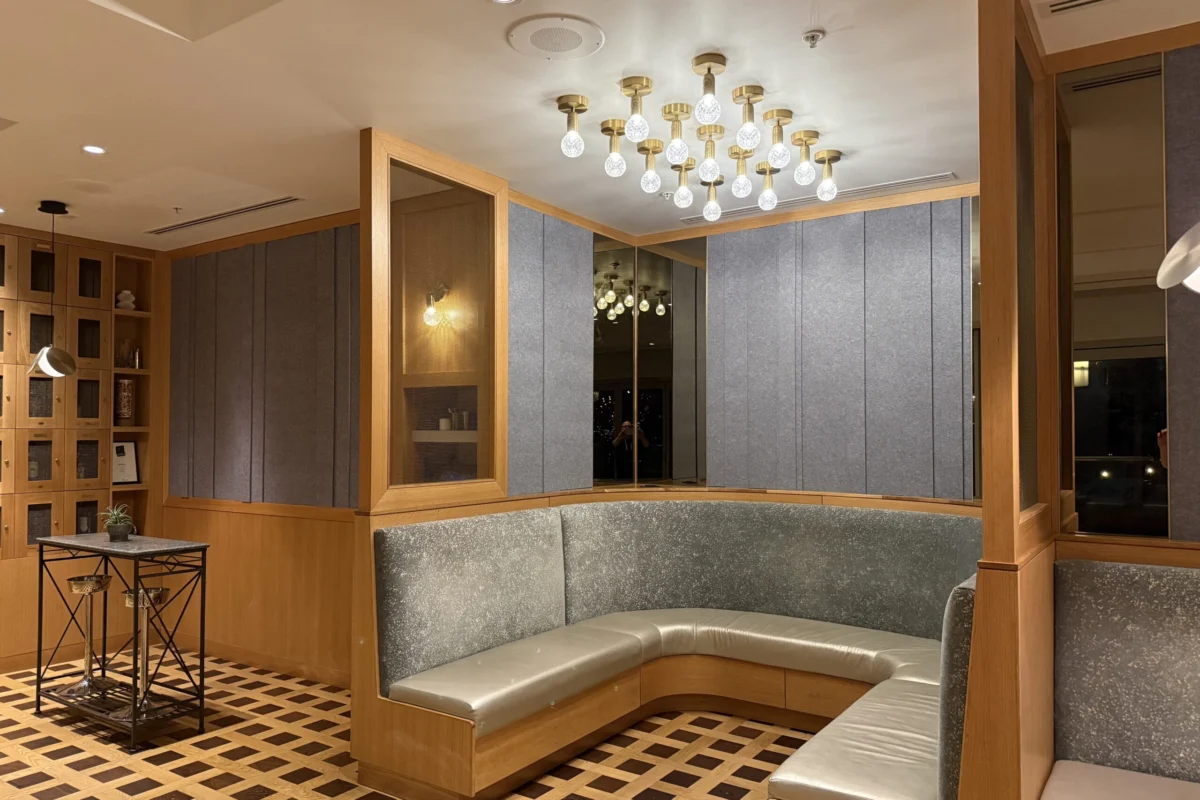
However, a shift is occurring. We are beginning to view walls as "active surfaces"—dynamic elements that contribute to both the function and the beauty of an interior. By moving away from the idea that acoustic treatment must be an intrusive addition, designers are embracing materials that serve a dual purpose.
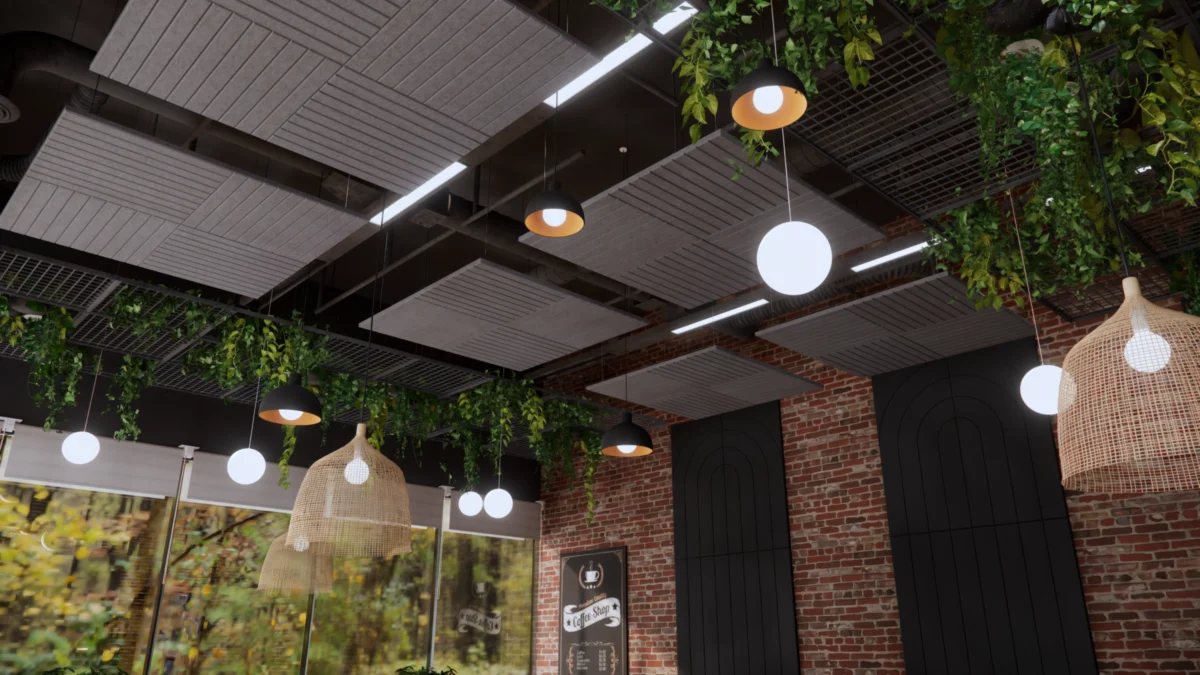
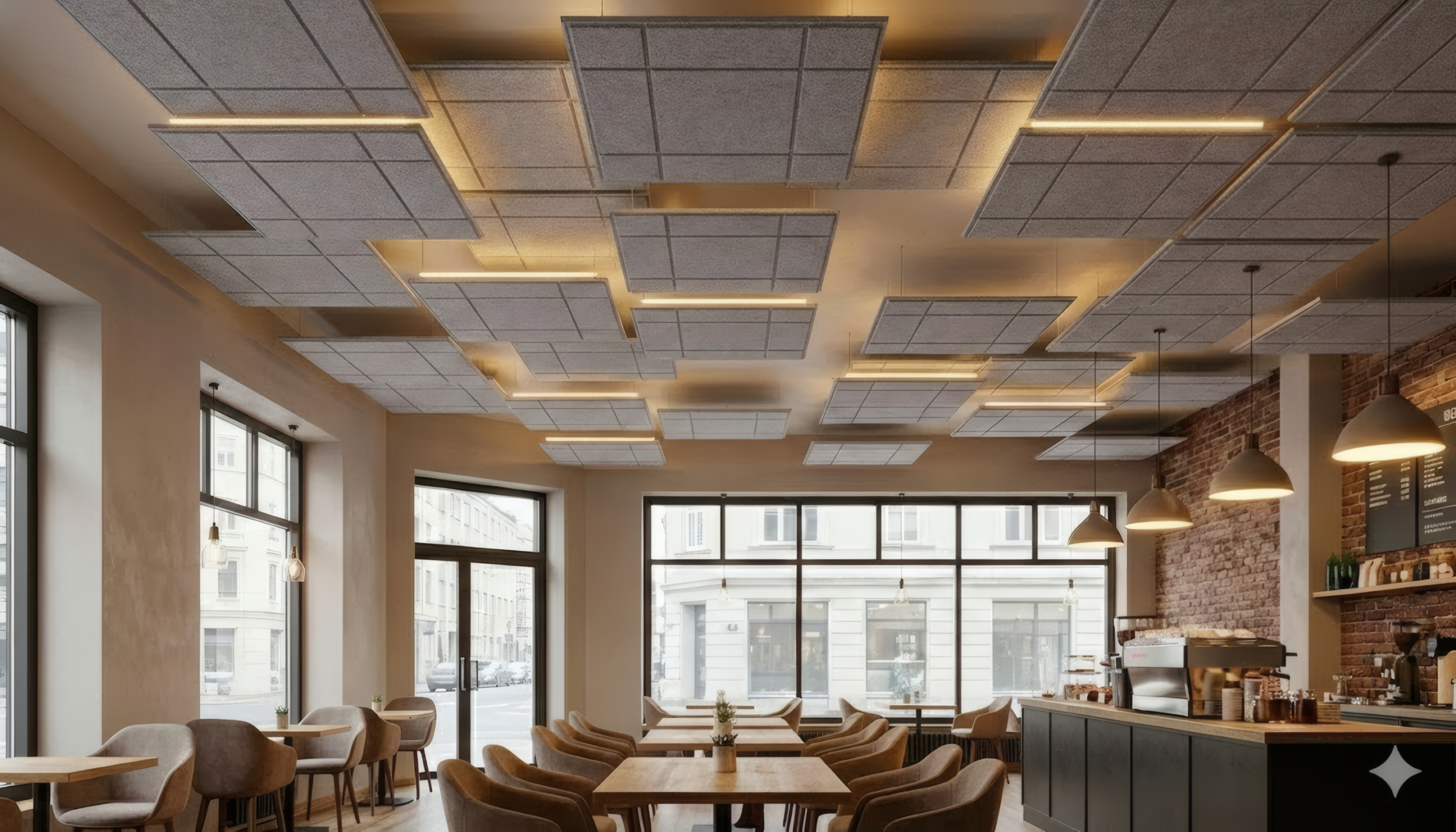
PET (polyethylene terephthalate) acoustic panels have emerged as the industry standard in this evolution. Sourced from recycled plastic bottles, these panels are not only environmentally sustainable but also inherently malleable. Because they can be precision-cut, engraved, and sculpted, they offer a level of design flexibility that was previously impossible. Technologies such as Primacoustic’s EcoScapes Contour panels exemplify this, turning the functional necessity of sound absorption into a bespoke feature that acts as a canvas for brand identity, architectural rhythm, and artistic expression.
The Chronology of Acoustic Integration
To understand the current state of acoustic design, one must look at the evolution of the office and public space:
- The Mid-Century Modern Era: The focus was on open floor plans and hard surfaces, which prioritized aesthetic "cleanliness." Acoustics were largely ignored, leading to the rise of noisy, open-office layouts.
- The Late 20th Century: The "cubicle farm" era attempted to solve noise issues with fabric-wrapped partitions. While these were effective at blocking sound, they created a claustrophobic and uninspiring visual environment.
- The Early 2000s: The "industrial-chic" trend saw the return of exposed concrete and glass, again sacrificing acoustic comfort for a specific visual aesthetic.
- The Modern Sustainable Era (2020–Present): A convergence of advanced manufacturing and environmental awareness has brought us to the current moment. We are now utilizing high-performance materials like PET that can be custom-fabricated to align perfectly with the architect’s original vision, ensuring that acoustic treatment is a seamless part of the design, not an interruption to it.
Supporting Data: The Impact of Sound on Productivity
The implications of poor acoustics in professional and educational settings are well-documented and startling. According to recent industry research:
- Speech Intelligibility: In spaces with high reverberation times, speech intelligibility drops significantly. In an office setting, this equates to a measurable decline in productivity, as employees spend more cognitive energy simply attempting to understand one another.
- Mental Fatigue: Constant exposure to ambient noise and echo causes physiological stress. Studies indicate that employees in "noisy" office environments report higher levels of cortisol (the stress hormone) and lower job satisfaction.
- The "Focus" Economy: In an era where deep, concentrated work is the primary currency of the knowledge economy, acoustics play a critical role. Research has shown that even a minor reduction in background noise and reverberation can lead to a 15–20% increase in task completion speed and accuracy.
By utilizing textured panels to diffuse sound, designers are not just decorating a wall; they are optimizing the cognitive environment of the occupants.
Official Perspectives: The Architect’s Dilemma
Leading architectural firms are increasingly vocal about the need for "acoustic transparency." The consensus among top-tier designers is that the "visual escape" provided by large, flat surfaces—like vast glass partitions—must be balanced with the functional reality of how a room is used.
"The challenge is never the sound itself, but the lack of planning," says a lead consultant at a prominent interior design firm. "When we present a design, the client wants a specific ‘vibe.’ If we introduce acoustic panels at the end of the project, it looks like a patch job. If we integrate them into the wall design—using carved, textured panels that mimic the geometry of the room—the client doesn’t even realize they are looking at acoustic treatment. They just see a beautifully designed space that happens to feel ‘right.’"

This philosophy is shifting the design process. Rather than selecting furniture and wall art to fill a void, designers are now treating the wall itself as the art. By carving patterns into PET panels, they can manipulate light and shadow, creating a visual rhythm that draws the eye and guides the movement of people through the space.
Implications for Future Design
The future of interior architecture lies in the intersection of form and function. As we continue to move toward flexible, multi-purpose environments—where the same room might serve as a collaborative workspace, a quiet reading area, and a social hub—the ability to modulate the sonic environment becomes essential.
Why Early Integration Matters:
- Seamless Aesthetics: When acoustic treatment is conceptualized at the floor-plan stage, it can be integrated into the architecture rather than attached to it.
- Cost-Efficiency: Retrofitting a space for acoustics is significantly more expensive than building the acoustic strategy into the initial design.
- Emotional Well-being: A space that sounds "soft" and controlled feels more secure and welcoming. It invites interaction and reduces the "clutter" of the mind.
The Role of Texture in Modern Branding:
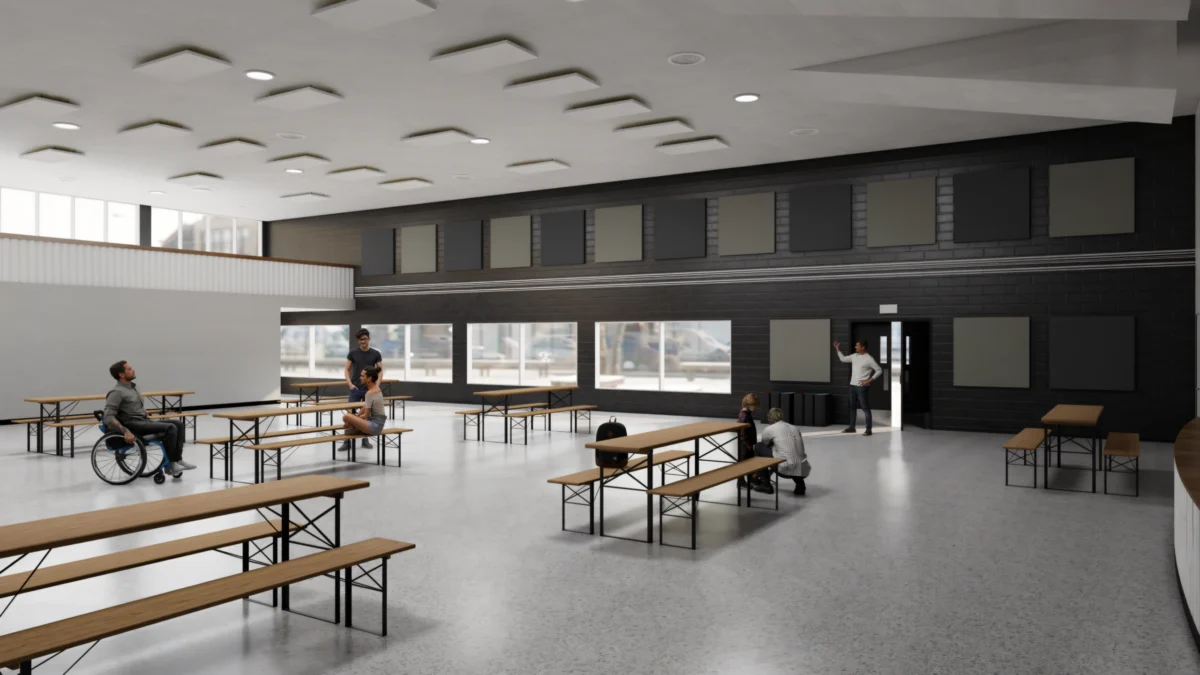
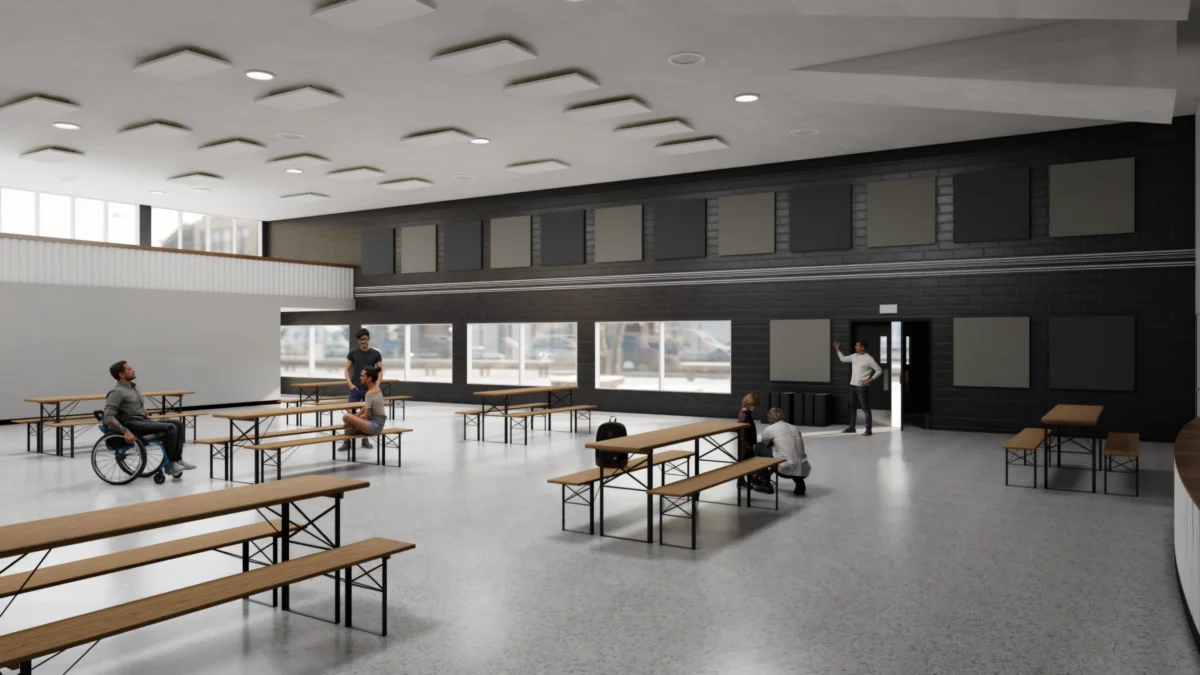
Beyond comfort, texture serves as a brand-building tool. A corporate office can feature its logo or brand patterns carved directly into the wall panels, turning the acoustic treatment into a visual statement. This creates a cohesive identity that is felt both visually and sonically. Whether it is a school requiring a calming environment for students, or a conference room demanding absolute clarity for high-stakes meetings, the application of textured, acoustic-responsive surfaces is the definitive solution.
Conclusion: Designing for the Full Human Experience
Ultimately, the goal of any high-level design is to enhance the human experience. We spend the vast majority of our lives inside buildings, and the quality of those buildings—how they look, how they function, and how they sound—has a profound impact on our quality of life.
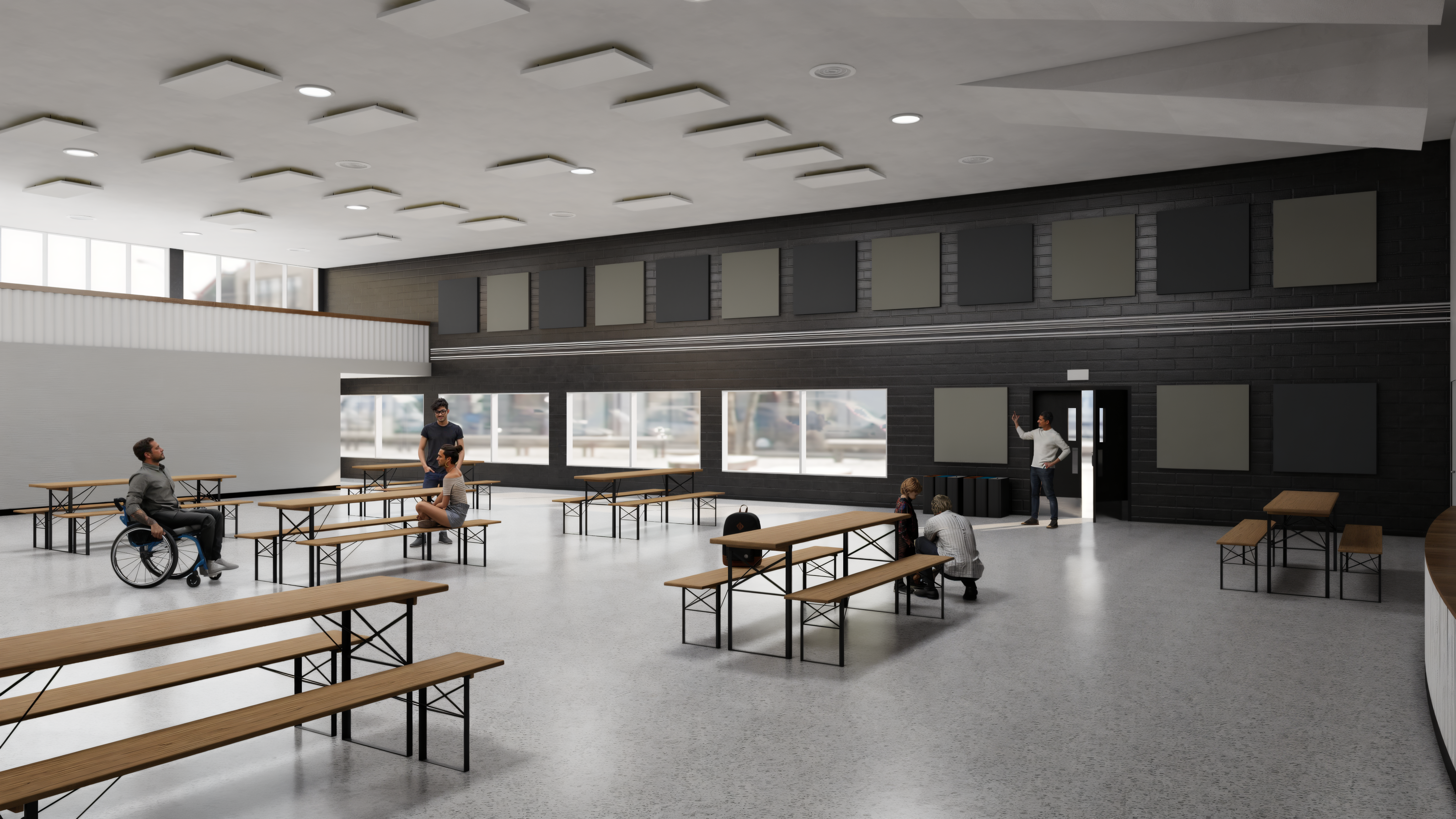
By recognizing that walls are active, living surfaces, designers have the power to transform the mundane into the extraordinary. We must stop viewing acoustics as an obstacle to beauty and start viewing them as an essential component of the "beat" and "rhythm" of our spaces. When we design with the full sensory experience in mind—when we account for the ears as much as the eyes—we create environments that do not just look good, but truly feel right. In the final analysis, it is the thoughtful, intentional marriage of texture and sound that separates a mere building from a truly harmonious space.