The global recording industry has undergone a seismic shift over the last decade, transitioning from the monolithic "mega-studios" of the 20th century to a more fragmented, specialized, and technologically integrated landscape. As we conclude Mix’s annual "Class of 2026" retrospective, the final installment highlights four facilities that exemplify this new era. From mobile Atmos-compliant trailers to historic industrial hubs and high-tech residential sanctuaries, these studios represent the pinnacle of acoustic engineering and aesthetic vision.
Main Facts: The Class of 2026 Finale
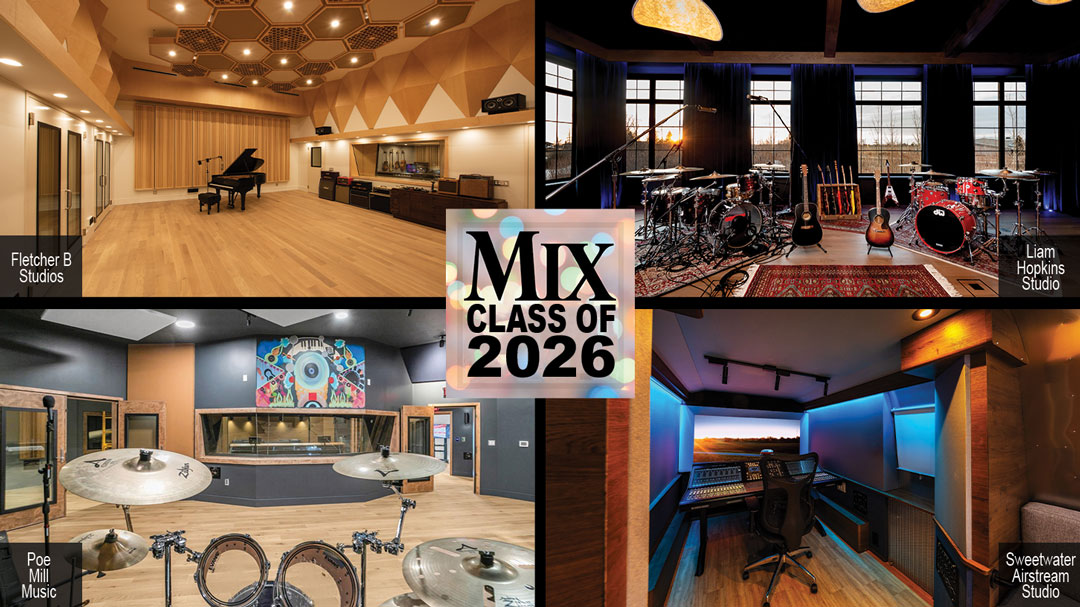
The "Class of 2026" series is a prestigious annual tradition curated by Mix, documenting the most significant new or refurbished recording environments across the globe. Part 5 of this series focuses on four distinct projects:
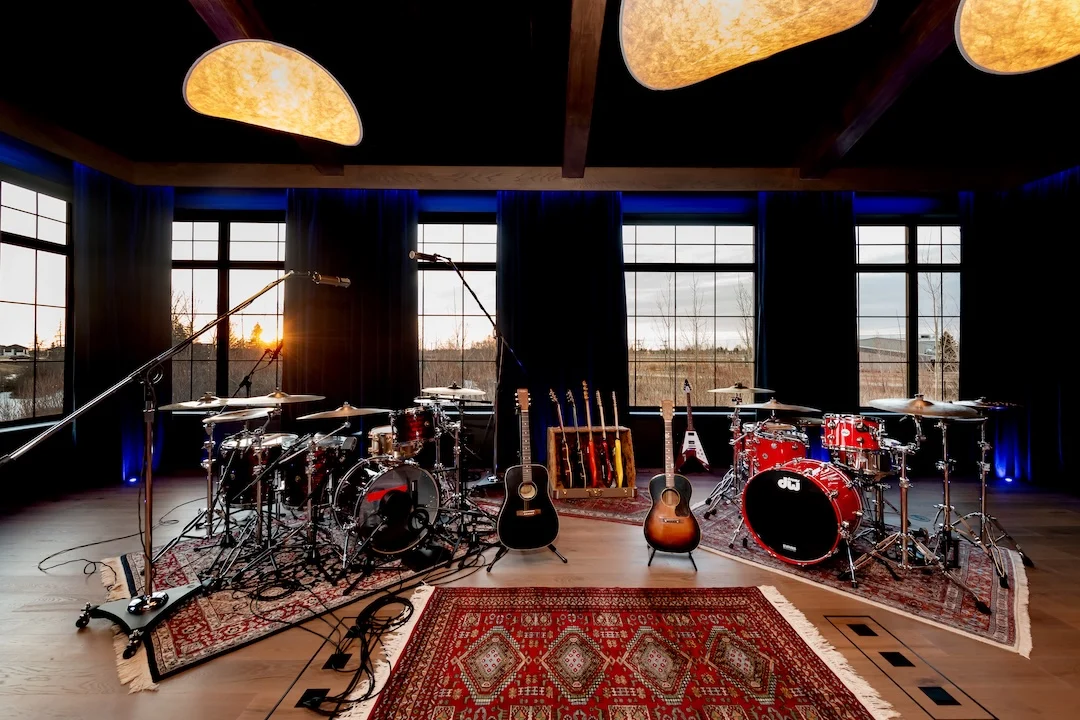
- Liam Hopkins Studio (Saskatoon, Canada): A high-tech residential facility designed by Haverstick Designs, blending high-end audio with professional video production capabilities.
- Poe Mill Music (Greenville, S.C.): A 5,300-square-foot multi-purpose creative hub designed by Steven Durr, featuring a legendary vintage console and an industrial-chic community space.
- Fletcher B Studios (Hillsborough, N.C.): A ground-up destination studio designed by Wes Lachot Design Group, prioritizing "Reflection Free Zone" (RFZ) acoustics and vintage analog warmth.
- Sweetwater Airstream Studio (Fort Wayne, Ind.): A revolutionary mobile mixing environment designed by Russ Berger Design Group, bringing 7.2.4 Dolby Atmos capabilities to a 25-foot Airstream chassis.
These facilities share a common thread: they are no longer just rooms for capturing sound. They are "creative ecosystems" designed to facilitate hybrid workflows, immersive audio, and community engagement.
Chronology: The Evolution of Modern Studio Design
The studios featured in the Class of 2026 were completed and opened within the last 12 to 14 months, a period characterized by a post-pandemic stabilization of the music industry. During this time, the "home studio" concept has matured significantly. No longer relegated to basements with egg-carton foam, the modern residential studio—like the Liam Hopkins facility—now rivals commercial spaces in both acoustic precision and equipment quality.
The timeline of these builds reflects a broader trend toward decentralization. While Los Angeles, Nashville, and London remain industry anchors, the Class of 2026 shows a surge in high-end production spaces in secondary markets like Saskatoon, Saskatchewan, and Hillsborough, North Carolina. This geographic spread is fueled by the ability of modern engineers and producers to work remotely while maintaining world-class standards.
Furthermore, the chronology of the Sweetwater Airstream project marks a milestone in mobile audio. While mobile recording trucks have existed for decades, the integration of a professionally engineered, Atmos-compliant room into a standardized Airstream trailer represents a new frontier in "reference-quality" portability, designed to meet the growing demand for immersive content at festivals, remote locations, and corporate events.
Supporting Data: Technical Specifications and Engineering Feats
Each of these four studios utilizes specific engineering philosophies to achieve their sonic goals. The technical data reveals a sophisticated blend of legacy analog gear and cutting-edge digital monitoring.
Liam Hopkins Studio: The High-Tech Sanctuary
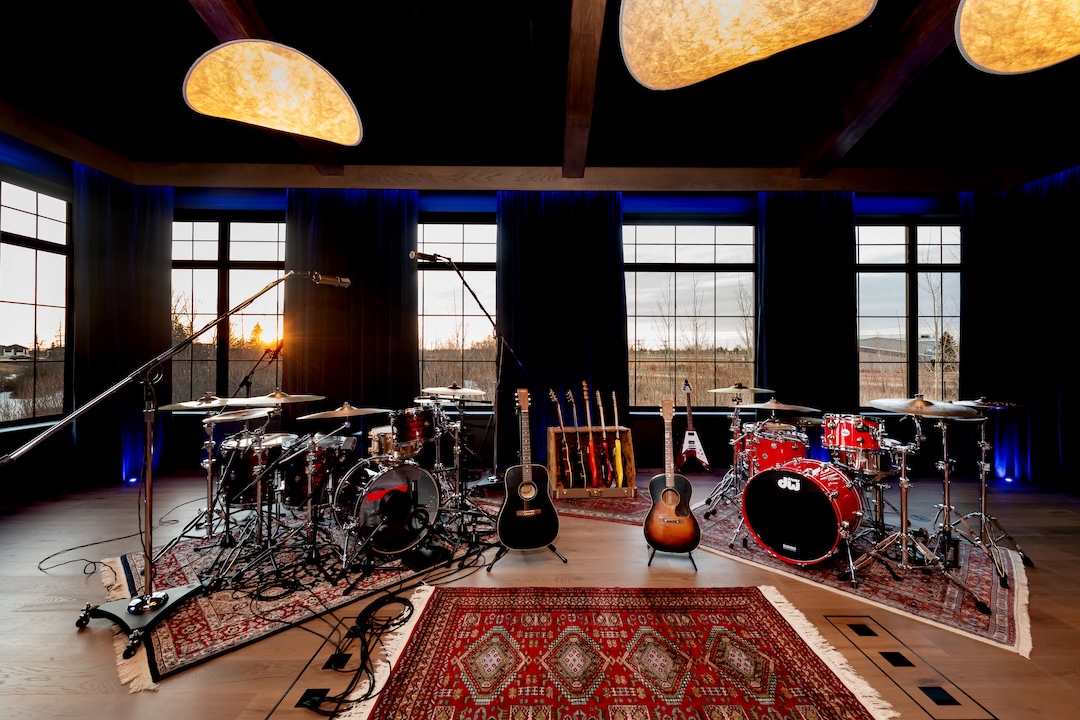
Designed by Gavin Haverstick and Tracy Roberts of Haverstick Designs, this 1,058-square-foot facility (725 sq. ft. live room; 333 sq. ft. control room) focuses on "controlled versatility."
- Monitoring: Kii Three BXT monitors, known for their cardioid bass response, which minimizes room interaction in the low end.
- Acoustics: Custom-designed QRD diffusers and wood slat absorption panels.
- Video Integration: Blackmagic Design cameras and switchers are hardwired into the infrastructure, reflecting the modern need for high-quality video content (social media, streaming, music videos) alongside audio tracking.
Poe Mill Music: The Community Hub
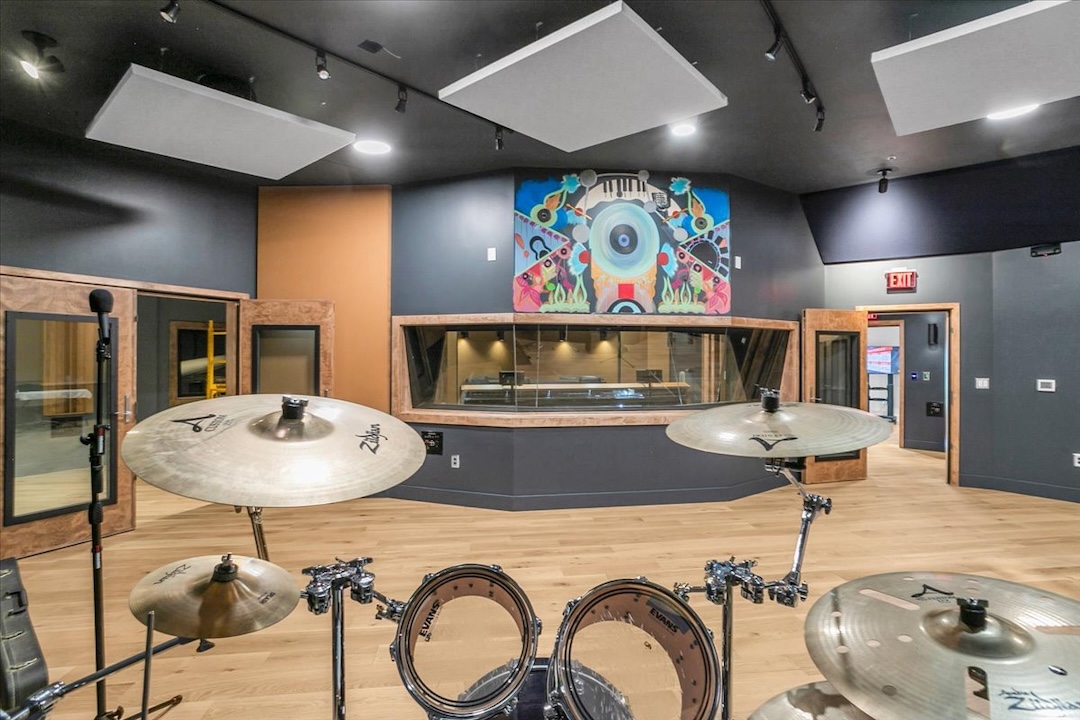
Steven Durr’s design for Poe Mill Music emphasizes a "vibe-forward" industrial aesthetic without sacrificing technical integrity.
- The Desk: A vintage Trident TSM 40-input console. This specific unit carries immense historical weight, having served at The Plant (Sausalito) and Addiction Studio (Nashville).
- Monitoring: Soffit-mounted main monitors featuring TAD components and horns, paired with Bag End subwoofers for deep, accurate low-frequency extension.
- Capacity: 5,300 square feet, including "The Listening Room," which serves as a public-facing venue and a live recording space.
Fletcher B Studios: The RFZ Destination
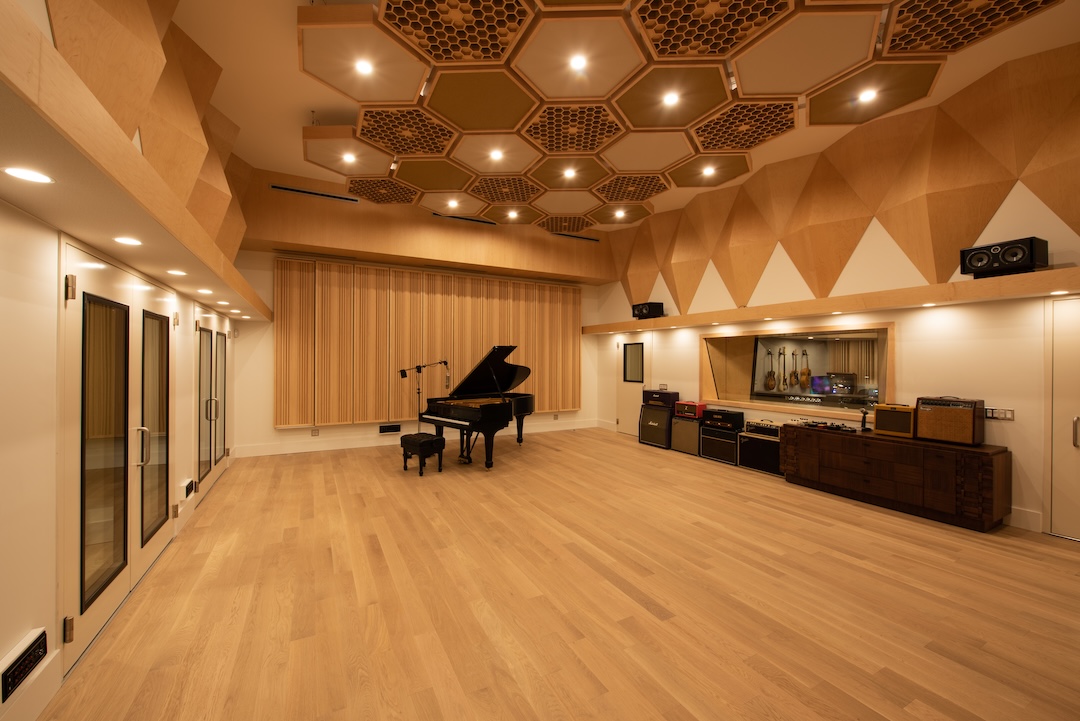
Wes Lachot Design Group applied their signature "Reflection Free Zone" (RFZ) philosophy to this ground-up build for owner John Boggess.
- Architecture: The control room is designed so that the initial reflections from the walls and ceiling are directed away from the listener, creating a wide, accurate "sweet spot."
- Gear: ATC SCM150 Pro in-wall monitors and a restored vintage Quad Eight 3650 console—often referred to as the "American Neve."
- Residential Factor: Includes living space, positioning it as a "destination studio" where artists can live and work in an isolated, creative environment.
Sweetwater Airstream Studio: The Mobile Pioneer
The Russ Berger Design Group (RBDG) faced the unique challenge of creating an immersive 7.2.4 environment within the narrow confines of a 25-foot Airstream trailer.
- Dimensions: A control room width of only 79.5 inches.
- Platform: A 7.2.4 immersive system powered by PMC technologies and Avid/SSL integration.
- Engineering: The project required specialized construction techniques by Airstream and Cinematech to ensure the chassis could support the weight of the acoustic treatments and provide sufficient isolation from external noise.
Official Responses and Designer Perspectives
The designers of the Class of 2026 emphasize that today’s studio owners are looking for more than just "flat" rooms; they are looking for inspiration and multi-functionality.
Gavin Haverstick of Haverstick Designs noted that the Liam Hopkins project was about "bringing a dream home studio to life," where the view of the Canadian countryside was as important as the bass trapping. This highlights a shift toward "wellness-focused" design, where natural light and aesthetics are prioritized alongside acoustics.
Wes Lachot, speaking on the philosophy behind Fletcher B Studios, continues to champion the mathematical precision of the RFZ design. "It’s about creating a space where the monitors and the room work as a single unit," Lachot has often noted regarding his design ethos. By combining this precision with the "musicality" of a Quad Eight console, the studio offers a unique sonic signature that attracts purists.
Russ Berger’s work on the Sweetwater Airstream has been hailed as a triumph of spatial efficiency. The response from the industry suggests that the "Airstream Studio Edition" could become a template for brands and high-level engineers who require a consistent, mobile reference room that meets the strict technical requirements of Dolby Atmos certification.
Implications: The Future of the Recording Environment
The final installment of the Class of 2026 provides a roadmap for the future of professional audio. Several key implications emerge:
1. The Normalization of Immersive Audio
The inclusion of an Atmos-compliant mobile unit from Sweetwater signifies that immersive audio is no longer a luxury for major film stages; it is a requirement for the modern music industry. As streaming platforms continue to push spatial audio, the demand for Atmos-certified mixing environments will only grow.
2. The Rise of the "Pro-Sumer" Hybrid
The Liam Hopkins Studio blurs the line between a private home studio and a world-class commercial facility. This suggests that the highest tier of the industry is increasingly moving into private hands, where owners are willing to invest heavily in professional acoustic design (Haverstick) and elite monitoring (Kii Three) to avoid the overhead of traditional commercial rentals.
3. The Value of Provenance
In an era of digital plugins, the presence of a Trident TSM or a Quad Eight console at Poe Mill and Fletcher B highlights the enduring value of "heavy iron." Studios are increasingly using vintage hardware as a primary differentiator—a "sonic destination" that cannot be replicated in a laptop.
4. Multi-Media Integration
Every studio in this list, particularly Poe Mill and Liam Hopkins, treats video as a first-class citizen. The modern studio is as much a film set and a broadcast center as it is a tracking room. This "media hub" model is likely to become the standard for any facility looking to remain viable in the 2030s.
5. Decentralization and Community
By placing high-end facilities in North Carolina and South Carolina, designers like Steven Durr and Wes Lachot are supporting the growth of regional music scenes. These studios serve as community anchors, proving that the next "big sound" is just as likely to come from a repurposed mill in Greenville as it is from a high-rise in Manhattan.
In conclusion, the Class of 2026 Part 5 showcases a recording industry that is diverse, technologically fearless, and deeply respectful of its analog roots. Whether it’s the mobile precision of an Airstream or the historic warmth of a Trident console, these spaces are designed to do one thing: facilitate the timeless art of creation in an increasingly complex world.