London’s cultural pulse is set to quicken this spring as 180 Studios unveils Sound & Vision, a sprawling, two-month cinematic residency dedicated to the intersection of music, activism, and the moving image. Following the critical success of its inaugural theatrical programming, the Underground Cinema at 180 Studios is positioning itself as the city’s premier destination for immersive, music-centric storytelling.
Running from April 10 to June 4, 2026, the season promises an eclectic curation that spans decades, genres, and continents—from the underground ballroom scenes of 1980s New York to the expansive, ambient textures of modern-day Los Angeles.
The Genesis of the Underground Cinema
The launch of Sound & Vision serves as a deliberate continuation of 180 Studios’ commitment to avant-garde and experimental film. After the month-long residency of Kahlil Joseph’s BLKNWS: Terms & Conditions—a work that fundamentally challenged traditional broadcast formats—the venue has transitioned its focus toward the symbiotic relationship between sound and sight.
The Underground Cinema is designed not merely as a screening room, but as a space that encourages deep engagement. By shifting away from the rapid-fire consumption of streaming services, 180 Studios invites audiences to sit with narratives that demand time, reflection, and technical appreciation. The Sound & Vision season is the most ambitious manifestation of this ethos to date, bringing together legends, pioneers, and contemporary icons under one roof.
A Curated Chronology: The ‘Sound & Vision’ Lineup
The residency is structured as a week-by-week journey, allowing each documentary and concert film to stand as a singular event.
The Opening Act: Jazz and Revolution
The season kicks off with "Getting It Back: The Story of Cymande" (April 10–16). Often cited as one of the most influential yet underappreciated UK jazz-fusion bands, Cymande’s narrative is one of rediscovery. Their music, which blends funk, jazz, and Caribbean rhythms, serves as a testament to the band’s enduring message of peace and artistic integrity.
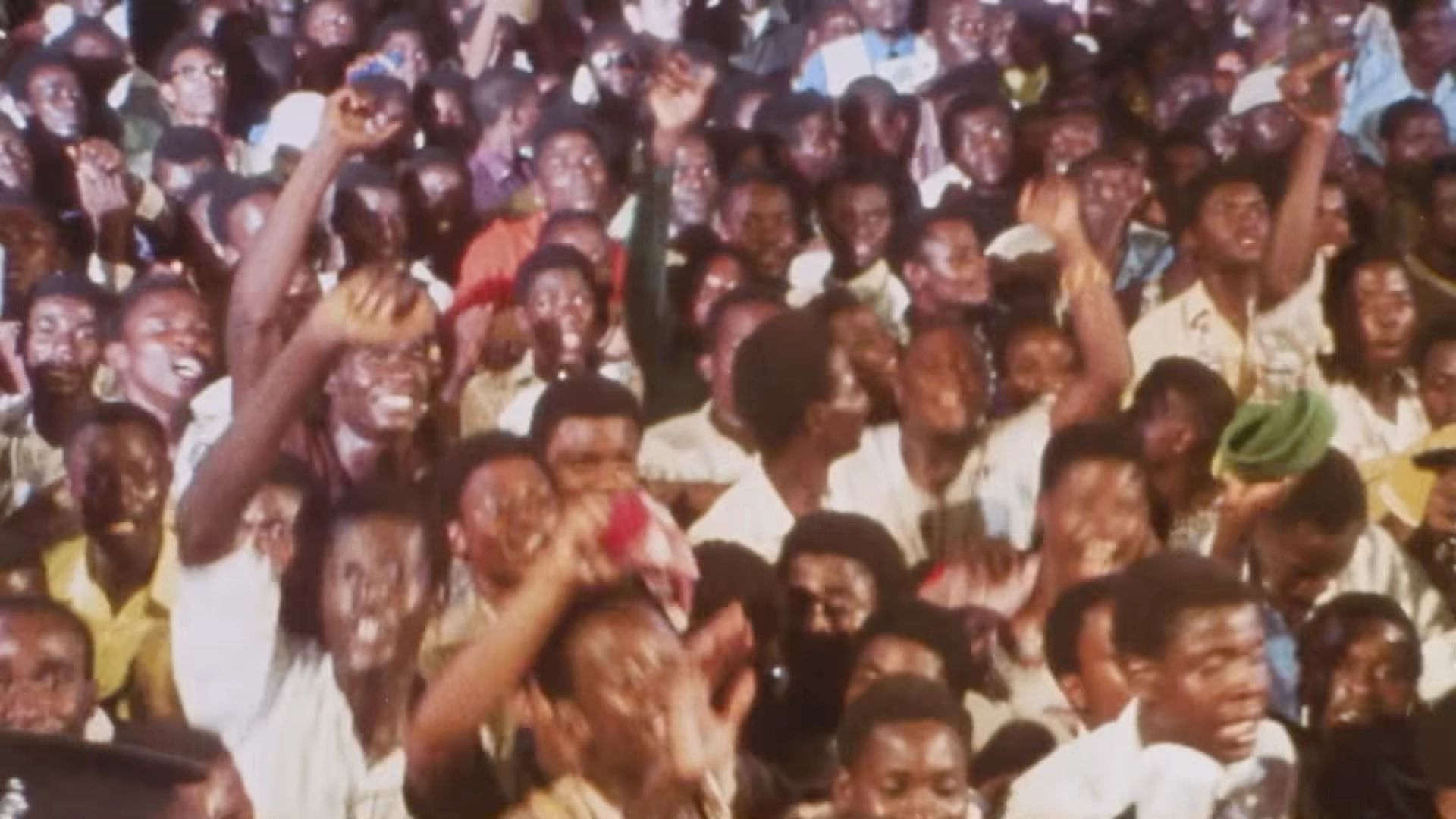
Following this, the focus shifts to the political powerhouse of Afrobeat with "Finding Fela" (April 17–23). Alex Gibney’s 2014 documentary offers a visceral look at the life of Fela Kuti, a man whose musical innovation was matched only by his fearless activism against the Nigerian military government.
Ambient Spaces and Personal Journeys
As April draws to a close, the mood turns intimate with "Fred again.. – secret life at the coliseum" (April 24–30). Recorded in June 2024 at the LA Memorial Coliseum, this film captures an incredibly rare performance for just 100 fans. It serves as a visual meditation on the ambient textures of the artist’s secret life album.
The exploration of personal identity continues in May with "Keyboard Fantasies" (May 1–7), which tells the heart-wrenching and ultimately triumphant story of Beverly Glenn-Copeland. A transgender septuagenarian and musical genius, Glenn-Copeland’s late-career emergence from isolation to international touring provides a powerful counter-narrative to the "youth-obsessed" nature of the modern music industry.
Cultural Milestones and Electronic Pioneers
Mid-May brings the iconic "Paris Is Burning" (May 8–14), a landmark of queer cinema. Jennie Livingston’s 1990 documentary remains the definitive archive of New York’s 1980s drag ball culture, capturing a world of fierce competition, structural inequality, and found family.
The final weeks of the residency turn toward the giants of composition and sound engineering. "Bowie: The Final Act" (May 15–21) explores the twilight years of David Bowie, focusing on the creative ingenuity that defined his last studio albums. This is followed by "Sisters with Transistors" (May 22–28), a crucial film that restores the names of women—such as Delia Derbyshire and Suzanne Ciani—who acted as the foundational architects of electronic music.
The residency concludes with "Ryuichi Sakamoto: Coda" (May 29–June 4), an intimate look at the late Japanese maestro’s final years, documenting his battle with cancer and his lifelong dedication to environmental and anti-nuclear activism.
Supporting Data: The Art of the Music Video
While the feature films provide the narrative backbone, the exhibition space adjacent to the cinema will host a rotating program of seminal music videos. This curated selection underscores the technical prowess required to bridge audio and visual media.
Visitors will have the opportunity to analyze the directorial styles of visionaries who have redefined the medium:
- Romain Gavras: For Jamie xx’s "Gosh," a masterclass in scale and tension.
- Gabriel Moses: For Travis Scott’s "4×4," highlighting minimalist, high-impact aesthetics.
- Melina Matsoukas: For Beyoncé’s "Formation," a landmark work in political and cultural iconography.
- Kahlil Joseph: For Flying Lotus’s "Until the Quiet Comes," an ethereal, dream-like exploration of suburban life.
- Chris Cunningham: For Aphex Twin’s "Windowlicker," a surrealist classic that pushed the boundaries of visual distortion.
Official Perspective and Venue Mission
In a statement regarding the residency, the team at 180 Studios emphasized that Sound & Vision is an exercise in cultural preservation. "In an era of disposable content, we wanted to highlight the films that didn’t just document a song, but captured a movement," a spokesperson noted. "Whether it’s the ballroom culture of Harlem or the experimental laboratories where electronic music was born, these films provide the context that makes the music resonate on a deeper level."
The choice of venue—the brutalist, subterranean corridors of 180 Studios—is intentional. The acoustic and visual isolation of the space allows for a sensory focus that traditional multiplex cinemas cannot replicate. By inviting audiences into this environment, 180 Studios hopes to foster a community of cinephiles and audiophiles who view film not just as entertainment, but as an essential historical record.
Implications for the London Arts Scene
The launch of Sound & Vision signals a shift in how London galleries and arts institutions are engaging with film. Rather than relying on standard commercial releases, institutions like 180 Studios are curating "seasons" that function more like museum exhibitions. This approach bridges the gap between the art gallery visitor and the cinema-goer, creating a hybrid audience that appreciates the curation of moving image art.
Furthermore, the focus on figures like Beverly Glenn-Copeland and the women of electronic music in Sisters with Transistors highlights a broader institutional trend: the reclamation of narratives that have been historically marginalized or ignored by mainstream music journalism.
Future Outlook
As the London arts scene continues to grapple with the digital-first environment, physical spaces that offer "eventized" viewing experiences are seeing a surge in relevance. If Sound & Vision achieves the same success as the BLKNWS residency, it is likely that 180 Studios will expand its cinematic footprint further in 2027, potentially moving toward more permanent, year-round programming.
For now, the residency offers a rare opportunity for Londoners to engage with these films in an environment that prioritizes their artistic significance over commercial viability. Tickets for the full range of screenings are currently available through the 180 Studios website, with organizers recommending early booking for the more niche documentary features, which are expected to reach capacity.
In summary, Sound & Vision is more than just a list of movies; it is a curated exploration of the human experience through the lens of rhythm, sound, and rebellion. Whether you are a lifelong fan of Fela Kuti’s political anthems or a student of electronic sound design, the residency offers a profound opportunity to see the music behind the icons.