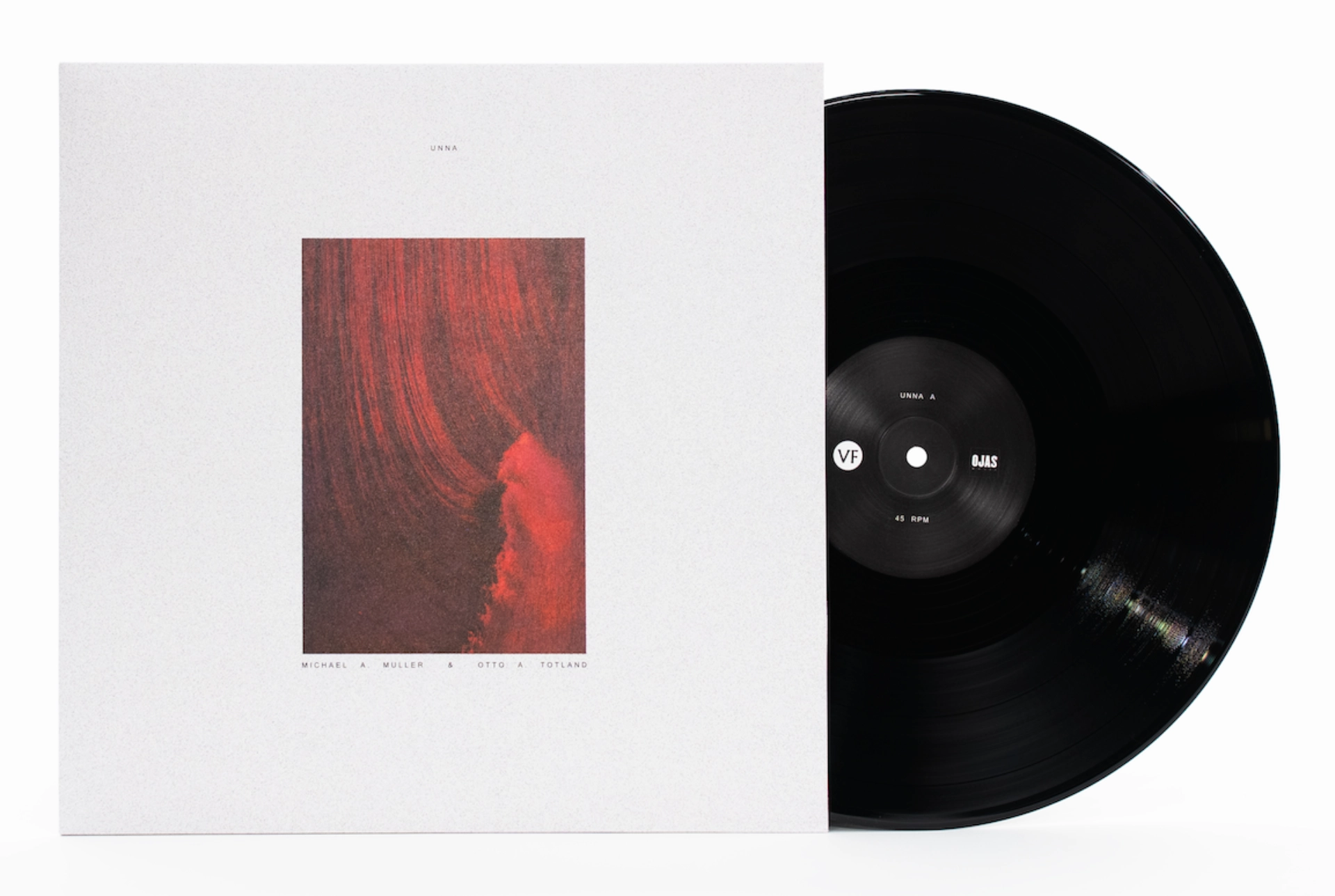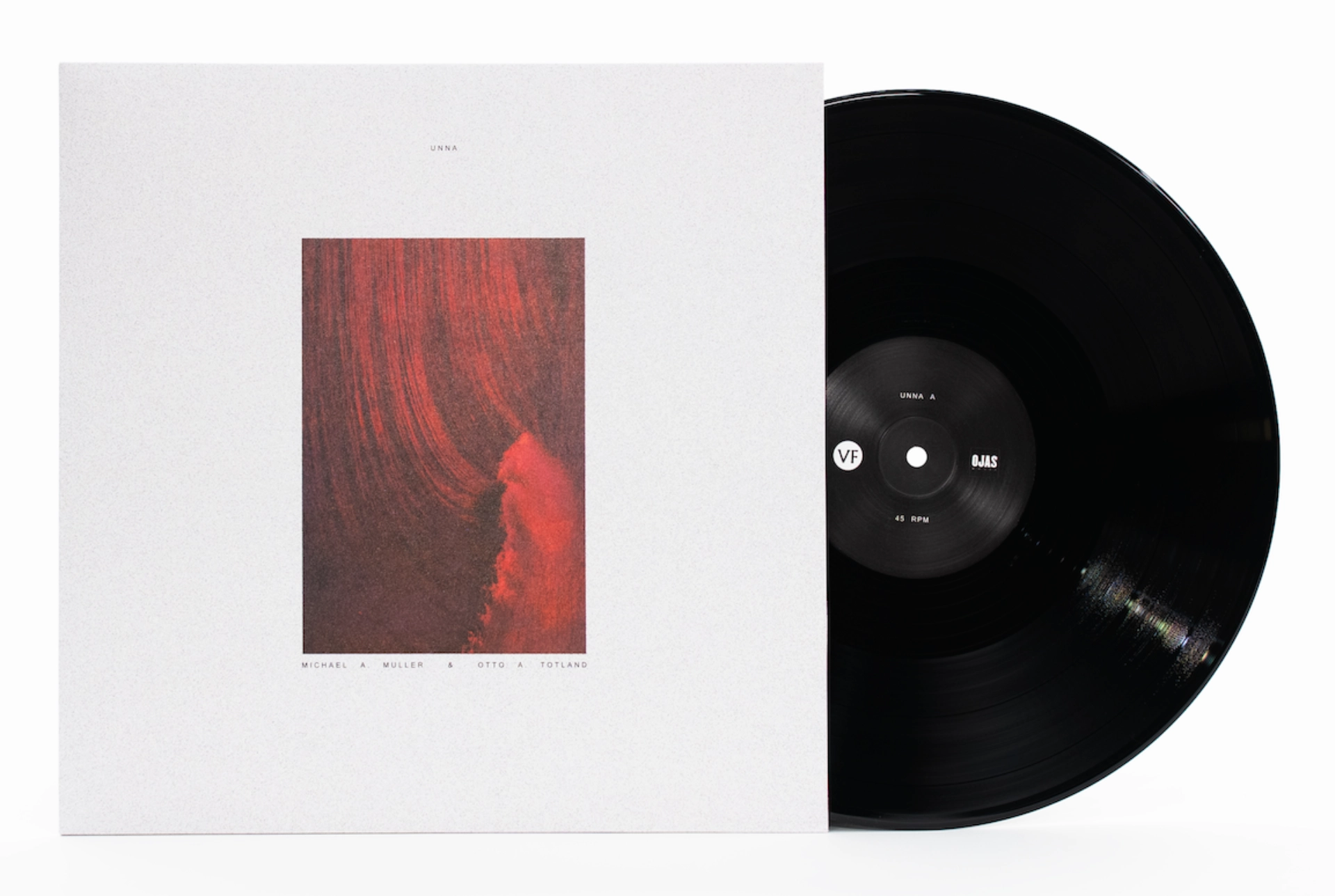
In the realm of high-fidelity audio and minimalist composition, the intersection of equipment and atmosphere is where the most profound listening experiences occur. This week, that intersection is perfectly realized through the launch of Ojas Music, a new label spearheaded by Devon Turnbull—the visionary behind the acclaimed audio design firm Ojas. To mark its debut, the label has partnered with The Vinyl Factory to release Unna, a breathtaking collaborative EP featuring two of the modern ambient scene’s most revered figures: Michael A. Muller and Otto A. Totland.
The Genesis of Ojas Music: A New Standard for Sound
For years, Devon Turnbull has been a central figure in the audiophile community. His "HiFi Listening Room Dream No. 1," a permanent installation at London’s 180 Studios, serves as a temple for sound, where custom-built speakers and meticulously curated components strip away the artifice of modern digital consumption to reveal the raw, physical reality of recorded music.
The launch of Ojas Music is the logical evolution of Turnbull’s philosophy. It is not merely a record label; it is an extension of his design ethos, focusing on the sanctity of the soundscape. By collaborating with The Vinyl Factory—an organization synonymous with the marriage of high-quality vinyl pressing and contemporary art—Ojas Music ensures that the technical brilliance of its releases matches the sonic ambition of its artists. Unna serves as the inaugural statement of intent: music that demands to be heard in a space where time feels suspended.
A Convergence of Minimalism: The Artists
The collaboration between Michael A. Muller and Otto A. Totland is a meeting of minds that have spent decades defining the contours of minimalist music.
Michael A. Muller: The Architect of Texture
As a co-founder of the minimalist instrumental duo Balmorhea, Michael A. Muller has spent his career exploring the architecture of silence and sound. His work is characterized by a cinematic sweep that feels both intimate and vast. Beyond Balmorhea, Muller has cultivated a prolific solo career, finding a home for his intricate compositions on the prestigious Deutsche Grammophon label. His collaborative resume reads like a who’s-who of the contemporary experimental movement, including heavyweights such as Hania Rani, Alva Noto, Víkingur Ólafsson, and Douglas McCombs of the legendary post-rock band Tortoise. Muller’s contribution to Unna is one of textural depth, moving beyond the piano to integrate double bass, glockenspiel, Mellotron, and Rhodes.
Otto A. Totland: The Master of the Keys
If Muller provides the texture, Otto A. Totland provides the heartbeat. As one-half of the Norwegian experimental/ambient duo Deaf Center—whose seminal records on Type Records and Sonic Pieces helped catalyze the modern ambient resurgence—Totland has a unique ability to find beauty in the fragility of sound. His solo piano trilogy, produced in collaboration with the inimitable Nils Frahm, is widely considered a benchmark in modern neoclassical music. Totland’s style is defined by "close-miked" intimacy, where the listener can hear the mechanical sighs of the piano and the faint resonance of the room, creating an effect that feels more like a whisper than a performance.
Chronology: The Making of ‘Unna’
The development of Unna was a process of deliberate, patient collaboration. While the title is a Norwegian word meaning "away," it carries a dual significance that defines the record’s creation:
- The Conceptual Phase: The project began as a dialogue between two artists separated by geography but united by an aesthetic kinship. The "away" refers to the physical distance between Muller’s base and Totland’s home in Norway.
- The Creative Flow State: Simultaneously, the title references the psychological "awayness" required for deep creative work. The artists sought to capture the state of deep focus where the outside world fades, and the composer enters a space where time recedes.
- The Recording Process: Trading stems and ideas, the duo built the tracks layer by layer. Totland laid the foundation with his signature delicate piano lines, while Muller responded with an expansive palette of instrumentation, providing the atmospheric "counterpoint" that gives the EP its weight.
- The Launch: Following the finalization of the masters, Ojas Music and The Vinyl Factory coordinated the production of a limited-edition 180g vinyl run. The release is strictly capped at 500 copies, emphasizing the label’s commitment to quality over mass-market volume.
Supporting Data: The Anatomy of the Record
The EP Unna is defined by its restraint. It is not a record designed to fill a room with noise, but rather to change the air within it.

- Instrumentation:
- Piano: The primary voice, handled by Totland.
- Textural Support: Muller contributes double bass (for low-end resonance), glockenspiel (for high-frequency decay), and the Mellotron and Rhodes (for ambient sustain).
- Production Quality: The records are pressed on 180g vinyl, the gold standard for audiophile-grade playback, ensuring that the dynamic range of the delicate piano notes is preserved without the compression often found in thinner, commercial pressings.
- Limited Run: The 500-copy global limit ensures the collectability of the release and allows for the level of quality control that Ojas Music demands.
Official Perspectives: The Philosophy of Listening
In statements surrounding the release, the focus has remained squarely on the listening environment. Devon Turnbull has long argued that the equipment used to listen to music is as important as the performance itself. By integrating the release of Unna with the ethos of his "HiFi Listening Room," Turnbull is inviting listeners to move away from the "background listening" habits of the streaming era.
"Music is not just information," a spokesperson for Ojas Music noted. "It is a physical event. When you listen to Unna, you are hearing the room, the wood of the piano, and the intention of the players. We built this label to provide a home for music that rewards the listener’s attention."
For Muller and Totland, the collaboration was an exercise in trust. By allowing their individual styles to bleed into one another, they have created a singular, coherent atmosphere that feels like a shared dream.
Implications for the Ambient Genre
The release of Unna signals a shift in the ambient music industry. We are witnessing a move away from the "lo-fi" aesthetic—which often used low-fidelity production as a stylistic crutch—toward a "hi-fi" minimalism. This movement emphasizes clarity, high-resolution fidelity, and the emotional power of organic instrumentation.
- The Rise of the "Audiophile EP": Unna suggests that there is a burgeoning market for short-form, high-quality releases that prioritize the physical medium of vinyl.
- Collaborative Cross-Pollination: By pairing artists from different but related backgrounds (Balmorhea’s post-rock roots and Deaf Center’s experimental roots), the label is encouraging a more fluid approach to genre, where the line between neoclassical and ambient is increasingly blurred.
- The Re-centralization of the Listening Room: Ojas Music is betting on the idea that the "listening room" culture—previously a niche hobby for equipment enthusiasts—is becoming a broader cultural trend. People are seeking deeper, more intentional connections with their music, and labels that provide the technical and artistic infrastructure for that connection will likely lead the way.
Conclusion: A Call to Stillness
Unna is, ultimately, a record about the importance of retreating. In a world of constant notification and noise, Muller and Totland offer a sanctuary. By stripping their music down to its most essential elements—the hammer hitting the string, the vibration of the bass, the sustain of the Rhodes—they force the listener to slow down.
With its 500-copy limit and its association with Devon Turnbull’s high-fidelity mission, Unna is not merely an EP; it is a manifesto for the future of ambient music. It reminds us that if we give music the space it needs to breathe, it will, in turn, give us the space we need to think, to feel, and to simply be.
Listeners can now access the visualiser for the track "Rolig" via the Ojas Music and Vinyl Factory channels, offering a glimpse into the serene, monochromatic world that Muller and Totland have crafted. For those lucky enough to secure a copy of the 180g vinyl, the experience will be a profound reminder of why we collect, why we listen, and why we sometimes need to step away from the world to find what is truly essential.