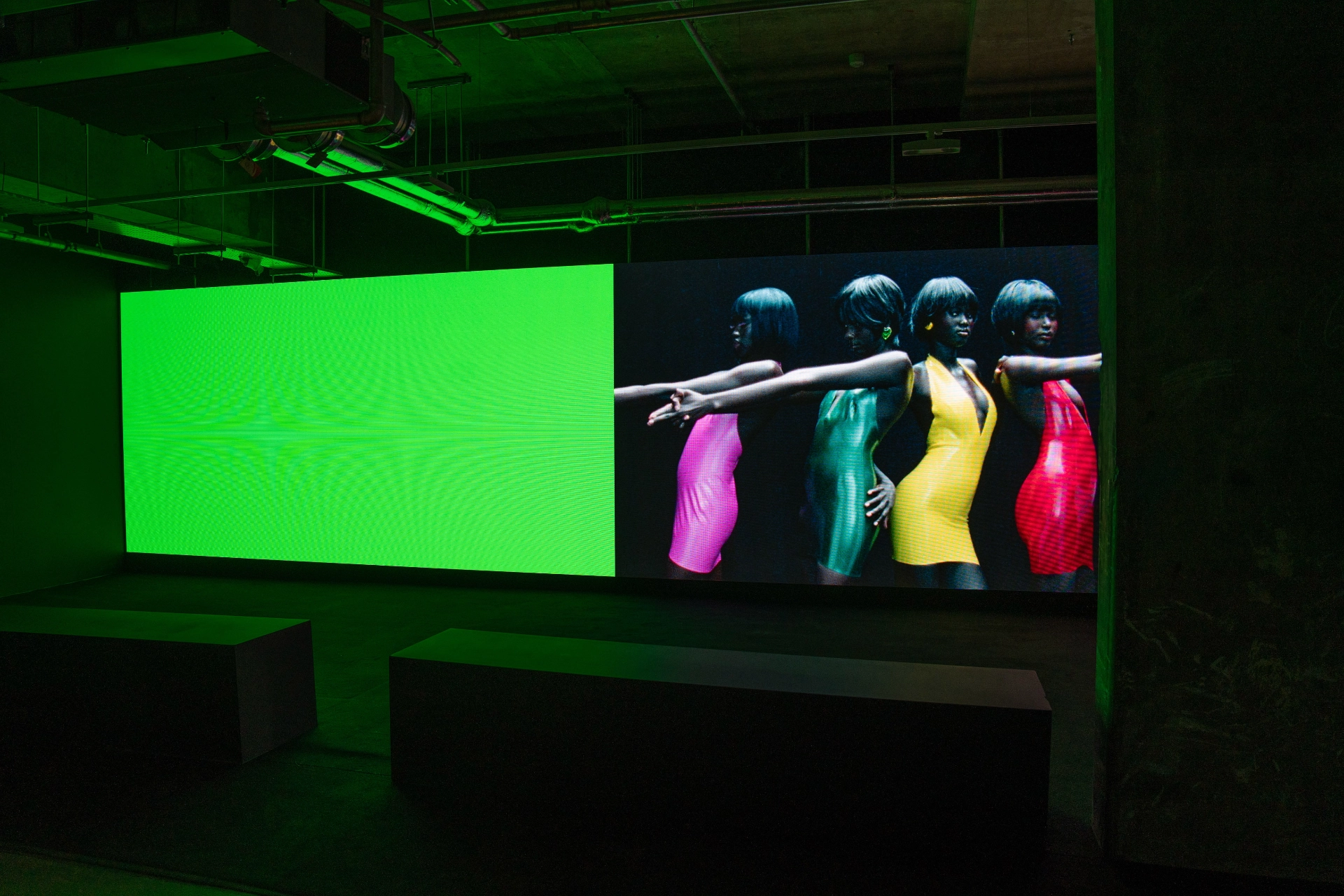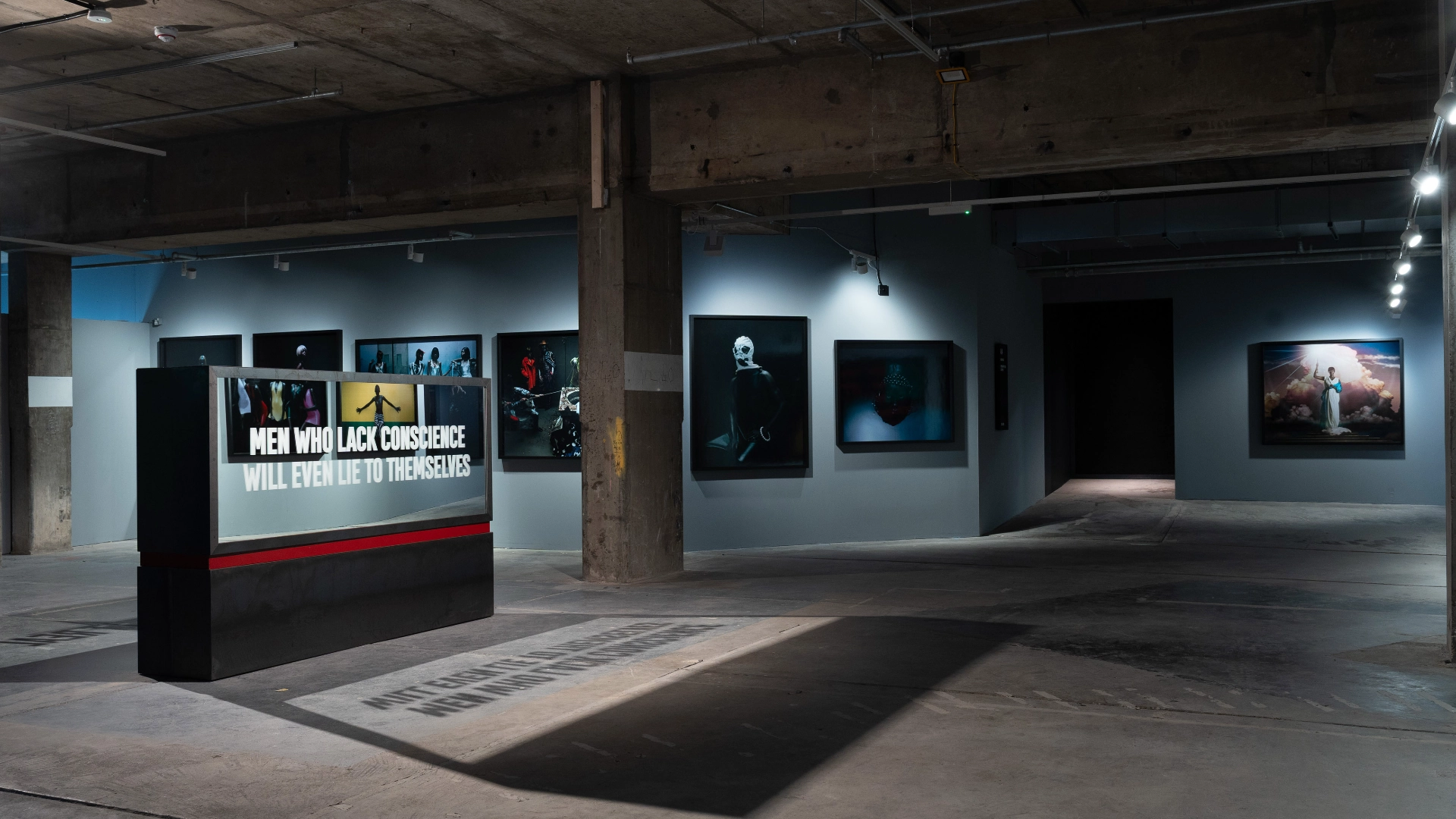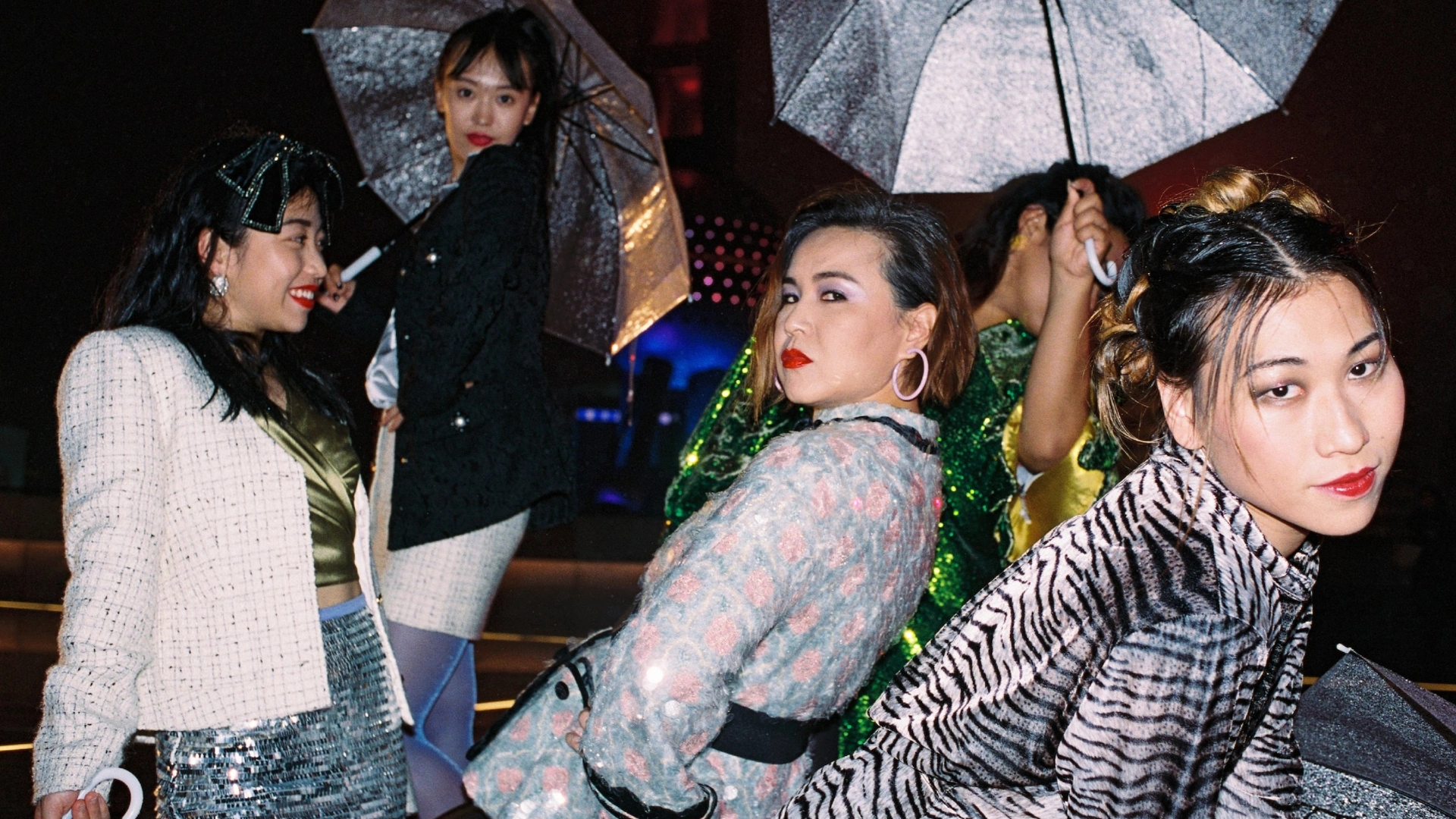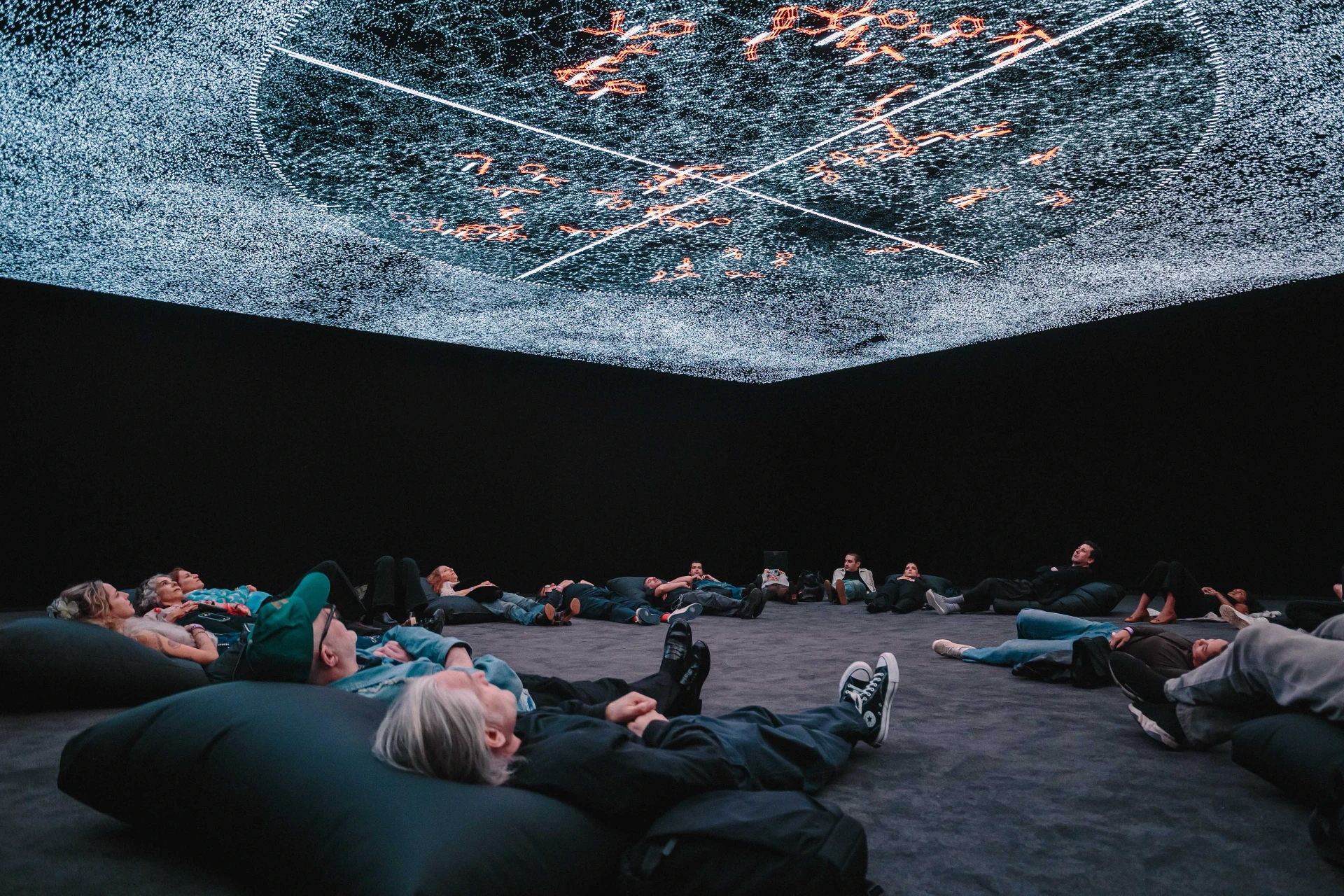
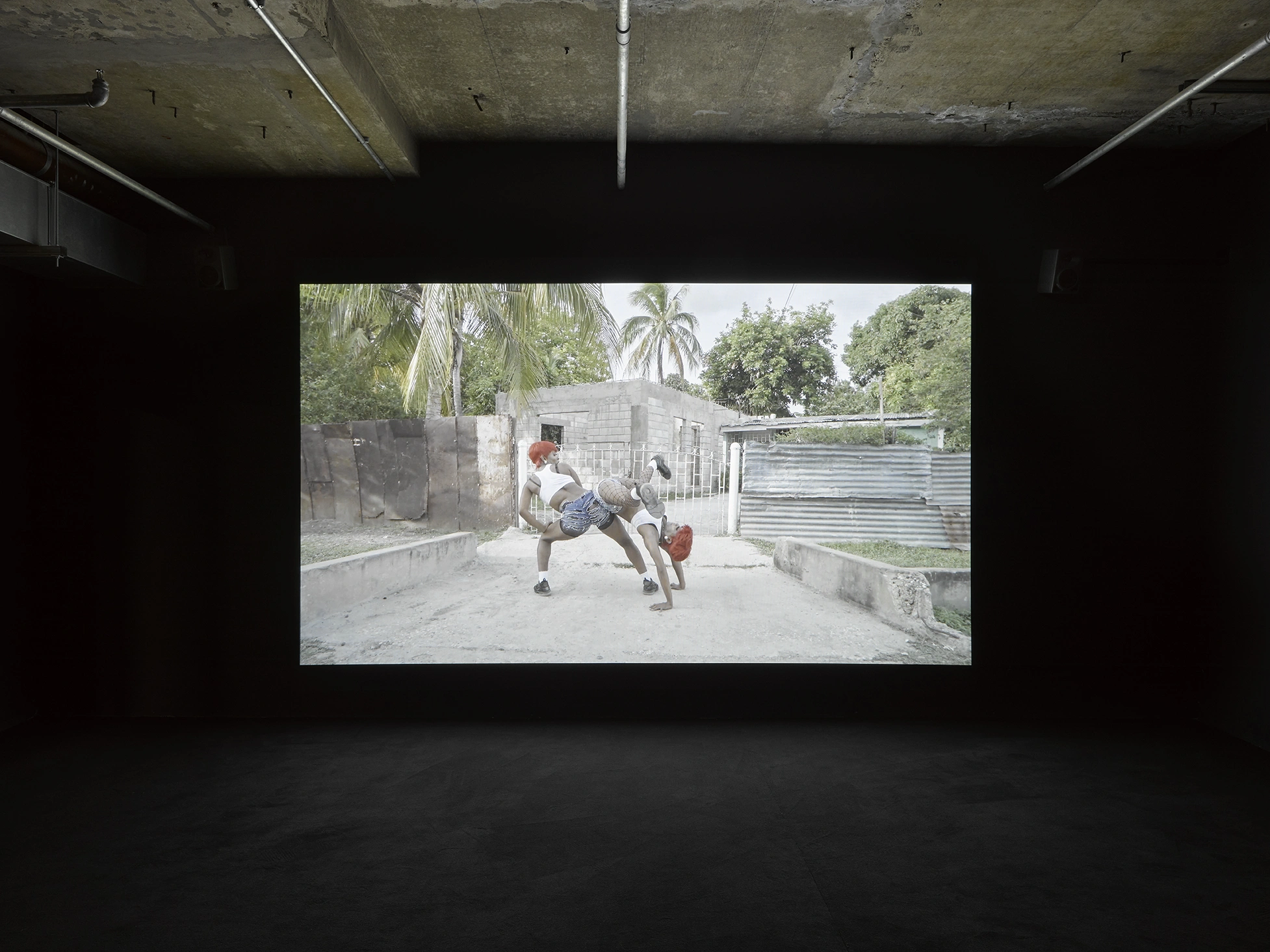
In the subterranean, concrete labyrinth of 180 Studios in London, a vibrant, kinetic force is currently pulsating through the walls. As part of The Vinyl Factory: Reverb exhibition, Argentinian artist and choreographer Cecilia Bengolea has unveiled Shelly Belly Inna Real Life, a video installation that serves as both a love letter to Jamaican dancehall and a rigorous sociological study of movement as a form of survival. Filmed over the course of four years, between 2015 and 2019, the piece offers an unfiltered, intimate window into the dancers, communities, and iconic figures—specifically the legendary Shelly Belly—who define the genre’s past, present, and future.
The Core Narrative: Dance as a Socio-Political Language
At its heart, Shelly Belly Inna Real Life is more than a documentation of dance; it is a meditation on the body’s capacity to articulate identity under pressure. Dancehall is a genre that emerged from the socio-economic complexities of post-colonial Jamaica, serving as a vital outlet for expression, joy, and communal solidarity.
Bengolea, whose background as a dancer and choreographer informs her unique visual language, approaches the subject not as a detached observer, but as a collaborator. By embedding herself within the scene, she captures the choreography not merely as aesthetic performance, but as a reflexive response to the environment. In her recent interviews surrounding the exhibition, Bengolea emphasizes that dancehall is a "living archive." Every step, gesture, and twitch is a codified history, a response to the music, and a method of navigating the tensions of urban Jamaican life.
Chronology of a Creative Obsession
The path to Shelly Belly Inna Real Life began long before the cameras started rolling in 2015. Bengolea’s fascination with the physicality of street dance has been a consistent thread in her artistic output.
2016: The Genesis of the Collaboration
The foundation for her current work was laid in 2016, when Bengolea partnered with British artist Jeremy Deller to produce Bom Bom’s Dream. Commissioned for the seminal exhibition The Infinite Mix, this work explored the global reach of dancehall, centering on a Japanese dancer named Bom Bom who had relocated to Jamaica, utterly transformed by the culture. This project served as an introduction to the magnetism of Shelly Belly, whose infectious energy and technical mastery of the dancehall lexicon made him the clear focal point for future explorations.
2015–2019: The Fieldwork Years
During this four-year span, Bengolea returned to Jamaica repeatedly. This was not a quick documentary project; it was a process of trust-building. To capture the "real life" aspect of the title, she had to move beyond the tourist gaze. She spent years observing the dancehall ecosystem—the street parties, the rehearsals, the internal politics of the dance crews, and the relationship between the dancers and the shifting tides of the local police.

2024–2025: The Exhibition at 180 Studios
Following a period of post-production and curation, Shelly Belly Inna Real Life made its grand debut as a centerpiece of The Vinyl Factory: Reverb. The installation, which remains open to the public until March 2, 2025, has been hailed as a pivotal moment in the intersection of contemporary fine art and ethnographic film.
The Politics of the Dancehall Floor
One of the most compelling aspects of Bengolea’s inquiry is her exploration of the friction between dancehall culture and the Jamaican state. In the interview, she speaks candidly about the contentious relationship between the police and the dancehall community.
In many urban areas, the dancehall is the primary site of social life. However, it is also frequently subjected to police scrutiny, noise complaints, and curfews. Bengolea posits that the act of dancing is, in itself, a form of civil disobedience. By reclaiming the streets, parks, and dancehalls, the practitioners are carving out spaces of agency in a world that often seeks to regulate their movement. The choreography—often perceived as provocative or hyper-sexualized by outsiders—is recontextualized by Bengolea as a defiant assertion of bodily autonomy.
Supporting Data: Understanding the Impact
While the film is a subjective, artistic piece, the cultural data surrounding dancehall supports the gravity of Bengolea’s subject matter:
- Global Export: Dancehall has influenced nearly every major pop act of the last two decades, from Rihanna to Drake. Yet, the original practitioners in Jamaica often receive little of the financial or intellectual recognition for the trends they set. Bengolea’s work acts as a corrective, recentering the narrative on the originators.
- The Economy of Movement: For many in the dancehall scene, dance is a viable profession. The "dance crews" are professional organizations that compete in high-stakes environments. Shelly Belly Inna Real Life documents the labor behind the glamour, showing the daily grind required to maintain such a high level of physical prowess.
- Archival Value: Because much of the history of dancehall is oral and kinetic, it is prone to disappearing. By filming this over several years, Bengolea has captured a specific era of stylistic evolution, preserving the nuances of steps that might otherwise be forgotten or distorted by mainstream dilution.
Official Responses and Critical Reception
The exhibition The Vinyl Factory: Reverb has received significant attention for its commitment to bridging the gap between sound and vision. Critics have praised Bengolea for her "kinetic empathy"—a term describing her ability to translate the feeling of the dance floor directly to the viewer through camera movement and editing.
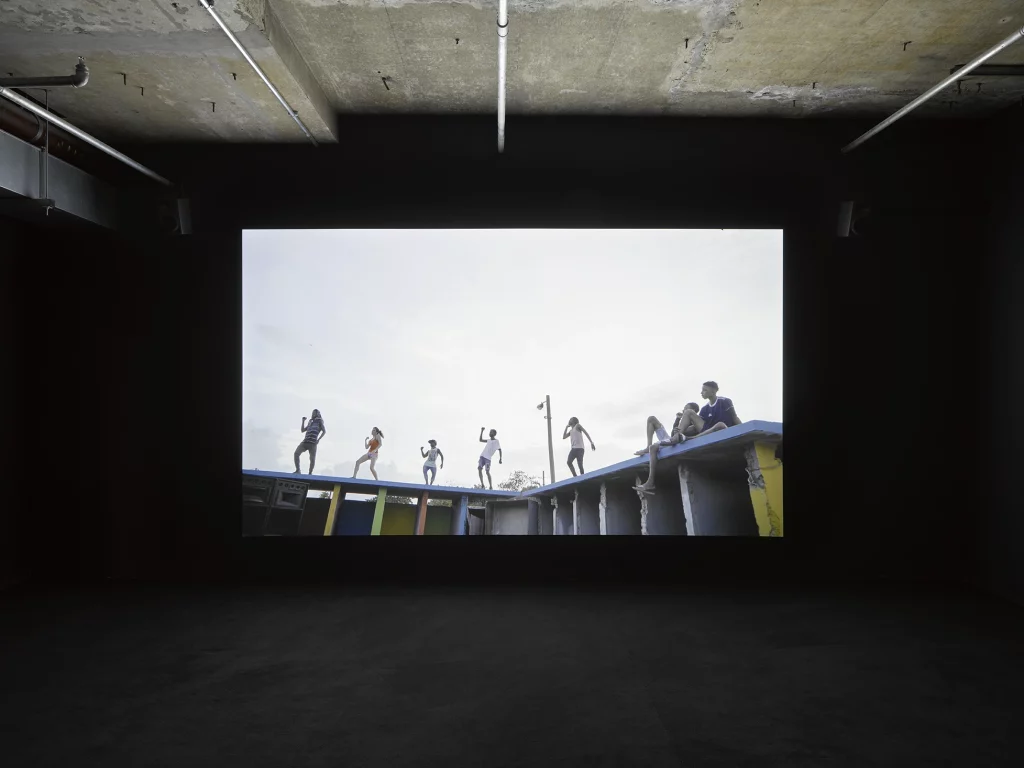
"Bengolea’s lens doesn’t just watch the dancers; it dances with them," notes one critic. By utilizing wide-angle shots and fluid camera work, she mimics the spatial awareness of a dancer, allowing the viewer to feel the humidity, the bass, and the electric intensity of a Kingston street party.
Implications: The Future of Documentary Art
The success of Shelly Belly Inna Real Life raises significant questions for the future of the art world. As contemporary galleries continue to move away from static paintings and toward immersive, multisensory installations, the role of the "artist-as-ethnographer" is becoming increasingly important.
Bengolea demonstrates that an artist can act as a bridge between disparate worlds. She does not "own" the culture of dancehall; rather, she acts as a conduit, using her platform in high-art institutions like 180 Studios to give global exposure to a community that has historically been marginalized or misunderstood.
Looking Ahead
As the exhibition moves toward its closing date in March 2025, the conversation surrounding the project continues to evolve. The work is not meant to be a closed chapter, but a living document. Bengolea’s continued commitment to her subjects suggests that her exploration of dance as a universal language—and a specifically Jamaican one—will likely continue to influence her future practice.
For those interested in experiencing the work firsthand, the exhibition at 180 The Strand provides a unique, subterranean environment that mirrors the intensity of the films.
Exhibition Details for Visitors:
- Location: 180 Studios, 180 The Strand, London, WC2R 1EA.
- Dates: Now through March 2, 2025 (Please note: The exhibition is closed for the holiday period between December 23, 2024, and January 8, 2025).
- Hours: Wednesday to Saturday, 12pm – 7pm; Sunday, 12pm – 6pm.
In conclusion, Shelly Belly Inna Real Life is a testament to the power of artistic persistence. Cecilia Bengolea has not only produced a brilliant piece of visual art but has provided a respectful, urgent, and deeply human study of a culture that continues to shape the rhythm of the world. Whether one is a scholar of street dance or a casual visitor, the installation demands an engagement with the reality of the people behind the beat—a reminder that in the face of uncertainty, the dance goes on.