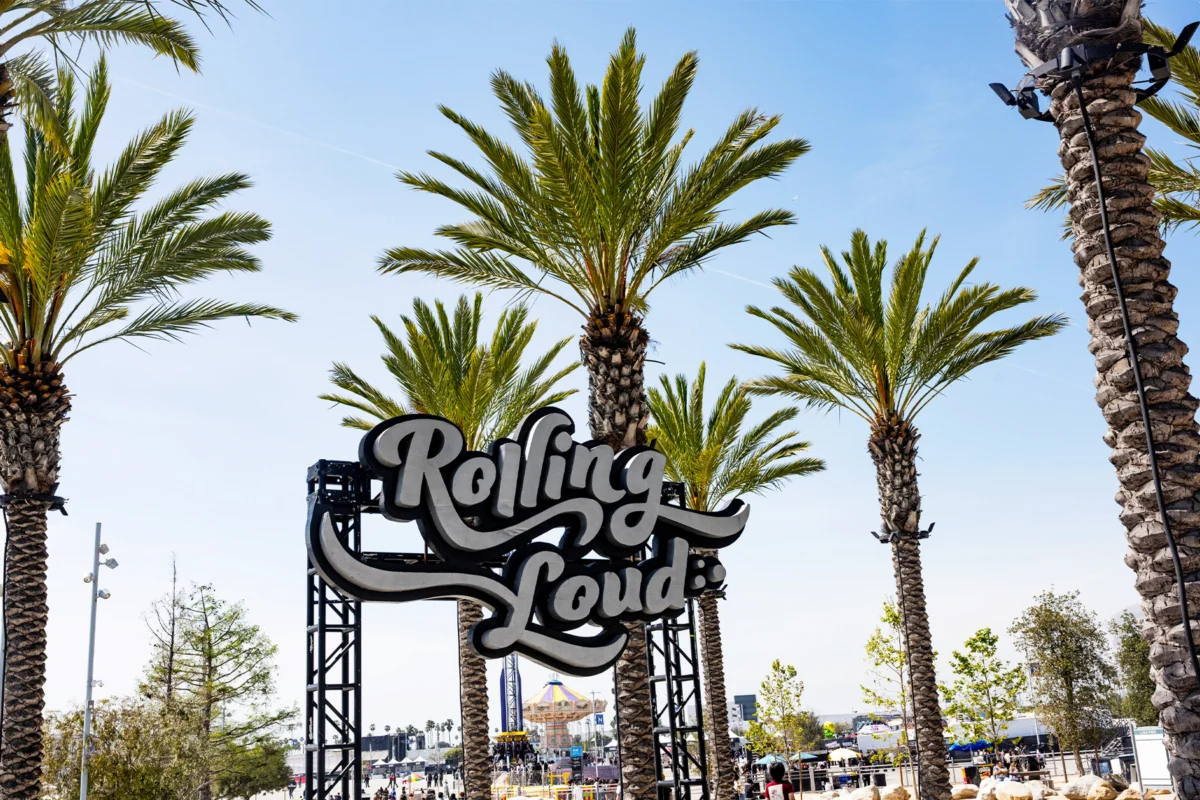
As the global festival landscape continues to navigate the turbulent aftermath of economic volatility and shifting consumer behavior, Rolling Loud remains a defiant outlier. The world’s premier hip-hop festival brand has officially announced its return to the Nos Events Center in San Bernardino, California, for a three-day celebration scheduled for December 10–12, 2027. This move marks a pivotal shift for the festival, signaling a return to its Southern California roots and a renewed focus on community-centric, experiential event production.
In an exclusive interview with Billboard, Rolling Loud co-founder and CEO Matt Zingler addressed the state of the industry, the brand’s expansionist philosophy, and the reasoning behind selecting San Bernardino over the high-profile urban sprawl of Los Angeles.
The Strategic Shift to San Bernardino
The decision to bring the festival back to the Nos Events Center—a venue that hosted the franchise in 2017 and 2021—is not merely a logistical choice; it is a calculated business maneuver. While recent editions (2023–2025) were held at the Hollywood Park grounds in Inglewood, Zingler suggests that the move to the Inland Empire offers a more conducive environment for the specific needs of the Rolling Loud brand.
“San Bernardino has always been a great location to do the shows for us,” Zingler stated. “There’s a ton of fans out there. Sometimes, when you’re in major cities, it’s more expensive for fans and also more congested. We’ve always had a great following and shows out [in San Bernardino]. We can experiment more with the site and build more activations. All in all, it’s better grounds for festivals than some of the L.A. proper spaces.”
For a festival that relies on high-octane energy and immersive, multi-stage production, the ability to "experiment with the site" is paramount. The Nos Events Center provides the physical footprint necessary to scale activations, manage crowd flow, and create a festival atmosphere that is less constrained by the strictures of municipal oversight found in more densely populated urban centers.
A Chronology of Global Dominance
Since its inception in 2015, Rolling Loud has evolved from a Miami-based hip-hop showcase into a global cultural phenomenon. The festival has successfully exported its brand to diverse markets, including Portugal, Australia, Canada, the Netherlands, Germany, Thailand, Austria, and India.
The growth of the brand, however, has not been without its setbacks. The organizers faced a significant hurdle earlier this year when they were forced to scrap the scheduled Australian dates in Sydney and Melbourne. Citing delays with local partners, the cancellation was a stark reminder of the complexities inherent in international touring and festival management. “This one hurts,” organizers admitted in a public statement, highlighting the high stakes involved in managing a brand that operates on a global scale.

Despite such challenges, the festival’s momentum remains largely undeterred. The 2027 calendar already includes a major Florida edition slated for May 7–9 at Camping World Stadium in Orlando, following a successful 2026 iteration that featured heavyweights like Don Toliver, Playboi Carti, and NBA Youngboy.
Data-Driven Growth: The India Expansion
One of the most compelling indicators of Rolling Loud’s reach is its success in emerging markets. Following a 2025 debut in Mumbai that reportedly drew 65,000 fans over two days, the festival is set to return to India in December 2026. Zingler remains optimistic about the potential for growth in the region, noting that the inaugural year served as an essential educational bridge for the local audience.
“The first year in Mumbai was training the fans because it was a very local crowd-wise, so a lot of people in India had never experienced a hip-hop show before,” Zingler explained. “Now that they’ve experienced Rolling Loud, they know what to expect. I think we will definitely hit a higher capacity.”
This "training" approach is central to the Rolling Loud strategy. By tailoring lineups to regional tastes—acknowledging that hip-hop is digested differently in Mumbai than it is in Miami or Berlin—the organizers are avoiding the "cut-and-paste" model that has led to the downfall of lesser festival brands.
The Competitive Landscape: "We Don’t Have Competition"
Perhaps the most striking takeaway from the recent discussions with Rolling Loud leadership is their absolute confidence in their market position. In an era where many legacy festivals have faced consolidation or cancellation due to rising costs and dwindling ticket sales, Zingler views the competitive field as virtually nonexistent.
“I don’t really know of any other festivals booking urban music right now,” he remarked. “We don’t have competition. We’re the biggest [hip-hop festival] brand.”
This sentiment is rooted in the festival’s ability to adapt. Zingler emphasizes that stagnation is the primary enemy of the modern festival model. “We’ve done a lot of shows,” he adds. “If you don’t grow with your fans and keep it new… your brand withers and dies. But if you’re constantly adjusting and have your finger on the pulse, you can go forever.”

Hollywood Aspirations and Brand Diversification
Rolling Loud is no longer just a concert series; it is a lifestyle brand and, increasingly, a media entity. The upcoming release of Rolling Loud: The Movie on October 2 represents the brand’s aggressive push into the film and entertainment space. Starring Owen Wilson, Matt Rife, and Christian Convery, the film is a narrative-driven project that captures the chaotic, high-energy essence of the festival.
The film, produced in partnership with Live Nation Studios, is based on a script by Jeremy Garelick, who drew inspiration from his own personal experience of losing his child in the massive crowds of the festival. By embedding the film with actual concert footage—specifically from Travis Scott’s 2024 performance—and cameos from stars like Sexyy Red and Ty Dolla $ign, Rolling Loud is leveraging its live events to create lasting, marketable content that keeps the brand relevant even when the stages are dark.
Furthermore, the partnership with tech and cannabis company Weedmaps underscores the festival’s commitment to lifestyle activations. By integrating these services into their "Kickback" events and on-site experiences, they are creating revenue streams and engagement opportunities that go well beyond the price of a standard general admission ticket.
Implications for the Future of Live Music
The trajectory of Rolling Loud offers a roadmap for the future of the festival industry. In a market where consumers are increasingly wary of high ticket prices and redundant lineups, the brands that succeed are those that provide a unique, non-replicable experience.
The return to San Bernardino highlights several key trends:
- Decentralization: Moving away from expensive, congested urban centers to more flexible, fan-friendly locations.
- Hyper-Localization: Customizing lineups for international audiences rather than forcing a monolithic US-centric aesthetic on every market.
- Media Integration: Using cinema and digital content to bridge the gap between festival cycles, ensuring the brand remains in the cultural conversation year-round.
- Cultural Authority: Maintaining a firm grip on the "urban" music niche, which allows for consistent branding and a loyal, repeatable fan base.
As ticket sales for the 2027 California event open on September 24, the industry will be watching closely to see if the brand’s confidence is mirrored by its fans. With the lineup yet to be announced, the reliance on the Rolling Loud name alone serves as a testament to the brand equity they have built over the last decade.
In a volatile world, Rolling Loud has managed to maintain its status as a cultural bedrock for hip-hop fans. By continuing to iterate on their model, expanding into film, and carefully selecting venues that serve the fan experience over the convenience of urban infrastructure, they have built a machine that seems poised to outlast the current cycle of festival closures. As Zingler noted, if you have your finger on the pulse, you can go forever—and for now, that pulse remains undeniably strong.