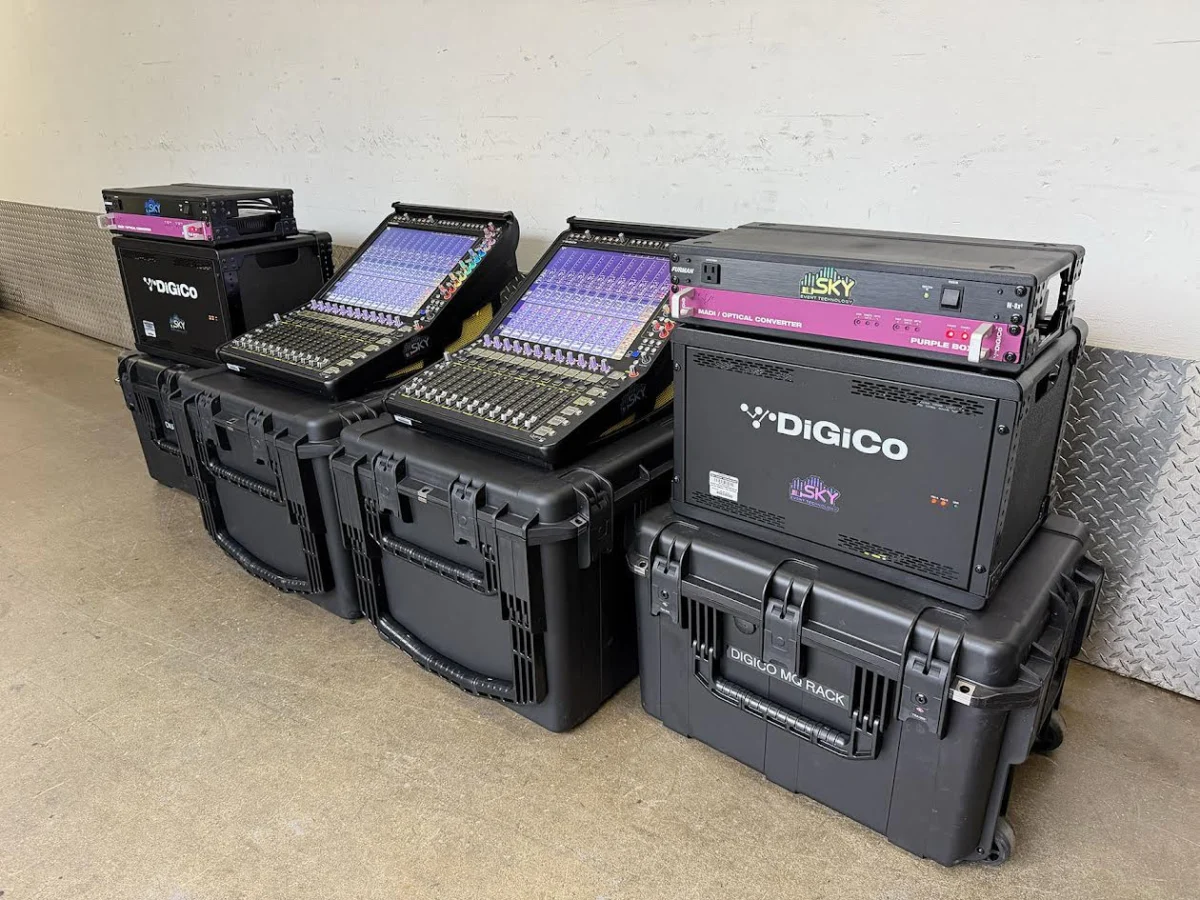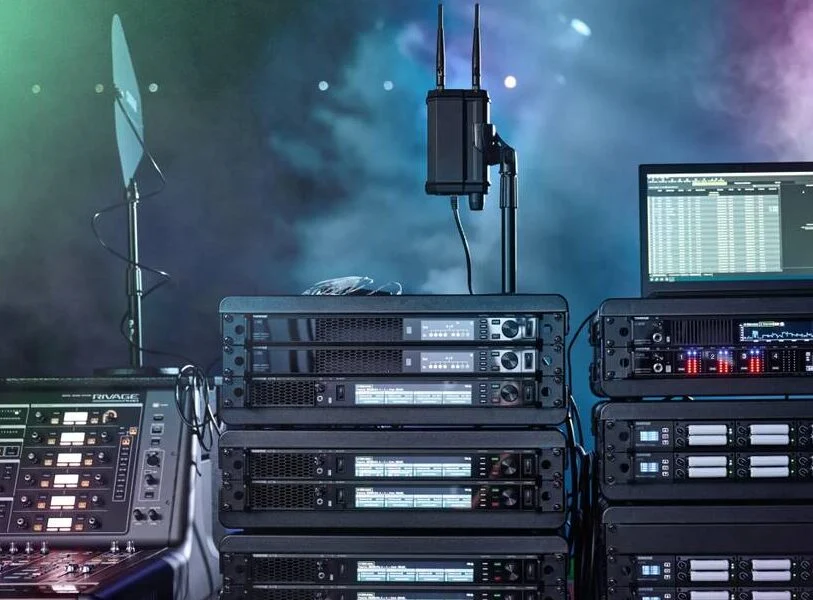
In the high-pressure world of live event production, the ideal scenario—a dedicated, attentive audio engineer for every stage—is often a luxury rather than a reality. Whether you are managing multiple ballrooms at a corporate conference, overseeing several stages at a boutique music festival, or navigating the logistical maze of a multi-stage nightclub, the challenge remains the same: how to maintain professional-grade audio fidelity when you are stretched thin.
While the "one engineer, one stage" model is the industry gold standard, modern production budgets and venue limitations frequently force engineers into the role of a "floating" technician. Successfully pulling this off requires more than just technical prowess; it demands a shift in mindset from active, song-by-song mixing to a proactive, systems-based management style.
The Architecture of Efficiency: Preparation and Infrastructure
The core principle of managing multiple stages is the mitigation of risk through rigorous preparation. When you cannot be everywhere at once, your infrastructure must be robust enough to handle itself.
The Power of the "House Scene"
Preparation is the greatest defense against the chaos of a multi-stage gig. Every engineer should arrive with a foundational "house" scene stored on their digital console. This scene is not merely a starting point; it is a safety net. It should encompass comprehensive input and output routing, standardized channel labeling, and baseline EQ settings that translate well to the specific venue’s acoustic profile.
By utilizing a standard patch—where specific channels are always assigned to specific instrument types—you reduce the "mental tax" required to switch between consoles or stages. If a performer does not require a specific input, that channel remains ready for whatever "mystery instrument" might arrive. This "festival-style" approach ensures that regardless of the act, the console is ready for immediate operation.
Stage Management as Technical Work
Technical success begins with a clean stage. Before an act arrives, the engineer must act as a stage manager. Clearing redundant microphone stands, organizing cable runs, and verifying that every DI box is clearly marked reduces the likelihood of signal chain errors. A cluttered stage is an invitation for a performer to plug into the wrong input, creating a headache that will inevitably pull you away from another stage.
Chronology of a Multi-Stage Workflow
Managing multiple environments requires a strict, almost military, adherence to a rotating schedule. The following workflow outlines a typical transition phase.
- Scene Recall and Stage Reset: Upon arriving at a stage, recall your house scene immediately. Physically reset the stage to the needs of the incoming act.
- The "Safety Check": Before the band arrives, perform a quick sweep of vocal microphones. Your objective is not a perfect mix, but rather "feedback annihilation." Test the wedges, verify monitor routing, and ensure the PA is stable.
- Performers’ Arrival: As the band hits the stage, facilitate their setup. Ensure they have adequate power, working in-ear monitor (IEM) packs, and access to necessary house gear. Check their inputs early—performers often disappear just as you need them for a soundcheck.
- Strategic Mobility: If one stage is lagging, do not wait. Communicate with the musicians, provide them with your contact information, and move to the next stage. Professional communication ensures the talent feels supported even when you are physically absent.
- The "Live" Hand-off: Stay for the first few minutes of the set. Ensure the system is stable, the vocalists are heard, and no sudden feedback spikes occur. Once the system is confirmed to be "healthy," transition to the next location.
Technical Priorities: Keeping the Music Alive
When you are juggling multiple stages, the philosophy of "less is more" takes on a new meaning. You are not mixing for a studio recording; you are mixing for the survival of the event.
Prioritizing the PA
If time is short, focus on the essentials. A band can perform without a perfectly dialed drum mix, but they cannot perform if the vocals are lost or the keyboards are silent. Focus your energy on the elements that define the performance: lead vocals and primary instruments.
Furthermore, maintain a "wide-open" approach to vocal mics. In a single-stage environment, an engineer might ride the faders to bring up harmonies or solos. In a multi-stage environment, you must trust your initial gain staging and EQ. Keep those channels open so that anyone speaking or singing can be heard instantly without needing a constant babysitter at the fader bank.

Managing Effects and Feedback
Any effects, particularly vocal reverb or delay, must be set and left on. Muting and unmuting FX channels between songs is a luxury you cannot afford. Test your FX during soundcheck to ensure they do not induce feedback on a quiet stage.
It is also crucial to observe performer behavior during the soundcheck. Does the vocalist have a habit of cupping the microphone? Are they singing off-axis? These "bits of weirdness" are potential feedback triggers. Addressing them early is the only way to prevent a disaster while you are in another room.
Supporting Data and System Stability
Maintaining system stability is not a "set and forget" process. It is an ongoing cycle of monitoring.
The 45-Minute Loop
Engineers should aim to walk through each room every 30 to 45 minutes. This is not just for technical adjustments; it is for psychological support. A quick look or a thumbs-up from the engineer can settle the nerves of a performer who hasn’t seen you for an hour.
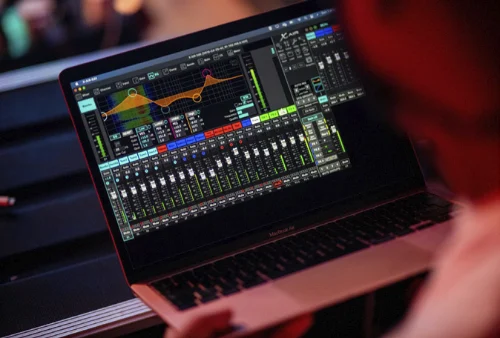
For the mobile engineer, a tablet-based remote control app is an essential tool. However, it requires discipline. When moving between networks, the risk of "EQ-ing the wrong console" is high. Always verify which room you are connected to before making any adjustments.
The Fallacy of Hard Limiting
A common mistake is to "brick-wall" the system with heavy compression and hard limiting, hoping to prevent any spikes. This is counterproductive. Over-limiting results in a distorted, unnatural mix that performers will instinctively dislike. Instead, trust the musicians. They are just as motivated as you are to avoid feedback. Often, they will troubleshoot minor issues—like unplugging a rogue mic—themselves if the system is generally well-tuned.
Official Industry Perspectives and Implications
While the techniques mentioned above provide a roadmap for survival, the industry consensus remains that this "floating" model is far from ideal. Professional audio organizations and veteran sound engineers consistently note that the quality of a performance is directly linked to the amount of attention an engineer can provide.
The Human Element
The implications of multi-stage management extend beyond the audio quality; they affect the human element of the gig. An engineer who is stressed, rushing, or constantly on the move projects that energy onto the performers. Professional decorum is paramount. Even when the odds are stacked against you—with multiple consoles, failing wireless frequencies, and demanding schedules—maintaining a calm, collected demeanor is essential for a successful production.
Final Thoughts on Professionalism
While this guide addresses the "how-to" of multi-stage management, it is important to categorize these tactics as survival strategies rather than best practices.
When you find yourself in the position of mixing multiple stages, remember that your goal is to facilitate the performance. By preparing a solid house scene, maintaining a rigorous schedule, and focusing on the essentials of sound stability, you can produce excellent results under difficult conditions. It is a high-wire act that requires focus, stamina, and, above all, the ability to anticipate problems before they occur. If you can master this, you have not only survived the gig—you have elevated your craft to a level that few, even in the professional sphere, can maintain.