In the world of automotive customization, the Chevrolet Equinox is rarely the first vehicle that comes to mind for a high-fidelity sound system installation. Often viewed as a utilitarian family crossover, its interior architecture and factory electrical systems present unique challenges for audio enthusiasts. However, for a dedicated hobbyist known as "ThxOne," the platform represents a blank canvas—a project currently underway that promises to redefine the acoustic capabilities of the compact SUV.
This report tracks the ongoing transformation of "The Equinox That Rocks," a multi-stage project that balances cosmetic upgrades, structural fabrication, and a sophisticated power delivery overhaul.

The Genesis of the Project: Aesthetic and Functional Foundations
Every major audio build begins with the basics. For ThxOne, the initial phase of the Equinox project focused on subtle, high-impact aesthetic modifications that serve as a precursor to the heavier hardware installations.
Lighting Upgrades
One of the first discoveries regarding the Equinox platform was its standardized lighting system. ThxOne identified that the vehicle utilizes 194-series bulbs across its entire auxiliary lighting array, including five overhead interior lights and two license plate illuminators. By sourcing a high-output, ten-pack LED kit, the project successfully transitioned the interior and exterior lighting from the dated, yellow hue of factory halogen bulbs to a crisp, modern white. While seemingly minor, this update serves as a fundamental "clean-up" phase before the heavy electrical work begins.

The "Holding Pattern" Phase
Between November 2024 and April 2025, the project remained in a strategic holding pattern. During this time, the builder focused on transitioning components from a previous vehicle—a Hyundai Elantra—to the new chassis. This involved the careful extraction of amplifiers and subwoofers, followed by meticulous measurement of the Equinox’s cargo space. With a narrow width constraint of 37.5 inches, the project requires precise carpentry to maximize enclosure volume while maintaining the vehicle’s daily usability.
Technical Challenges: Electrical and Structural Engineering
The most significant hurdle in any high-output car audio system is the electrical infrastructure. A system designed to "rock" requires consistent, high-amperage current, which the stock Chevrolet Equinox 125–130-amp alternator cannot reliably sustain.
Power Management Strategy
ThxOne has outlined a comprehensive power strategy that includes:
- The "Big Three" Upgrade: Upgrading the primary ground, alternator-to-battery, and engine-block-to-chassis cables to reduce resistance and improve current flow.
- Battery Bank Expansion: An upfront battery upgrade is planned to provide a buffer for the amplifiers, with potential for a secondary shelf installation for additional capacity.
- High-Output Alternator: The builder is currently evaluating the necessity of a 220-amp+ aftermarket alternator to replace the factory unit.
The Routing Debate: Alt-to-Back vs. Traditional Wiring
A point of contention and discussion within the community—highlighted by fellow enthusiast "deez283"—is the routing of power cables. The traditional approach involves running power from the alternator to a front battery, then to the rear. ThxOne questioned the feasibility of running a 2/0 gauge cable directly from the alternator to the rear distribution block.

The consensus among experienced installers suggests that while specialized distribution blocks exist for high-current applications, the standard practice remains: Alternator to Front Battery, and then to the rear. This maintains system stability and protects the vehicle’s sensitive ECU from voltage spikes during heavy bass transients.
Enclosure Design and Speaker Selection
The heart of the system lies in the subwoofer configuration. The current plan involves a dual 12-inch subwoofer setup.

Enclosure Geometry
To achieve optimal bass response in a hatchback environment, the enclosure is being designed with the subs facing upward and the port facing the rear. This orientation, known as "rear-firing port," is widely considered the gold standard for SUVs to allow the bass waves to load off the tailgate and fill the cabin effectively.
The 10-inch vs. 15-inch Dilemma
While the initial plan focused on dual 12-inch subwoofers, the project has remained fluid. Fellow enthusiasts have suggested the potential of a single high-excursion 15-inch driver, particularly if the subfloor foam is removed to reveal the spare tire well. This would allow for a larger box volume without sacrificing cargo space. However, ThxOne remains nostalgic for the performance of past systems—specifically a set of JBL P1224s that achieved 145 dB at 37 Hz—and is currently weighing the "hard-hitting" nature of 10-inch woofers against the raw displacement of a single 15-inch unit.

Midbass Integration: The Def Bonce Inquiry
A critical component of a balanced soundstage is the midbass. In the most recent phase of the project, ThxOne shifted focus toward front-stage clarity, specifically evaluating the 6.5-inch midbass offerings from the brand Deaf Bonce.
The community discussion regarding these drivers centers on their frequency response range. Enthusiasts are often wary of speakers marketed as "midbass" that are actually high-output midranges incapable of playing below 100 Hz. ThxOne has confirmed that the specific 6.5-inch model being considered is a true dedicated midbass, which would allow the system to bridge the gap between the subwoofers and the high-frequency tweeters, providing a "punchy" and articulate mid-range experience.
Implications of the Build
"The Equinox That Rocks" is more than just a hobby project; it is a case study in modern car audio integration. The build illustrates several key trends in the industry:
- System Scalability: The project proves that audio enthusiasts no longer view vehicles as permanent enclosures. The ability to pull components from one car and adapt them to another—while optimizing for the new interior space—is a hallmark of the modern DIY installer.
- Electrical Necessity: The emphasis on the "Big Three" and alternator upgrades underscores the reality that modern car audio is as much about electrical engineering as it is about acoustics.
- Community Knowledge Exchange: The project has functioned as an open-source development, where questions regarding cable routing, battery placement, and speaker specs are answered by a community of peers. This collaborative approach minimizes costly errors for the builder and provides a roadmap for others looking to upgrade their own crossovers.
Conclusion: Looking Ahead
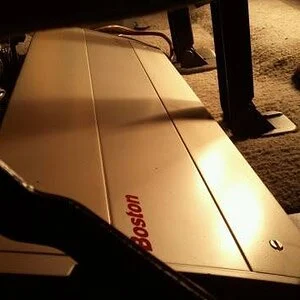
As of the latest updates, the project is moving toward the installation phase. With the amplifiers and subwoofers successfully mounted on a custom board secured by L-brackets and heavy-duty screws, the physical foundation is ready. The next steps will involve the actual wiring and tuning of the system.

Whether the builder ultimately chooses the high-impact dual 10-inch configuration or opts for the singular, deep-reaching 15-inch setup, the "Equinox That Rocks" is set to become a benchmark for what can be achieved in a non-traditional sound platform. By combining meticulous planning with sound electrical practices and a willingness to adapt to the constraints of the vehicle, ThxOne is building a system that promises to do exactly what the title implies: rock.
As the industry continues to evolve toward more efficient power and higher-fidelity components, projects like this serve as a reminder that the heart of the car audio community lies in the passion of the individual builder—one wire, one bolt, and one frequency at a time.