Main Facts: A Resounding Success Amidst Economic Uncertainty
The professional audiovisual (Pro AV) industry converged on the Las Vegas Convention Center from June 13–19 for InfoComm 2026, delivering a powerful message of growth and technological evolution. Despite a backdrop of global economic volatility, fluctuating tariffs, and cautious market forecasts, the event exceeded expectations, solidifying its status as the premier destination for audiovisual solutions, collaboration technology, and digital innovation.
InfoComm 2026 was not merely a trade show; it was a barometer for the health of the multi-billion dollar Pro AV sector. The event attracted a verified attendance of 28,132 professionals hailing from 94 different countries. When accounting for all registrants, including exhibitor personnel and guests, the total figure swelled to 35,707. These numbers represent a significant victory for AVIXA (the Audiovisual and Integrated Experience Association), proving that the appetite for in-person networking and hands-on technology demonstrations remains at an all-time high.
The show floor was a sprawling ecosystem of innovation, covering 395,500 square feet of exhibition space. Within this vast footprint, 807 exhibitors showcased thousands of products ranging from AI-driven conferencing systems and immersive digital signage to high-performance touring audio and workplace collaboration tools. The demographic shift of the attendees was particularly noteworthy, with international visitors making up 20% of the crowd and end-users representing a substantial 37%, indicating a growing trend of direct engagement between manufacturers and the people who ultimately deploy and manage these systems.
Chronology of the Event: From Setup to Showstoppers
The journey of InfoComm 2026 began long before the ribbon-cutting ceremony. The logistics of transforming the Las Vegas Convention Center into a high-tech wonderland required weeks of meticulous planning and days of intense on-site preparation.
The Lead-Up and Installation Phase (June 10–12)
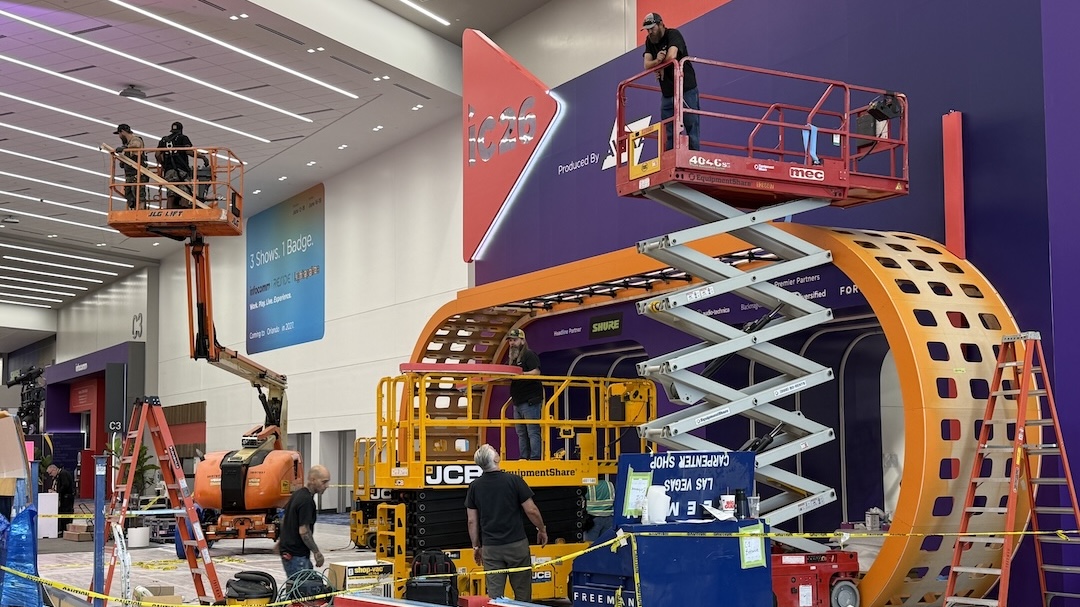
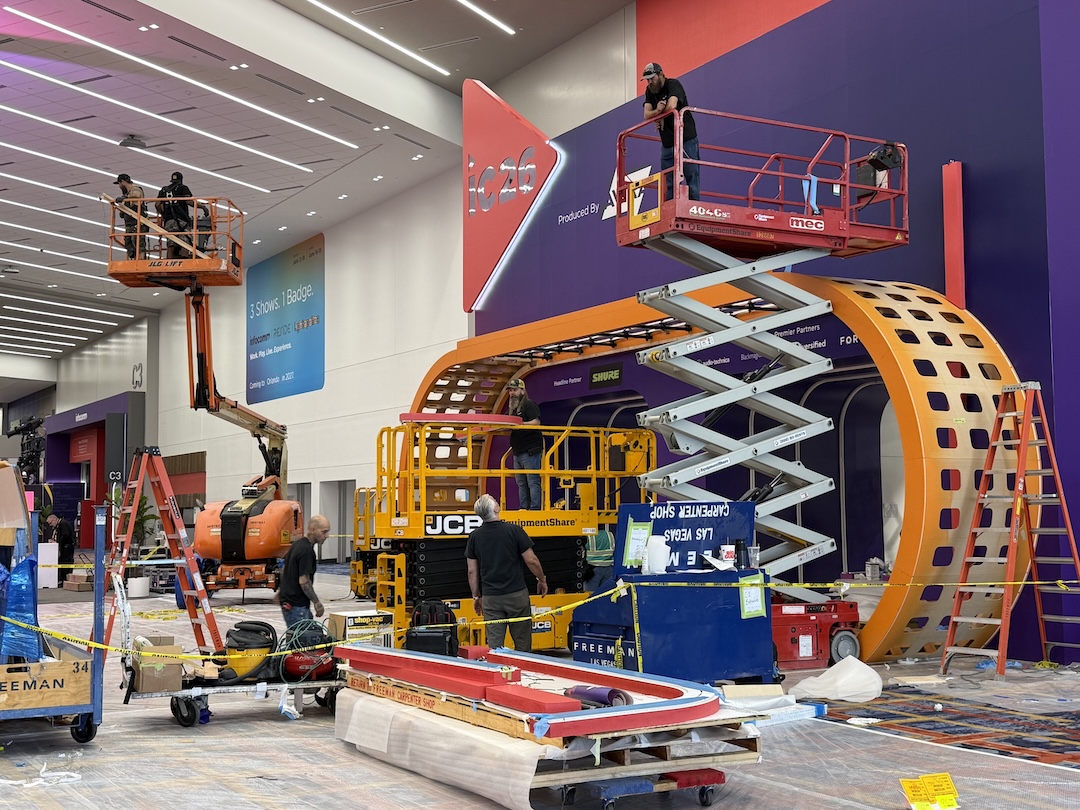
Before the doors opened to the public, a small army of technicians, engineers, and booth designers descended upon the LVCC. This "prep" phase was characterized by a focus on experiential design. Unlike the trade shows of a decade ago, which focused on static displays, InfoComm 2026 prioritized "active" environments. Exhibitors spent days fine-tuning line array hangs, calibrating massive LED volumes, and ensuring that AI-integrated software demos were seamless. The entryway alone was treated as a major installation, designed to immerse attendees the moment they crossed the threshold.
Opening Days: High Energy and Global Convergence (June 13–15)
The official start of the show saw an immediate influx of attendees. The first three days were dominated by major product announcements and keynote addresses. The atmosphere was one of cautious optimism; while the "economic climate of uncertainty" was a common talking point in the lounges, the activity on the floor told a different story. Dealers and integrators were hungry for solutions that could solve the challenges of the "hybrid-everything" era.
Mid-Week Deep Dives and Technical Sessions (June 16–17)
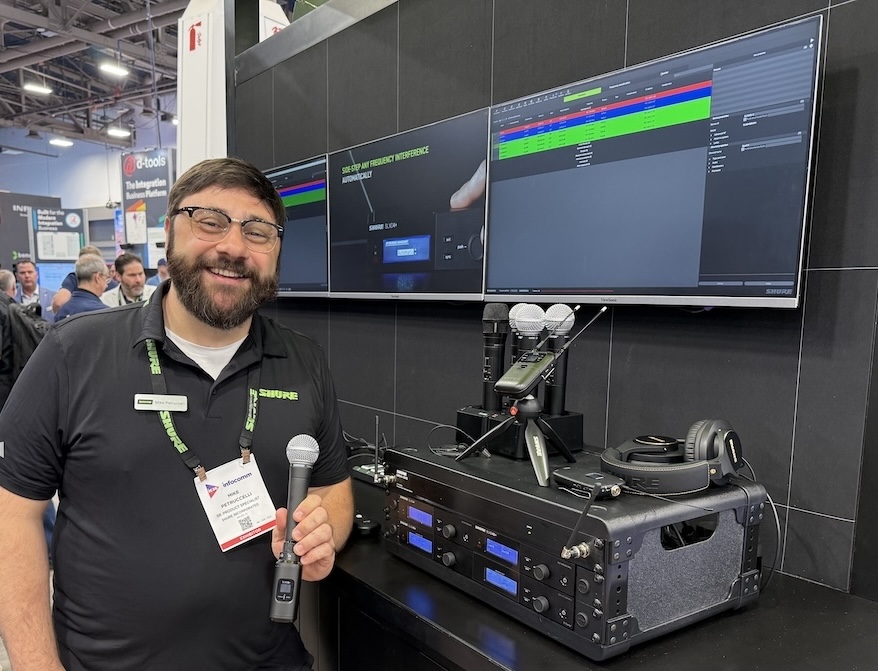
As the initial rush leveled off, the focus shifted to the educational and certification aspects of the show. Technical specialists, such as Mike Petrucci from Shure, spent hours conducting deep-dive sessions on the nuances of wireless frequency management and the SLXD4+ system. This period was crucial for the 37% of attendees who were end-users, as they sought to understand how the "latest and greatest" would actually integrate into their corporate, educational, or house of worship environments.
The Final Push and Breakdown (June 18–19)
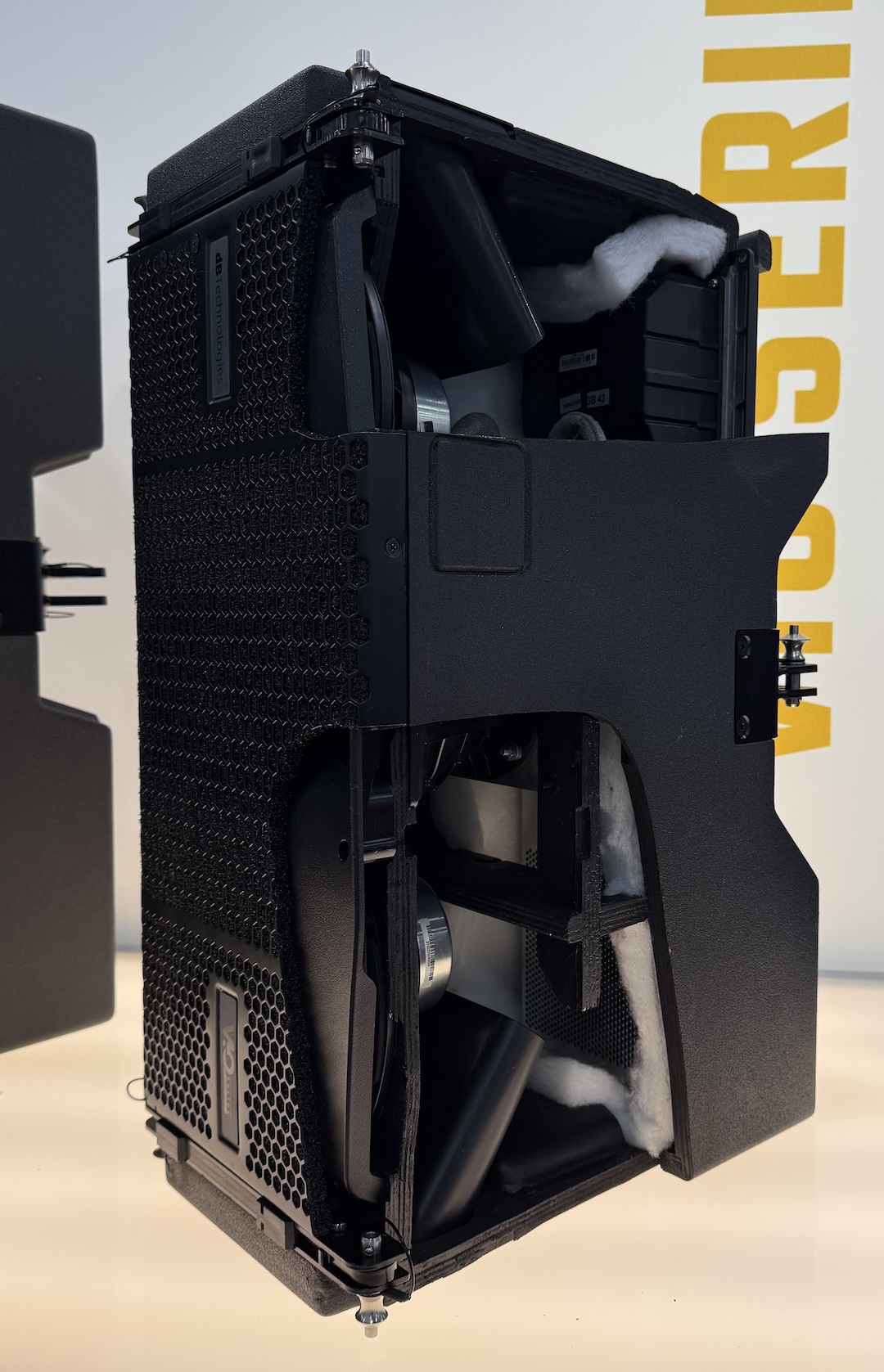
The closing days of InfoComm 2026 were dedicated to finalizing contracts and exploring the "niche" corners of the floor. Even as the show neared its end, booths like M&W Pro Audio and dBTechnologies continued to see steady traffic from audio engineers looking for the next generation of mixing and reinforcement technology. By the evening of June 19, the breakdown began, marking the end of a week that many industry veterans described as a "turning point" for the post-pandemic Pro AV market.
Supporting Data: Breaking Down the Metrics of Success
The success of InfoComm 2026 can be quantified through several key data points that highlight the diversity and scale of the event.
Attendance and Global Reach
- Verified Attendees: 28,132
- Total Registrants: 35,707
- Geographic Diversity: 94 countries represented.
- International Composition: 20% of the total attendance arrived from outside the United States, showcasing the global nature of the AV supply chain.
Market Segmentation
The presence of end-users (37%) is a critical metric. This segment includes technology managers from Fortune 500 companies, university IT directors, and live event producers. Their high level of participation suggests that the "Pro AV" world is no longer a closed loop between manufacturers and dealers; it is a direct-to-consumer dialogue where the user’s needs drive product development.
The Floor in Numbers
- Exhibitors: 807 companies.
- Square Footage: 395,500 sq. ft.
- Product Categories: Over 25 categories, including AI-driven systems, workplace innovation, and digital signage.
Technical Spotlights: The Hardware of the Future
Several products captured the imagination of the crowd, representing the cutting edge of audio and control technology.
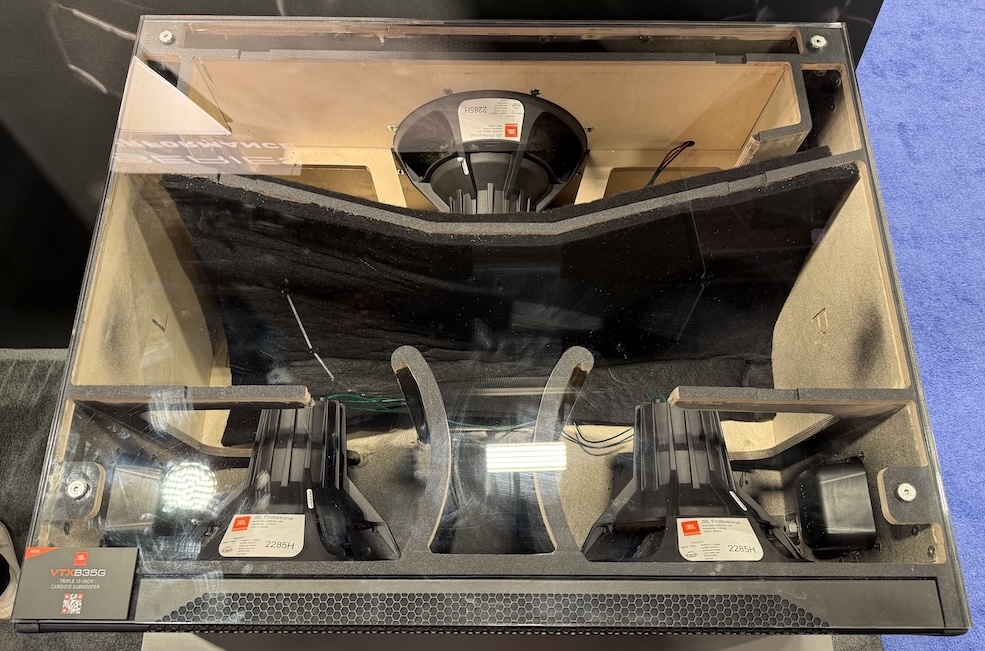
JBL VTX B35G Triple 15-inch Cardioid Subwoofer
One of the most talked-about displays featured a cutaway of the new JBL VTX B35G. In an era where "noise pollution" on stage and in neighboring venues is a major concern, this subwoofer’s cardioid design is a game-changer. By utilizing a triple 15-inch configuration, it is engineered to significantly reduce rearward energy, focusing the low-frequency impact directly on the audience. The cutaway allowed engineers to see the internal bracing and airflow management that makes this level of precision possible.
Allen & Heath dLive Ecosystem
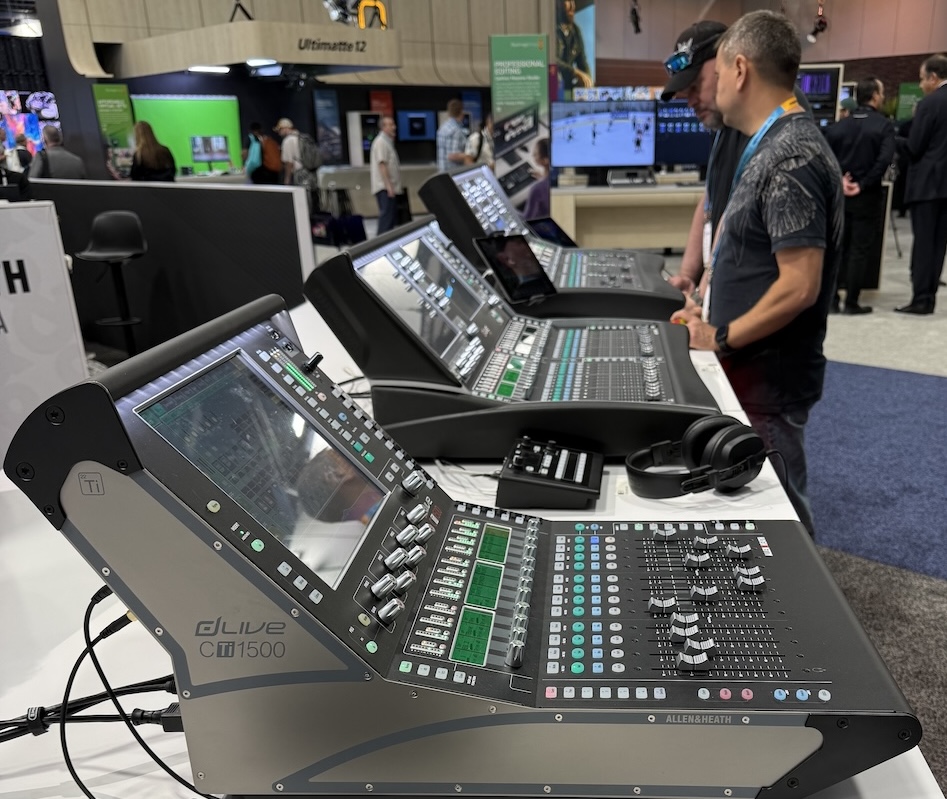
The Allen & Heath booth remained a hub of activity throughout the week. Their dLive digital mixing desks, ranging from compact surfaces to large-format touring consoles, were presented as the "brain" of the modern audio network. The focus here was on flexibility and ease of use, with attendees particularly interested in the ecosystem’s ability to handle high-channel counts with ultra-low latency.
Shure SLXD4+ Wireless System
Shure’s Mike Petrucci was on hand to demonstrate the SLXD4+, a system that initially made waves at NAMM but found its true home at InfoComm. As the RF spectrum becomes increasingly crowded due to the expansion of 5G and other wireless services, the SLXD4+ offers a robust, digital solution for mid-tier applications that require rock-solid reliability without the price tag of flagship systems.
Yamaha DXR mk3 Series
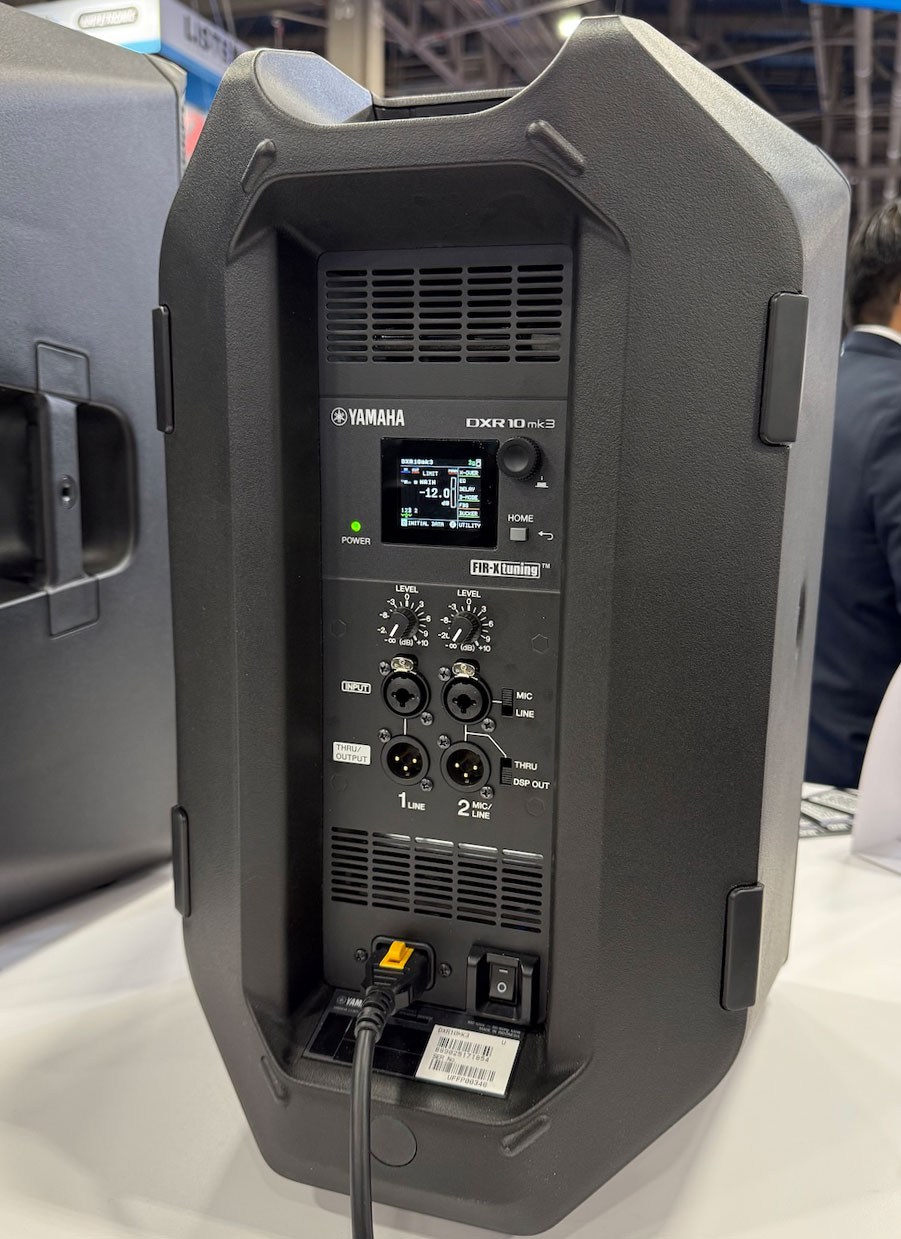
Yamaha continued its tradition of reliability with the DXR mk3 Series powered loudspeakers. The update features a new, intuitive interface with a full-color LCD panel. This allows users to access sophisticated DSP offerings without needing an external computer, making it an ideal choice for the "prosumer" and portable rental markets.
M&W Pro Audio D24 Digital Mixer
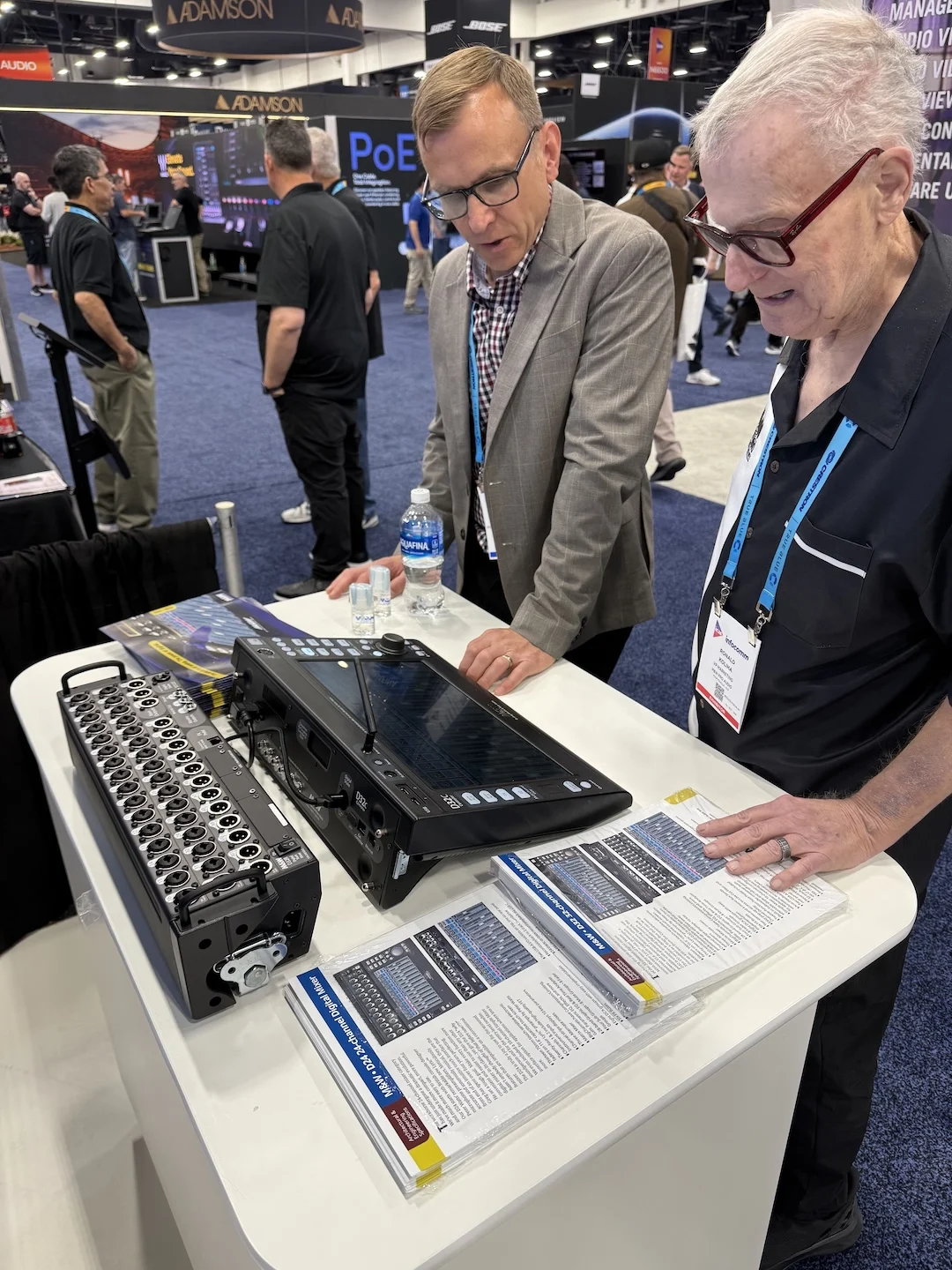
A surprise hit of the show was the M&W Pro Audio D24. This 24-channel digital mixer challenges the status quo with its high-end touchscreen interface and a modular design that includes a detachable stagebox. Its versatility—being equally at home on a desk or in a rack—spoke to the "hybrid" needs of modern production houses.
Official Responses: Industry Sentiment and Strategic Outlook
While official statements from AVIXA leadership emphasized the "vibrancy and resilience" of the community, the unofficial response from the floor was one of relief and renewed vigor.
Manufacturers noted that despite the "tariffs and economic uncertainty" mentioned in pre-show briefings, the quality of leads was exceptionally high. "We aren’t just seeing ‘tire-kickers’ this year," noted one exhibitor. "We are seeing people with approved budgets who are looking for specific solutions to the problems of hybrid work and immersive retail."
Industry analysts pointed out that the 20% international attendance is a testament to the fact that the United States remains the central hub for AV innovation. The consensus among the "big three" (audio, video, and control) was that AI is no longer a buzzword but a functional component of the hardware being sold. From auto-framing cameras to predictive audio processing, the "intelligence" of the systems was the primary selling point.
Implications: The Road to 2027 and Beyond
The success of InfoComm 2026 has several long-term implications for the Pro AV industry:
- The Rise of the "Intelligent" Venue: The heavy focus on AI-driven systems suggests that future venues will be self-optimizing. Audio systems that tune themselves to the room’s occupancy and video walls that adjust content based on viewer demographics are no longer futuristic concepts—they are current offerings.
- Sustainability as a Standard: Many exhibitors showcased products with reduced power consumption and recyclable materials. As end-users (the 37%) face stricter ESG (Environmental, Social, and Governance) requirements, manufacturers who prioritize "Green AV" will gain a competitive edge.
- The End-User Influence: The high percentage of end-users attending the show will force a shift in how products are marketed. Documentation, user interfaces, and support systems must now be designed for the person using the gear daily, not just the technician who installs it.
- Economic Resilience through Innovation: The fact that the show was a "hit" despite economic headwinds suggests that Pro AV is now seen as "essential infrastructure" rather than a luxury spend. Whether it’s a corporate boardroom or a stadium, the need for high-quality communication and immersion is recession-resistant.
As the industry packs up and leaves Las Vegas, the momentum generated at InfoComm 2026 will likely carry through the rest of the fiscal year. The "smattering" of technology seen on the floor is just the tip of the iceberg for a sector that is rapidly redefining how humans interact with technology and each other.
For more updates on the Pro AV industry and future event coverage, stay tuned for our daily briefings and upcoming deep-dive features.