Introduction: A Partnership Born of Resilience
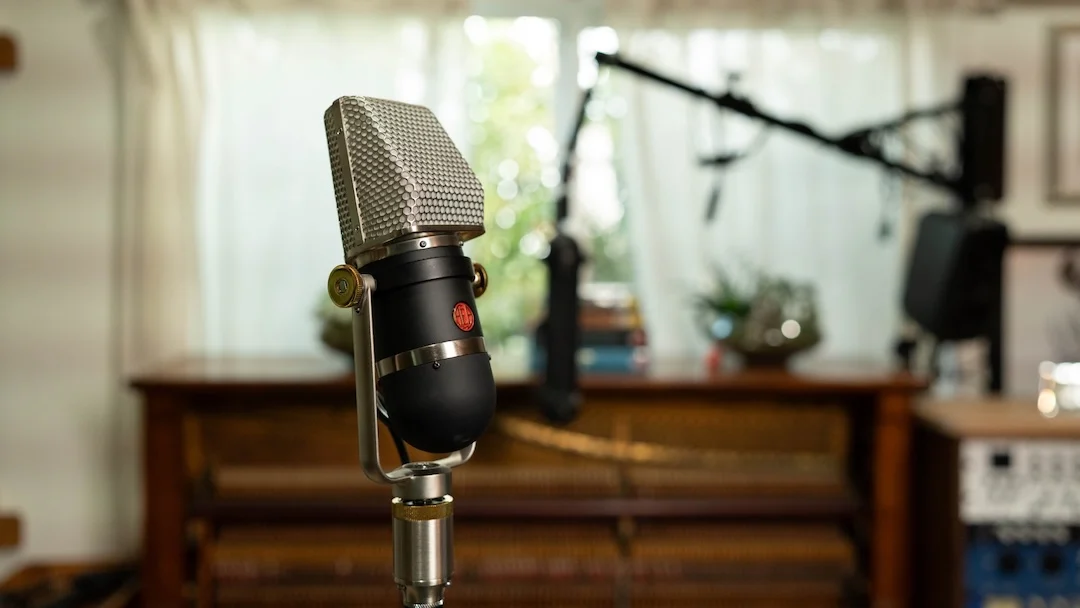
In the professional audio world, the AEA KU4A ribbon microphone is widely regarded as a pinnacle of engineering—a modern homage to the legendary RCA KU3A, the gold standard for Hollywood’s Golden Age film scoring stages. However, in October 2026, the significance of this microphone has transcended its technical specifications. Through a strategic and heartfelt partnership, Pasadena-based AEA Ribbon Mics has pledged a portion of the proceeds from its limited-edition KU4A to the Guitar Center Music Foundation (GCMF).
This initiative, which began as an emergency response to the devastating Los Angeles wildfires of 2025, has evolved into a long-term commitment to music education and philanthropic support. By bridging the gap between high-end studio technology and grassroots community relief, this collaboration serves as a poignant reminder of the power of the music industry to rebuild what disaster seeks to destroy.
The Chronology of a Crisis and a Commitment
January 2025: The Fires Take Hold
The genesis of this partnership lies in the catastrophic wildfires that swept through Southern California in early 2025. As the fires tore through neighborhoods, they did not distinguish between residential properties and the hubs of creativity that define the region’s cultural identity. Schools, community centers, and individual artists found their instruments and equipment—often their primary tools for livelihood and therapy—reduced to ash.
For AEA, the tragedy was deeply personal. Headquartered in Pasadena, the company found itself in the direct path of the evacuation zones. "Our offices were located within the evacuation zone, several of our team members were displaced for weeks after the fires, and many of us have friends who lost their homes," recalls Julie Tan, CEO of AEA Ribbon Mics.
The Immediate Response
As the smoke cleared, the GCMF acted as one of the first responders in the cultural sector. The foundation mobilized quickly, launching an emergency relief initiative aimed at replacing the essential gear lost by musicians and music programs. Recognizing the necessity of this work, AEA pivoted its manufacturing focus, creating a special run of the limited-edition KU4A microphones. Initially, these units were designed to funnel direct aid into the GCMF’s wildfire relief fund, ensuring that the rhythm of the city’s music scene would not be permanently silenced by the disaster.
2026: From Relief to Sustainability
As the immediate physical rebuilding of the 2025 disaster concluded, the partnership transitioned into a sustainable model. With the initial emergency phase addressed, the ongoing sales of the limited-edition KU4A—priced at $8,700 per unit and available exclusively through Guitar Center and its retail affiliates—now fund the GCMF’s broader, nationwide instrument grant and donation programs. This shift signifies a long-term commitment to the idea that music is not a luxury, but an essential component of human health and education.
The Legacy of the KU4A: A Masterpiece of Engineering
To understand why this specific microphone was chosen as the flagship for this philanthropic effort, one must look at its lineage. The KU4A is a meticulously crafted recreation of the RCA KU3A, a microphone developed in the 1940s specifically for the high-pressure environment of Hollywood film studios.
The KU3A was, at the time of its release, the most expensive ribbon microphone in existence. Its design offered a unique combination of high sensitivity and a unidirectional pickup pattern—a technical feat that allowed engineers to capture the nuanced performances of orchestras and soloists while rejecting the ambient noise of a busy soundstage. With fewer than 600 units originally manufactured, the KU3A became a "holy grail" for collectors and engineers.
By reviving this design, AEA has not only provided the market with a piece of history but has also leveraged the prestige of the instrument to command a price point that facilitates meaningful charitable contributions. The $8,700 price tag reflects the premium components and hand-built craftsmanship required to maintain the legacy of the original, while the donation portion ensures that every sale contributes to the future of music.
Supporting Data: The Impact of the Guitar Center Music Foundation
The GCMF is no stranger to the scale of impact required for this project. Since its inception in 2005, the foundation has operated under a singular mission: to expand access to music. The metrics of their success are staggering:
- Breadth of Impact: The foundation has reached more than 300,000 individuals over the last two decades.
- National Reach: In 2025 alone, the year of the wildfires, the foundation supported 141 individual music programs across 39 states.
- Volume of Aid: Through its grant programs, the foundation provided direct support to over 15,000 people in 2025, a year that required immense flexibility as the organization balanced routine educational funding with emergency disaster relief.
These grants often provide the "missing link" for music programs—the replacement of a broken piano, the purchase of a new set of rhythm instruments for a special-needs music therapy program, or the provision of guitars for an after-school program in an underserved neighborhood.
Official Responses and Perspectives
The View from AEA: A Community-Centric Philosophy
Julie Tan’s perspective on the partnership emphasizes the symbiotic relationship between a local business and its community. "Partnering with the Guitar Center Music Foundation allowed us to give back to our community while continuing to raise awareness of what Southern California experienced in January 2025," Tan stated. She noted that the foundation’s swift action during the fires—stepping in while the flames were still visible on the horizon—cemented their reputation as a leader in industry philanthropy.
The View from GCMF: The Transformative Power of Music
Valeisha Butterfield, CEO and executive director of the GCMF, views the collaboration as a testament to the essential nature of music in the human experience. "Access to music can change the trajectory of a life, and partnerships like this allow us to put that belief into action," Butterfield said. Her leadership highlights that the goal of the GCMF is not merely to provide equipment, but to provide the means for self-expression, discipline, and emotional development.
The Implications: A New Standard for Industry Philanthropy
The partnership between AEA and the GCMF suggests a shifting paradigm in the professional audio industry. In an era where corporate social responsibility (CSR) is often relegated to annual reports and small, symbolic donations, this project demonstrates the efficacy of a "product-based philanthropy" model.
1. Integration of Supply Chain and Philanthropy
By tying the sale of a high-value, niche product directly to a charitable cause, companies like AEA are able to maintain higher levels of engagement with their customer base. Buyers of the KU4A are not just purchasing a high-end audio tool; they are participating in a tangible act of community support. This creates a deeper emotional connection between the manufacturer, the retailer, and the end-user.
2. Preparedness as a Core Competency
The 2025 wildfires proved that disaster preparedness is no longer just for homeowners; it is a necessity for the music industry. The ability of the GCMF to pivot its resources to provide emergency aid while maintaining its core mission of educational support serves as a blueprint for other foundations. The partnership suggests that industry leaders should look to establish "readiness partnerships" before crises occur, rather than attempting to forge them in the heat of the moment.
3. The Role of Music in Disaster Recovery
Perhaps the most significant implication of this story is the recognition of music as a recovery tool. The GCMF’s focus on music therapy and education programs following the fires highlights a sociological truth: in the aftermath of trauma, the arts provide a critical space for processing grief and rebuilding identity. By replacing instruments, AEA and the GCMF are effectively helping communities reclaim their voices.
Conclusion: The Long-Term Horizon
As of October 2026, the limited-edition AEA KU4A remains a sought-after piece of equipment. However, its value is no longer defined solely by its frequency response or its ability to capture a nuanced vocal performance. Its value is now intrinsically linked to the 15,000 people who received support in 2025 and the thousands more who will benefit from future grants.
This partnership stands as a model for how the professional audio world can engage with the wider public. By marrying the technical excellence of a legendary microphone design with the humanitarian reach of a established foundation, AEA and the Guitar Center Music Foundation have ensured that the legacy of the KU4A will be measured not just in sound waves, but in the enduring impact it has on the lives of musicians across the country. In a world that often feels fractured, this collaboration proves that through music, we can find the tools to rebuild.