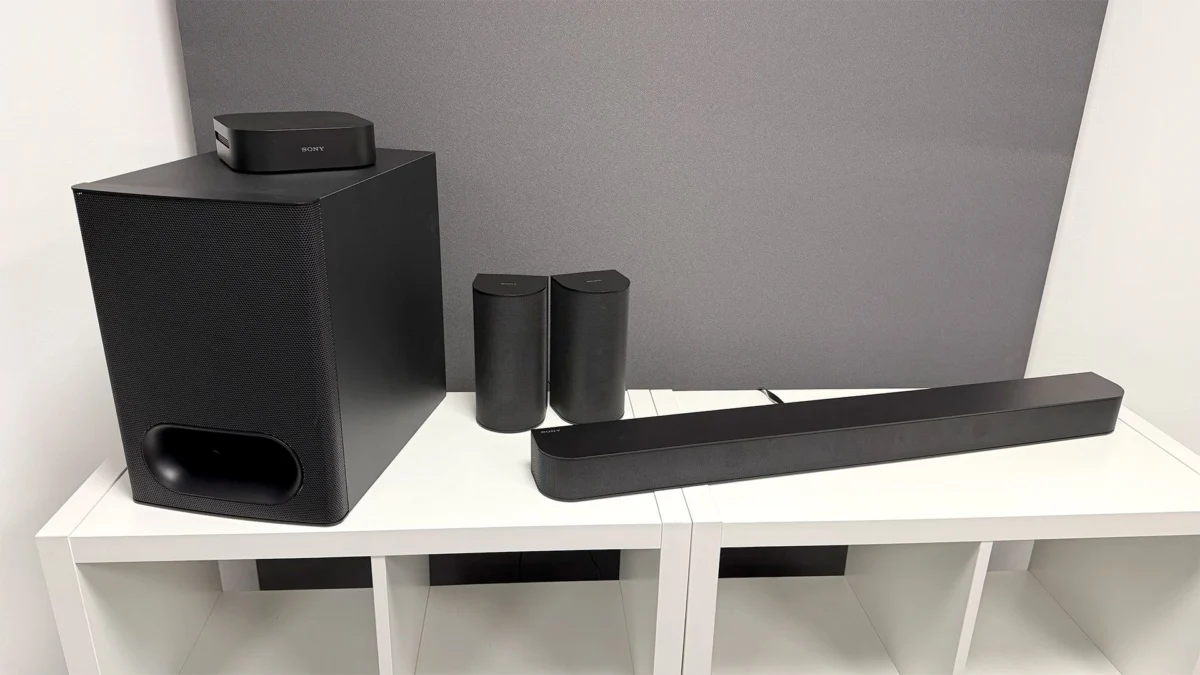
The global landscape of home entertainment has undergone a radical transformation over the past five decades. To mark this evolution, What Hi-Fi?, one of the world’s leading authorities on audio and video technology, has officially launched its annual Home Cinema Week 2026. This year’s event carries unprecedented significance, as 2026 marks the golden jubilee—the 50th anniversary—of the publication’s founding in 1976.
Throughout the week, the publication is set to deliver a comprehensive suite of retrospective features, deep-dive reviews of state-of-the-art audiovisual (AV) equipment, and analytical debates regarding the future of display and audio technology. From exploring the historical roots of television to questioning the viability of modern 8K displays, Home Cinema Week 2026 serves as both a celebration of legacy media and a roadmap for the future of home entertainment.
Main Facts: Celebrating Home Cinema Week 2026
Home Cinema Week is What Hi-Fi?’s dedicated editorial campaign celebrating the technology, culture, and community surrounding home theater systems. The 2026 edition is uniquely positioned to bridge the gap between historical nostalgia and cutting-edge innovation.
Key Editorial Highlights of the Week:
- A Half-Century Retrospective: In honor of its 50th anniversary, the publication is looking back at the foundational television technologies that first brought cinema-like experiences into living rooms, tracing the lineage from bulky cathode-ray tube (CRT) sets to modern, paper-thin organic light-emitting diode (OLED) panels.
- Exclusive Behind-the-Scenes Access: For the first time, editors are giving readers an inside look at their bespoke, state-of-the-art testing facilities, revealing the rigorous scientific methodologies and comparative testing processes used to evaluate AV equipment.
- The Great 8K Debate: A critical analysis of the television market, investigating whether 8K Ultra High Definition (UHD) TVs have failed to capture consumer interest and if the format is effectively "dead" due to a lack of native content and stringent energy regulations.
- Preserving Film Culture: An exclusive tour of London’s historic Cinema Museum in Kennington, highlighting the cultural importance of preserving analog cinema history in an increasingly digital world.
- The Physical Media Renaissance: Practical advice on how modern cinephiles can store, organize, and maintain their Blu-ray and 4K Ultra HD collections, highlighting why physical discs remain the gold standard for audio and video fidelity.
- Multi-Platform Coverage: To engage a broader, modern audience, the celebration extends beyond the written word, featuring specialized content, video essays, and behind-the-scenes footage across Instagram, TikTok, and YouTube.
Chronology: Five Decades of Home Cinema Evolution (1976–2026)
To fully appreciate the significance of What Hi-Fi?’s 50th anniversary, one must examine the parallel timelines of the publication and the commercial home cinema industry.
1976–1986: The Birth of Home Video and Stereo Audio
- 1976: What Hi-Fi? is founded. This year also marks the launch of JVC’s VHS (Video Home System) format in Japan, sparking the infamous "videotape format war" against Sony’s Betamax.
- 1978: Pioneer introduces the LaserDisc format to consumers. Although a niche product due to high costs, it establishes the concept of premium, high-resolution home video.
- 1982: Dolby Laboratories introduces Dolby Surround for consumer hardware, bringing multi-channel audio out of professional theaters and into the home for the first time.
1986–1996: The Widescreen Transition and Dolby Pro Logic
- 1987: Dolby Pro Logic is introduced, offering a dedicated center channel that vastly improves dialogue clarity in home theater setups.
- 1990: Widescreen (16:9 aspect ratio) CRT televisions begin to appear on the consumer market, shifting home viewing away from the traditional square 4:3 format to match theatrical presentations.
- 1995: DVD (Digital Versatile Disc) technology is officially announced, promising a massive leap in digital picture quality, durability, and multi-channel audio integration.
1996–2006: The Digital Revolution and Flat-Panel Displays
- 1997: DVD players hit Western markets, rapidly rendering VHS obsolete. Dolby Digital 5.1 and DTS become the standard audio formats for home theaters.
- 1999–2002: Plasma and LCD flat-panel televisions emerge as premium luxury items, replacing heavy CRT cabinets.
- 2006: The high-definition optical disc war begins between Blu-ray Disc (backed by Sony) and HD DVD (backed by Toshiba). HDMI (High-Definition Multimedia Interface) becomes the standard connection protocol, streamlining audio and video into a single cable.
2006–2016: High Definition, Smart TVs, and Immersive Audio
- 2008: Blu-ray wins the physical media format war, establishing 1080p Full HD as the standard for home cinema.
- 2010: The short-lived 3D TV craze sweeps the industry following the theatrical success of Avatar, though it ultimately fails to sustain consumer interest.
- 2012: The first commercial 4K Ultra HD televisions are introduced, offering four times the resolution of 1080p.
- 2014: Dolby Atmos is introduced to the home market, shifting audio from traditional channel-based systems to object-based, immersive audio that includes height channels.
2016–2026: The Streaming Era, HDR, and Next-Gen Displays
- 2016: Ultra HD Blu-ray is launched, introducing High Dynamic Range (HDR) formats like HDR10 and Dolby Vision, which revolutionize contrast and color depth.
- 2018–2020: High-speed streaming services (Netflix, Disney+, Apple TV+) begin offering 4K HDR and Dolby Atmos content directly to consumer homes, challenging physical media dominance.
- 2021–2025: Ultra-Short Throw (UST) laser projectors, also known as "Laser TVs," gain massive popularity, allowing consumers to project 100-inch images from just inches away from the wall.
- 2026: What Hi-Fi? celebrates 50 years of testing, navigating a landscape dominated by OLED, MicroLED, wireless audio systems, and AI-driven video processing.
Supporting Data & Industry Trends
To understand why What Hi-Fi? is focusing on specific editorial topics during Home Cinema Week 2026, it is useful to look at key data points and trends shaping the current AV market.
The 8K Television Market Stagnation
Despite manufacturers pushing 8K resolution (7680 × 4320 pixels) for several years, consumer adoption has flatlined.
| Metric | 4K UHD TVs (2026 Est.) | 8K UHD TVs (2026 Est.) |
|---|---|---|
| Global Market Share | ~78% | < 1.5% |
| Available Native Content | Millions of hours (Streaming, Disc, Broadcast) | Near Zero (Select YouTube/Vimeo clips) |
| Regulatory Barriers | Compliant with standard energy laws | Heavily restricted by strict EU eco-design limits |
The primary barriers to 8K adoption remain the lack of a physical 8K distribution format, high streaming bandwidth requirements (requiring at least 50–100 Mbps sustained speeds), and the biological limits of human vision, which make distinguishing 8K from 4K virtually impossible at standard viewing distances.
The Physical Media Renaissance
While streaming accounts for over 85% of home video consumption globally, physical media (specifically 4K Ultra HD Blu-ray) is experiencing a passionate renaissance among cinephiles.

- Bitrate Disparity: Standard 4K streaming services typically deliver video at bitrates between 15 to 25 Mbps. In contrast, a triple-layer 4K Ultra HD Blu-ray disc delivers video at a sustained rate of up to 128 Mbps, completely free from streaming compression artifacts, macroblocking, and audio dropouts.
- Audio Quality: Streaming platforms compress Dolby Atmos audio using the lossy Dolby Digital Plus codec (usually capped at 768 kbps). 4K Blu-ray discs utilize lossless Dolby TrueHD or DTS-HD Master Audio, delivering bitrates up to 6,000 kbps for uncompromised theatrical audio.
Official Responses and Editorial Insights
In launching Home Cinema Week 2026, What Hi-Fi?’s editorial team emphasized their unwavering dedication to consumer advocacy and objective, independent testing.
Editorial Statement from Robyn Quick, Staff Writer:
"Home cinema has played a massive part in our journey, as we have been reviewing a range of categories since they emerged many moons ago. We have seen trends come and go, but our quest to find the best kit on the market has never changed. We have certainly enjoyed getting even more stuck into the wild and wonderful world of home cinema than usual, and hope our readers will too."
The Philosophy of Independent Testing
Unlike many modern digital publications that rely on manufacturer-provided marketing specifications, What Hi-Fi? maintains strict testing protocols:
- Acoustically Treated Listening Rooms: Every AV receiver, soundbar, and speaker package is tested in custom-built, acoustically isolated rooms to eliminate external environmental variables.
- Side-by-Side Comparative Testing: Products are never reviewed in isolation. They are directly compared against class-leading rivals in the same price bracket to establish true value.
- Multi-Member Review Panels: To eliminate individual bias, reviews are conducted by a panel of experienced editors who reach a collective consensus on the final star rating.
Implications for Consumers and the AV Industry
The insights generated during Home Cinema Week 2026 highlight several critical shifts that will define the future of home entertainment.
1. The Democratization of High-End AV
Historically, achieving a true cinematic experience at home required dedicated architectural planning, complex wiring, and tens of thousands of dollars in equipment. In 2026, the barrier to entry has dropped dramatically:
- Dolby Atmos Soundbars: Single-unit soundbars utilizing wireless subwoofers and upward-firing drivers now offer remarkably convincing spatial audio for a fraction of the cost of a traditional 11-channel speaker setup.
- Laser Projection: Ultra-Short Throw projectors have made giant screens accessible to apartment renters and those unwilling to mount heavy equipment on their ceilings.
2. The Preservation of Physical Ownership
As streaming platforms continue to raise subscription prices, introduce advertising tiers, and occasionally delete digital content due to licensing disputes, the cultural value of physical media has shifted. Consumers are realizing that purchasing a physical disc is the only way to guarantee permanent, high-quality access to their favorite films. This realization is driving a steady market for boutique home video labels (such as Criterion, Arrow Video, and Second Sight) that cater to collectors.
3. Environmental and Regulatory Pressures
The AV industry faces growing pressure to reduce the carbon footprint of high-performance electronics. High-brightness displays, powerful multi-channel amplifiers, and massive data servers required for 4K/8K streaming consume significant amounts of energy. Manufacturers are increasingly forced to balance raw performance with power-saving technologies, a challenge that will heavily influence product design over the next decade.
Conclusion
As What Hi-Fi? celebrates its 50th year, Home Cinema Week 2026 stands as a testament to the enduring human desire for high-quality storytelling in the comfort of our homes. Whether through the nostalgic lens of early CRT televisions or the high-stakes future of immersive audio and display technologies, the pursuit of the perfect home cinema setup remains as vibrant and essential as ever.