In the rapidly evolving landscape of personal audio, few brands have maintained as consistent a trajectory as Shanling. Known for their sophisticated digital audio players (DAPs) and high-fidelity dongle DACs, the company has increasingly turned its focus toward the transducer side of the signal chain. Following the critical success of the MG100, MG600, and flagship MG800, Shanling has introduced the MG200—a $219.00 in-ear monitor (IEM) that dares to challenge the conventional constraints of closed-cavity design.
By implementing a unique open-back acoustic architecture, the MG200 aims to bridge the gap between the intimate detail of an IEM and the expansive, natural staging typically reserved for open-back over-ear headphones. This review examines whether this design choice is a genuine leap forward in portable fidelity or a high-concept experiment with practical limitations.
Main Facts: The Anatomy of the MG200
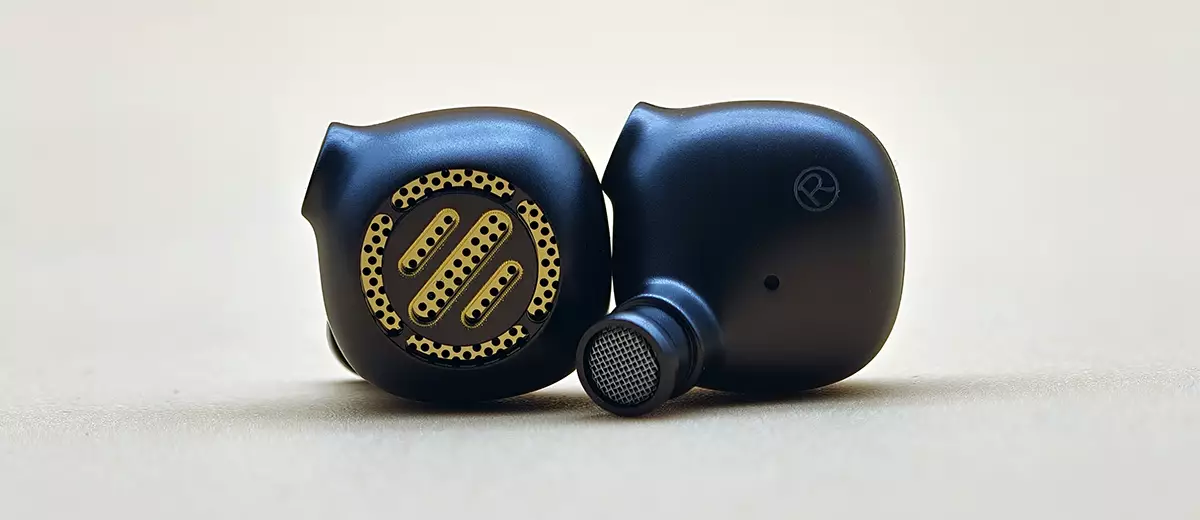
The Shanling MG200 is built around a single 10mm dynamic driver featuring a polymer composite diaphragm. Engineered with a low-distortion flexible suspension system, the driver is rated at 16Ω impedance and 112 dB/mW sensitivity. However, the defining characteristic of this unit is the "Star-Orbit" open-back acoustic rear chamber.
Unlike standard IEMs that utilize sealed cavities to manipulate air pressure and bass response, the MG200 allows rear sound waves to disperse externally. To prevent the inevitable loss of low-end control associated with open-back designs, Shanling has employed a dual magnetic circuit and dual-chamber internal structure, utilizing N52 magnets and a pure copper voice coil. This sophisticated internal architecture aims to maintain structural integrity and driver control, boasting a total harmonic distortion (THD) of less than 0.05%.

Chronology: The Evolution of the MG Line
Shanling’s "MG" series has served as a sandbox for the company’s acoustic engineers. The progression of this line reflects a clear, iterative process:
- The Foundation (MG100/MG600): These early iterations established the brand’s signature house sound—neutral-leaning with a focus on instrument separation.
- The High-End Shift (MG800): With the flagship MG800, Shanling proved they could handle premium materials and complex driver configurations, cementing their place in the enthusiast market.
- The Current Innovation (MG200): Launched in mid-2026, the MG200 represents the most radical departure from the norm. By moving toward an open-back design, the company is attempting to solve the "in-ear claustrophobia" that affects even high-end monitors, signaling a move toward a more "speaker-like" presentation.
Supporting Data: Design and Technical Performance
Industrial Aesthetics and Ergonomics
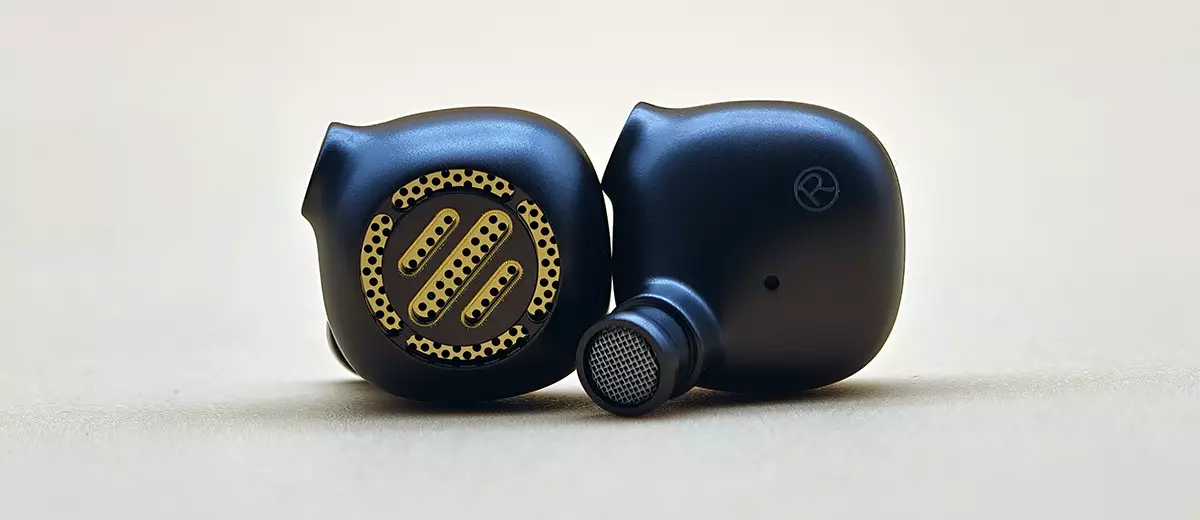
The MG200 defies the current trend of ornate, resin-heavy shells. Instead, it opts for a matte black, pebble-like metal chassis that feels professional and industrial. The centerpiece is the circular open-back grille on the faceplate—a gold and silver, three-slot vent that serves as both a functional acoustic portal and a visual statement.

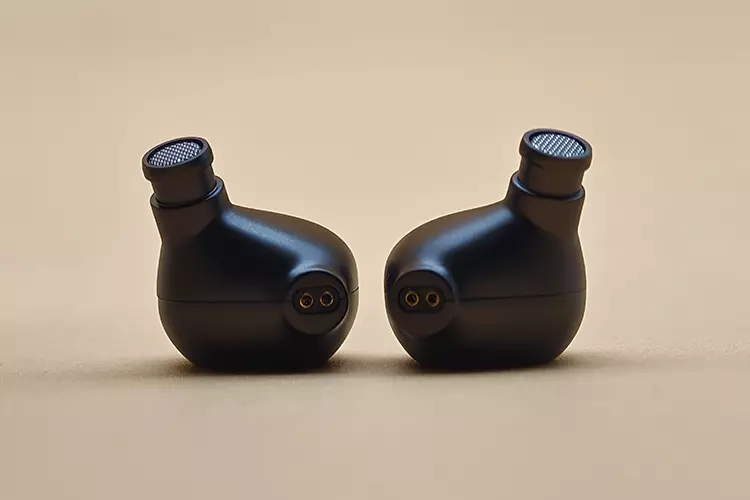
Comfort is a standout feature. The lightweight, ergonomic shape allows for deep insertion with minimal protrusion, making it suitable for long-form listening sessions. However, the design necessitates a trade-off: the open-back structure means that isolation is significantly lower than that of standard closed IEMs. In noisy environments like public transit, the MG200 struggles to block ambient noise, making it better suited for home or quiet office environments.
The Ear Tip Ecosystem
Shanling includes a surprisingly well-tuned array of ear tips, each providing distinct sonic variations:

- Default Translucent White: Offers the highest detail and bass energy but can induce sibilance.
- Balanced Tips: The "safe" choice, smoothing out treble peaks at the cost of some micro-detail.
- Soundstage Tips: The clear winner of the bunch, improving imaging and horizontal panning without the harshness of the default set.
Cable Construction
The modular cable is a highlight of the package, featuring a cloth-sleeved lower section with gold flecks and a flexible, braided upper section. While the 4.4mm balanced termination is high-quality, it is a notable omission that the 3.5mm plug is missing from the stock package, especially given the modular design.
Performance Analysis: Sound Signature
Bass Response
Initial concerns that the open-back design would result in anemic, thin bass were quickly dispelled. The MG200 delivers a surprisingly punchy and well-defined low end. The sub-bass provides a satisfying rumble, while the mid-bass offers a tactile, "boomy" quality that adds life to percussive tracks without bleeding into the midrange. It is a controlled, agile performance that demonstrates the efficacy of the dual-chamber design.
Midrange and Vocals
The midrange is arguably the most polarized aspect of the MG200. It is forward-leaning, bringing vocalists into an intimate, immediate space. The level of nuance captured—from the intake of a singer’s breath to the subtle grit of a guitar string—is commendable. However, those sensitive to vocal sharpness or brightness may find the tuning aggressive, particularly on tracks with less-than-perfect production.
Treble and Air
This is where the MG200 truly separates itself from the competition. It is arguably the airiest single dynamic driver IEM on the market. While the extension isn’t world-class, the sense of "space" around instruments is unparalleled at this price point. It avoids the metallic, "tizzy" treble often found in budget multi-driver setups, opting instead for a natural, open decay.

Soundstage and Imaging
The open-back structure pays dividends in staging. The width is expansive, and the imaging is precise. Whether it’s a complex orchestral piece or a minimalist acoustic track, the MG200 handles panning with ease. The soundstage feels less like it’s inside your head and more like it’s being projected just outside the ear canal, creating an immersive experience that is rare for an IEM.
Official Responses and Market Positioning
Shanling’s marketing of the MG200 has been consistent in emphasizing the "Star-Orbit" acoustic technology. In various forums and press releases, the company has highlighted that the MG200 is not meant to replace the isolation-heavy monitors in their lineup, but to offer a "hi-fi experience for the open-back enthusiast."

Market analysts have positioned the MG200 against heavyweights like the MOONDROP Kadenz and the SIMGOT SuperMix 5. While those competitors offer excellent technical performance, the MG200 holds a unique USP (Unique Selling Proposition) as the "open-back specialist." It is clearly aimed at the listener who values natural soundstage and air over noise isolation.
Implications: The Future of Open-Back IEMs
The release of the Shanling MG200 suggests a shift in the portable audio industry. For years, the goal was to create the perfect seal to isolate the listener from the world. With the MG200, Shanling is proposing that the future of high-fidelity in-ear listening may lie in "de-isolating" the driver.

The implications are twofold:
- For Engineers: This proves that the trade-offs of open-back designs (loss of bass, lack of isolation) can be mitigated through sophisticated chamber design and magnet geometry. We should expect to see more "semi-open" or "fully-open" IEMs from competitors in the coming years.
- For Consumers: The MG200 creates a new category of "portable open-back" listening. It is a specialized tool. It is not for the subway commuter, but for the audiophile who wants the "open-back" sensation of a Sennheiser HD600 but in a form factor that fits in a pocket.
Conclusion
The Shanling MG200 is a bold, purposeful piece of audio equipment. While it has minor flaws—notably the lack of a 3.5mm plug and the inherent lack of isolation—it succeeds in its primary mission: providing an airy, wide, and natural sound that challenges the limitations of the single dynamic driver. For those who prioritize staging and detail over absolute silence, the MG200 is one of the most interesting and enjoyable releases in its price bracket. It is a testament to the fact that when it comes to audio, sometimes it pays to let a little air in.