July 8, 2026 — As the artificial intelligence sector shifts its focus from purely digital large language models (LLMs) to the complex, unpredictable environment of the physical world, a new critical bottleneck has emerged: the data layer. Today, Tuxera, a global leader in data storage and mission-critical software, announced a strategic pivot designed to provide the bedrock for the next generation of intelligent machines.
By leveraging nearly two decades of expertise in embedded file systems and flash management, Tuxera is positioning itself as the architect of the "Physical AI Data Layer." This initiative aims to address the fundamental reliability challenges faced by manufacturers in the burgeoning $430 billion Physical AI market, as forecasted by Strategy& (PwC) for 2026.
The New Frontier: What is Physical AI?
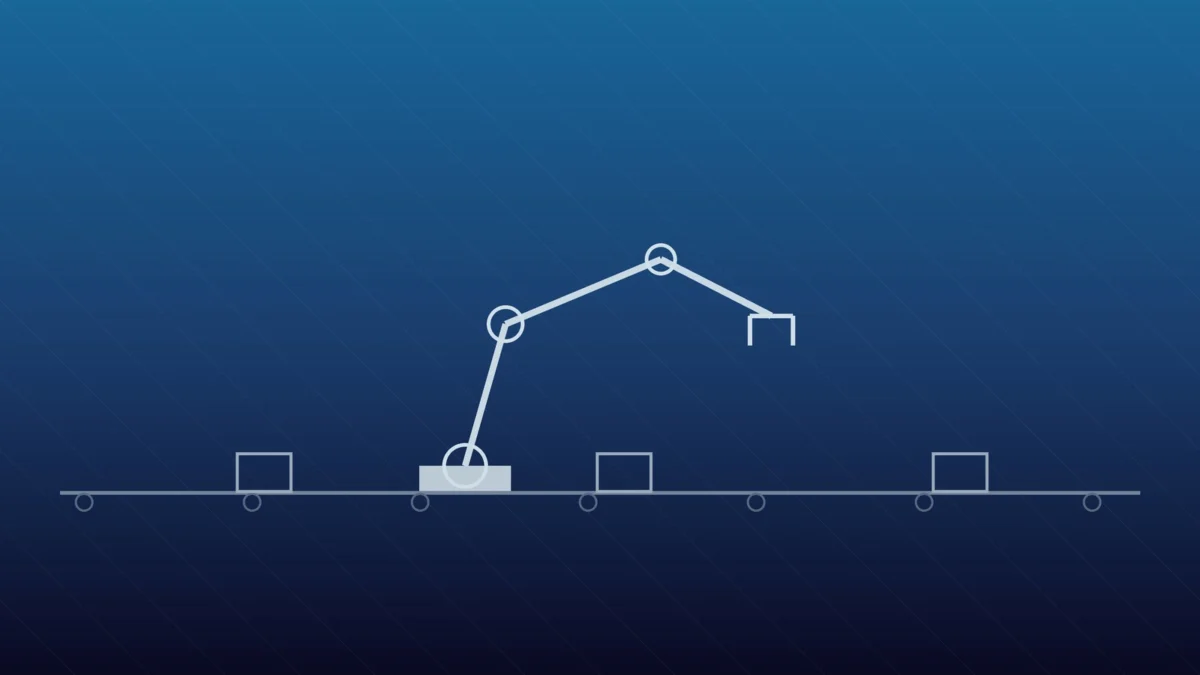
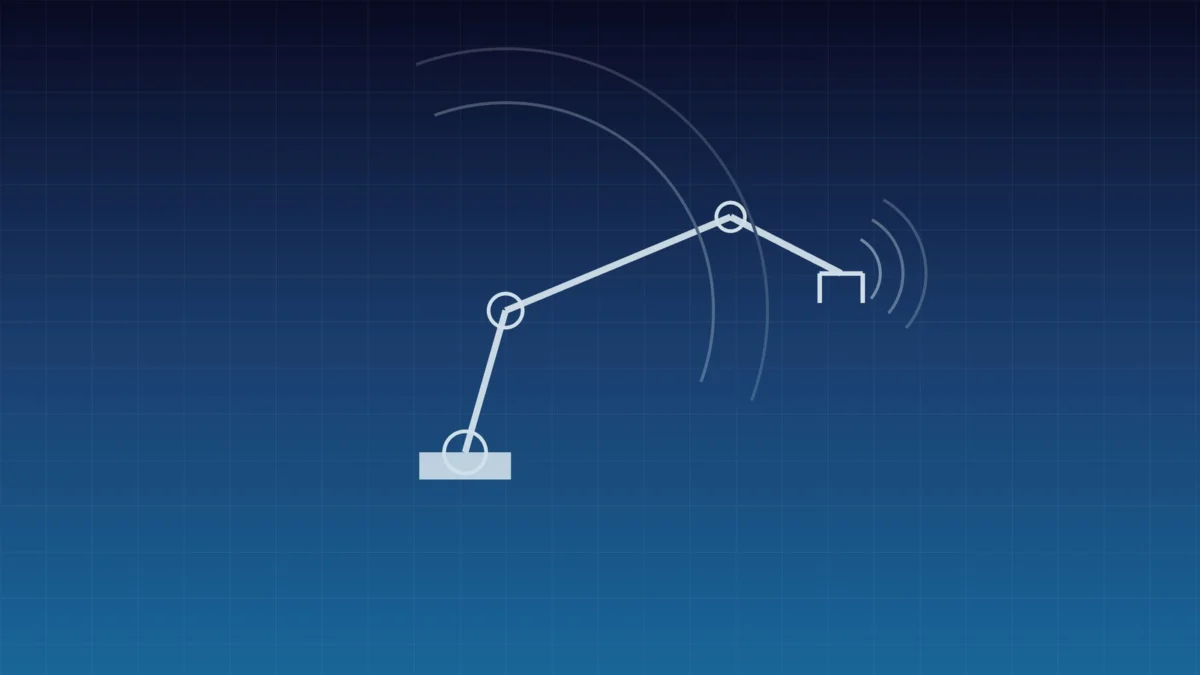
While much of the public conversation around AI has centered on generative models and text-based interfaces, the true industrial frontier lies in "Physical AI." This term encompasses systems that move beyond digital computation to perceive, reason, and act within the real world.
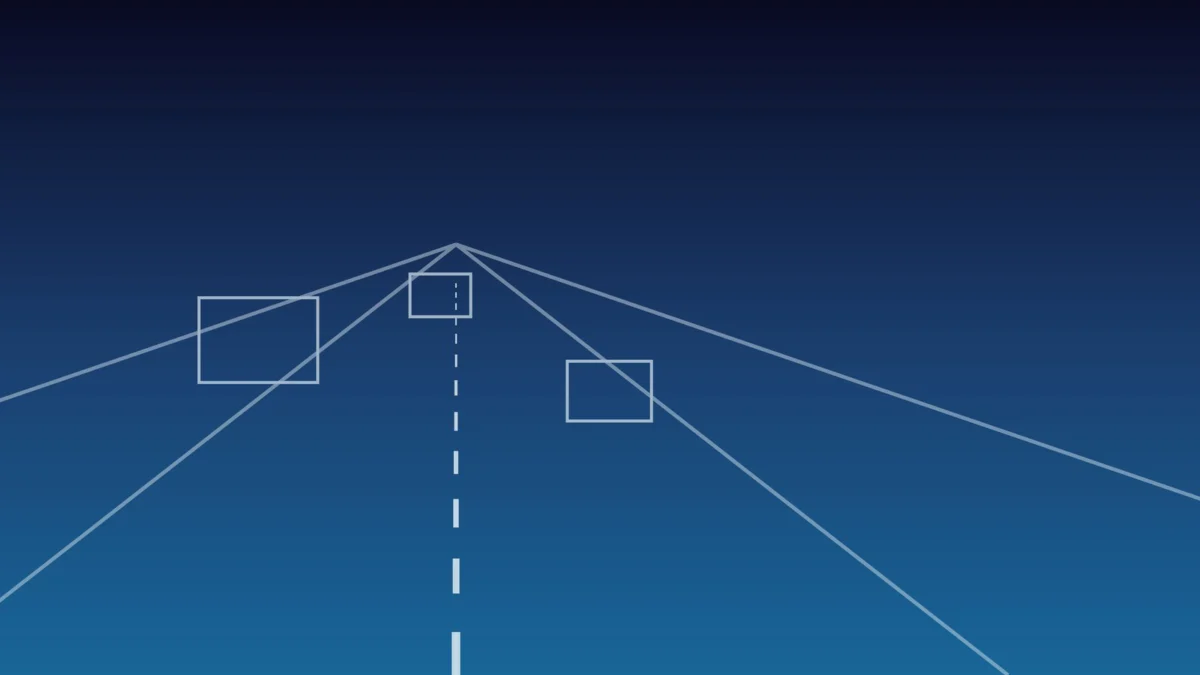
From autonomous vehicles navigating dense urban traffic and robotic arms performing precision surgery to smart industrial sensors managing critical infrastructure, these machines operate in environments where latency, data integrity, and system uptime are matters of life and death. Unlike a chatbot that can afford a hallucination, a physical AI system must interact with real-world variables—temperature, vibration, connectivity drops, and power fluctuations—without failure.
Tuxera’s intervention comes at a pivotal moment. As these intelligent machines proliferate, the demand for a resilient, high-performance data infrastructure has become the primary barrier to mass adoption.
Chronology: Two Decades of Data Stewardship
Tuxera’s evolution into a Physical AI powerhouse is not a sudden pivot, but rather the culmination of twenty years of engineering in the trenches of mission-critical computing.
- 2006–2015: The Foundation. Tuxera built its reputation by solving the most persistent problems in data storage, particularly in the realm of embedded file systems. During this period, the company established itself as the go-to provider for ensuring that data remained consistent and accessible, even in consumer electronics that were often subjected to abrupt power loss and hardware failure.
- 2016–2023: Scaling to the Edge. As the Internet of Things (IoT) began to emerge, Tuxera expanded its portfolio. Their technologies were integrated into automotive infotainment systems, industrial automation, and cloud infrastructure, reaching over 500 million devices worldwide.
- 2024–2025: The AI Awakening. With the rise of edge-based AI, the company observed a recurring pattern: engineers were struggling to ensure that the massive streams of sensor data required for AI inference were being stored and moved reliably.
- July 2026: The Physical AI Data Layer Strategy. Today’s announcement formalizes a long-term roadmap. The company is now pivoting its core competencies—flash management, networking, and safety-certified software—into a unified "Physical AI Data Layer" strategy.
Supporting Data: Why the Data Layer Matters
The scale of the Physical AI transition is monumental. According to the latest data from Strategy& (PwC), the Physical AI market is projected to reach $430 billion. However, this growth is contingent on solving the "Reliability Gap."
Current hardware architectures were often designed for static data consumption. Physical AI, conversely, involves a constant, high-frequency "churn" of data. Sensors are constantly writing, overwriting, and transmitting data in real-time. If the underlying data layer is not optimized, systems face three primary risks:
- Data Corruption: Inaccurate data leads to flawed AI inference, which in a physical context can lead to catastrophic failure.
- Latency Spikes: AI systems require real-time processing. If data retrieval from the storage layer is inconsistent, the machine’s "reaction time" increases, rendering it unsafe.
- Hardware Fatigue: Excessive write cycles in flash memory can lead to premature device failure. Tuxera’s flash management software is specifically designed to extend the lifespan of hardware in these high-stress environments.
Tuxera’s technology is currently embedded in over 500 million devices, providing a massive, battle-tested dataset that proves the reliability of their approach. From spacecraft navigating the vacuum of space to software-defined vehicles navigating the chaotic streets of modern cities, the company’s software has already proven its resilience in environments where maintenance is impossible or prohibitively expensive.
Official Responses: A Strategic Vision
Steffan Schumacher, CEO of Tuxera, frames the announcement not as an upgrade to existing tools, but as a fundamental shift in how engineers approach machine intelligence.
"The AI industry has made extraordinary progress in models and compute power," Schumacher stated. "But physical AI introduces a new challenge that has so far received far less attention: the data layer. Every intelligent machine will depend on data that is complete, consistent, and available exactly when it’s needed."
Schumacher emphasized that the company’s history serves as its greatest asset. "We’ve been helping customers solve those challenges in mission-critical environments for nearly two decades. By aligning that expertise to physical AI, we’re helping manufacturers create systems that perform predictably in the real world."
For the engineering teams at major OEMs, this represents a shift in focus. By utilizing Tuxera’s suite, teams can offload the burden of data reliability, flash management, and safety certification to the software layer. This allows them to spend less time troubleshooting low-level system crashes and more time iterating on the AI models themselves.
Implications for the Future
The implications of Tuxera’s strategy are twofold: one for the immediate industry landscape, and one for the long-term safety of autonomous systems.
Reducing Engineering Complexity
Modern intelligent systems are incredibly complex. By providing a "horizontal" layer that handles data, Tuxera simplifies the integration of hardware and software. This is particularly vital for industries that are heavily regulated, such as medical devices or automotive sectors, where safety certification is non-negotiable. Tuxera’s commitment to safety-certifiable software ensures that manufacturers can deploy AI without fear of regulatory roadblocks due to data failure.
Accelerating Innovation
By ensuring predictable system behavior, Tuxera is removing the "fear factor" from AI deployment. When a manufacturer knows that their system’s data layer is resilient, they can push the boundaries of what their machines can do. Whether it is a more complex navigation model in a vehicle or more granular diagnostic tools in a hospital setting, the reliability of the data layer provides the necessary "cushion" for innovation.
Looking Ahead
Today’s announcement is only the first step in a broader long-term strategy. Tuxera has indicated that it will be rolling out several new innovations later this year, designed specifically to further simplify the deployment of physical AI.
As we move toward a future where our cities, vehicles, and homes are populated by intelligent, autonomous agents, the invisible architecture supporting them—the software that ensures data is safe, accurate, and available—will become the most valuable asset in the tech stack. With this latest strategy, Tuxera is positioning itself to be the gatekeeper of that intelligence, ensuring that when machines act, they do so with the confidence of reliable data.
For engineers and manufacturers currently grappling with the challenges of bringing AI into the physical world, Tuxera’s roadmap offers a clear path: build on a foundation of reliability, and the rest of the innovation will follow.