In the rapidly evolving landscape of portable high-fidelity audio, the "dongle DAC" has become the primary gateway for smartphone users looking to transcend the limitations of onboard audio. iFi Audio, a brand long synonymous with desktop-grade performance in compact chassis, has refreshed its entry-level offering with the GO link 2. Positioned at a highly competitive $59.00 USD, this device aims to bring dual-ESS architecture and improved soundstage dynamics to the masses. However, as the market becomes saturated with affordable, high-performing alternatives, does the GO link 2 provide enough innovation to maintain iFi’s reputation for excellence?
Main Facts: A Dual-DAC Refresh
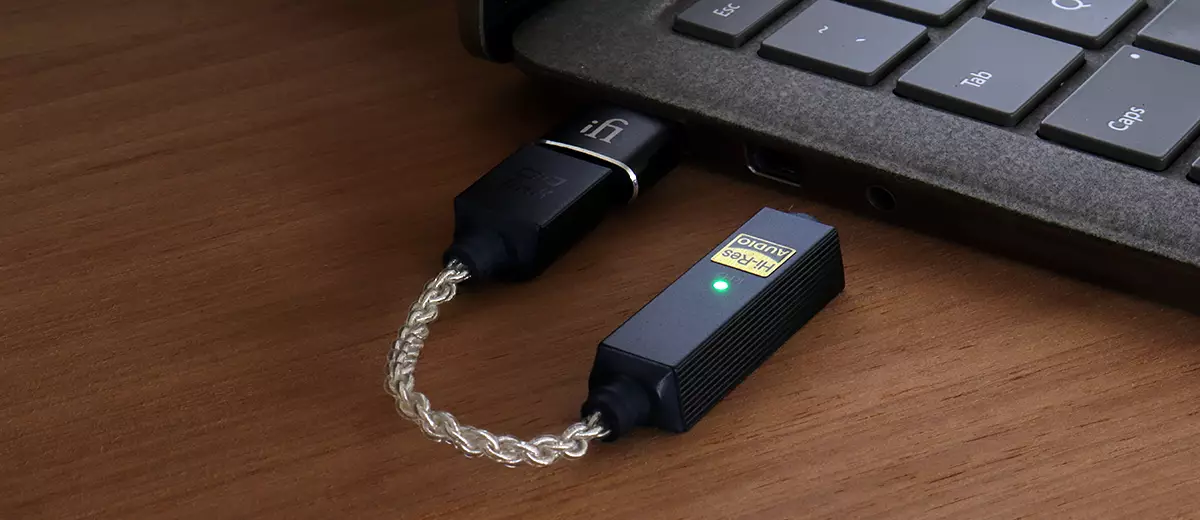
The iFi Audio GO link 2 arrives as a direct successor to the original GO link, carrying a design philosophy that prioritizes portability and "plug-and-play" simplicity. Internally, iFi has pivoted to a dual ESS Sabre configuration, though the company has remained tight-lipped regarding the specific chip model.
Key specifications include:
- DAC Architecture: Dual ESS Sabre (model unspecified).
- Output Power: 79mW @ 32Ω (a marginal increase from the original’s 70mW).
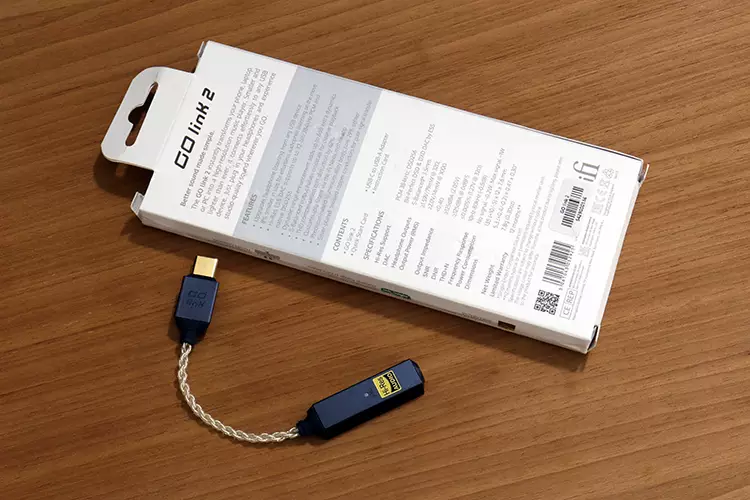
- Supported Formats: PCM up to 384kHz, DSD256, and DXD; MQA support has been omitted from this generation.
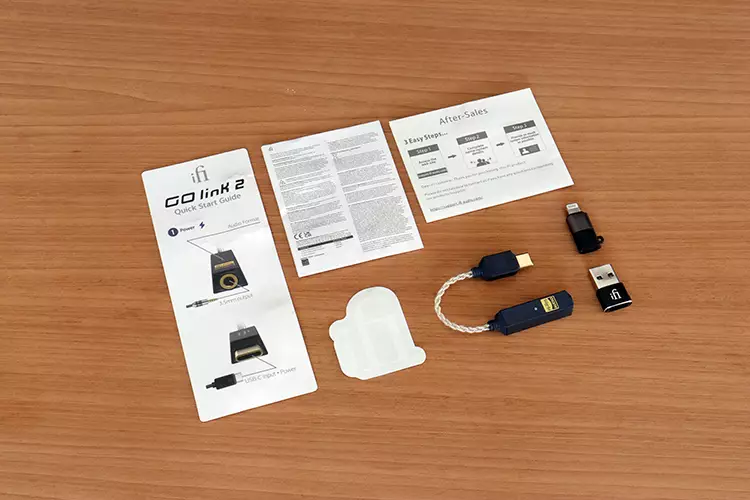
- Connectivity: USB-C interface with included Lightning and USB-A adapters.
- Topology: S-Balanced 3.5mm output.
While the power output remains modest—hardly a departure from the "entry-level" constraints of its predecessor—the device focuses on low-noise performance and sonic transparency.
Chronology and Development
The trajectory of iFi’s "GO" series has been one of refining the mobile user experience. The original GO link was a market disruptor, offering a reliable, neutral sound signature for a modest price. With the GO link 2, the development team appears to have focused on three specific pillars: reducing the physical footprint, enhancing channel separation through S-Balanced circuitry, and streamlining the digital-to-analog conversion process by moving away from MQA decoding—a reflection of the industry’s current shift toward high-resolution FLAC and DSD streaming.
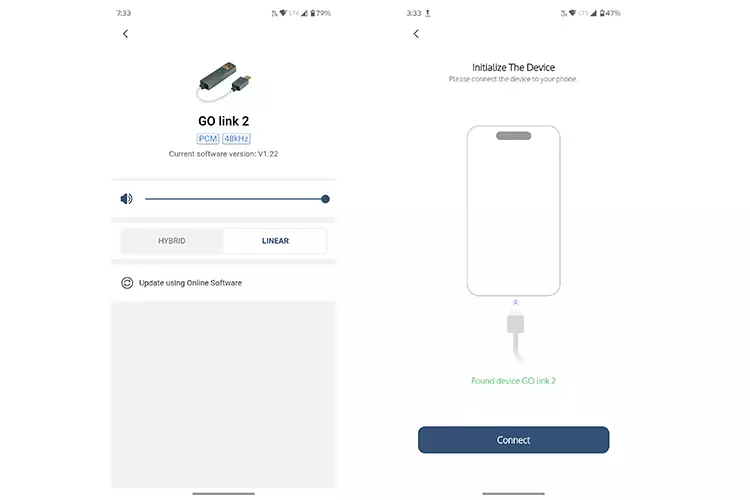
The design phase also incorporated the integration of the "iFi Nexis" app. While the app is technically compatible with the device, early testing reveals a software ecosystem that is currently in its infancy, offering limited functionality beyond filter toggles and firmware potential.

Supporting Data: Performance and Technical Analysis
Sound Signature: Neutrality Meets Dynamics
The GO link 2 presents a sound profile that is unapologetically neutral. It eschews the "warmth" often associated with older iFi Burr-Brown implementations, opting instead for the surgical precision of ESS architecture.
During testing, the device demonstrated a surprisingly expansive soundstage. In tracks with complex layering, the GO link 2 maintains a clean, dark background, allowing for pinpoint imaging. However, the technical limitations of the power output become apparent when paired with anything other than highly efficient In-Ear Monitors (IEMs). While the midrange is assertive and smooth, the bass extension—specifically below 20Hz—seems to hit a hard ceiling, suggesting that the device’s power reserves are best utilized for sensitive gear rather than planar-magnetic or high-impedance headphones.
The Power Dilemma
At 79mW into 32Ω, the GO link 2 is not a powerhouse. In direct comparisons with competitors like the Shanling UA1 Plus, the iFi unit offers a more refined, "airy" presentation, but it lacks the visceral "slam" and dynamic headroom found in higher-tier dongles. For the average commuter using high-sensitivity IEMs, this is sufficient; for those seeking to drive demanding full-sized headphones, the unit will likely fall short.
Official Responses and Firmware Context
A point of contention during the evaluation of the GO link 2 has been the functionality of the iFi Nexis app. Currently, the app allows for two filter modes—linear and hybrid—yet a third "bypass" mode, mentioned in the documentation, remains inaccessible.
Official guidance suggests that the device is designed to be a "set and forget" unit. The lack of persistent volume memory in the app—which resets upon disconnection—indicates that iFi intends for users to manage gain via their primary source device. While this simplifies the signal chain, it necessitates caution to avoid accidental volume spikes when connecting to high-gain sources.
Design and Build: A Study in Portability
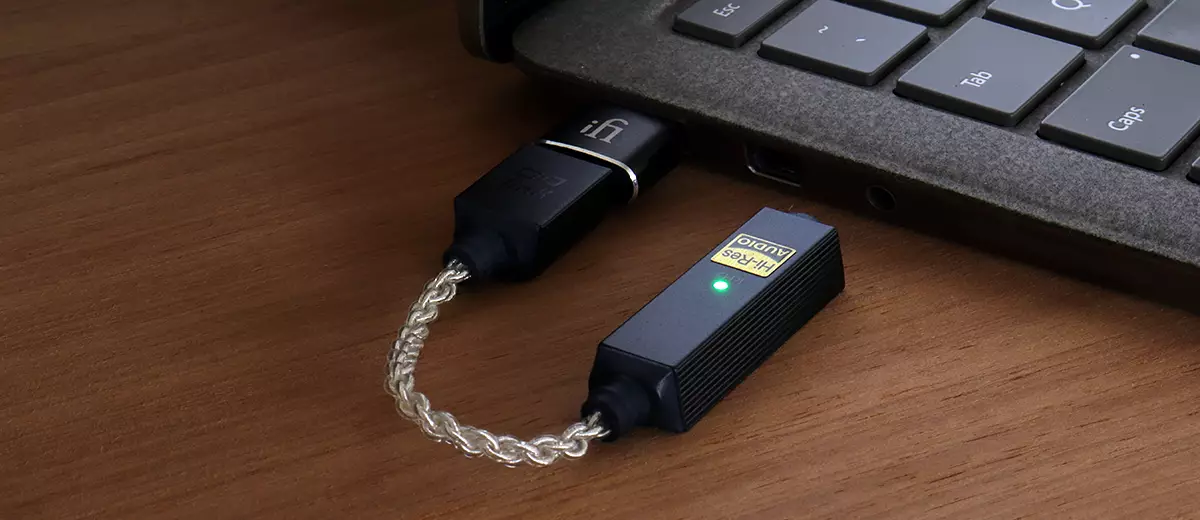
The build quality of the GO link 2 is a testament to the "less is more" philosophy. Comprised of a precision-milled aluminum alloy, the unit is incredibly lightweight. The use of a braided, transparent, non-removable cable reveals the internal silver-plated strands, a stylistic choice that feels premium.
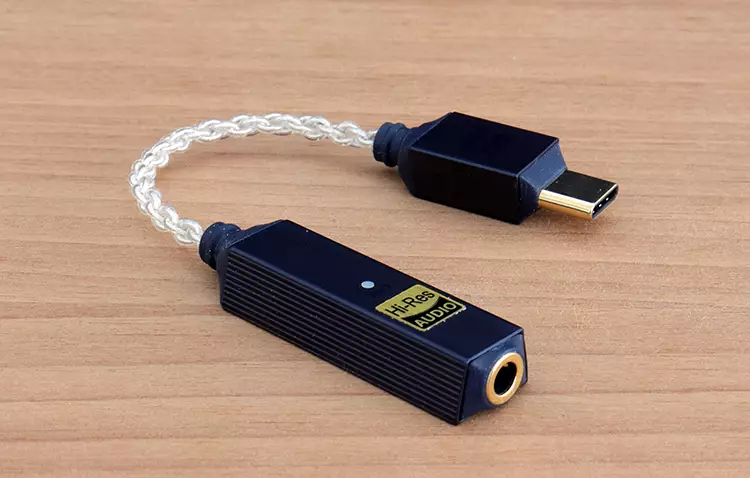
However, the strain reliefs remain a concern. They are notably small and, given that the cable is non-removable, they represent the single most vulnerable point of the device. If the cable fails, the entire unit becomes e-waste. Additionally, the decision to stick with a 3.5mm S-Balanced connector rather than a 4.4mm balanced port is a polarizing choice. While S-Balanced technology does effectively reduce crosstalk for standard TRS headphones, many enthusiasts in 2024 have already standardized their collections around 4.4mm balanced cables.
The Competitive Landscape
The budget dongle market is a battlefield. The GO link 2 faces stiff competition from the likes of:
- Shanling UA1 Plus: Often cited for its superior power efficiency and slightly more "musical" tuning.
- SMSL D10: A formidable rival that often boasts higher specs on paper for a similar price point.
The iFi GO link 2’s unique selling proposition is its "clean" noise floor and the brand’s long-standing reputation for customer support and reliability. For the user who prioritizes a non-fatiguing, accurate sound over raw power, the iFi holds its ground.
Implications for the Future of Mobile Audio
The release of the GO link 2 signals a broader industry trend: the "democratization of fidelity." We are moving toward a reality where $60 can purchase a DAC that outperforms the built-in outputs of even the most expensive smartphones by a significant margin.
However, the "subpar" packaging and the limited utility of the companion app suggest that iFi is still finding its footing in the software-defined era of audio hardware. The future of these devices will likely not be determined by DAC chip specifications, but by the sophistication of the accompanying software and the longevity of the physical hardware.
Final Verdict
The iFi Audio GO link 2 is an excellent choice for the audiophile on the go who values a neutral, wide soundstage and low noise floor. It is a refinement of the original, not a total revolution. While it suffers from limited power output and a lackluster unboxing experience, its core function—the conversion of digital data into a clean, balanced analog signal—is performed with the grace and technical competence one expects from the iFi name.
Pros:
- Exceptional soundstage imaging and low noise floor.
- Highly portable, lightweight design.
- Excellent compatibility with included adapters (Lightning/USB-A).
- Transparent, neutral sound signature.
Cons:
- Limited power output restricts use to efficient IEMs.
- Non-removable cable creates a single point of failure.
- Companion app functionality remains underdeveloped.
- Packaging materials feel premium-adjacent at best.
As it stands, the GO link 2 is a solid, reliable, and "pocket-friendly" performer. It represents a safe, high-quality entry point for those looking to upgrade their mobile audio experience, provided they manage their expectations regarding power and software features.