In the contemporary landscape of ministry, a church is far more than a physical structure; it is a dynamic community hub that must cater to the diverse needs of individuals across all generations. From the profound silence required for contemplative prayer to the high-energy output of youth groups and the bustling activity of community fellowship, churches are multipurpose ecosystems. Yet, a recurring oversight in church design and renovation is the tendency to prioritize the sanctuary while neglecting the acoustic health of the rest of the facility.
To foster a truly inclusive and engaging environment, church leadership must recognize that effective acoustic control is not a one-size-fits-all endeavor. It is a nuanced discipline that requires tailoring solutions to the specific function, architecture, and atmosphere of every room within the building.
The Evolution of Acoustic Awareness: A Chronology of Church Design
The history of church architecture has long been defined by acoustics. Traditionally, the grand cathedrals of Europe were designed with massive stone walls and high vaulted ceilings, intentionally creating long reverberation times to amplify Gregorian chants and choral music. For centuries, this "live" sound was the hallmark of sacred space.
However, the 20th and 21st centuries introduced a seismic shift in how congregants interact with their worship space.
- The Early 20th Century: Focus shifted toward speech intelligibility as sermons became more central to the Protestant tradition.
- The Mid-Century Modern Era: The introduction of amplified sound systems and contemporary music styles created a conflict with traditional architectural designs, which often resulted in "muddy" sound, where lyrics and messages were lost in the echo of reflective surfaces.
- The Current Era: We are now in a period of "Acoustic Integration," where designers, pastors, and audio engineers collaborate to balance the aesthetic beauty of a room with the technical requirements of modern multi-media worship. Today, the challenge is not just sound mitigation; it is the strategic management of energy, ensuring that every word spoken—whether by a youth leader in a gymnasium or a minister in a sanctuary—is heard with perfect clarity.
Supporting Data: The Impact of Sound on Engagement
Research in human psychology and congregational behavior suggests that auditory comfort is a primary driver of retention and engagement. If a congregant struggles to hear, the mental fatigue sets in rapidly, leading to physical discomfort and, ultimately, disengagement.
In spaces with poor acoustic treatment, the "Cocktail Party Effect"—where the brain struggles to filter out background noise to focus on a single voice—becomes a significant barrier. In a church setting, this manifests as:
- Increased Anxiety: Particularly for those with sensory processing sensitivities or hearing impairments.
- Reduced Retention: Information communicated during sermons or Bible study is significantly less likely to be retained if the audio environment is harsh or reverberant.
- Community Fragmentation: When gathering areas or lobbies are overly reflective, the resulting "wall of noise" discourages meaningful, quiet conversation, preventing the spontaneous community building that usually happens after a service.
A Room-by-Room Analysis: Identifying the Challenges
Every square foot of a church facility serves a unique purpose, and therefore, faces a unique acoustic hurdle.
1. The Sanctuary: Balancing Reverence and Clarity
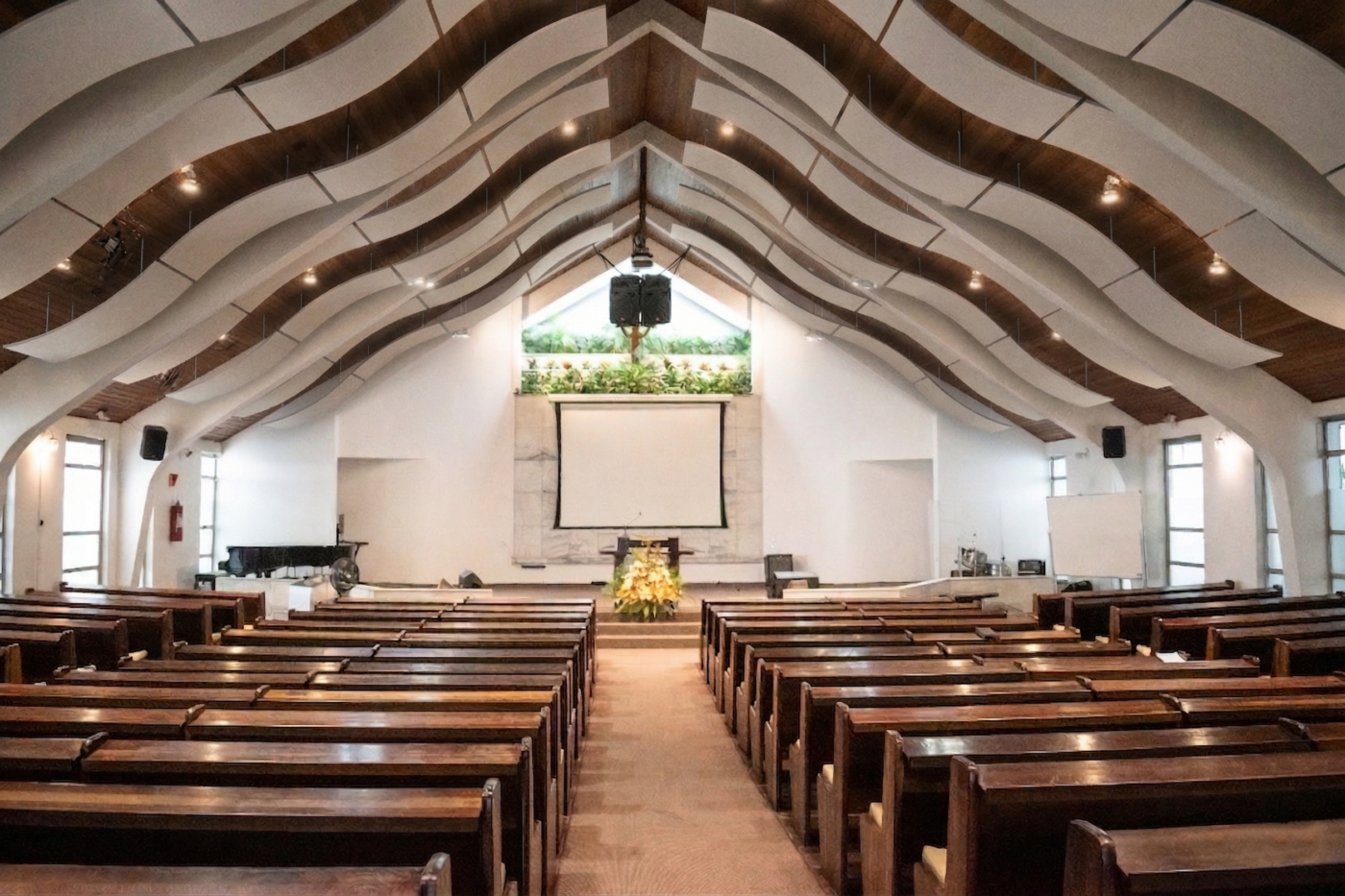
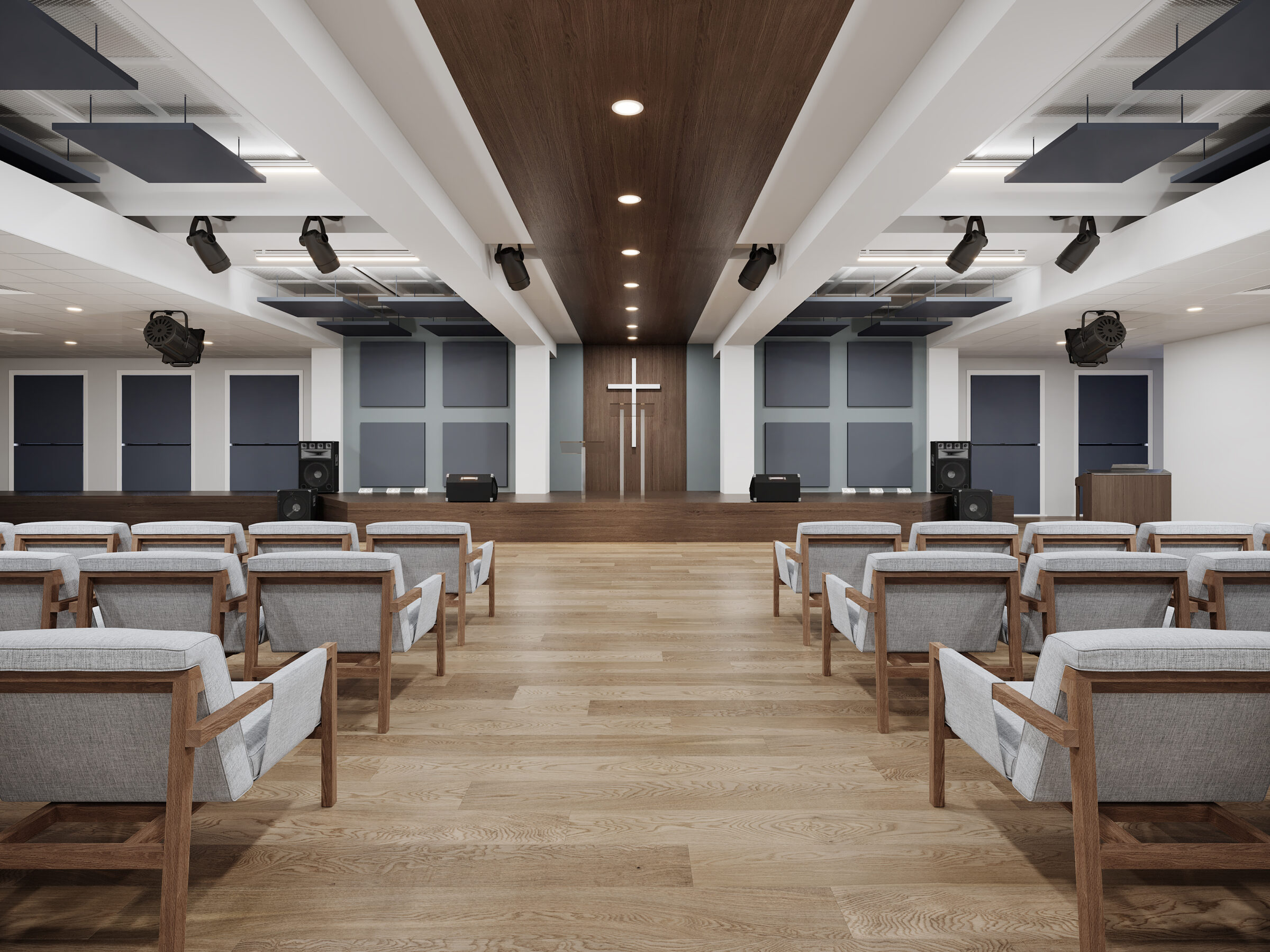
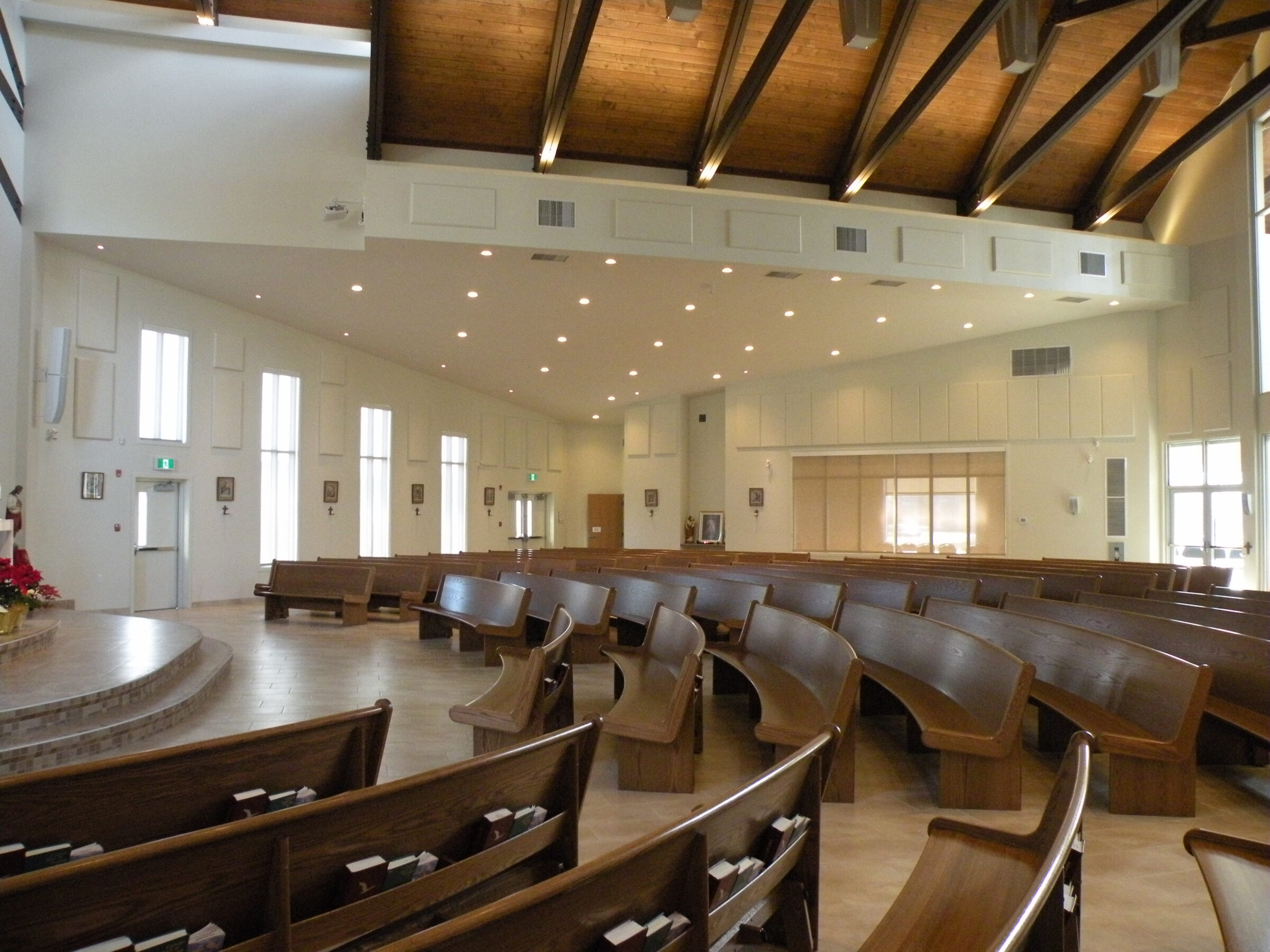
The sanctuary is the crown jewel of the facility, but it is also the most complex. It must support both the soft, intimate whisper of a prayer and the high-decibel energy of a worship band. The goal here is to reduce "slap-back" echoes and excessive reverberation without deadening the room to the point where it feels sterile. Achieving this requires a hybrid approach: strategic placement of absorption panels to clean up the sound, combined with diffusion to maintain the room’s "liveness" and character.
2. Lobbies and Gathering Areas: The Acoustic Buffer
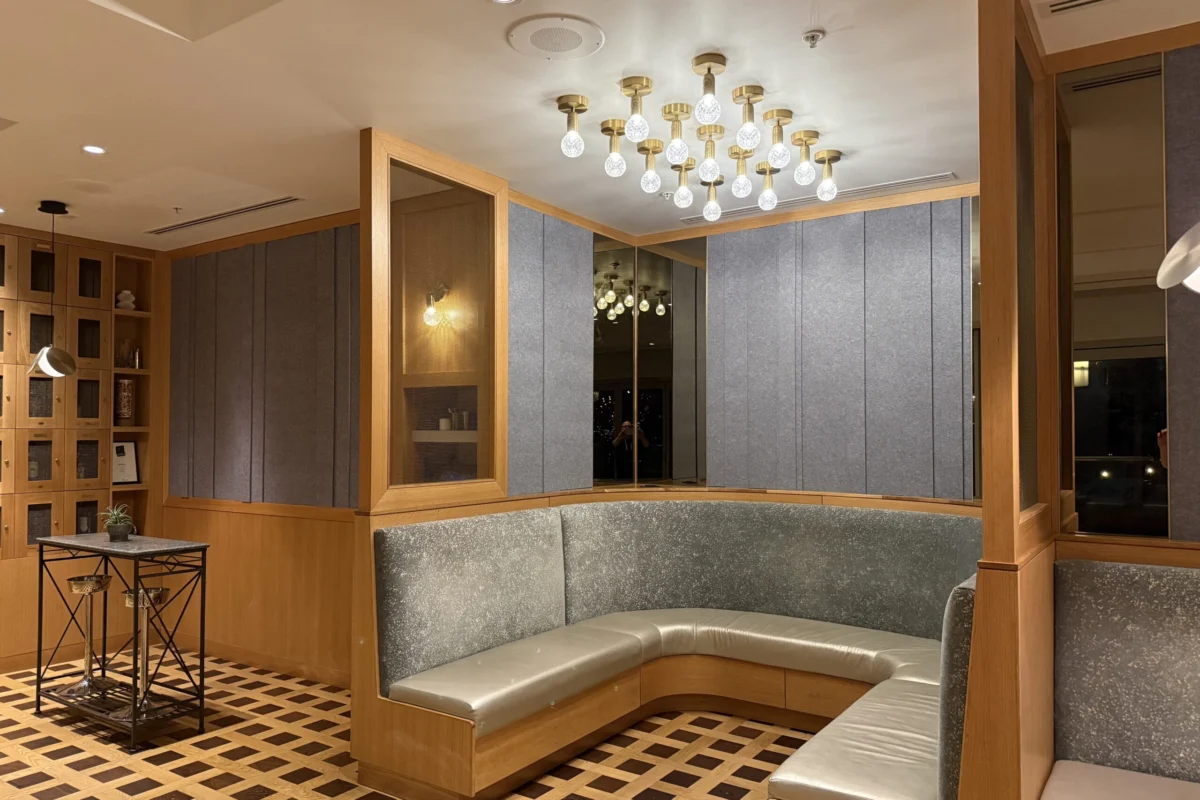
Often overlooked, these spaces are frequently constructed with tile, glass, and concrete—materials that reflect sound rather than absorbing it. As congregants congregate, these surfaces turn simple greetings into a cacophony of noise that spills into the sanctuary. Treating these areas with high-performance acoustic ceiling clouds or wall panels can significantly lower the noise floor, transforming chaotic hallways into welcoming, warm environments.
3. Classrooms and Meeting Rooms: The Precision Environment
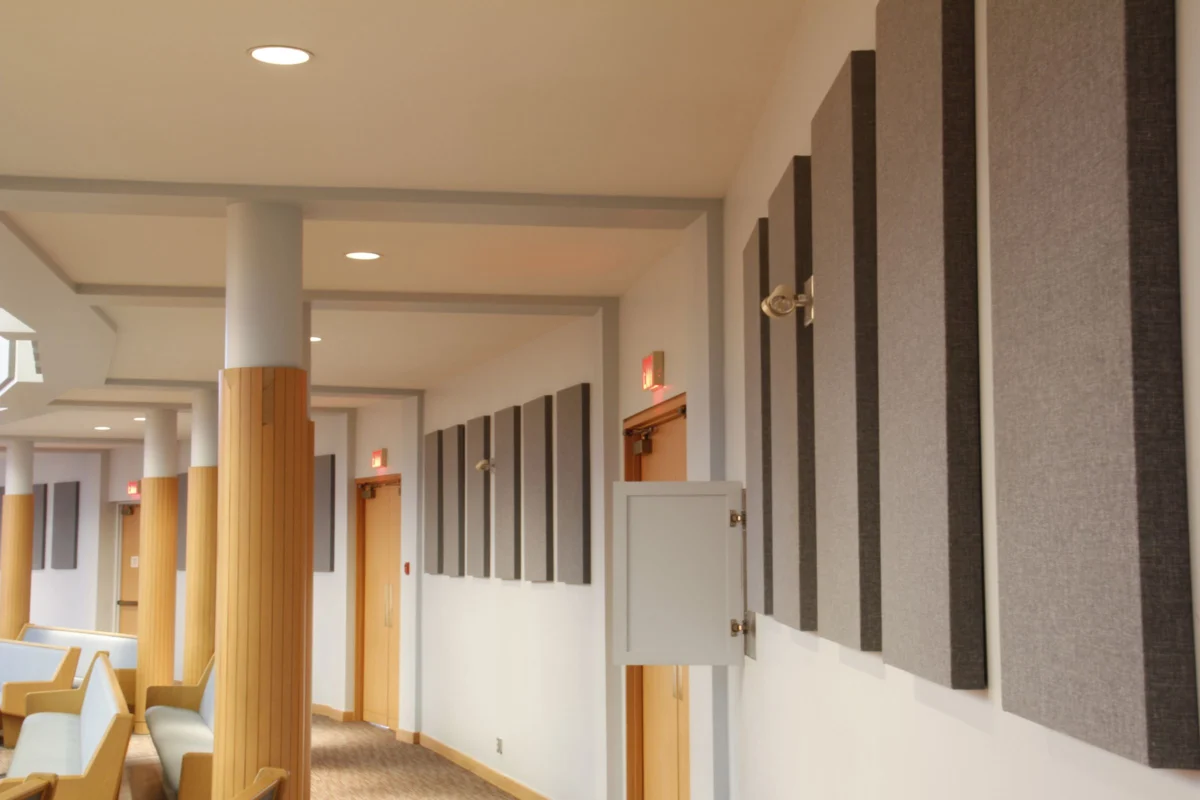
Small, enclosed rooms are susceptible to "standing waves" and "flutter echoes," which can make speech sound unnatural or boxy. In these spaces, the priority is speech intelligibility. Because these rooms are often adjacent to one another, acoustic solutions must also consider sound isolation to ensure that a children’s music class doesn’t disrupt an adult Bible study occurring next door.
4. Multi-Purpose and Youth Spaces: The High-Energy Zone
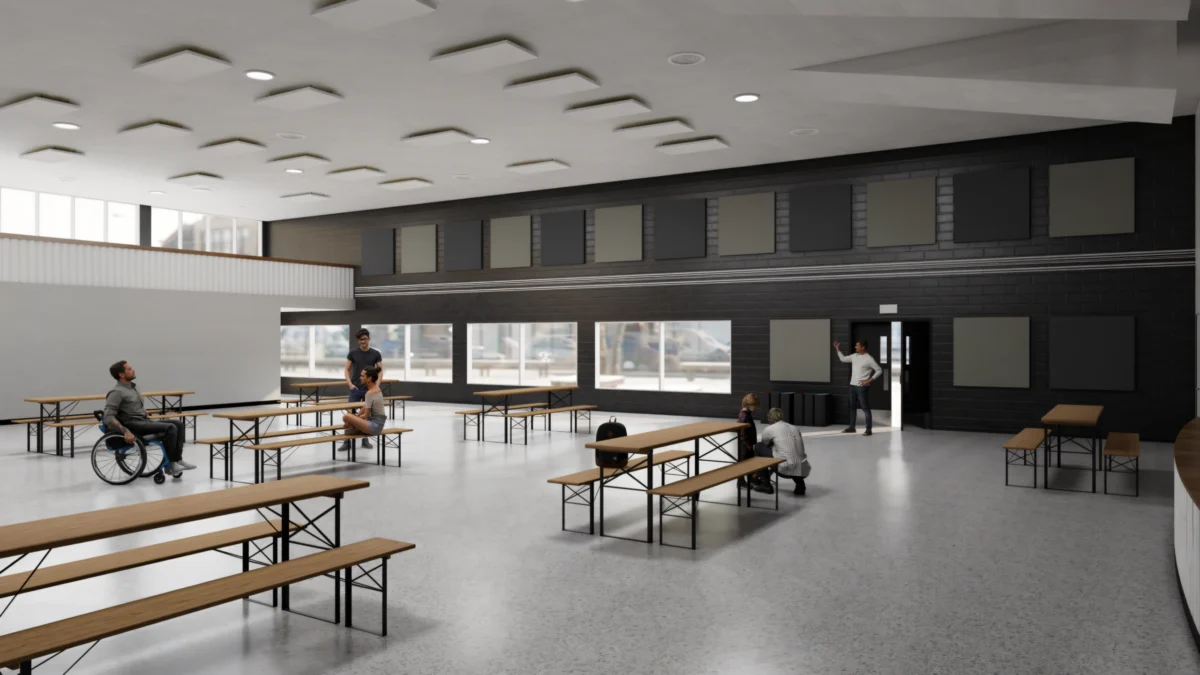
Gymnasiums and youth centers present perhaps the greatest challenge. With high ceilings and hard, flat floors, these spaces are natural "echo chambers." However, because these rooms are used for everything from indoor sports to dance parties and youth worship, the treatment must be durable and versatile. Using industrial-grade, impact-resistant acoustic panels allows these rooms to handle the energy of a youth group while still providing the clarity needed for teaching.
Official Perspectives: The Philosophy of Primacoustic
Industry leaders like Primacoustic have long advocated for a holistic, "whole-church" approach to acoustic design. According to their design philosophy, the most successful projects are those that view sound control as an extension of the room’s architecture.
"We believe that acoustic treatment should never be an afterthought," a spokesperson for the company notes. "By integrating high-performance solutions from the planning stage, churches can ensure that their facility serves the congregation’s needs for decades to come. Our goal is to provide tools that act as ‘invisible’ enhancements—improving the sound quality while respecting the aesthetic vision of the church leadership."
This approach emphasizes that by addressing the specific, shared sonic challenges—such as HVAC noise, large windows, and high ceilings—churches can avoid the "one-size-fits-all" trap. Tailored solutions not only improve the sound but often enhance the visual aesthetics of the space, turning functional acoustic panels into design features that complement the building’s decor.
Implications for Future Growth and Ministry
As churches continue to evolve, the ability to adapt space for multiple uses is becoming a necessity for financial and logistical stability. A church that can host a community town hall on Monday, a youth basketball game on Wednesday, and a high-fidelity worship service on Sunday is a church that is maximizing its stewardship of its resources.
The Long-Term Benefits of Strategic Treatment:
- Operational Versatility: With the right acoustic control, a single room can transition between diverse functions without requiring expensive structural renovations.
- Inclusivity: Improved sound clarity is a ministry of hospitality. By ensuring that elderly members with hearing aids and young children with sensory needs can comfortably participate, the church becomes a more welcoming space for all.
- Asset Longevity: Investing in professional-grade, durable acoustic materials protects the facility from the wear-and-tear of heavy use and keeps the building relevant for future generations.
Conclusion: Crafting the Environment for Connection
The "whole church" experience is not just about the message preached from the pulpit; it is about the entirety of the environment in which that message is received. When a church invests in its acoustic infrastructure, it is investing in the quality of the relationships formed within its walls.
From the first interaction in the lobby to the final song in the sanctuary, sound is the medium through which community is built. By recognizing the unique acoustic requirements of every room and deploying professional, tailored solutions, church leaders can ensure their facilities are not just structures, but vibrant, clear, and welcoming homes for their congregations. Whether through studio-grade wall panels, sustainable PET treatments, or custom-designed aesthetic pieces, the path to a better-sounding church is clear: treat the space with the same care and intentionality as the ministry that takes place within it.