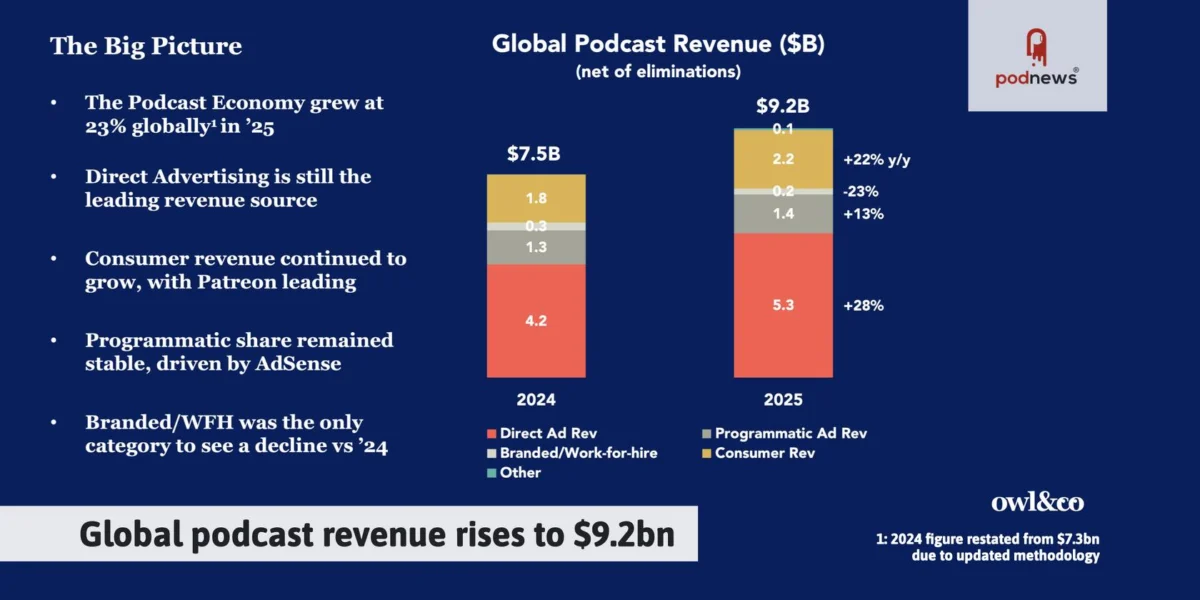
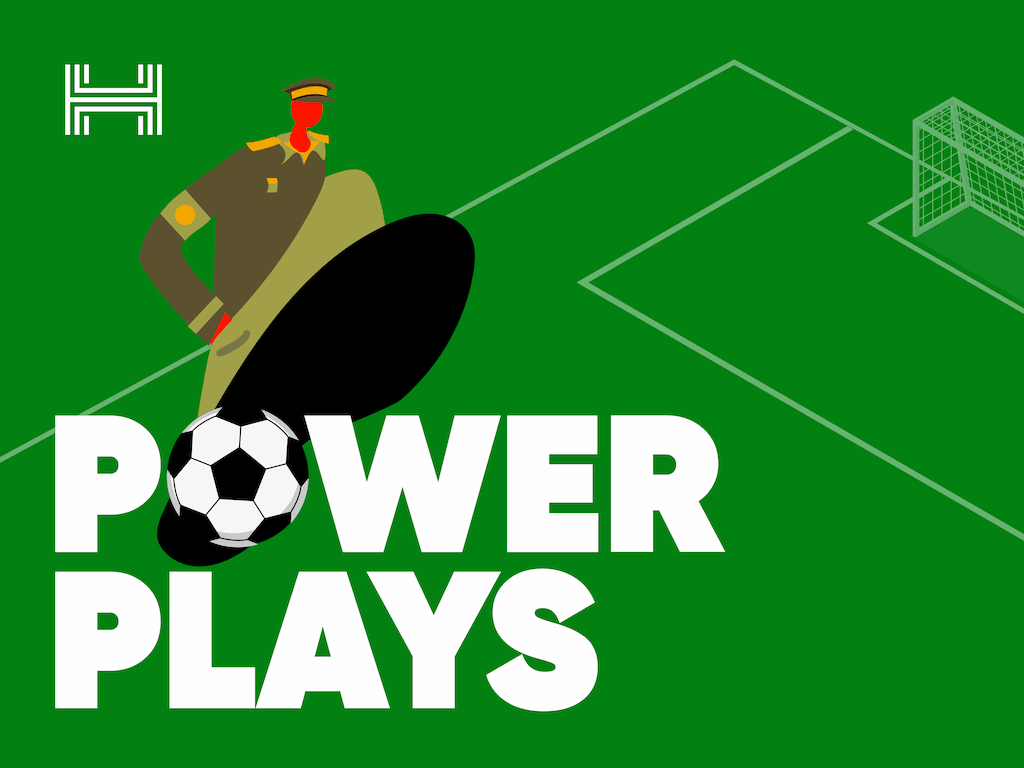
As the global podcast industry reaches a staggering $9.2 billion valuation, the medium is increasingly being used as a critical tool for investigative journalism to peel back the layers of international power dynamics. At the center of this trend is Power Plays, a gripping new investigative podcast from the Human Rights Foundation (HRF), hosted by renowned sports journalist Karim Zidan.
The series serves as a stark reminder that behind every stadium cheer and record-breaking athletic achievement, there is often a calculated political agenda at play. By examining the history of the FIFA World Cup, Power Plays exposes the uncomfortable reality that sports are rarely just about the game—they are frequently, and intentionally, used as a mechanism for geopolitical maneuvering and reputation laundering by authoritarian regimes.
The Intersection of Geopolitics and Athletics: The Main Facts
The fundamental premise of Power Plays is the concept of "sportswashing." This term describes the practice of individuals, groups, or regimes using sports to improve their tarnished reputations, divert attention from human rights abuses, or legitimize their political control on the world stage.
Karim Zidan, a journalist who has spent years documenting the intersection of sports and authoritarianism, argues that the World Cup has historically functioned as the ultimate stage for these narratives. The podcast dissects the "playbook" used by dictators and autocrats: host the tournament, build massive infrastructure, invite the world’s media, and project an image of modernity, progress, and stability, all while suppressing internal dissent and exploiting vulnerable populations.
The podcast argues that audiences can no longer afford to be passive observers. Whether a fan chooses to engage with the World Cup as a pure sporting spectacle or decides to boycott it in protest, they are making a political statement. Power Plays provides the essential context required to make that decision informed.
A Century of Exploitation: A Chronological Analysis
Power Plays offers a haunting chronological journey through the decades, highlighting how the World Cup has been consistently weaponized since its inception.

1934: The Fascist Prototype
The series begins in Mussolini’s Italy. While many celebrate the history of the sport, the 1934 World Cup was a calculated propaganda coup for the Italian Fascist Party. The tournament was used to showcase the "strength" of the fascist state to the international community, setting a precedent that authoritarian regimes would replicate for nearly a century.
1978: The Argentine Junta
The podcast shifts to 1978, during the height of the military junta in Argentina. Despite widespread reports of "disappeared" citizens and state-sanctioned violence, the regime utilized the World Cup to manufacture a sense of national unity and normalcy, effectively gaslighting the international press corps into ignoring the atrocities occurring just miles from the stadiums.

2018: The Kleptocratic Police State
Moving into the modern era, the 2018 tournament in Russia is examined as a masterclass in modern kleptocratic manipulation. Under Vladimir Putin, Russia used the tournament to signal its integration into the global order, masking the reality of a state increasingly defined by systemic corruption and authoritarian consolidation.
2022: The Qatar Model
The 2022 World Cup in Qatar serves as the most recent, and perhaps most controversial, example. Power Plays dives deep into the human cost of the tournament, focusing on the systemic exploitation of migrant workers who built the infrastructure necessary to host the games. It highlights the stark contrast between the glitz of the tournament and the lack of basic labor protections for those who made it possible.

The Future: 2030 and 2034
Perhaps most alarmingly, the podcast looks ahead to the upcoming tournaments in Morocco and Saudi Arabia. Zidan explores how these regimes are already refining the "sportswashing" playbook, utilizing massive capital investments to integrate their political goals into the global sporting calendar, ensuring that the legacy of authoritarian influence remains firmly entrenched for years to come.
Supporting Data: The Growth of the Podcast Ecosystem
The rise of investigative audio content like Power Plays mirrors the broader explosion in the podcasting sector. With global revenue now hitting $9.2 billion, the medium has become a primary destination for long-form, deep-dive journalism that mainstream television networks often shy away from due to commercial pressures or time constraints.

Data from the industry confirms that audiences are increasingly turning to podcasts for nuanced, information-packed conversations. Examples like THE DAILY BLAST with Greg Sargent, which provides critical analysis on political shifts (such as the shifting electoral landscape in Texas), or Bridges & Beacons, produced by the Jimmy and Rosalynn Carter School for Peace and Conflict Resolution, illustrate the public’s appetite for content that challenges the status quo.
When we look at the top-performing podcasts in the U.S. and beyond—such as The Daily or The Joe Rogan Experience—we see that listeners are craving content that provides perspective, whether it is high-level news analysis or spiritual and philosophical exploration. Power Plays occupies this critical space, turning the "sports" category into a serious arena for investigative inquiry.

Perspectives and Official Responses
While the Human Rights Foundation (HRF) has been vocal about the political implications of these tournaments, official responses from governing bodies like FIFA have historically been defensive. FIFA has long maintained that sports should remain "neutral" and that they are a force for bringing the world together.
However, critics, including the contributors to Power Plays, argue that "neutrality" is a fallacy in the face of widespread human rights abuses. As the podcast points out, the very act of awarding a tournament to a nation with a poor human rights record is, in itself, a political choice. The HRF’s mission in producing this podcast is to force a shift in the discourse, moving it away from the "apolitical" stance favored by sports conglomerates and toward an honest examination of the social and moral cost of hosting duties.

Implications: The Moral Responsibility of the Fan
The ultimate question posed by Power Plays is what the audience does with this information. We are living in an era where information is abundant, but context is often lacking. By exposing the mechanics of how authoritarian regimes use football to gain international legitimacy, the series shifts the burden of responsibility onto the viewer.
The Power of Informed Consumption
If a fan knows that a stadium was built through the exploitation of migrant labor, or that a tournament is being used to distract from the political persecution of journalists, can they still enjoy the game in good conscience? Power Plays does not necessarily dictate the answer, but it ensures that the question is asked.

The Future of Global Sports Advocacy
The implications for the future are significant. If investigative journalism continues to highlight the dark side of international sports, it may eventually force change. Pressure on sponsors, individual athletes taking a stand, and public outcry are the only mechanisms currently available to hold these regimes accountable. As the series notes, the dialogue itself—the conversation about what these games represent—is the first step toward reclaiming sports from those who wish to use them as a shield for oppression.
Conclusion: Why This Matters Now
Whether you are a devoted football fan or someone who has never watched a single match, the themes explored in Power Plays are essential to understanding the modern world. The weaponization of sports is not an isolated phenomenon; it is a symptom of a larger, global struggle for power and influence.

By combining the rigor of investigative journalism with the accessibility of the podcast format, Karim Zidan and the Human Rights Foundation have created a vital resource for anyone interested in the truth behind the headlines. In an age of digital noise, Power Plays offers clarity, providing listeners with the knowledge they need to look beyond the pitch and see the reality of the world at play.
As we move toward the 2030 and 2034 World Cups, the need for this kind of critical, independent analysis will only grow. The game may be the same, but our understanding of it must evolve. The whistle has blown, and the investigation has begun.

Related Industry Updates
- New Voices in Discourse: Staying Human with Dr. Vivek Murthy continues to gain traction, focusing on mental health and human connection in an era of global upheaval—a thematic cousin to the search for truth in Power Plays.
- Data Trends: Australia’s podcast market remains a hotbed for growth, with The CineHistorians Podcast and KICBump showing massive gains in their respective categories of film history and parenting.
- The Power of Narrative: Podcasts like Bridges & Beacons are proving that listeners are eager for stories of resilience and peace-building, suggesting that even in a landscape dominated by hard-hitting politics, there remains a deep, human-centric demand for hope and practical solutions.
For those interested in exploring these stories further, Power Plays is available on all major podcast platforms. Listen now to understand what is truly happening behind the headlines.