In the landscape of digital communication, the evolution of expression has been incremental. We transitioned from plain text to emoticons, then to stickers, GIFs, and finally, short-form video. Yet, for all our technological advancement, messaging has remained fundamentally two-dimensional—a flat exchange of static media.
Enter Pixi, a startup founded by industry veterans from DreamWorks Animation and Apple, which is betting that the next frontier of social connection isn’t just another platform, but a new medium entirely: interactive, AI-driven augmented reality (AR). With its official launch on the Apple App Store this week, Pixi is attempting to bridge the gap between digital messaging and physical presence, transforming how we "check in" on our friends and family.
The Core Concept: From Static Media to Living Interactions
At its heart, Pixi is an iMessage-native application that enables users to send animated, AI-powered characters to their contacts. Unlike a standard video clip or a static image, these characters are dynamic entities that exist within the recipient’s physical environment.
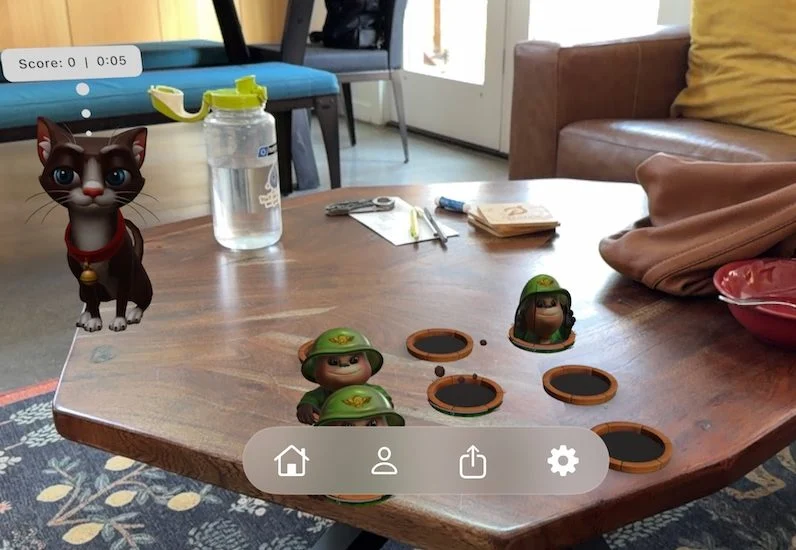
Once a Pixi character is received, the recipient’s iPhone camera activates, placing the character onto their desk, floor, or surrounding furniture. These characters do not merely sit there; they possess environmental awareness. They can react to the user’s facial expressions, move around the physical space of the room, and respond in real-time to external stimuli. A virtual cat sent via Pixi, for example, will display curiosity or alarm if a real-life pet walks past the phone’s lens.
This is not a passive viewing experience. By leveraging on-device AI, Pixi ensures that the heavy lifting of visual and audio processing occurs locally on the user’s smartphone. This approach serves a dual purpose: it minimizes latency for a seamless, fluid interaction, and crucially, it addresses growing consumer anxieties regarding data privacy by keeping all environmental imagery on the device.
A Chronology of Development: Bridging Animation and Tech
The genesis of Pixi lies in the intersection of high-end animation and consumer technology. Founder Mark Drummond, whose professional pedigree includes significant tenures at DreamWorks Animation and Apple, recognized a fundamental flaw in the modern messaging experience.
The Problem: The "Pebbling" Phenomenon
Drummond identifies the "consumer problem" as the difficulty of maintaining emotional proximity when friends and family are physically distant. He points to the psychological concept of "pebbling"—the act of sharing small, often insignificant tokens of affection to signal, "I am thinking of you."
"You’re sharing tokens of affection, basically cards, e-cards, and gifts," Drummond explained in an interview. "That’s your dad, or, in some cases, your granddad’s media. We can do better. We can do something that’s digitally native, and that uses everything we learned about AR on the iPhone."
The Development Roadmap
- Initial Conception: The team focused on the "Presence" factor—how to make a digital interaction feel like a shared physical moment.
- The Prototype Phase: Development centered on refining the AI’s ability to recognize and respond to environmental cues. During early demonstrations, the team showcased a virtual cat performing stand-up comedy on a desk, which would stop or react differently based on the user’s smile or frown.
- The Launch: On the second Wednesday of the month, the app debuted on the Apple App Store. The launch version includes a starter pack of characters, including a robot, a cat, and a playful animated envelope.
- Future Expansion: The roadmap includes cross-platform support for Android and integration into major messaging platforms like WhatsApp and Instagram, as well as the eventual opening of a creative marketplace.
Technical Foundations and Supporting Data
While augmented reality has been a buzzword for nearly a decade—pioneered by companies like Snap and Meta—Pixi differentiates itself by moving away from "filters" toward "entities."
The Hardware Barrier
Pixi is currently optimized for iPhone 11 and newer models. This is a deliberate choice, as the application requires the robust neural engine and LiDAR-adjacent depth sensing capabilities found in modern iterations of Apple’s A-series chips. The app’s reliance on on-device processing means that the quality of the AR experience is directly tethered to the power of the handset.
Current Capabilities
At launch, the functionality is divided into three categories:
- Reactive Characters: Characters that mimic or respond to the user’s physical presence and facial cues.
- Playful Antics: Interactive elements, such as an envelope that "chases" the user as they move their phone, or characters that can "attack" friends playfully.
- Gamified Engagement: Native integration of simple games like tic-tac-toe and whack-a-mole, which can be played within the AR space against the character or in a shared context.
Official Responses and Strategic Vision
Mark Drummond’s vision for Pixi is not merely to provide a tool for individual expression, but to build a robust ecosystem for brands and creators.

The Marketplace Strategy
Pixi plans to open its platform to third-party studios and independent creators. The goal is to move from a curated list of characters to an expansive marketplace where users can choose from a vast library of digital avatars.
"We’re going to encourage people to do it for free," Drummond noted regarding brand involvement. "Because then people become your own brand ambassadors. You’re putting them in charge of using your characters to tell their own stories."
For instance, a film studio could release an AR character of a popular movie protagonist ahead of a premiere, allowing fans to interact with them in their own living rooms. A brand like M&Ms could introduce a character that reacts specifically to the unveiling of a new product flavor, turning a static advertisement into an interactive event.
The "Alice" Benchmark
To demonstrate the platform’s potential, Pixi is developing an Alice in Wonderland character. This serves as a "proof of concept" for intellectual property owners. The character is programmed to interact with real-world objects in an "Alice-consistent" way—maintaining her personality while navigating the constraints of the user’s physical environment.
The Broader Implications for Social Connectivity
The rise of Pixi raises significant questions about the future of digital communication. If messaging becomes an interactive, three-dimensional experience, the traditional text-based "thread" may become a relic of the past.
The Shift to "Generative Messaging"
Drummond’s long-term goal is to allow users to generate their own characters using natural language prompts. Imagine telling an AI, "I want a blue blob that threatens my friend and growls at them," and having the app instantly render that character. This democratization of content creation could shift social media from being a place where we share existing content to a place where we create unique, one-off experiences for our closest contacts.
Challenges to Privacy and Ethics
While Pixi emphasizes that all processing happens locally, the shift toward AR-native messaging invites new ethical considerations. If a character can "see" a user’s room, even if that data isn’t sent to the cloud, how will users feel about their private spaces being digitally mapped for the sake of entertainment? As the technology matures, Pixi will likely need to navigate a complex regulatory environment regarding the "spatial" privacy of its users.
The Future of Marketing
By allowing brands to charge for characters or distribute them as promotional tools, Pixi is positioning itself to be a leader in the next iteration of the "attention economy." If a user finds value in a character, they are more likely to integrate that brand into their daily life than they would be by watching a 15-second unskippable ad.
Conclusion: Is This the End of the GIF?
For now, Pixi remains a novel, highly sophisticated experiment in mobile computing. By combining the playfulness of modern memes with the technical prowess of professional-grade AR, the app offers a glimpse into a future where our messages aren’t just things we read—they are things we experience.
Whether the mainstream public will embrace this level of interaction remains to be seen. However, as the lines between our physical lives and our digital identities continue to blur, platforms like Pixi provide the necessary architecture to make that bridge a little more, well, human.
To experience the evolution, users can download the app on iOS and access it directly through the iMessage interface via the plus sign icon. For those looking to move beyond the static reaction, the future of messaging has arrived—and it’s currently sitting on your desk.