This article is a repost of a feature originally published by Positive Feedback, written by Rush Paul. We extend our sincere gratitude to both the author and the Positive Feedback editorial team for granting permission to share this insight with our readers. The original publication can be found here.
In the audiophile world, the pursuit of the "ultimate" recording often traps listeners in a numbers game. We obsess over DSD256, DXD, and the elusive "aural density" that high-resolution formats promise. However, as I frequently remind my readers, the format should never dictate the music. While I often prioritize ultra-high-resolution files to keep you informed of the latest technical benchmarks, there is a wealth of artistry trapped in more modest PCM resolutions that deserves our full attention.
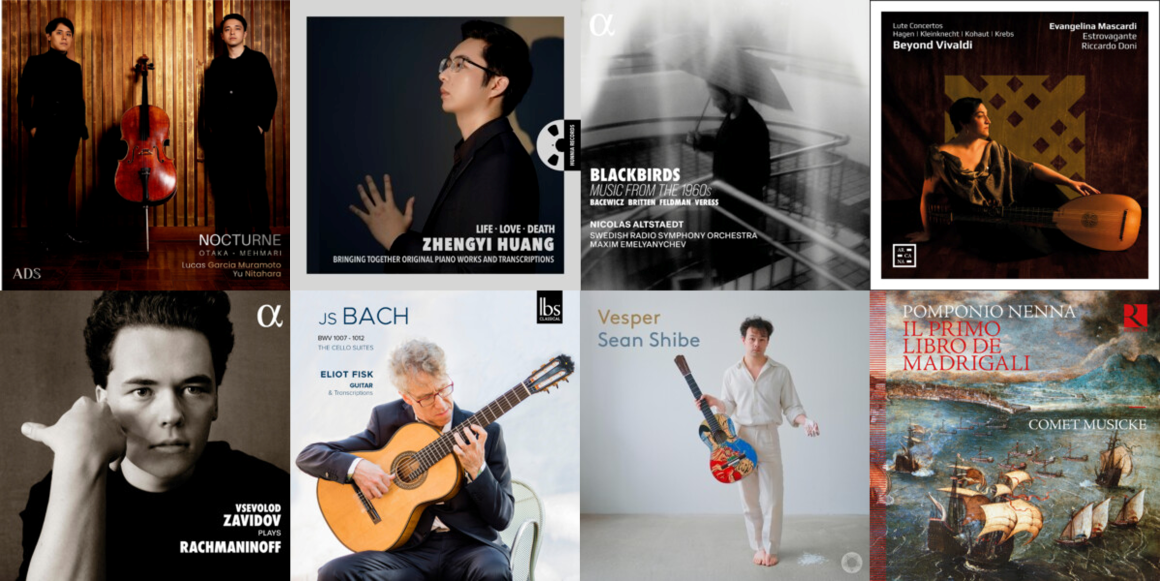
In this edition of Recent Finds, I highlight a selection of recordings—ranging from Pure DSD256 to standard high-res PCM—that prove musicality transcends sampling rates.
The Philosophy of the Album: Zhengyi Huang’s Life, Love, Death
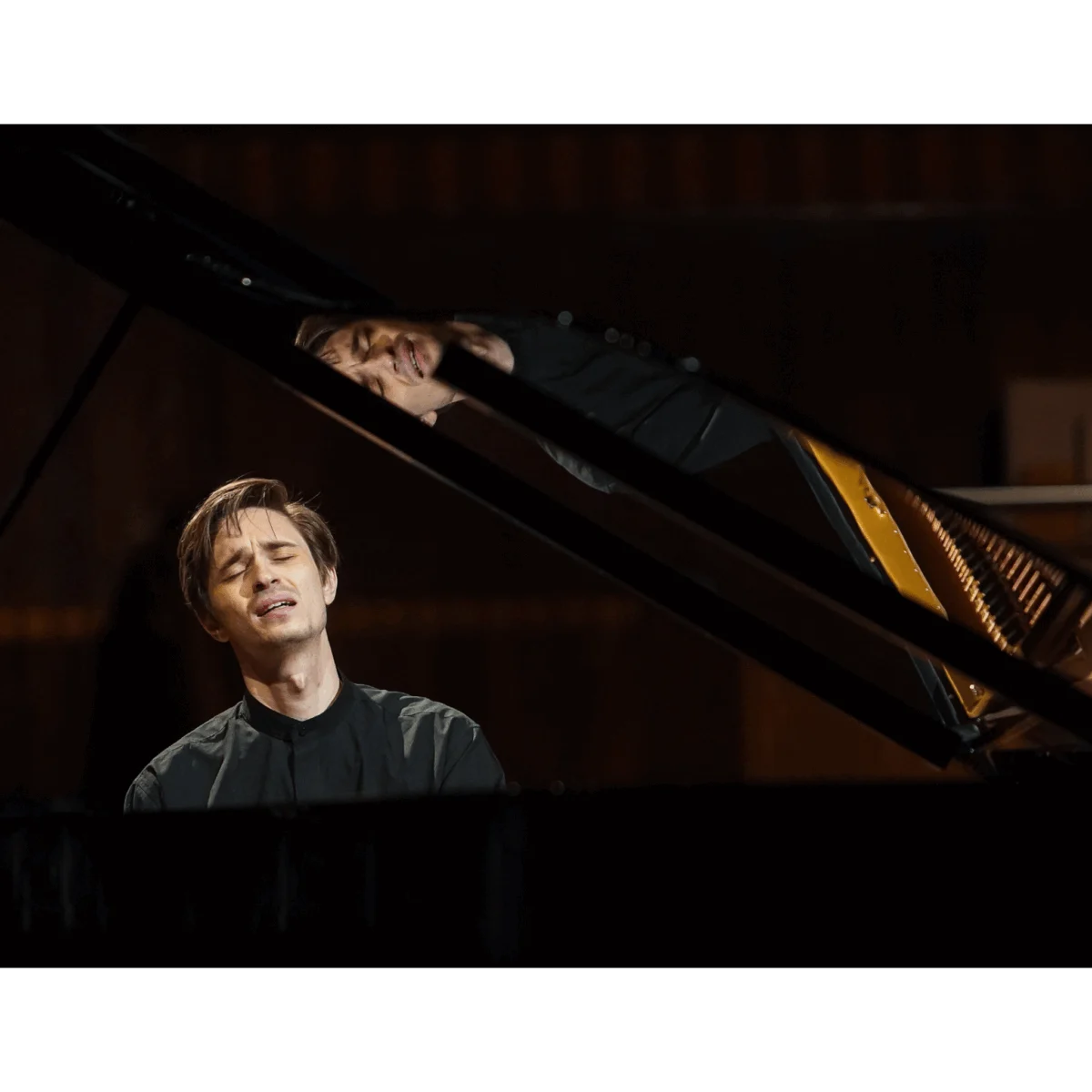
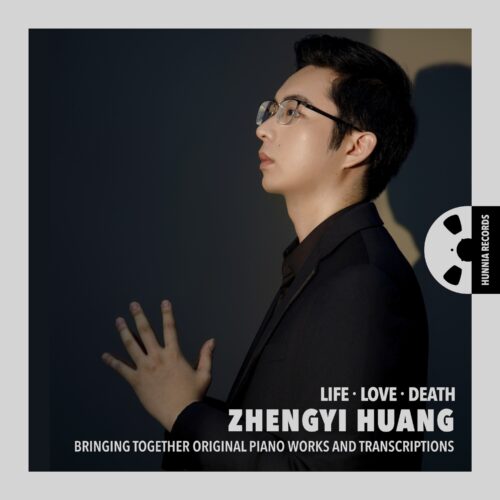
The centerpiece of this month’s collection is the Pure DSD256 release from Hunnia Records: Life, Love, Death, featuring pianist Zhengyi Huang.
A Narrative Arc of Human Existence
Huang, a multi-award-winning pianist, has crafted more than a mere recital; he has curated a psychological cycle. By selecting works from Stravinsky, Liszt, Brahms, Schumann, Kreisler, and Wagner, he maps the trajectory of the human condition.
The album opens with Stravinsky’s Three Movements from Petrushka. For Huang, this is the "first metamorphosis"—the spark of consciousness entering a lifeless puppet. The middle of the program, a "Love Cycle," explores the emotional heart of existence. It begins with the idealized, dream-like state of Liszt’s Liebestraum No. 3, only to pivot toward the transformative annihilation found in Wagner’s Isolde’s Liebestod.
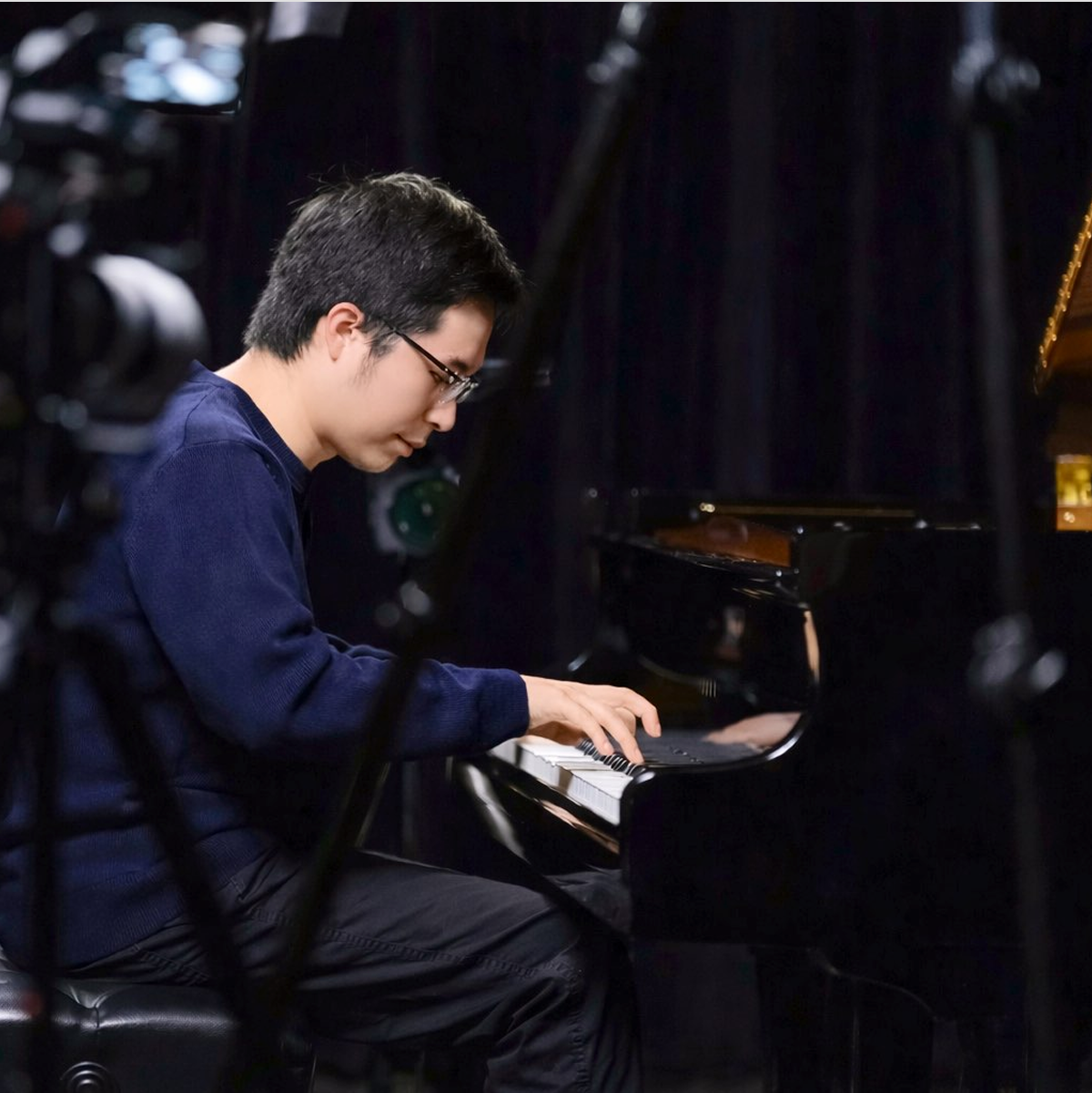
Huang’s sequencing is deliberate. He places Kreisler’s Liebesleid (Sorrow) before Liebesfreud (Joy), suggesting that memory is not linear but fractured. The journey concludes with the stark, inescapable weight of Liszt’s Totentanz. By ending on this note, Huang rejects the comfort of a simple, happy resolution, suggesting that while transcendence is real, it remains under the shadow of mortality. This is a masterclass in the importance of listening to an album in its entirety rather than consuming "bleeding chunks" of classical tracks.
Chronology of Performances: From Romanticism to the Avant-Garde
The Lean Precision of Vsevolod Zavidov
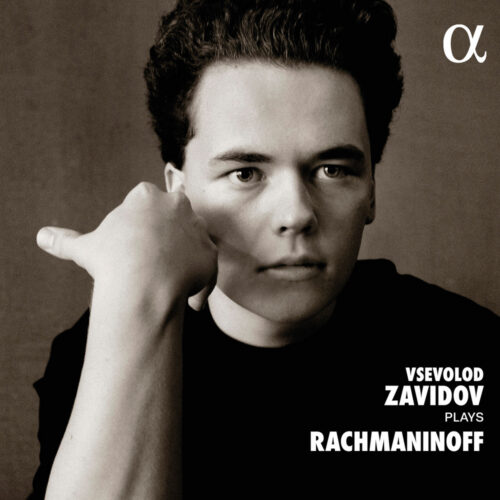
Vsevolod Zavidov Plays Rachmaninoff (Alpha Classics, 192k) represents a shift in how we perceive the Russian Romantic tradition. Zavidov, a rising star and winner of the Radu Lupu Prize, eschews the heavy, saturated sound popularized by the mid-20th-century titans like Horowitz or Ashkenazy. Instead, he brings a quicksilver responsiveness to the Corelli Variations. His approach is analytical yet deeply expressive, prioritizing rhythmic detail and structural clarity over sheer sonic volume.
The Madrigals of Pomponio Nenna
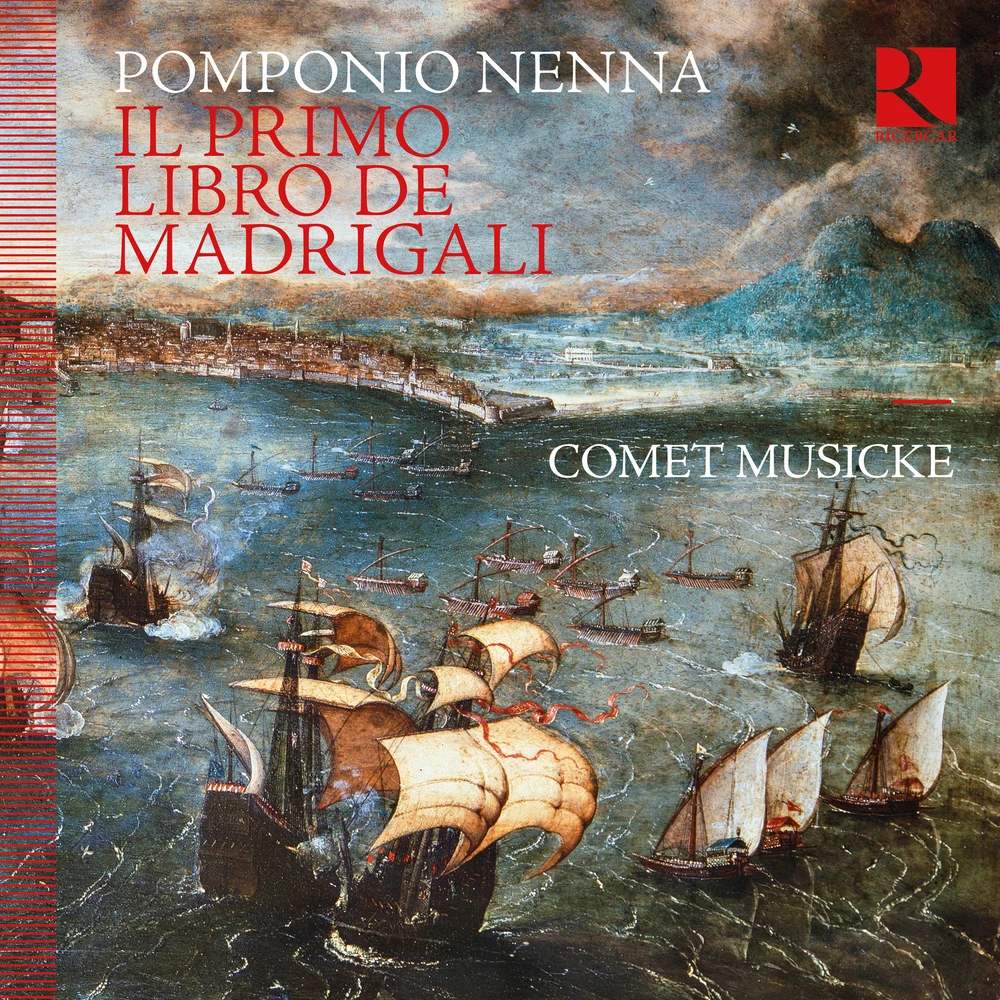
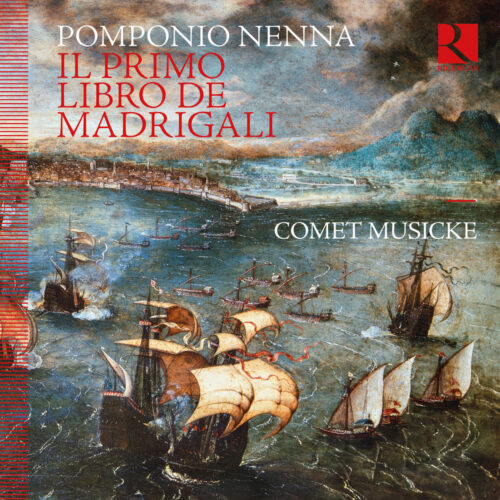
With Il primo libro de madrigali (Ricercar, 88.2k), the ensemble Comet Musicke resurrects a neglected corner of history. Nenna, a contemporary of the controversial Carlo Gesualdo, wrote music that feels surprisingly vital. Interwoven with instrumental works for viols by de Macque and Trabaci, this album functions as a "restorative" project, breaking up vocal density with instrumental interludes. It is a testament to how 17th-century gentleman-composers expressed profound personal milestones—such as the birth of a child—through complex, flowing harmony.
Sean Shibe and the Contemporary Guitar
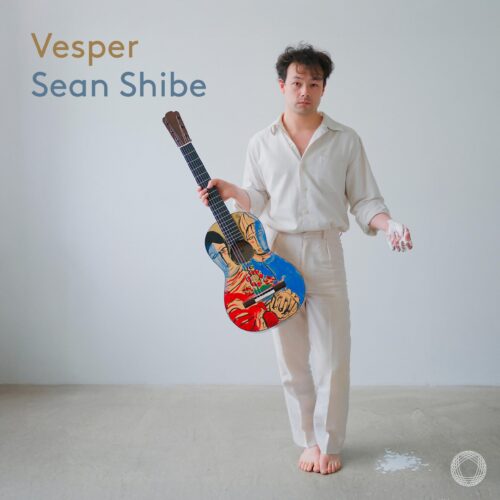
On Vesper (Pentatone, 192k), Scottish guitarist Sean Shibe proves why he is one of the most innovative performers of his generation. By commissioning and performing 21st-century works by Birtwistle, Dillon, and Adès, Shibe challenges the listener to accept the guitar as an instrument of modern, sometimes explosive texture. The inclusion of Birtwistle’s Construction—a work of immense power—alongside delicate miniatures, makes this a mandatory listen for any fan of the classical guitar.
Nicolas Altstaedt: A 1960s Retrospective
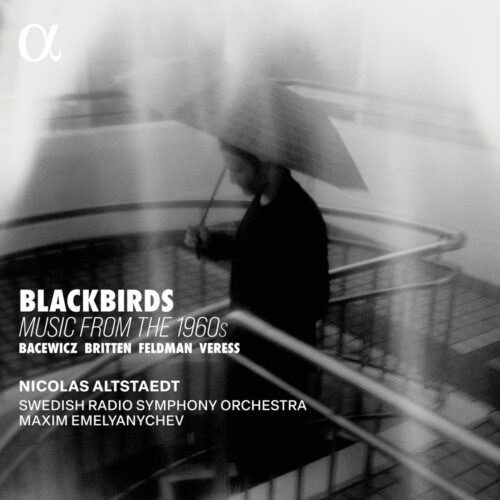
Blackbirds (Alpha Classics, 96k) finds cellist Nicolas Altstaedt exploring the "difficult" language of the 1960s. From the dramatic dialogue of Bacewicz’s Second Cello Concerto to the stark, ascetic intensity of Sándor Veress’s Sonata for Solo Cello, the album is an intellectual challenge. However, the closing track—a version of the Lennon-McCartney song "Blackbird" performed on lute and voice—acts as a grounding, humanizing agent that reconciles the listener to the preceding avant-garde abstraction.
Technical and Supporting Data: The Role of Resolution
While I remain an advocate for the transparency and "aural density" of native DXD or DSD256, these releases offer a compelling counter-argument.
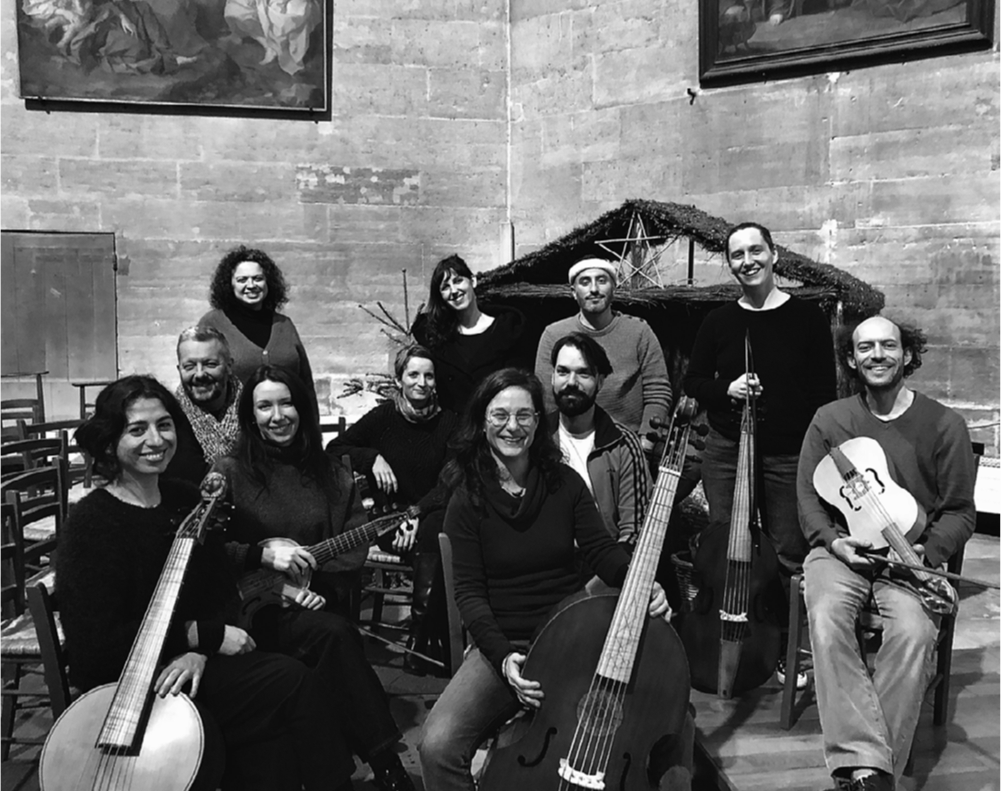
- The Ricercar Engineering: The recording of Il primo libro de madrigali captures the natural acoustic of the Chapelle Saint-Louis de la Pitié-Salpêtrière with remarkable fidelity. Even at 88.2 kHz, the sense of space is palpable.
- The ADS Advantage: The release of Nocturne (176.4k), featuring cellist Lucas Garcia Muramoto and pianist Yu Nitahara, highlights the potential of multi-channel recording. Gustavo Cândido’s engineering work continues to push the envelope of transparency, creating a "you are there" experience that transcends the technical specs.
Official Perspectives and Artist Intent
The cross-cultural collaboration on Nocturne serves as a poignant reminder of music’s ability to bridge disparate worlds. Lucas Garcia Muramoto, a Brazilian-born cellist who grew up in Japan, and Yu Nitahara, a Japanese pianist, bring a unique perspective to the works of Hisatada Otaka and André Mehmari.
As Muramoto noted in his correspondence from the Mozarteum University Salzburg, the program acts as a meeting point between European classical traditions and the specific cultural identities of the composers. Their performance is a testament to the "quiet ways" in which music connects distant geographies, proving that the dialogue between a performer and their instrument is the most vital component of any recording.
Implications for the Future of High-End Listening
The primary takeaway from this month’s Recent Finds is that we must guard against the commodification of resolution. If we limit our listening habits to only the highest-spec files, we risk missing the profound emotional intelligence of a performance like Zavidov’s Rachmaninoff or the historical rediscovery of Nenna’s madrigals.
The industry is currently experiencing a renaissance of boutique, independent labels that prioritize artistic vision over mere digital format marketing. Whether it is the chamber-scale intimacy of Eliot Fisk’s Bach Cello Suites or the adventurous, multi-cultural dialogues fostered by ADS, the common denominator is the human spirit.
As you explore these albums, I encourage you to set aside your technical expectations. Focus instead on the narrative arc, the structural agility of the performer, and the emotional intent of the composer. You may find that a 96k recording, when approached with the right level of attention, offers more "density" of meaning than a DSD256 file that lacks soul.
Highly recommended for those willing to look—and listen—beyond the bit-depth.