LAS VEGAS, NV — The professional audiovisual industry converged upon the Las Vegas Convention Center (LVCC) last week for InfoComm 2026, an event that many analysts predicted would be a "wait-and-see" affair. Amidst a backdrop of global economic fluctuations, shifting trade tariffs, and supply chain recalibrations, the show did more than just survive; it thrived. With record-breaking attendance and a floor packed with high-caliber exhibitors, InfoComm 2026 solidified its status as the definitive barometer for the future of integrated experience technology.
While the broader tech sector has faced headwinds, the pro-audio segment showcased a remarkable resilience. The primary takeaway from the 2026 circuit was a clear industry pivot: manufacturers are no longer just chasing raw power. Instead, the focus has shifted toward high-fidelity miniaturization, cardioid pattern control for complex architectural spaces, and a seamless blend between "touring-grade" performance and "installation-friendly" aesthetics.
Main Facts: A Landmark Year for Pro-Audio Integration
InfoComm 2026 arrived at a critical juncture for the AV industry. After several years of rapid digital transformation, the market is now entering a "refinement phase." The products on display in Las Vegas were not merely incremental updates but represented a fundamental shift in how audio is deployed in permanent and semi-permanent environments.
The event’s headline successes were defined by several key themes:
- The Democratization of High-End Line Arrays: Technologies once reserved for stadium tours, such as Meyer Sound’s Panther-based processing, are now being scaled down for Houses of Worship (HoW) and regional performing arts centers.
- Point-Source Precision: As seen with DAS Audio’s MIA Series, there is a renewed interest in coaxial point-source technology for its phase coherence and spatial efficiency.
- Aesthetic Customization: 1 Sound’s expansion into custom wood finishes signals a trend where audio hardware is expected to complement, rather than disrupt, high-end interior design.
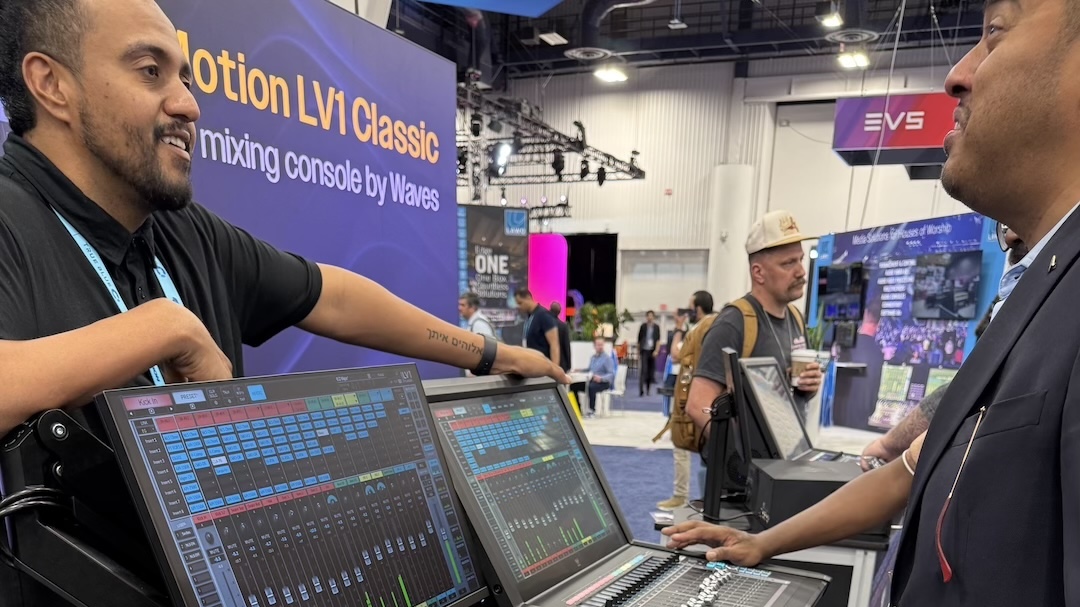
- Hardware-Software Convergence: Waves Audio’s LV1 Classic mixers demonstrated that the line between software-based processing and physical tactile control has all but vanished.
Chronology: The Road to Las Vegas
The momentum for InfoComm 2026 began months earlier, with many manufacturers using the winter NAMM show as a "sneak-peek" platform. By March 2026, several flagship products—most notably from Meyer Sound—were officially released to the market, allowing for early adoption and field testing before the June showcase.
The week in Las Vegas followed a strategic rollout:
- Pre-Show Technical Workshops: The days leading up to the floor opening were dominated by AVIXA-led certifications and manufacturer-specific training sessions, focusing on networked audio protocols and immersive sound design.
- The Opening Bell (June 16): The exhibition floor opened to an immediate surge in foot traffic, particularly in the Central and North Halls, where the major audio manufacturers were concentrated.
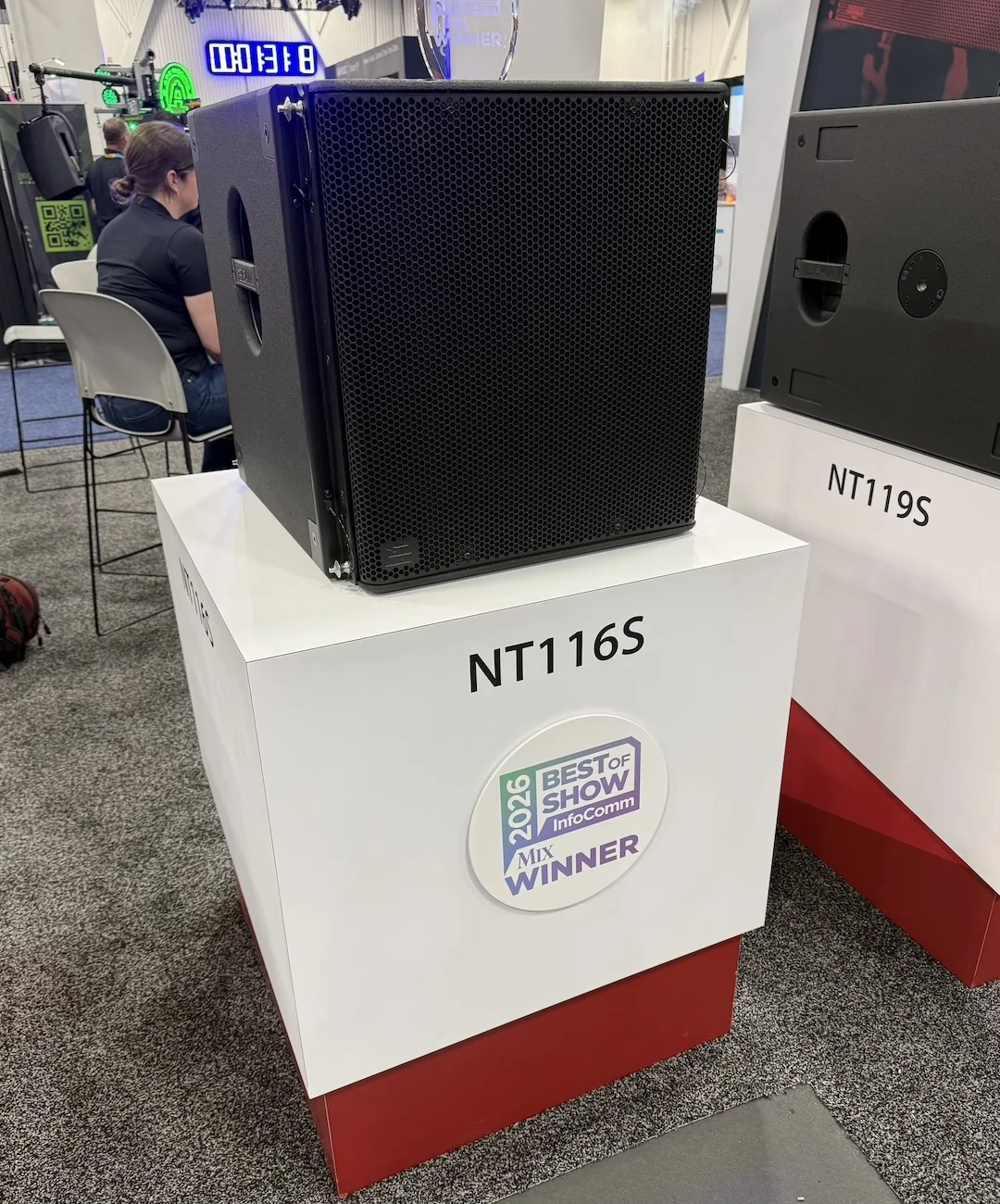
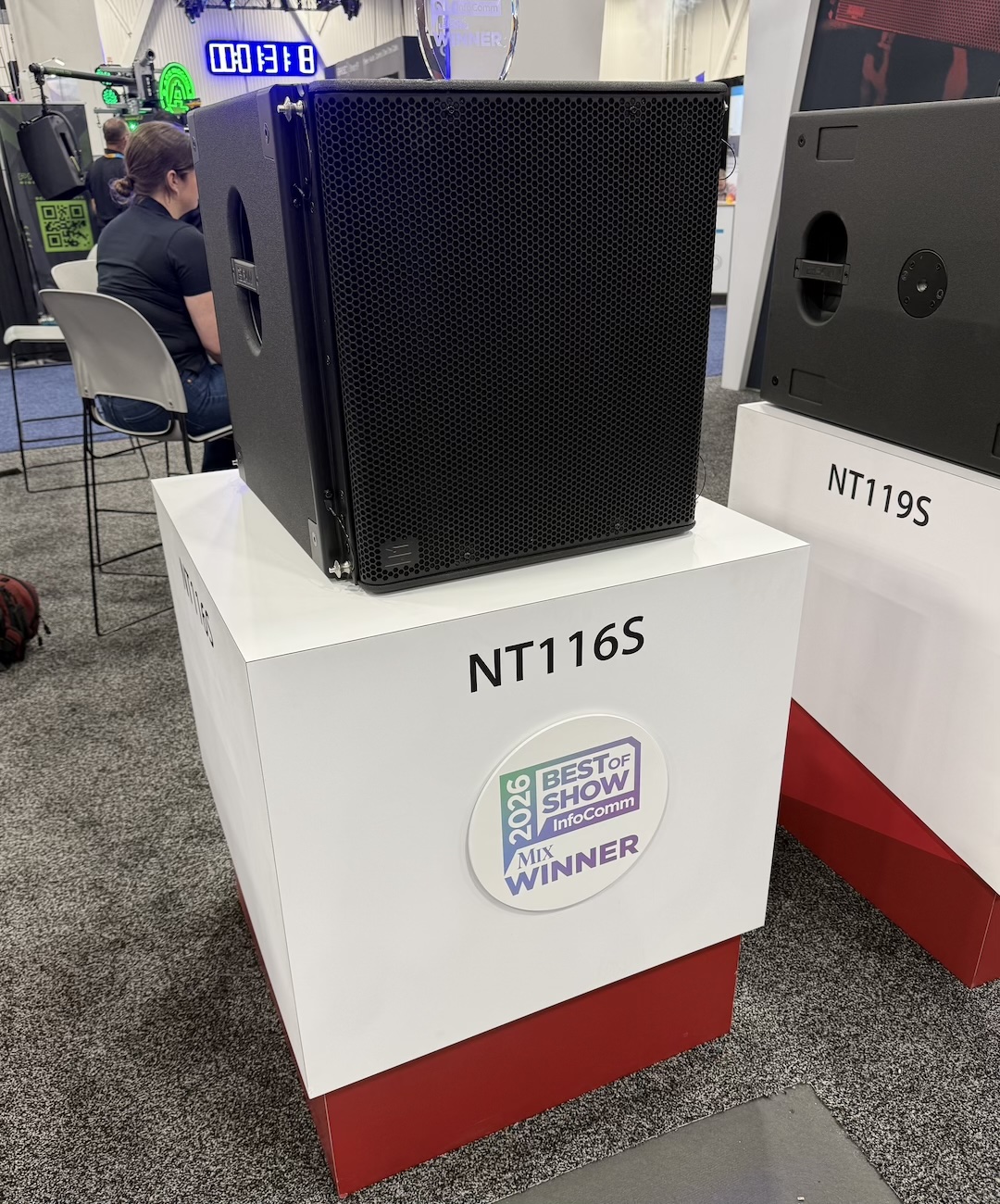
- The Award Circuit (June 18): Mid-week, the "Best of Show" awards were announced. EAW (Eastern Acoustic Works) secured a prestigious Mix Best of Show-InfoComm Award for their NT116S powered subwoofer, a moment that many saw as the highlight of the mid-show festivities.
- The Closing Session (June 19): The show concluded with a focus on "The Future of the Workspace," highlighting how pro-audio tools are being integrated into the next generation of corporate headquarters.
Supporting Data: Technical Highlights and Product Analysis
The strength of InfoComm 2026 lay in the granular technical advancements presented by its exhibitors. To understand the trajectory of the industry, one must look at the specific engineering achievements of the show’s standout performers.
DAS Audio: The MIA Series and Coaxial Evolution
DAS Audio introduced the MIA Series, a comprehensive range designed to solve the challenges of short-throw and medium-throw applications. The series is anchored by three primary models:
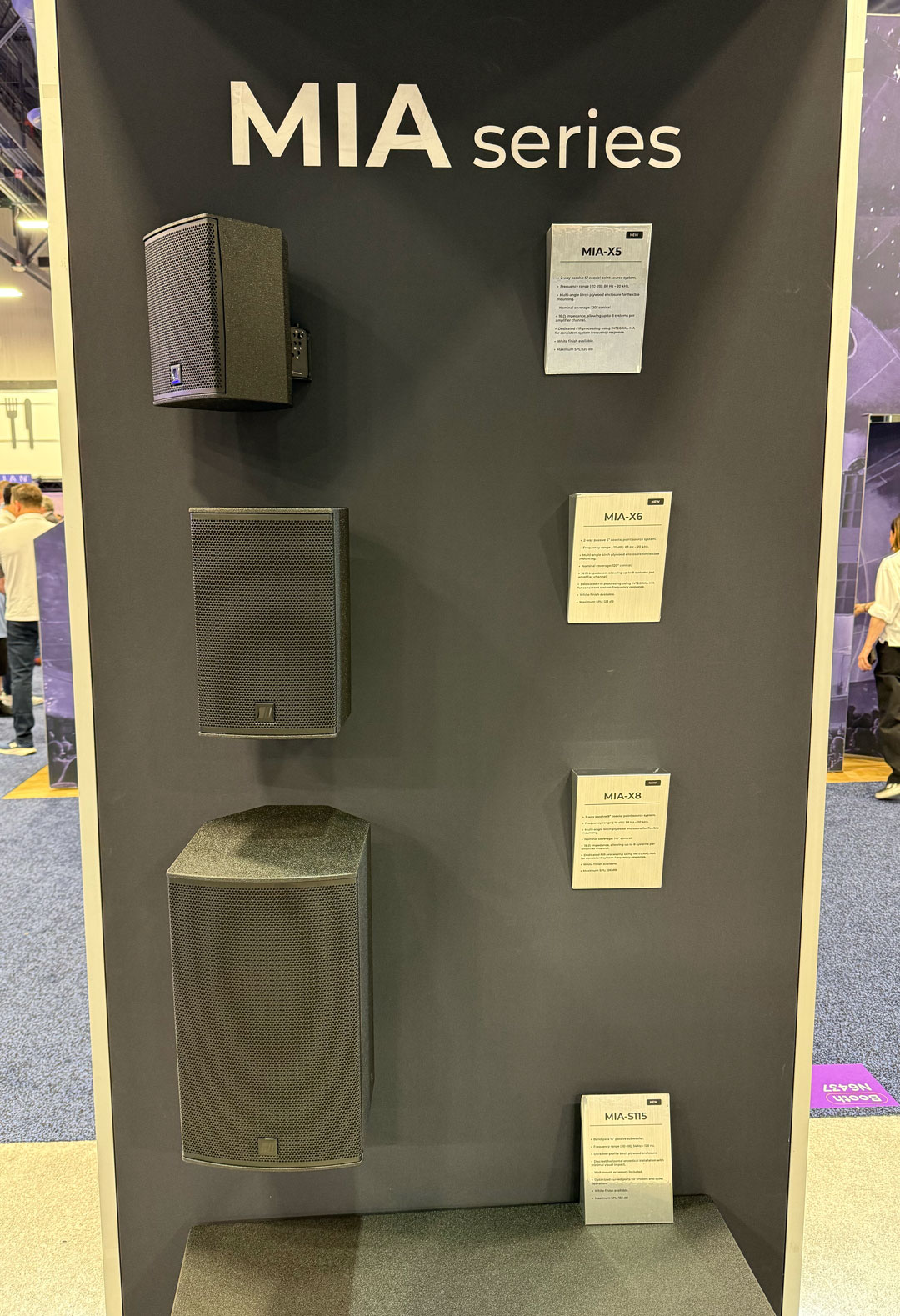
- MIA-X5: A 5-inch coaxial point source offering 120° conical coverage.
- MIA-X6: A 6-inch variant maintaining the same wide dispersion.
- MIA-X8: An 8-inch model with a slightly narrower 110° conical coverage for increased reach.
The engineering significance here lies in the coaxial design, which ensures that the high and low frequencies originate from the same point in space, eliminating the "lobing" issues often found in traditional two-way speakers.
Meyer Sound: Bringing "Panther" to the Masses
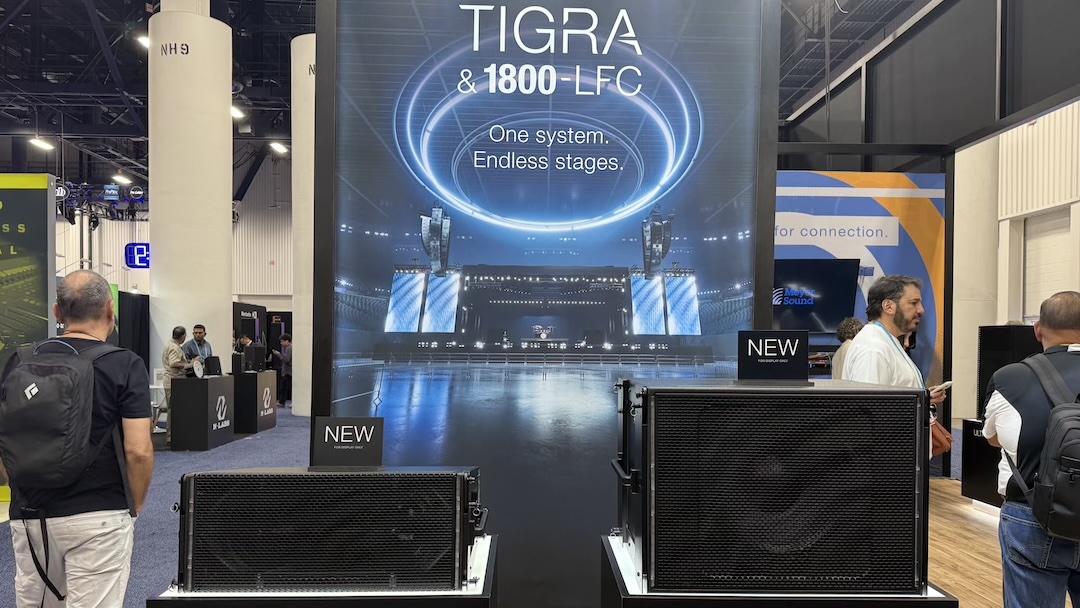
Perhaps the most talked-about booth was Meyer Sound’s, where the new Tigra and 1800-LFC speakers were on full display. These units are the spiritual successors to the Panther touring system. By adapting the high-output, low-distortion elements of their flagship touring line into a compact form factor, Meyer has opened the door for smaller venues—performing arts centers and corporate ballrooms—to achieve "concert-level" fidelity without the massive footprint.
d&b audiotechnik: The Precision of the CL-Series
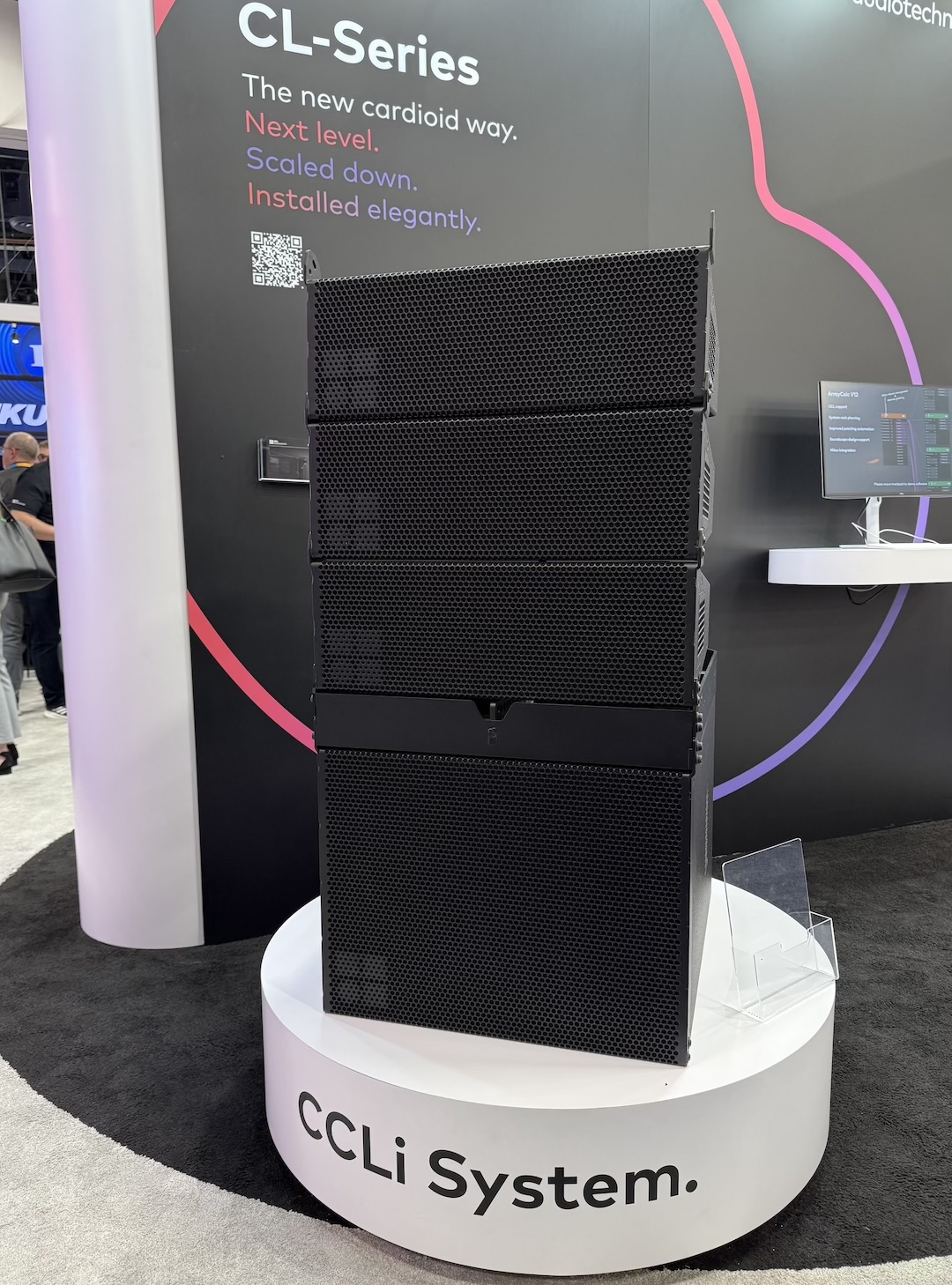
The d&b audiotechnik booth focused on the CCLi, the installed version of their celebrated Compact Cardioid Line Array. In an installation context, "cardioid" (the ability to cancel sound coming from the rear of the speaker) is vital. It prevents acoustic energy from reflecting off back walls, which can muddy the sound and create feedback loops. The CCLi offers the same acoustic performance as its mobile counterpart but with mounting hardware specifically designed for permanent architectural integration.
EAW: Redefining the Low End
The EAW NT116S, a 16-inch powered subwoofer, was a standout for its sheer efficiency. Delivering a staggering 135 dB SPL and extending down to 25 Hz, it challenges the traditional dominance of 18-inch subwoofers. Its ability to be flown in an array with the NT206L or used as a standalone solution provides consultants with unprecedented flexibility in low-frequency management.
1 Sound: The Fusion of Form and Function
1 Sound made waves not just with their Panorama Series and Sona 35 loudspeakers, but with their custom shop’s new wood finish offerings. This move addresses a long-standing tension between architects and AV integrators. By offering high-performance "Tower Systems" (such as the LCC84 and SUB310) in finishes that match premium millwork, 1 Sound is positioning audio gear as a luxury design element.
Waves Audio: The New Standard for Mix Control
On the processing side, the Waves LV1 Classic mixers continued to dominate the conversation. As more venues move toward Dante and other networked audio standards, the LV1’s ability to run studio-grade plugins in a live environment with a compact physical footprint has become the preferred choice for modern front-of-house engineers.
Official Responses: Industry Sentiment and Economic Outlook
The atmosphere at the Las Vegas Convention Center was one of cautious optimism. Industry leaders were quick to address the "elephant in the room": the economic climate.
"Coming into InfoComm 2026, there was a palpable sense of concern regarding trade tariffs and the cost of raw materials," noted one senior analyst during a mid-show panel. "However, the sheer volume of orders and the level of engagement from the integration community suggests that the demand for high-quality AV experiences is decoupled from the broader consumer economic slowdown. Corporate and hospitality sectors are doubling down on ‘destination experiences,’ and that requires premium audio."
Representatives from DAS Audio and Meyer Sound echoed these sentiments, suggesting that while the "supply chain crisis" of previous years has largely abated, it has been replaced by a "value-driven market." Customers are now more discerning, seeking products that offer longevity, software-upgradeable features, and multi-use versatility.
Implications: The Future of the AV Landscape
The success of InfoComm 2026 carries several long-term implications for the pro-audio and integration markets.
First, the convergence of live sound and fixed installation is complete. We are seeing a "trickle-down" effect where the line between a touring rig and a church sound system is becoming increasingly blurred. The technologies that allow a stadium to sound clear are being miniaturized and optimized for the boardroom.
Second, architectural integration is no longer an afterthought. The introduction of custom finishes and ultra-compact point sources (like the MIA series) indicates that manufacturers are finally listening to the aesthetic demands of interior designers. The era of the "ugly black box" hanging from a ceiling is ending.
Finally, the shift toward powered, networked systems is accelerating. The prominence of powered subwoofers (EAW) and networked mixers (Waves) suggests that the traditional "amp rack" is becoming a relic of the past. Future systems will likely be characterized by "intelligent" speakers that handle their own amplification and processing, connected by a single network cable.
As the industry looks toward the conclusion of the show and the road to 2027, the message from Las Vegas is clear: the pro-audio sector is not just weathering the economic storm—it is using it as a catalyst for a more efficient, more aesthetic, and more powerful era of sound.
Check back tomorrow for the final part of our ‘Seen on the Scene’ series, where we dive into the latest in LED display technology and immersive lighting control.