In the contemporary corporate landscape, the “open-office” philosophy has undergone a visual metamorphosis. Modern architecture heavily favors expansive glass walls, floor-to-ceiling windows, and minimalist design palettes. These elements serve a dual purpose: they create a sense of transparency and connectivity while facilitating "daylighting"—the strategic practice of channeling natural light into interior spaces to enhance ambience and diminish the reliance on artificial lighting.
However, this push toward light-filled, airy workspaces has introduced a significant, often overlooked, challenge: the acoustic environment. As architects strip away traditional porous materials in favor of hard, reflective surfaces like glass, metal, and polished concrete, they inadvertently create "sonic mirrors." The result is a surge in reverberation and echo, which severely compromises speech intelligibility and, by extension, professional privacy.
For many firms, the dilemma is a Catch-22: how do you mitigate noise pollution without destroying the aesthetic integrity of a space designed specifically for its visual openness? A recent project by acoustic treatment leader Primacoustic demonstrates that the answer lies not in altering the architecture, but in integrating high-performance, sustainable materials that harmonize with it.
The Challenge: When Transparency Becomes a Sonic Obstacle
The central issue in modern office design is the physics of sound. When sound waves encounter hard, non-porous surfaces like glass, they do not dissipate; they bounce back into the room, creating overlapping reflections known as flutter echoes. In a conference room or a collaborative flex-space, this reverberation makes verbal communication exhausting and often unintelligible.
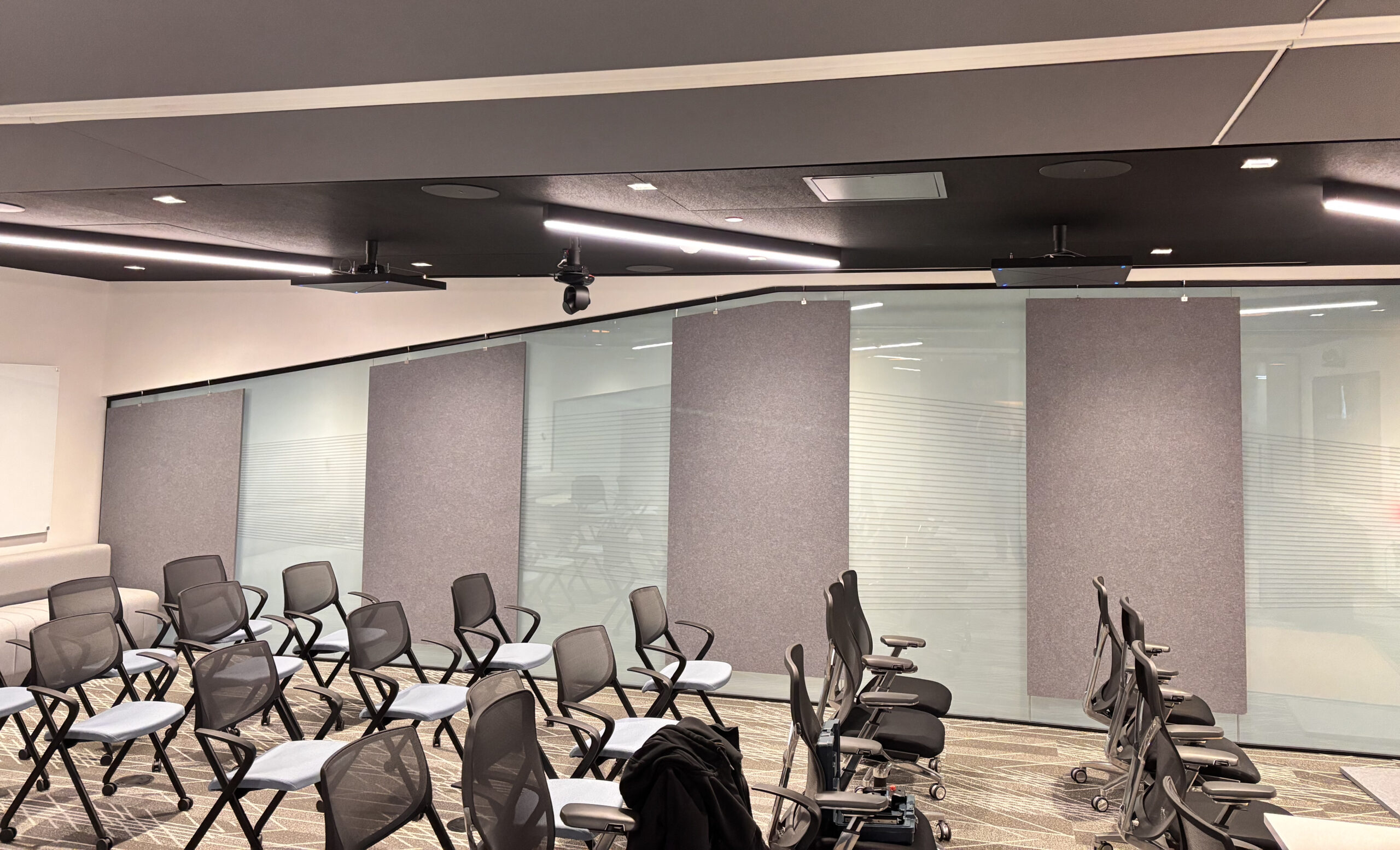
This was precisely the challenge faced by a prominent Boston-based pharmaceutical firm. Their primary teleconferencing room—a space essential for high-stakes, cross-functional collaboration—was flanked by two parallel glass walls running the entire length of the room. The reverberation was so severe that it rendered video conferencing frustrating and ineffective.
According to the client’s AV integrator, DGI Communications, the existing ceiling-mounted acoustic treatments were insufficient. The room’s geometry created a "slap-back" effect between the glass surfaces that the ceiling could not capture. To make matters more difficult, the client placed strict constraints on the project: they would not permit any modifications to the structural glass, nor would they allow any intrusive ceiling-hung treatments that might detract from the room’s clean, minimalist aesthetic.
Chronology of the Intervention: Precision Engineering
The solution required a delicate balance of form and function. Primacoustic stepped in to provide an elegant, non-destructive remedy utilizing their EcoScapes line of PET (Polyethylene Terephthalate) acoustic treatments.
1. Assessment and Design (Weeks 1-2)
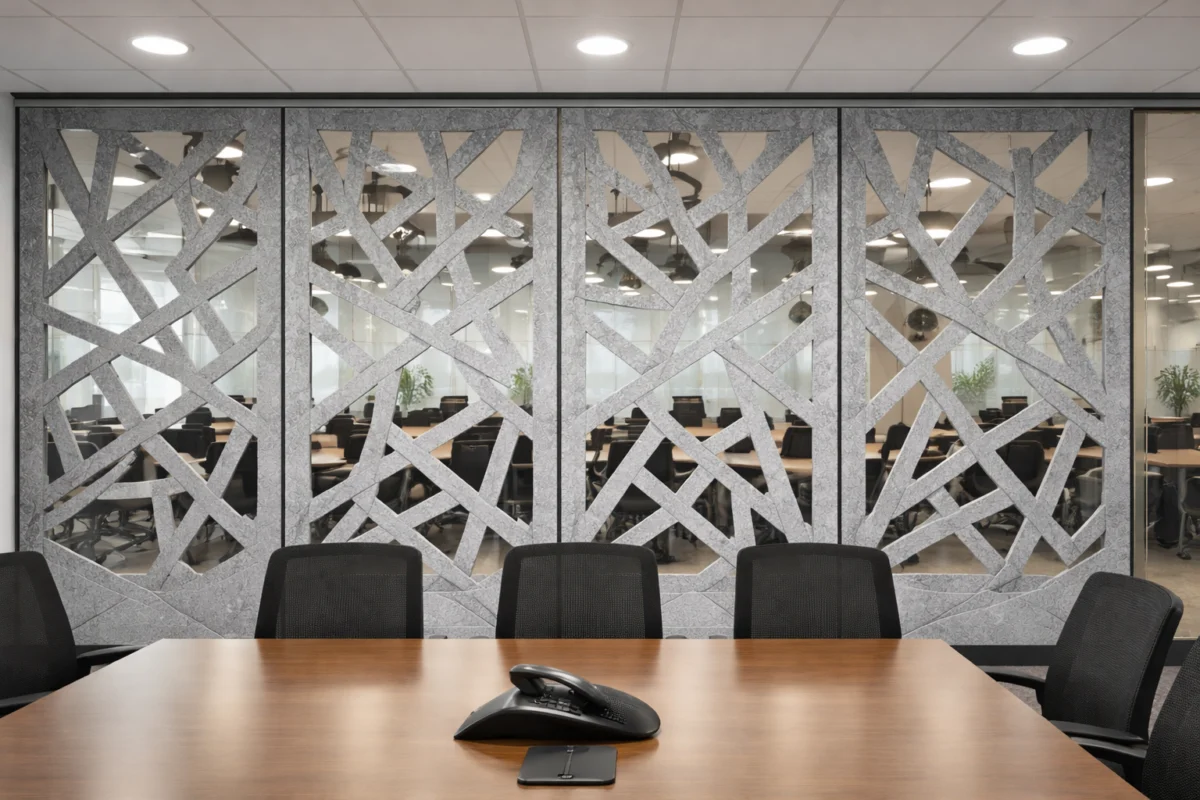
The Primacoustic engineering team conducted a site analysis to determine the exact points of reflection. Rather than treating the entire glass surface, which would have obstructed the view, they opted for a targeted approach. The design team proposed custom-cut PET panels that would follow the architectural lines of the glass walls, ensuring the installation looked like an intentional design choice rather than an afterthought.
2. Custom Fabrication (Week 3)
The EcoScapes panels were precision-cut on-site. This flexibility is a hallmark of PET material, which can be carved to match specific angles and footprints. The panels were fabricated to match the room’s existing color palette, ensuring the installation felt organic to the space.
3. Installation and Optimization (Week 4)
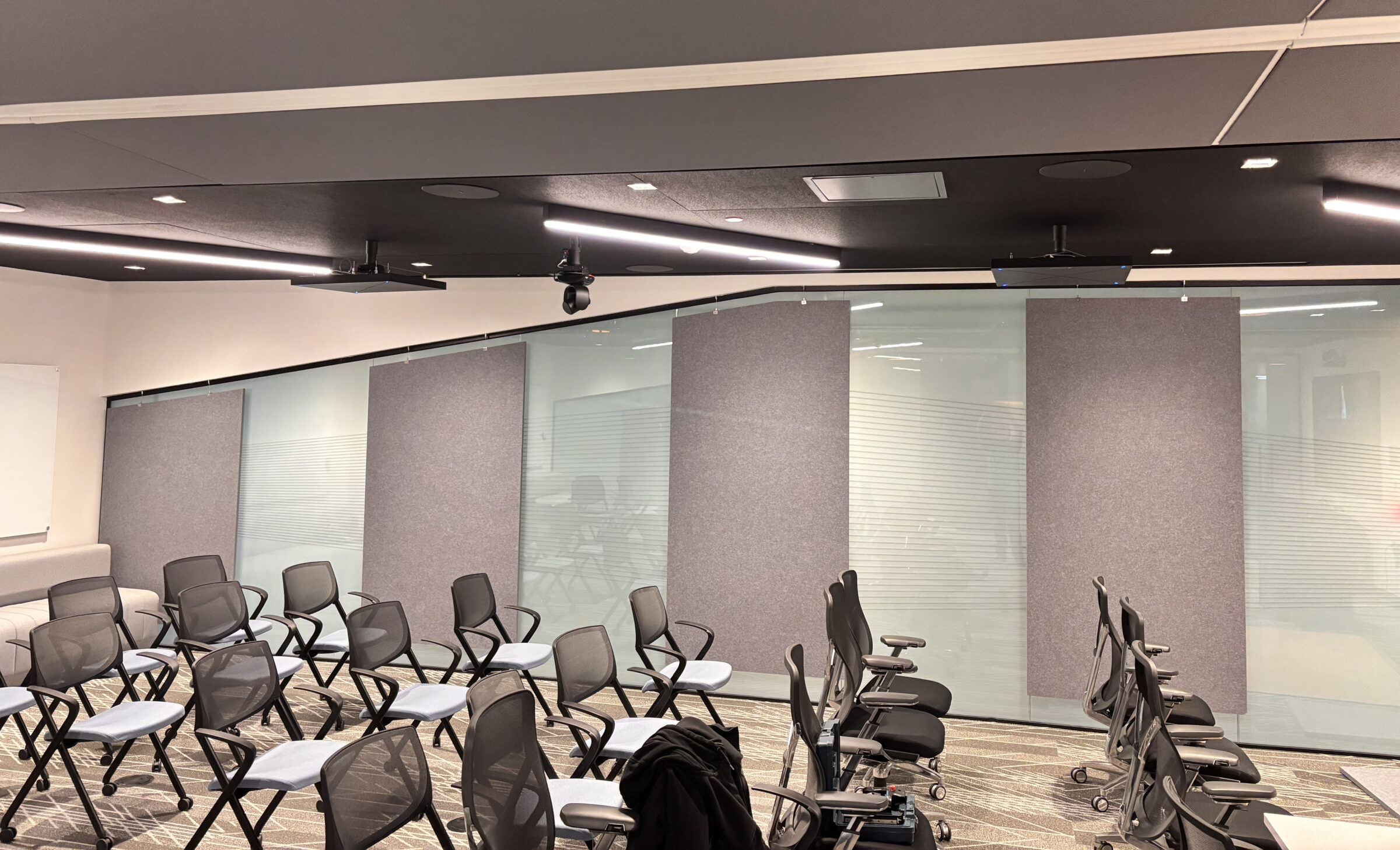
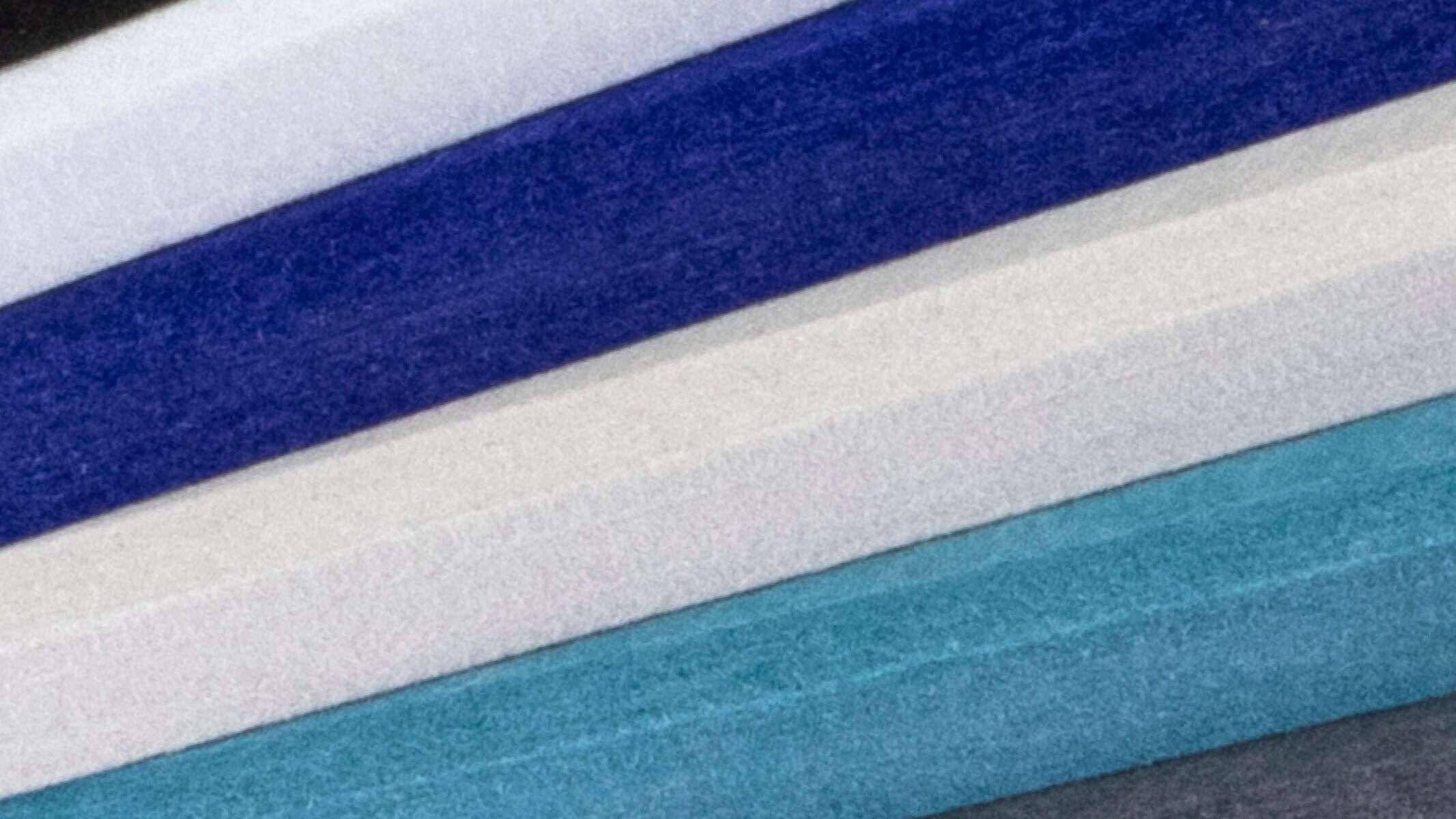
The installation was a masterclass in non-destructive mounting. Instead of anchoring into the glass, the DGI Communications team utilized hardware anchored into the drywall located above the glass line. The panels were suspended in front of the glass, leaving a critical "air gap" between the treatment and the surface.
In total, eight 4×8-foot panels—four on each side—were installed. By creating this air gap, the team significantly increased the panels’ Noise Reduction Coefficient (NRC) rating, effectively allowing the panels to absorb lower-frequency sounds that might otherwise pass through or reflect off the glass.
Supporting Data: Why PET is the New Standard
The effectiveness of this intervention relies on the material science of PET. Derived from recycled plastic bottles, PET is not only an environmentally conscious choice but an acoustically superior one.
Material Properties
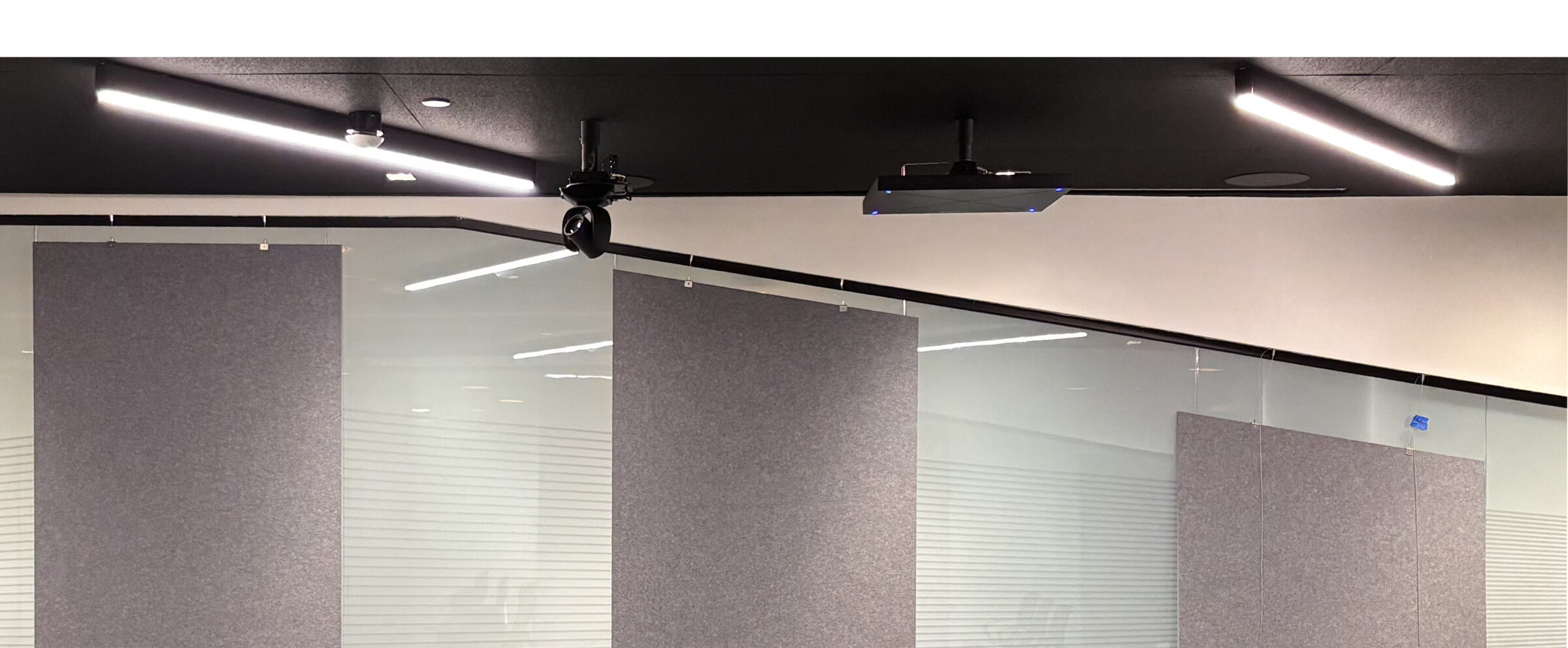
PET panels are inherently porous, which allows them to trap sound waves in their fibrous structure, converting kinetic energy into heat. Unlike traditional foam, which can degrade or yellow over time, PET is highly durable, non-toxic, and easy to clean.
The Role of the Air Gap
A critical piece of data from the Boston project underscores the importance of installation methodology. By suspending the panels a few inches away from the glass, the installers created a "bass trap" effect. The air gap allows sound waves to pass through the back of the panel, reflect off the glass, and be absorbed by the panel a second time. This drastically increases the absorption efficiency of the material, especially in the mid-to-low frequency range where human speech often resonates.
Sustainability and LEED Compliance
Beyond acoustics, the pharmaceutical firm’s decision to use recycled PET contributed to their internal sustainability goals. EcoScapes panels are fully recyclable and contribute to LEED Certification, making them a preferred choice for firms looking to balance corporate social responsibility with high-performance office design.
Official Perspective: Primacoustic’s Philosophy
For Primacoustic, the Boston project is a microcosm of a larger trend. With over 20 years of experience in recording studios and critical listening environments, the company has spent decades refining the science of "sound control without compromise."

"We pride ourselves on providing personalized support from the initial sketch to final installation," says a spokesperson for the company. "Our goal is to enable customers to achieve their goals fluidly. The ability to engineer install-ready solutions for any environment, regardless of the challenges, is the cornerstone of our service model."
The company’s portfolio has expanded significantly to address these modern architectural challenges. From the studio-grade Broadway line—utilizing high-density glass wool—to the highly customizable EcoScapes and Archadia series, Primacoustic has shifted its focus toward "designer-grade" solutions. By offering custom colors, finishes, and the new "Signature Suite" of fabrics, they are proving that acoustic treatment no longer needs to be a hidden utility; it can be a centerpiece of interior design.
Implications for Future Office Design
The success of the Boston installation offers a roadmap for architects and facility managers worldwide. As the "glass-box" trend shows no signs of waning, the industry must move toward acoustic solutions that are modular, non-destructive, and aesthetically additive.
The Shift Toward Modular Acoustics
The most significant implication is the move away from permanent, monolithic acoustic ceilings toward modular, wall-mounted, or suspended solutions. As seen in the EcoScapes project, these solutions allow for "tuning" a room based on its actual usage. If the room’s function changes, the acoustic treatment can be adjusted, expanded, or relocated without the need for a full renovation.
Enhancing Productivity through Intelligibility
The correlation between speech intelligibility and productivity is well-documented. In environments where communication is the primary product—such as pharmaceutical R&D, legal firms, or creative agencies—excessive reverberation is not just a nuisance; it is a barrier to performance. By reducing the "noise floor" of a room, firms can lower employee fatigue and improve the quality of remote collaboration, which is increasingly vital in a hybrid-work era.
A Holistic View of Wellness
Finally, this project highlights the holistic nature of modern workspace design. True wellness in the office is not just about natural light; it is about the quality of the environment. A space that is visually stunning but acoustically hostile fails to support the human needs of its occupants. By integrating acoustic solutions as a primary design element, companies are demonstrating that they value the cognitive health of their employees as much as the aesthetic appeal of their headquarters.
Conclusion: A New Era of Acoustic Design
The Boston-based pharmaceutical project serves as a compelling case study for the modern workplace. It proves that architects and AV integrators do not need to choose between the brilliance of natural light and the clarity of sound.
Through the strategic use of PET panels, Primacoustic and DGI Communications successfully eliminated flutter echoes, enhanced speech intelligibility, and respected the architectural vision of the client. As we move further into an era defined by open-concept design and high-tech connectivity, the ability to marry material science with interior aesthetics will define the next generation of professional spaces.

For those facing similar challenges, the message is clear: the solution to the "glass box" problem is not to cover it up, but to work with it. By embracing flexible, high-performance acoustic treatments, companies can create environments that are as quiet and focused as they are bright and transparent.
Are you ready to transform your space?
Primacoustic continues to lead the way in innovative acoustic control. For technical documentation, product samples, or to discuss a custom project, visit Primacoustic.com. Whether it’s a high-stakes boardroom or a collaborative creative hub, the perfect soundscape is within reach.
We’re listening—be heard.