The Premium Soundbar Showdown: Sonos Arc Ultra vs. Sony Bravia Theatre Bar 7 + S
021 mins
As modern television displays grow thinner and more aesthetically minimalist, their built-in audio systems have suffered a corresponding decline in physical cabinet volume. This hardware limitation has fueled a golden age for the premium soundbar market. For consumers seeking to upgrade their home cinema experience without the spatial clutter of a traditional multi-speaker AV receiver setup, the market offers a diverse array of solutions ranging from entry-level plug-and-play bars to high-end, multi-channel acoustic powerhouses.
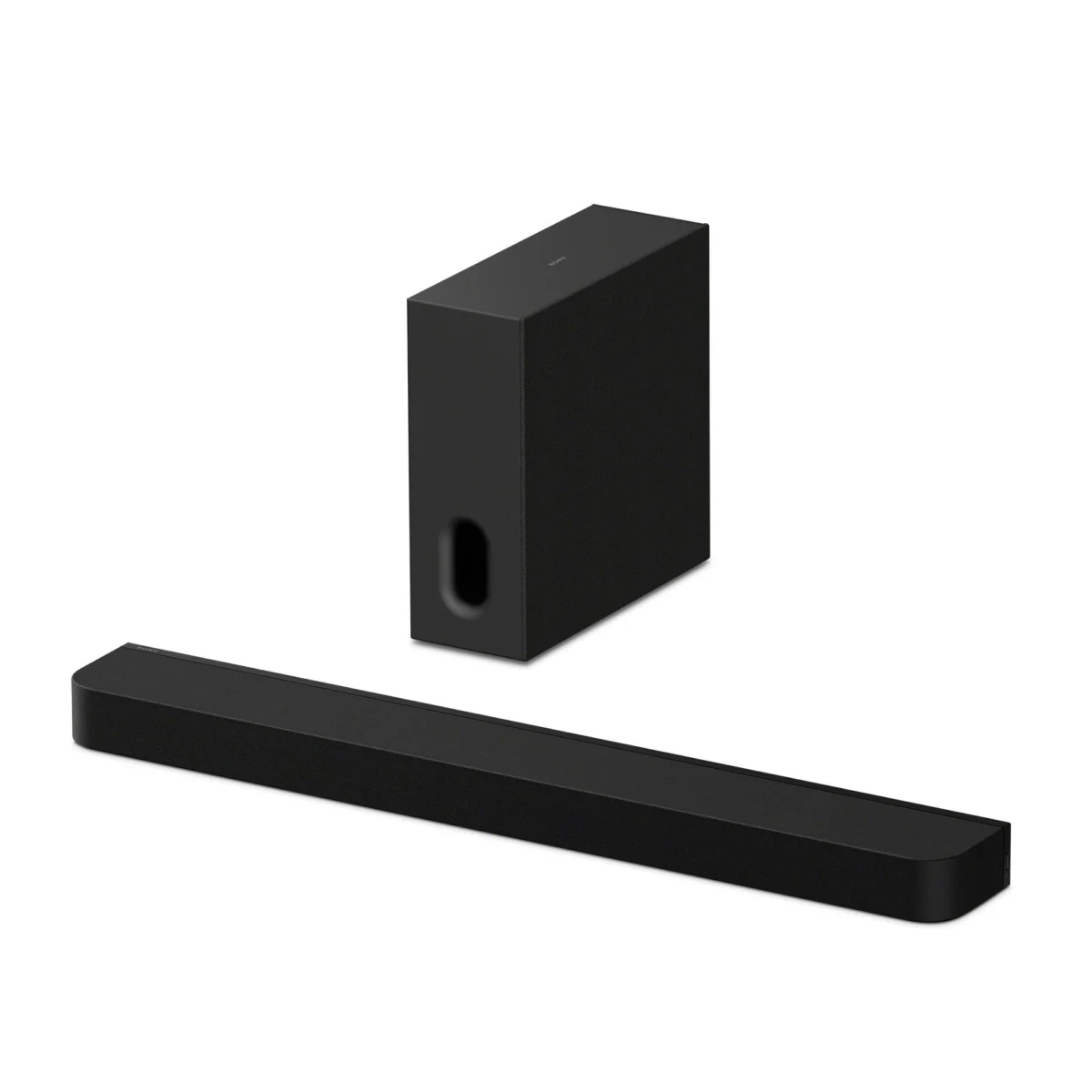
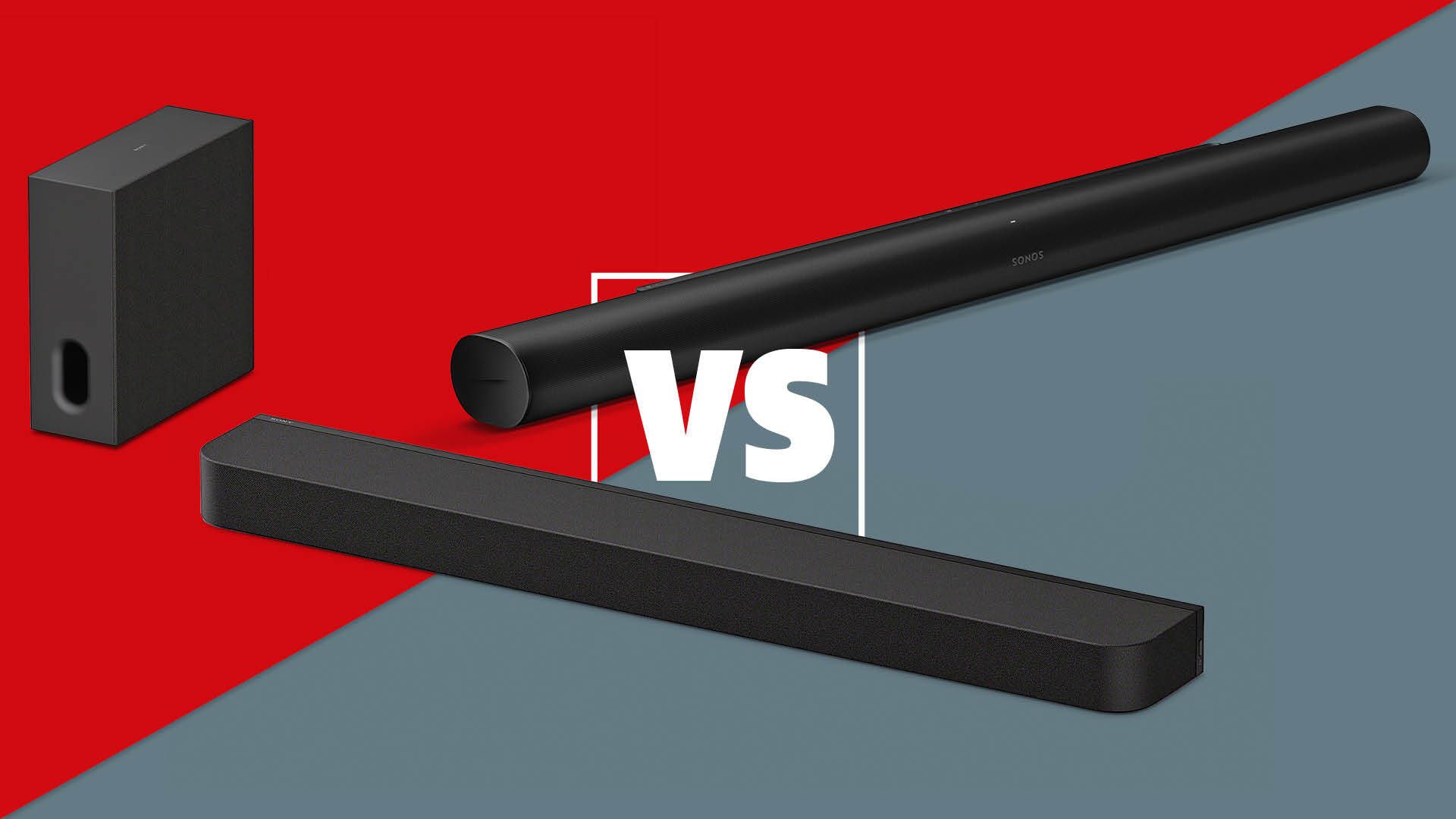
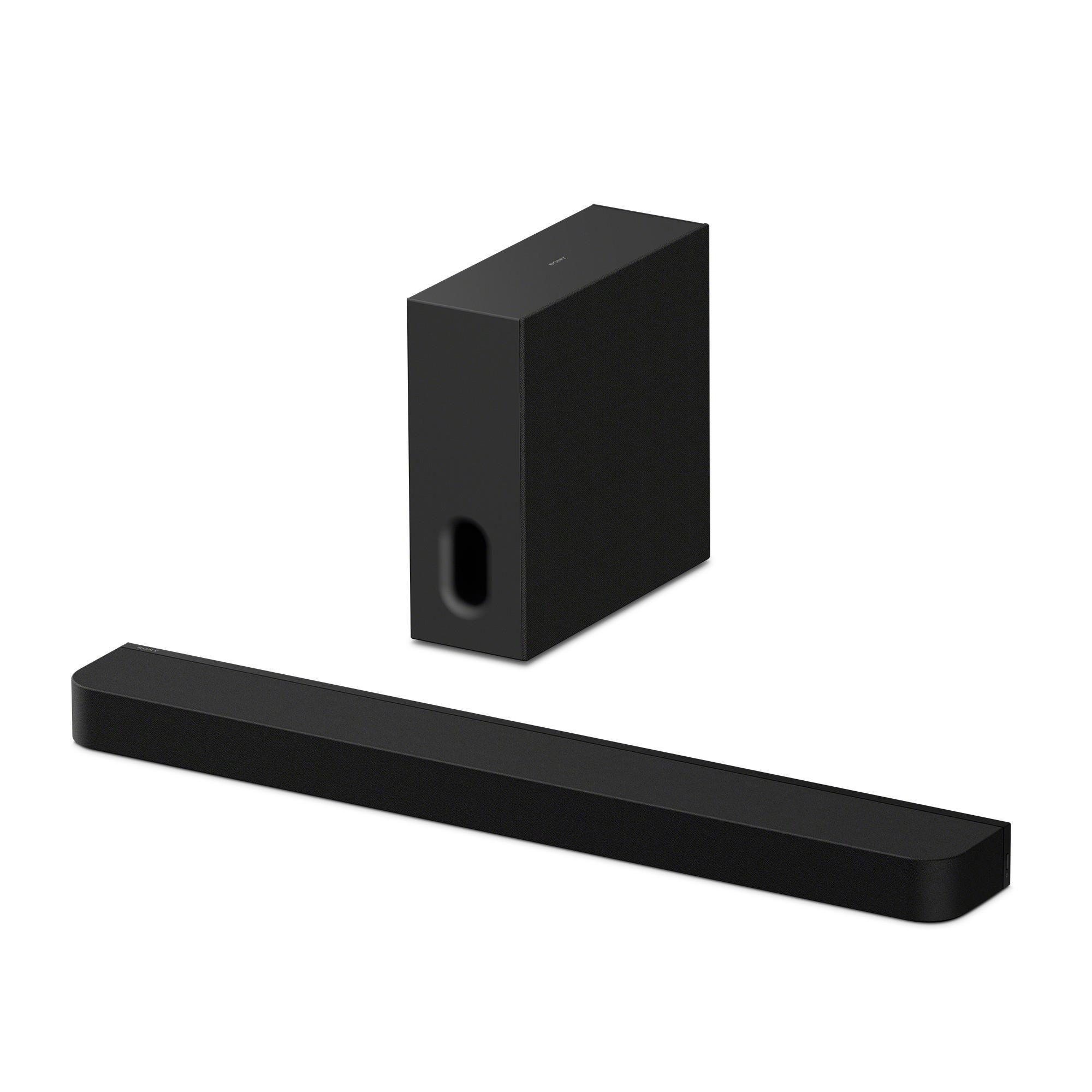
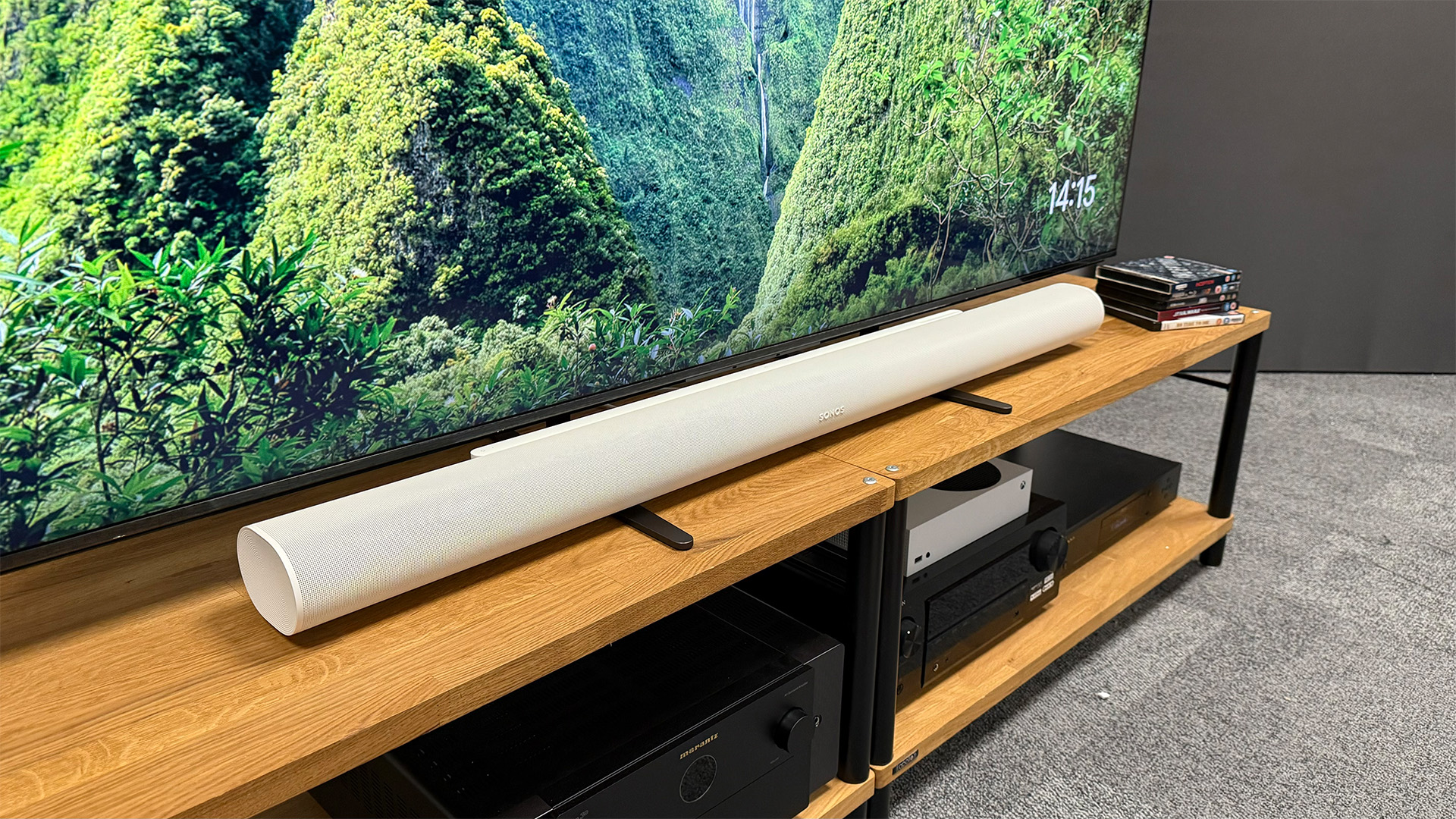
In the premium tier, two distinct philosophies have emerged to capture the living room. On one side stands the Sonos Arc Ultra, an award-winning, all-in-one unit designed to deliver a wide, three-dimensional soundstage from a single chassis. On the other side is the Sony Bravia Theatre Bar 7 + S, a versatile system that bundles a compact soundbar with an external wireless subwoofer.
This comparative analysis evaluates both systems head-to-head, examining their design philosophies, technical specifications, acoustic performance, and ecosystem integration to determine which system offers the best value for your home entertainment budget.
1. Main Facts: The Core Differences at a Glance
The confrontation between the Sonos Arc Ultra and the Sony Bravia Theatre Bar 7 + S represents a classic battle of architectural design: an engineered all-in-one enclosure versus a dedicated sub-satellite system.
+-----------------------------------------------------------------------------------+
|                                  AT A GLANCE                                      |
+----------------------------------+------------------------------------------------+
| Sonos Arc Ultra                  | Sony Bravia Theatre Bar 7 + S                  |
+----------------------------------+------------------------------------------------+
| • All-in-one 9.1.4 configuration | • Modular 5.1.2 system + external subwoofer    |
| • Proprietary "Sound Motion" tech| • Dual HDMI ports (eARC + Passthrough)         |
| • Rich, warm, and musical audio  | • Agile, punchy, and highly precise low-end    |
| • Dolby Atmos (No DTS:X support) | • Comprehensive Dolby Atmos & DTS:X support    |
+----------------------------------+------------------------------------------------+
Key Takeaways:
The Pricing Equilibrium: While their launch prices differed slightly, retail fluctuations have brought both systems into direct price competition, frequently matching each other in key global markets.
Acoustic Approaches: Sonos relies on its newly developed "Sound Motion" transducer technology to generate low frequencies from within its single cabinet. Sony uses a traditional, physical separation of duties, delegating low-frequency effects (LFE) to an accompanying wireless subwoofer.
Connectivity and Formats: Sony provides a more versatile physical connection suite, including an HDMI passthrough port and native support for DTS:X. Sonos remains committed to a single HDMI eARC port and focuses almost exclusively on the Dolby ecosystem.
The Verdict: While the Sony Bravia Theatre Bar 7 + S delivers a highly competitive, punchy, and agile performance with superior physical connectivity, the Sonos Arc Ultra retains its industry-leading recommendation due to its superior vocal warmth, mid-range detail, and emotive musical performance.
2. Chronology: The Evolution of Premium Home Audio
To understand the positioning of these two systems, one must look at the product lifecycles and technological milestones of both brands over the last half-decade.
  2020: Sonos Arc Launches
    │   (Establishes a 4-year dominance in the premium all-in-one soundbar market)
    ▼
  2022: Sonos Acquires Mayht
    │   (Acquires Dutch transducer startup to develop "Sound Motion" technology)
    ▼
  Early 2024: Sony Rebrands Audio Portfolio
    │   (Phases out HT-A series; introduces "Bravia Theatre" naming convention)
    ▼
  Late 2024: Sonos Launches Arc Ultra
    │   (Debuts Sound Motion tech to address the original Arc's low-end limitations)
    ▼
  Present: The Shootout
        (Sony bundles Bar 7 with wireless sub to directly challenge the Arc Ultra)
The Sonos Trajectory: From Arc to Ultra
For four years, the original Sonos Arc (released in 2020) served as the benchmark for premium all-in-one soundbars. It offered excellent spatial performance but occasionally drew criticism for its low-end limitations when used without an expensive, external Sonos Sub.
In 2022, Sonos acquired Mayht, a Dutch transducer technology startup known for re-engineering speaker drivers to produce massive sound from highly compact enclosures. This acquisition culminated in the late 2024 release of the Sonos Arc Ultra. The headline feature of the Arc Ultra was the debut of "Sound Motion" technology, designed to deliver double the bass output of its predecessor without increasing the physical footprint of the soundbar.
The Sony Response: Streamlining the Bravia Ecosystem
Concurrently, Sony sought to simplify its home audio lineup. Historically, Sony’s premium soundbars were categorized under alphanumeric designations (such as the HT-A5000 and HT-A7000), which occasionally confused general consumers. In early 2024, Sony consolidated its home entertainment branding, aligning its soundbars directly with its television division under the "Bravia Theatre" moniker.
The Bravia Theatre Bar 7 was introduced as a streamlined, high-performance mid-tier bar. Recognizing that an all-in-one bar of its physical dimensions might struggle to match the low-end performance of rivals, Sony packaged the Bar 7 with an active wireless subwoofer (the "S" system). This move created a direct, sub-£1000/sub-$1100 competitor capable of challenging Sonos’s dominance.
3. Supporting Data: Technical Specifications and Performance Metrics
Evaluating these systems requires looking at their physical properties, driver arrays, connectivity suites, and real-world acoustic performance.
Hardware and Specifications Comparison
Technical Feature
Sonos Arc Ultra
Sony Bravia Theatre Bar 7 + S
Configuration
9.1.4 Channels
5.1.2 Channels (Main Bar) + Subwoofer
Driver Count
15 proprietary drivers
9 drivers (Main Bar) + 1 Subwoofer
Low-Frequency Tech
Sound Motion Woofer (Internal)
Active Wireless Subwoofer (External)
Dimensions (HWD)
8.0 x 117.8 x 11.0 cm
6.4 x 95.0 x 13.0 cm (Main Bar)
Weight
5.9 kg
4.6 kg (Main Bar)
HDMI Ports
1 x HDMI (eARC)
2 x HDMI (1 x eARC, 1 x Passthrough)
Audio Formats
Dolby Atmos, Dolby Digital Plus
Dolby Atmos, DTS:X, LPCM
Room Calibration
Trueplay (iOS & Android)
Bravia Connect App Auto-Calibration
Wireless Protocols
Wi-Fi, Bluetooth 5.3, AirPlay 2
Wi-Fi, Bluetooth 5.2, Spotify Connect
Design and Spatial Footprint
The physical footprints of these systems dictate their suitability for different living spaces:
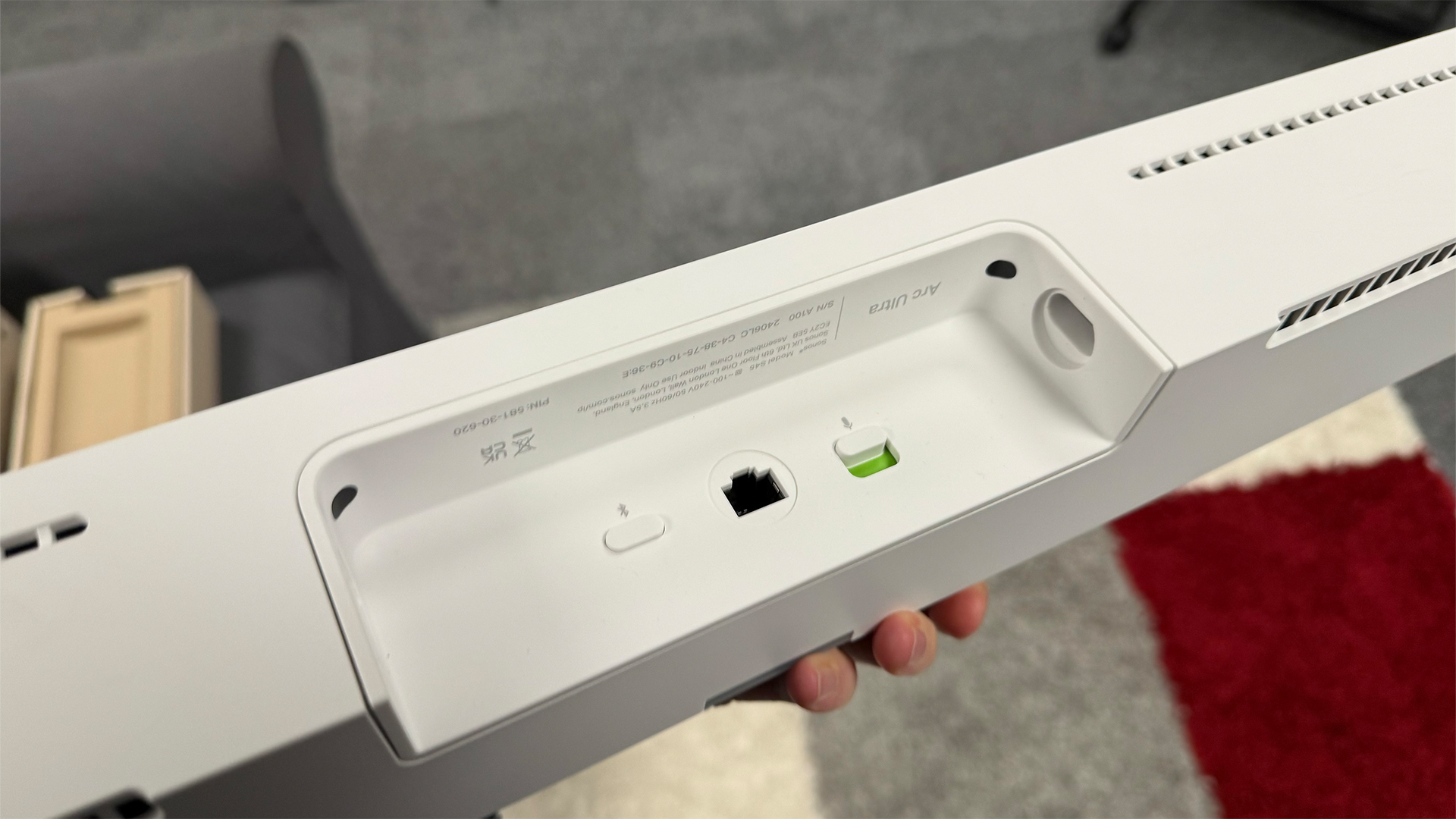
The Sonos Arc Ultra is a long, substantial component. Spanning nearly 118 cm in width, it is best paired with televisions of 55 inches and larger. Its curved, industrial-grille aesthetic is available in both matte black and matte white finishes. It features touch-sensitive playback controls situated on a recessed ledge along the rear top edge.
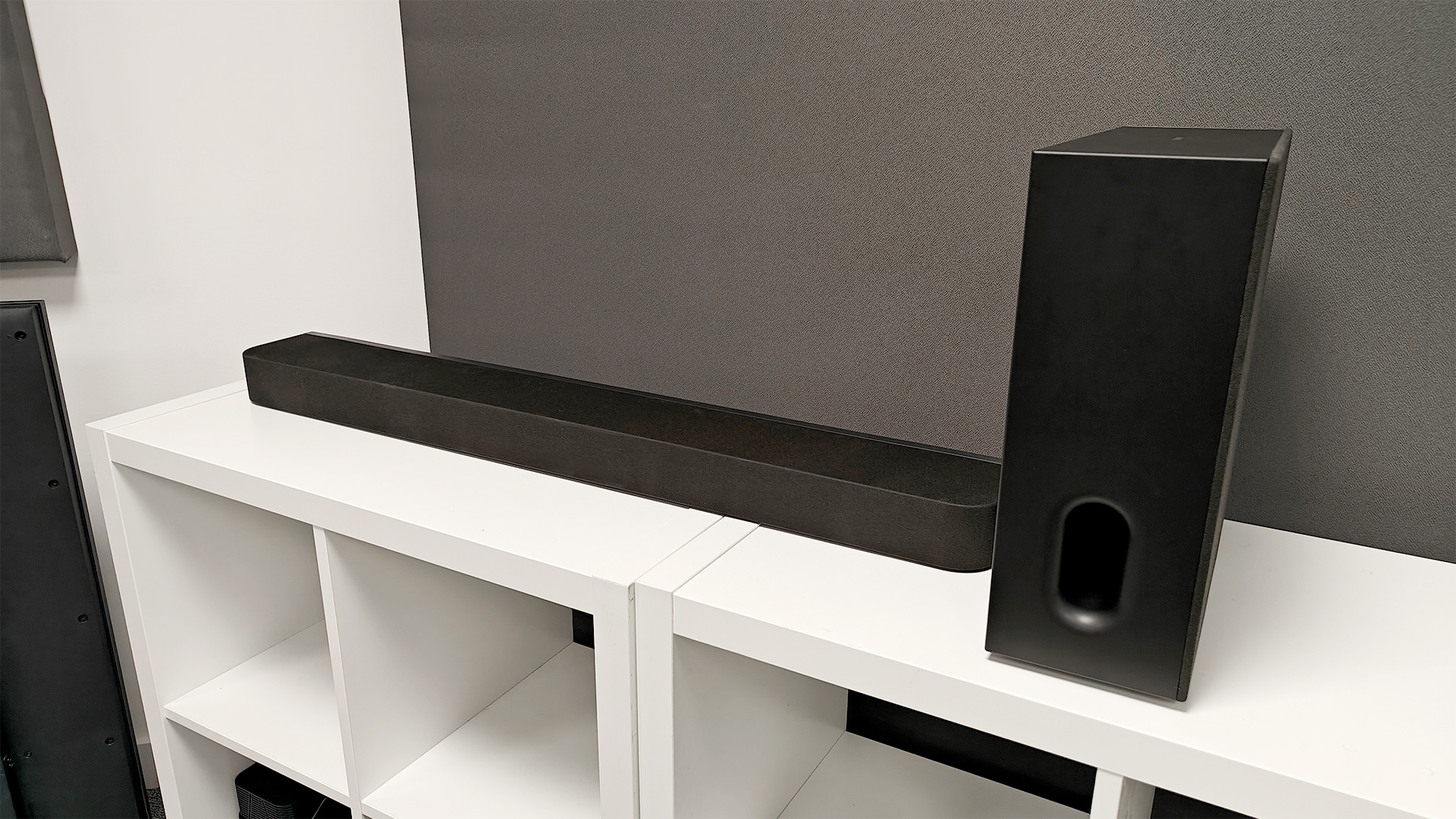
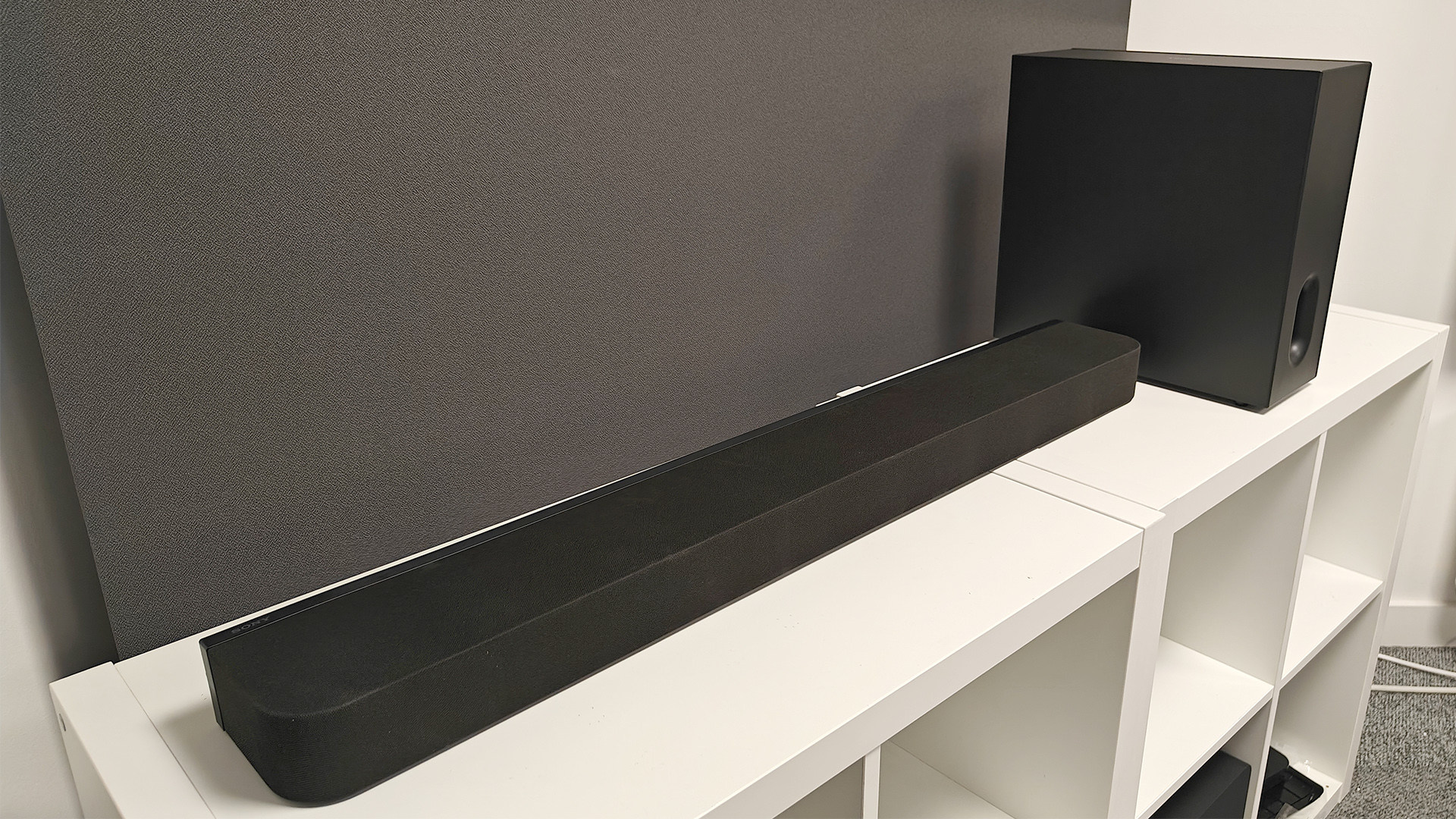
The Sony Bravia Theatre Bar 7 is considerably more compact, measuring just 95 cm wide and standing at a lower height of 6.4 cm. This makes it easier to slide under TVs with low-clearance stands. However, the system requires extra floor space to accommodate the accompanying wireless subwoofer.
Fortunately, Sony’s subwoofer is highly versatile. It can be positioned with its acoustic grille facing the listener or oriented sideways toward the wall, allowing it to fit into tight corners or beside sofas.
Connectivity and Audio Formats
Sony holds a clear hardware advantage regarding input versatility:
Sony Bravia Theatre Bar 7 + S Ports:
[ HDMI Input (Source) ] ───► [ Bar 7 ] ───► [ HDMI eARC / ARC ] ───► [ Television ]
                                │
                        (Wireless Link)
                                ▼
                        [ Subwoofer "S" ]

Sonos Arc Ultra Ports:
[ HDMI Input (Source) ] ───────────────────────────────────────────► [ Television ]
                                                                          │
                                                                  (HDMI eARC / ARC)
                                                                          ▼
                                                                   [ Arc Ultra ]
The Bravia Theatre Bar 7 features an HDMI input passthrough alongside its primary HDMI eARC port. This allows users to connect a game console, Blu-ray player, or streaming box directly to the soundbar, preserving a valuable port on their television. Furthermore, Sony supports both Dolby Atmos and DTS:X, ensuring compatibility with physical media releases that rely on DTS audio tracks.
Conversely, the Sonos Arc Ultra features only a single HDMI eARC port. Any external source must be connected directly to the television, with the audio routed back down to the soundbar via eARC. Additionally, Sonos does not support DTS:X, transcoding these signals down to standard multichannel LPCM.
Acoustic Evaluation: Head-to-Head Testing
During rigorous comparative testing in a controlled listening room, both systems displayed distinct acoustic profiles across movie soundtracks and high-resolution music playback.
1. Movie Soundtracks (Top Gun: Maverick – Dolby Atmos)
Sony Bravia Theatre Bar 7 + S: The Sony system excels in low-frequency authority and dynamic impact. As Maverick pushes his experimental jet to Mach 10, the dedicated wireless subwoofer delivers a physical, visceral rumble that an all-in-one bar cannot fully replicate. The transition of sound from the main bar to the subwoofer is seamless, maintaining excellent speed and agility. Height channels are well-defined, pushing jet engine roars above the screen.
Sonos Arc Ultra: The Arc Ultra counters with an expansive, highly cohesive soundstage. While it cannot match the physical, room-shaking depth of Sony’s dedicated subwoofer, its "Sound Motion" woofer delivers surprisingly tight and tuneful bass. Where the Sonos excels is in spatial steering and vocal reproduction. Dialogue remains anchored to the screen with a natural warmth and texture, ensuring that spoken words are never drowned out by background explosions.
2. Stereo Music Playback (Aurora – Churchyard)
Sonos Arc Ultra: Sonos leverages its history of multi-room hi-fi design to deliver a highly musical performance. The track’s layered vocals are reproduced with emotional intimacy, resolving subtle vocal inflections and low-level dynamics. The stereo image is wide, and the built-in woofer provides a cohesive foundation that feels integrated with the mid-range.
Sony Bravia Theatre Bar 7 + S: The Sony system delivers an energetic and clean presentation, with the subwoofer providing a precise, rhythmic bassline. However, compared to the Sonos, the midrange feels slightly cooler and thinner. Vocals lack the natural weight and emotional resonance that make the Arc Ultra a more satisfying standalone music speaker.
4. Official Responses and Market Positioning
Both manufacturers have positioned these devices to appeal to distinct segments of the home cinema market, reflecting their broader corporate ecosystem strategies.
Sonos: Rebuilding Trust Through Premium Hardware
Following a challenging period in mid-2024 marked by a highly criticized mobile app redesign, Sonos positioned the launch of the Arc Ultra as a key hardware milestone to restore consumer confidence.
Sonos’s official product documentation emphasizes the engineering feat of Sound Motion™ technology:
"Sound Motion™ represents a significant leap forward in transducer design, flat-out defying the physical limitations of home audio by packing unprecedented bass output, clarity, and spatial depth into a single, slim-profile soundbar."
By focusing on an all-in-one design, Sonos targets design-conscious consumers who refuse to place a separate subwoofer cabinet on their living room floor but still demand premium, immersive Dolby Atmos performance.
Sony: Leveraging Ecosystem Synergy
Sony’s marketing strategy for the Bravia Theatre Bar 7 focuses on integration with its wider ecosystem of Bravia televisions and playback hardware.
Sony highlights features like Acoustic Center Sync, which allows compatible Bravia TVs to act as an additional center channel speaker when connected to the Bar 7:
"When paired with a Bravia television, the Bravia Theatre Bar 7 integrates seamlessly to turn your TV screen into the center channel speaker, aligning dialogue precisely with the action on screen for a truly theatrical experience."
Sony also emphasizes its support for multiple spatial audio formats, positioning the Bar 7 + S bundle as the preferred choice for movie enthusiasts who own extensive physical media collections featuring DTS:X soundtracks.
5. Implications for the Home Cinema Market and Consumer Choice
The competition between the Sonos Arc Ultra and the Sony Bravia Theatre Bar 7 + S highlights several broader trends in the home entertainment landscape.
                       SELECTING THE RIGHT SYSTEM
                                    │
         ┌──────────────────────────┴──────────────────────────┐
         ▼                                                     ▼
Are you looking for an all-in-one                     Do you want maximum LFE punch,
system with a warm, musical sound                     extra HDMI ports, and native
and seamless multi-room audio?                        support for DTS:X soundtracks?
         │                                                     │
         ▼                                                     ▼
 [ Choose: Sonos Arc Ultra ]                          [ Choose: Sony Bar 7 + S ]
The Viability of the All-in-One Design
First, the matchup demonstrates that high-excursion, innovative transducer designs—such as Sonos’s Sound Motion technology—can bridge the gap between all-in-one soundbars and sub-satellite systems. While a single bar cannot fully match the physical displacement of an external 8-inch or 10-inch subwoofer, it can now produce enough low-frequency energy to satisfy most casual listeners in standard apartments or medium-sized living spaces.
Ecosystem Integration vs. Hardware Flexibility
Second, the purchase decision increasingly depends on a consumer’s existing ecosystem lock-in:
The Sonos Advantage: For users who already own Sonos smart speakers (such as the Era 100, Era 300, or Sonos Move), the Arc Ultra is a natural extension. It integrates seamlessly into a whole-home audio system, can be calibrated using Sonos’s proprietary Trueplay system, and can be upgraded later with a Sonos Sub 4 or Era rear surrounds.
The Sony Advantage: For users who own a modern Sony Bravia TV, the Bar 7 offers compelling hardware-level integration. Its dual HDMI ports make it a more flexible hub for media rooms with multiple source devices, and its native DTS:X decoding provides a level of future-proofing that Sonos continues to resist.
Final Recommendation
Ultimately, both systems represent excellent options in premium home audio. If your priority is a vibrant, warm, and highly musical presentation housed within a single, elegant enclosure, the Sonos Arc Ultra remains the gold standard.
However, if your room layout allows for an external subwoofer and your viewing habits lean toward action-heavy blockbusters, physical media, and gaming, the Sony Bravia Theatre Bar 7 + S bundle offers a highly compelling, versatile, and punchy alternative.